The collector’s art library
Painting studies · 45
Explore 1,200 paintings through museum context, material records and interactive scale studies. Notice what you respond to, then use those observations to describe the art you want in your own space.
The reference works belong to the Cleveland Museum of Art’s collection and are not offered for sale here. Records and images use the museum’s CC0 open-access release; there is no museum partnership. Sources and methodology.
Studies 1057–1080 of 1200
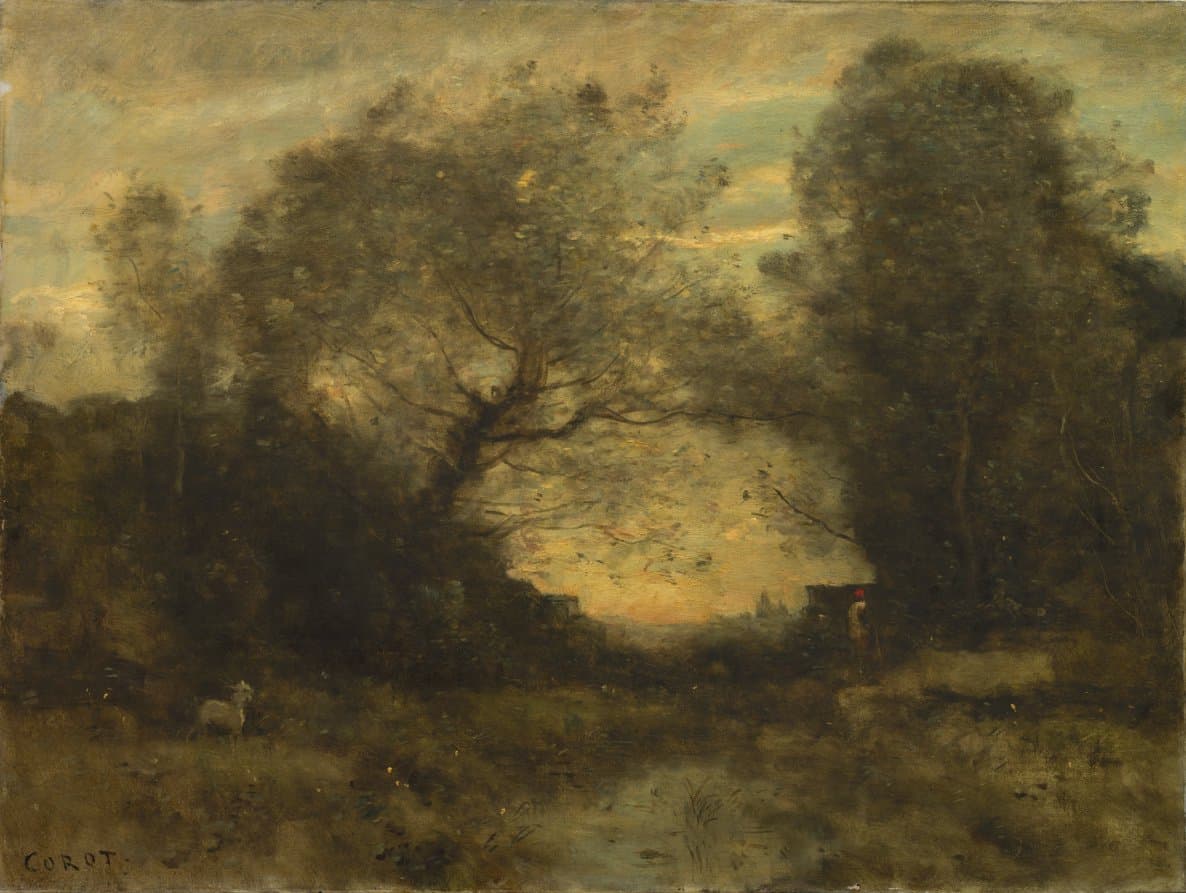
c. 1860–75 · France, 19th century
The Pond at the Entrance of the Woods
Jean Baptiste Camille Corot (French, 1796–1875) · oil on fabric
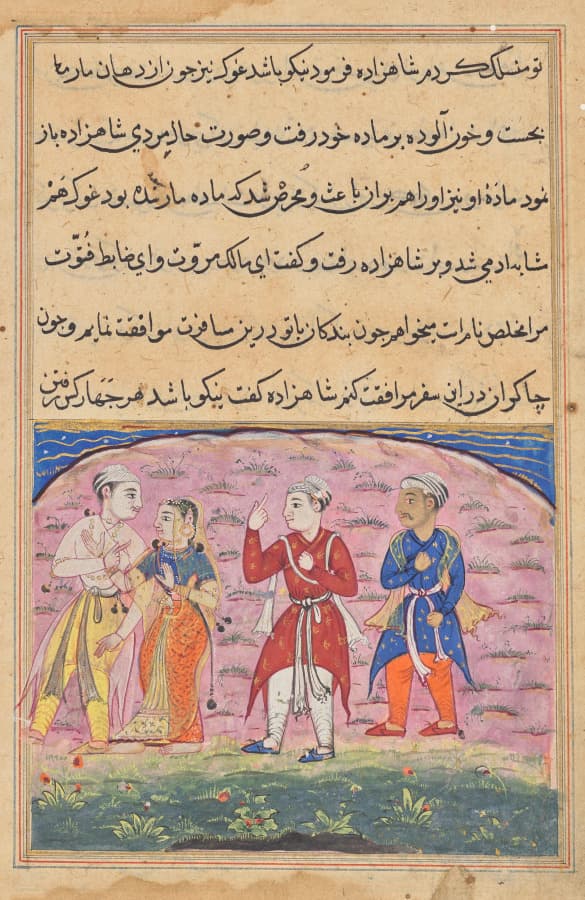
c. 1560 · Mughal India, court of Akbar (reigned 1556–1605)
The prince and Nikfal are joined by Khalis and the Mukhlis who are the grateful snake and frog in human form, from a Tuti-nama (Tales of a Parrot): Eighteenth Night
Artist not recorded · gum tempera, ink, and gold on paper
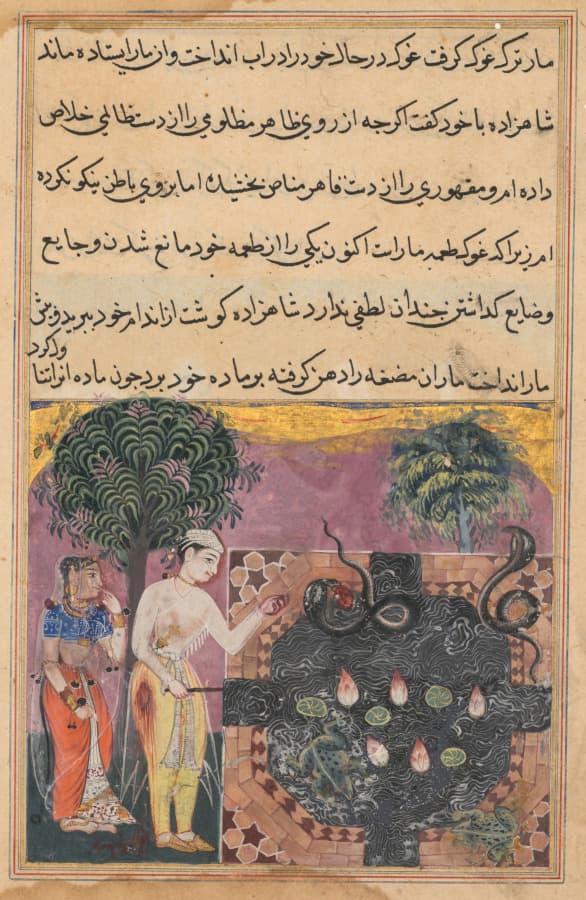
c. 1560 · Mughal India, court of Akbar (reigned 1556–1605)
The prince, having deprived the snake of its natural food, a frog, feeds it with a piece of his own flesh, from a Tuti-nama (Tales of a Parrot): Eighteenth Night
Artist not recorded · gum tempera, ink, and gold on paper
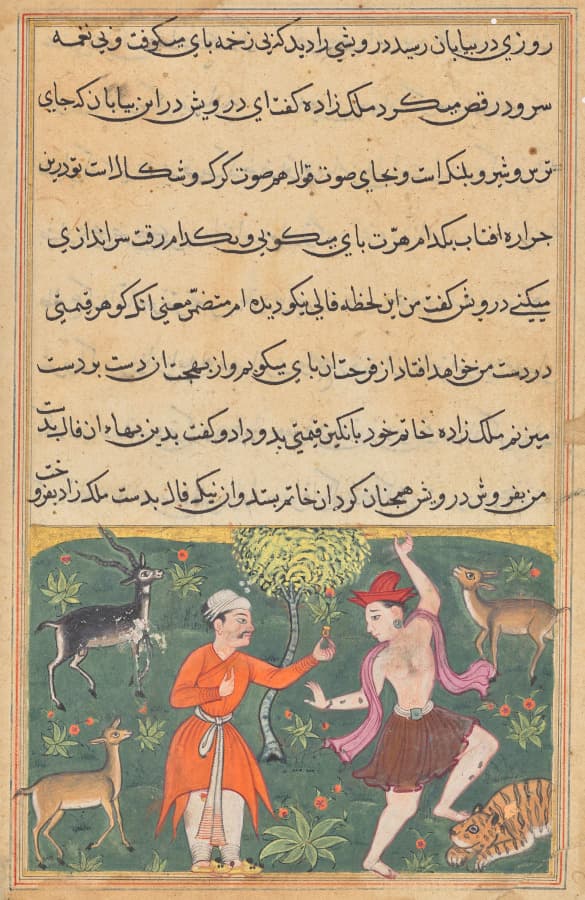
c. 1560 · Mughal India, court of Akbar (reigned 1556–1605)
The prince meets a carefree dancing dervish whose good fortune he purchases for his ring, from a Tuti-nama (Tales of a Parrot): Eighteenth Night
Artist not recorded · gum tempera, ink, and gold on paper
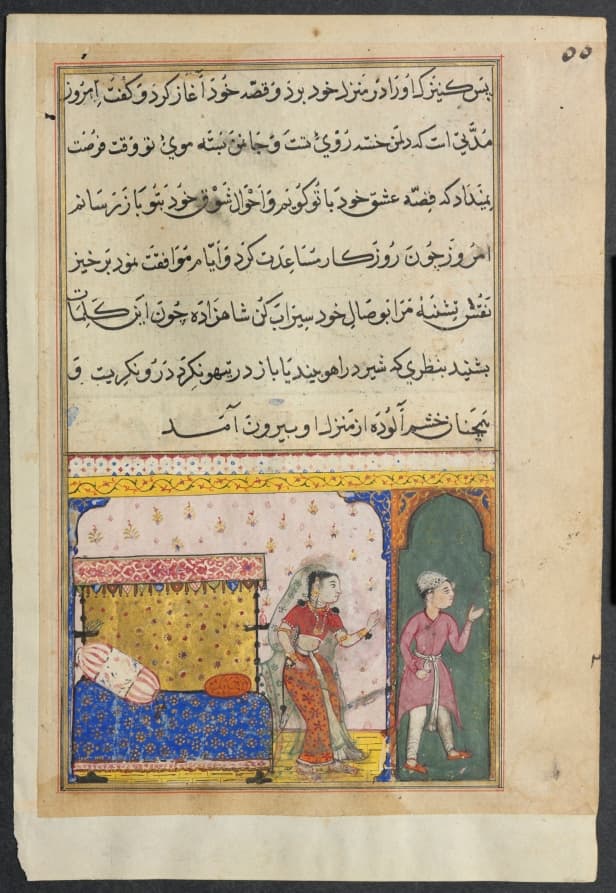
c. 1560 · Mughal India, court of Akbar (reigned 1556–1605)
The prince rejects the amorous advances of the king’s handmaiden, from a Tuti-nama (Tales of a Parrot): Eighth Night
Artist not recorded · gum tempera, ink, and gold on paper
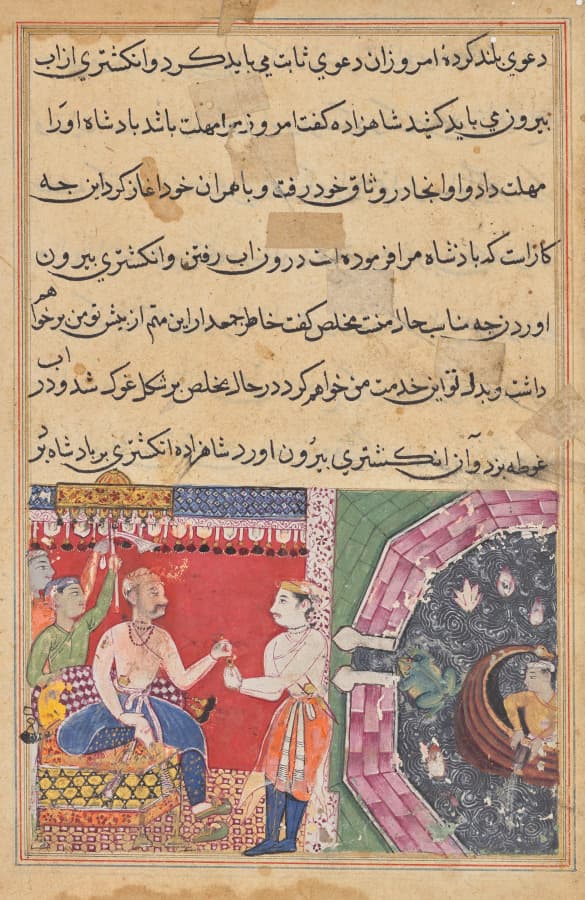
c. 1560 · Mughal India, court of Akbar (reigned 1556–1605)
The prince, with the help of Mukhlis who changes into a frog, recovers the ring lost in the sea, and returns it to the king, from a Tuti-nama (Tales of a Parrot): Eighteenth Night
Artist not recorded · gum tempera, ink, and gold on paper
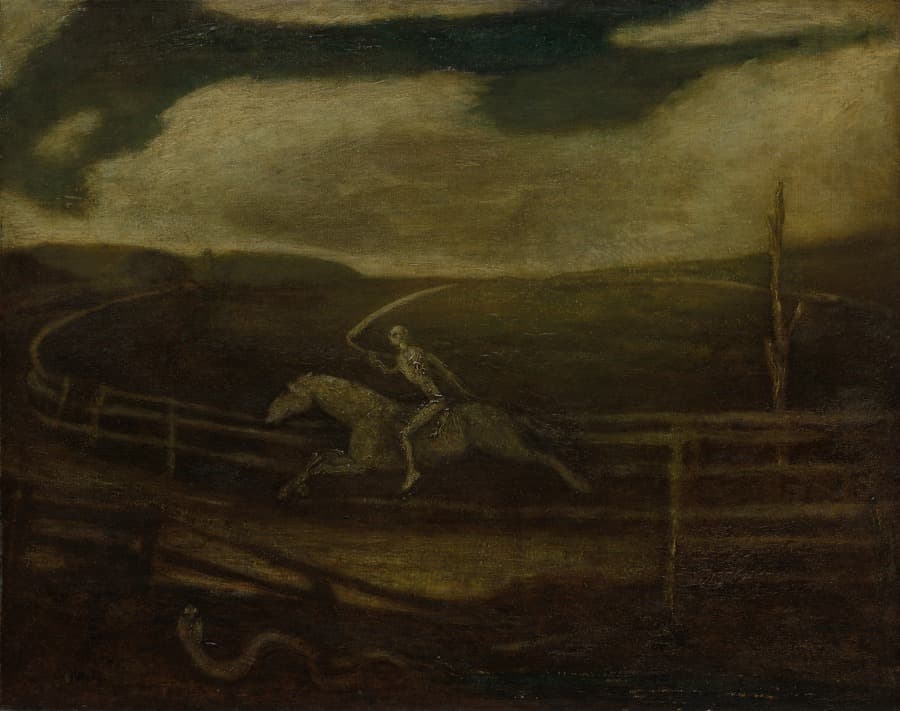
c. 1896–1908 · America
The Race Track (Death on a Pale Horse)
Albert Pinkham Ryder (American, 1847–1917) · oil on canvas
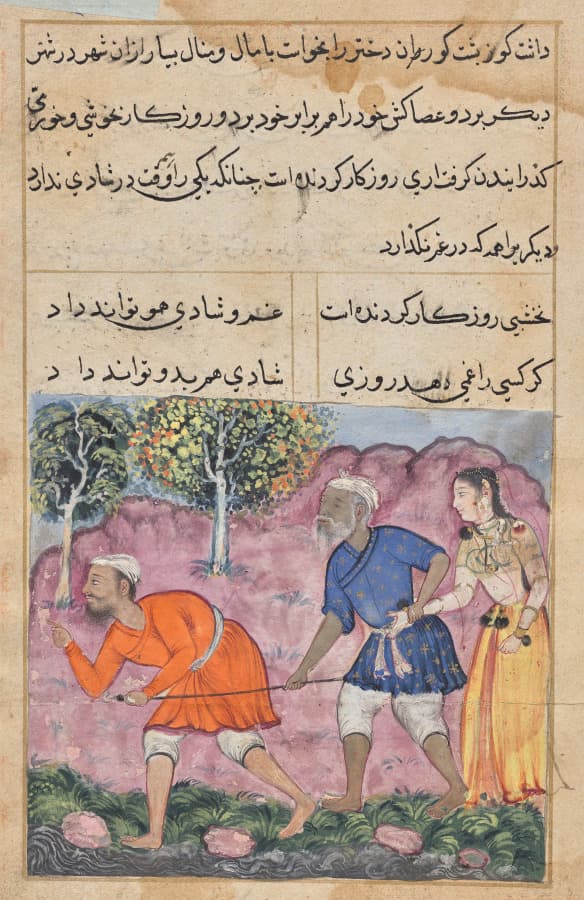
c. 1560 · Mughal India, court of Akbar (reigned 1556–1605)
The Raja’s daughter, born with three breasts, accompanies her blind husband and his hunchback guide on a journey, from a Tuti-nama (Tales of a Parrot): Forty-second Night
Artist not recorded · gum tempera, ink, and gold on paper
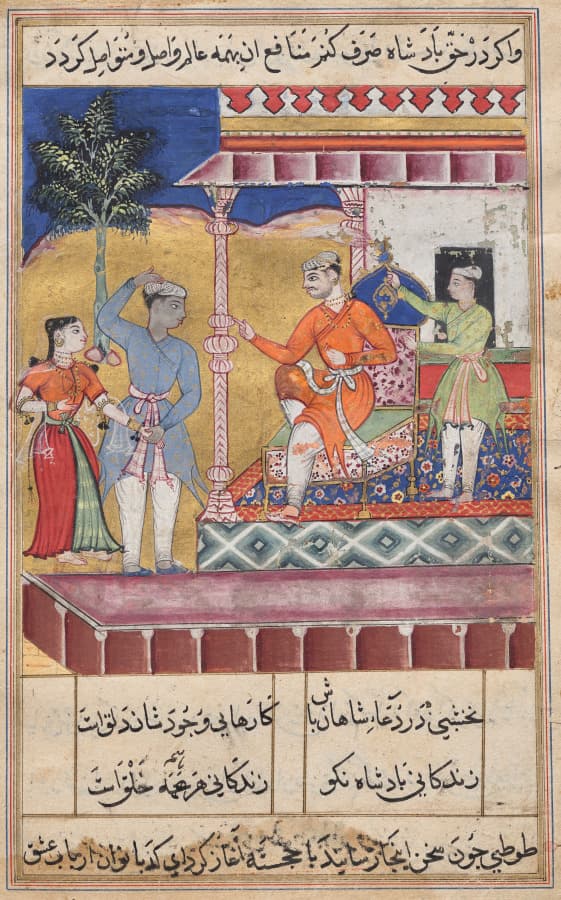
c. 1560 · Mughal India, court of Akbar (reigned 1556–1605)
The rejuvenated old man and the daughter of the king of the jinns take leave of the King of Kings, from a Tuti-nama (Tales of a Parrot): Seventh Night
Artist not recorded · gum tempera, ink, and gold on paper
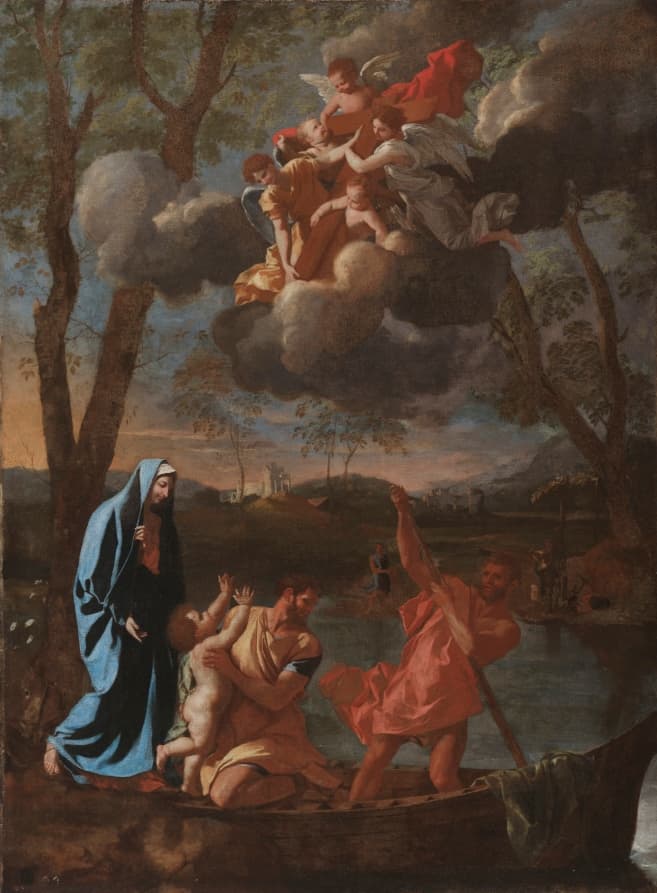
c. 1627 · France
The Return of the Holy Family to Nazareth
Nicolas Poussin (French, 1594–1665) · oil on canvas
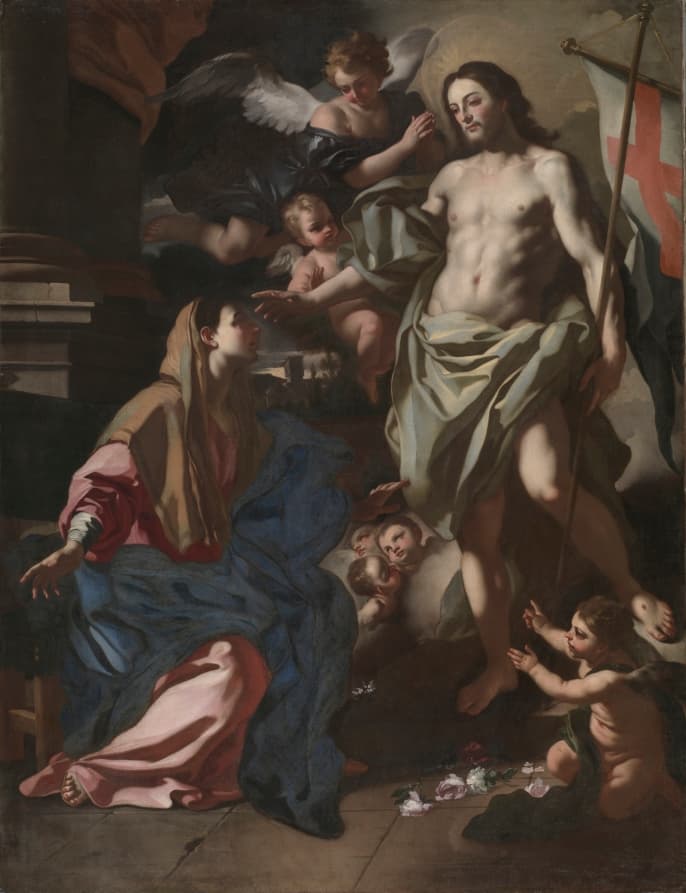
c. 1708 · Italy, 18th century
The Risen Christ Appearing to the Virgin
Francesco Solimena (Italian, 1657–1747) · oil on canvas
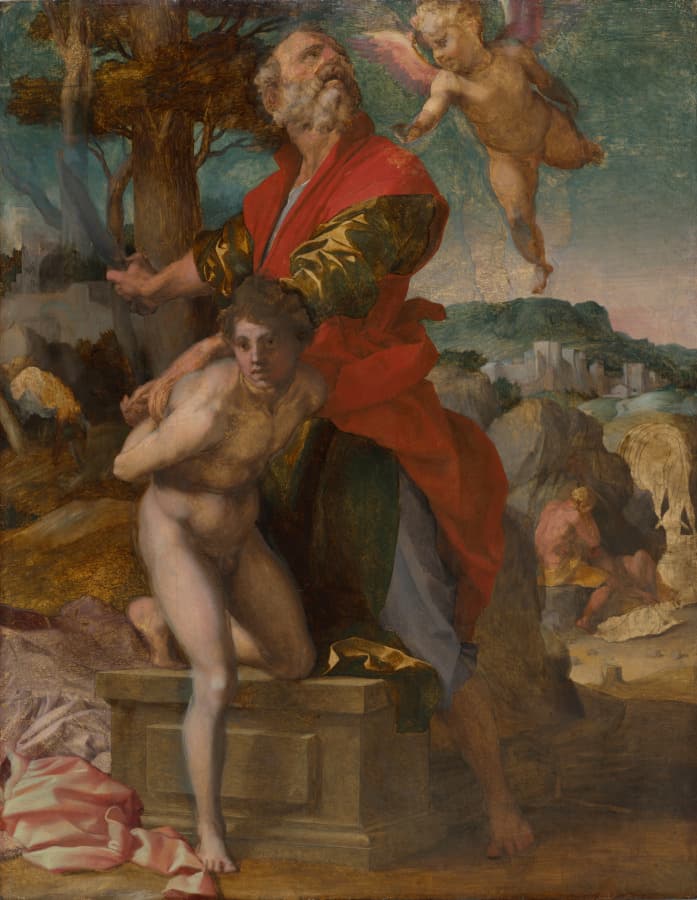
c. 1527 · Italy, Florence
The Sacrifice of Isaac
Andrea del Sarto (Italian, 1486–1530) · oil on wood
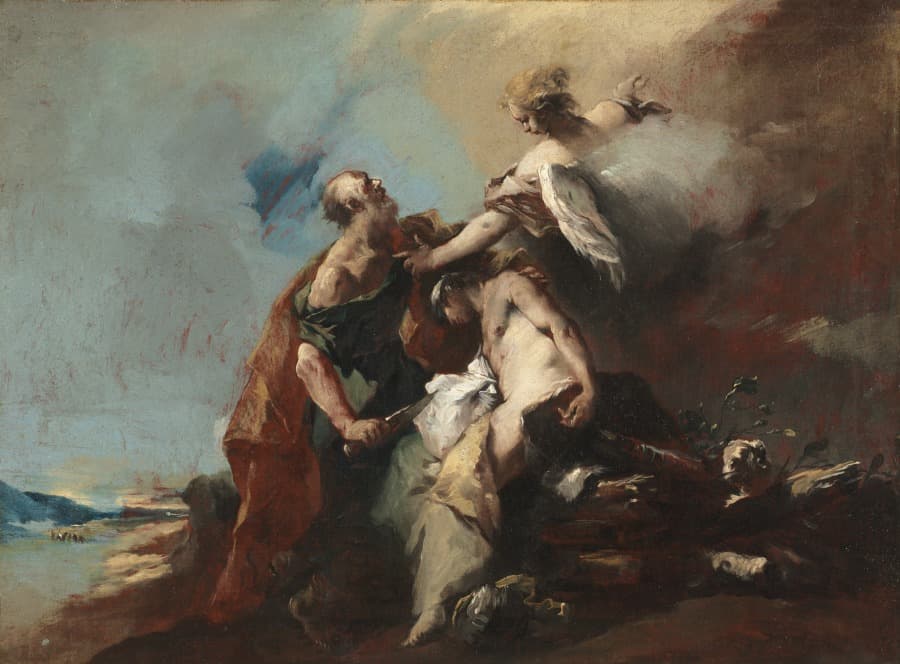
1750s · Italy, 18th century
The Sacrifice of Isaac, Tobias and the Angel, The Angels Appearing to Abraham, Abraham Welcoming the Three Angels (painting series)
Francesco Guardi (Italian, 1712–1793) · oil on canvas
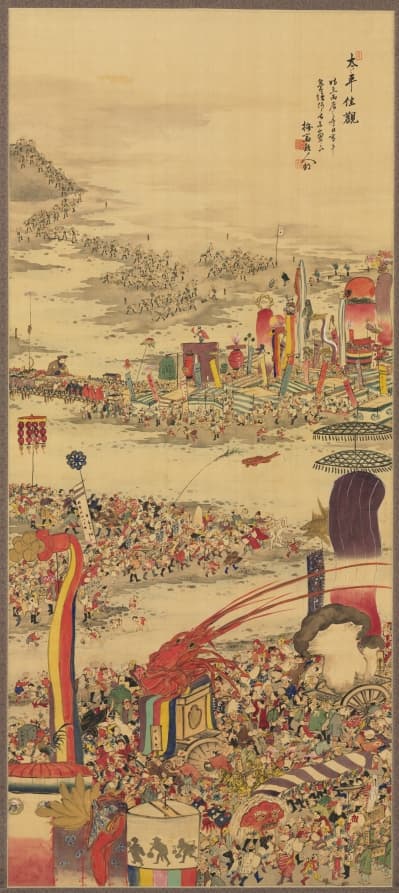
1856 · Japan, Edo period (1615–1868)
The Sand-Carrying Festival (Sunamochi Matsuri)
Sakai Basai (Japanese, dates unknown) · hanging scroll; ink and color on silk
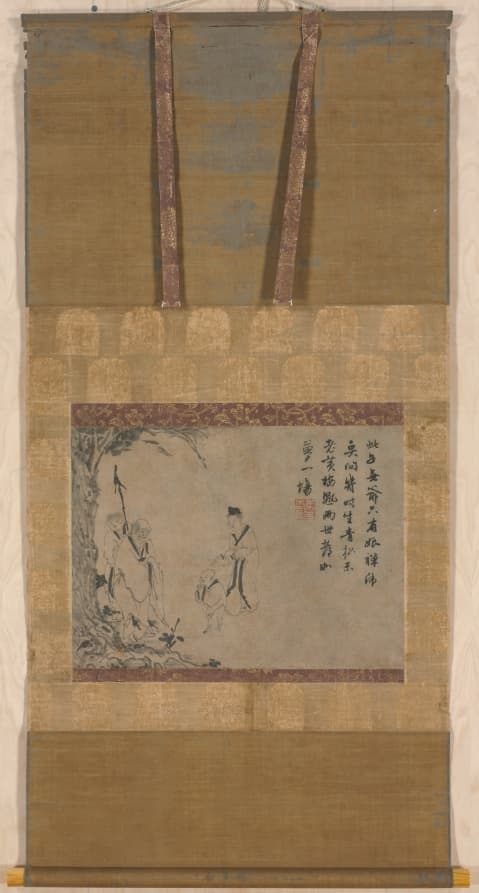
c. mid-1300s · China, Yuan dynasty (1271-1368)
The Second Coming of the Fifth Patriarch
Yintuoluo (Chinese, c. 1285-c. 1355) · section of a handscroll mounted as a hanging scroll, ink on paper
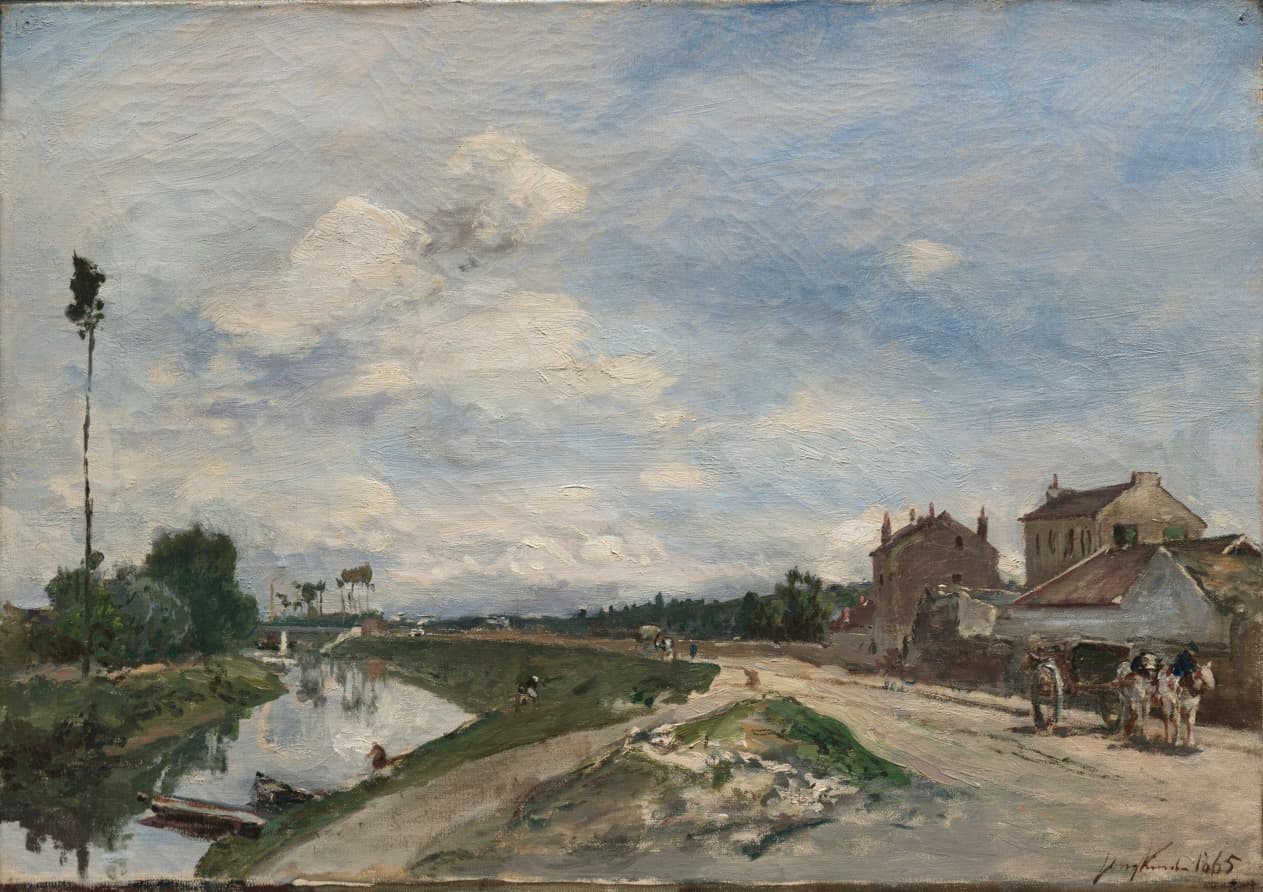
1865 · France, 19th century
The Seine at Bas-Meudon
Johan Barthold Jongkind (Dutch, 1819–1891) · oil on fabric
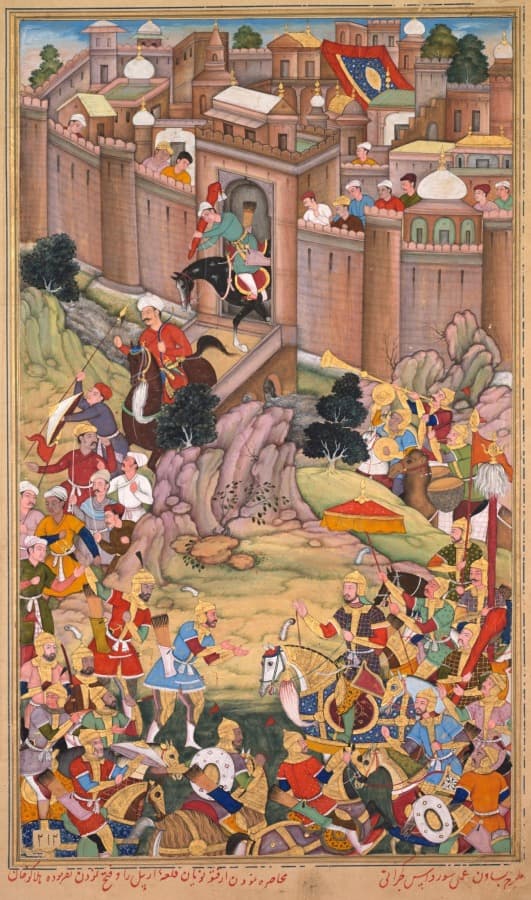
c. 1596 · Mughal India, court of Akbar (reigned 1556–1605)
The siege of Arbela in the era of Hulagu Khan, from a Chingiz-nama (Book of Chingiz Khan) of the Jami al-tavarikh (Compendium of Chronicles) of Rashid al-Din (Persian, 1247–1318)
Basavana (Indian, active c. 1560–1600); Sur Das Gujarati (Indian, active 16th century) · Gum tempera, ink, and gold on paper
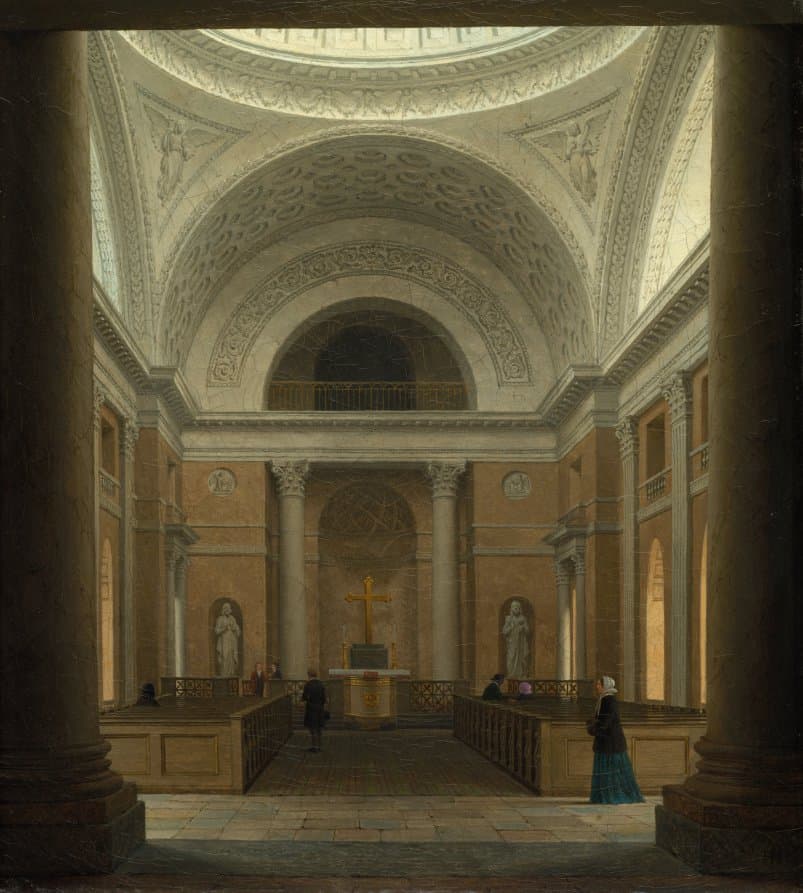
c. 1850s · Denmark
The Slotskirken of Christiansborg, Copenhagen
Heinrich Hansen (Danish, 1821–1890) · oil on fabric
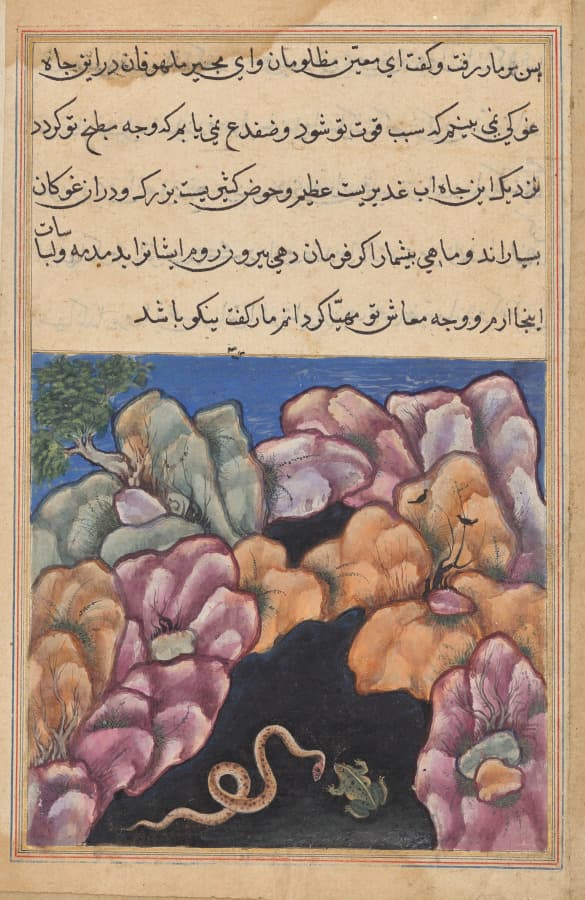
c. 1560 · Mughal India, court of Akbar (reigned 1556–1605)
The snake enters into an argument with the frog, from a Tuti-nama (Tales of a Parrot): Twenty-sixth Night
Artist not recorded · gum tempera, ink, and gold on paper
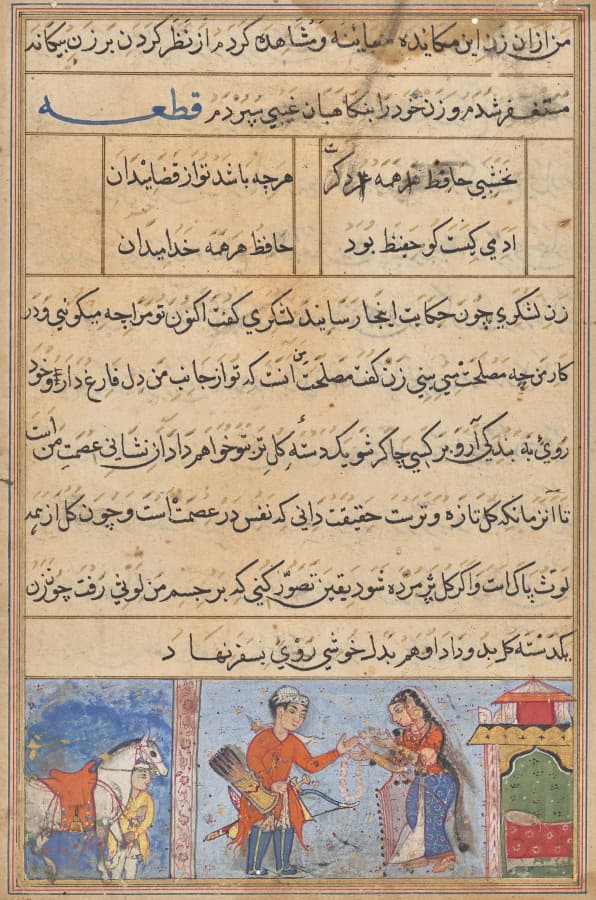
c. 1560 · Mughal India, court of Akbar (reigned 1556–1605)
The soldier receives a garland of roses from his wife which will remain fresh as long as she is faithful, from a Tuti-nama (Tales of a Parrot): Fourth Night
Artist not recorded · gum tempera, ink, and gold on paper
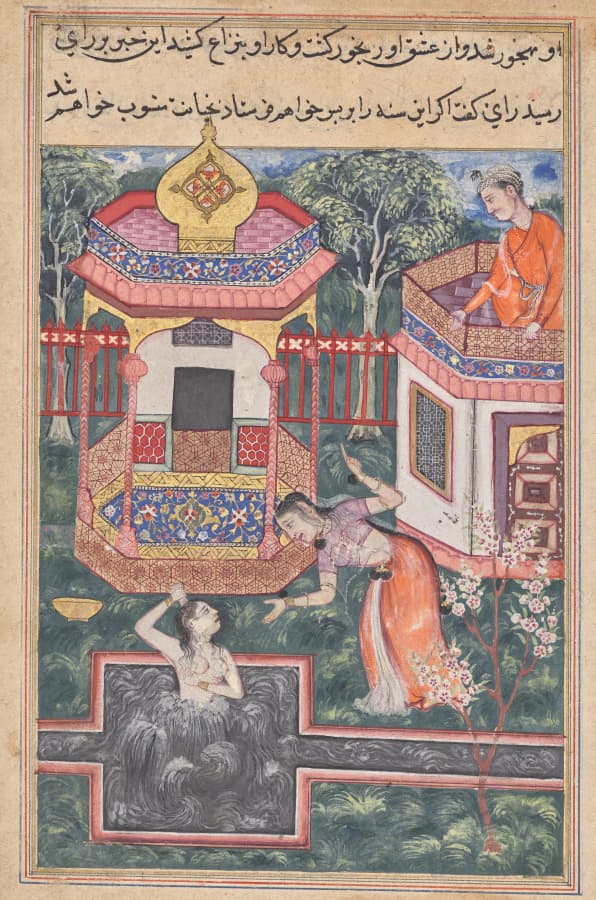
c. 1560 · Mughal India, court of Akbar (reigned 1556–1605)
The son of the king of Babylon sees the Brahman transformed into a woman bathing and falls in love with her, from a Tuti-nama (Tales of a Parrot): Thirty-fifth Night
Artist not recorded · gum tempera, ink, and gold on paper
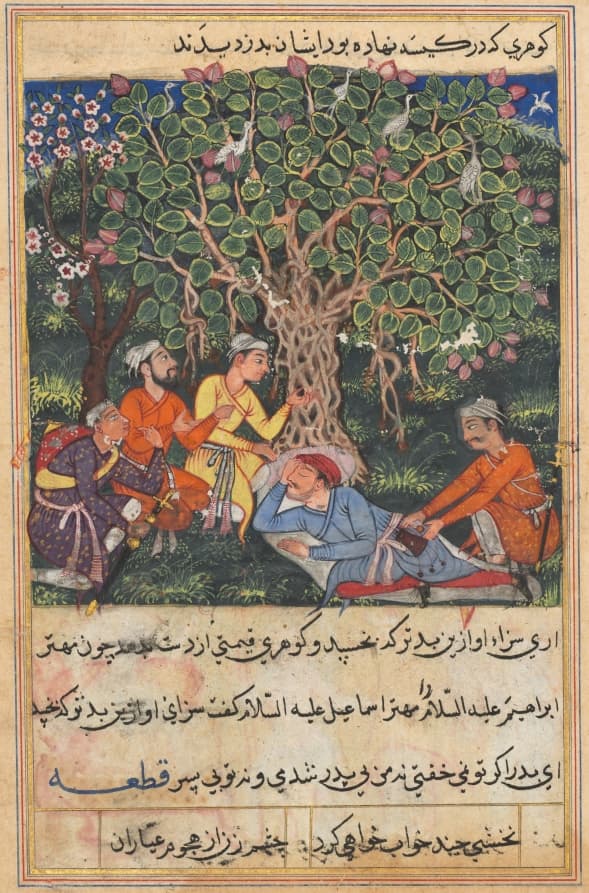
c. 1560 · Mughal India, court of Akbar (reigned 1556–1605)
The street cleaner, on his way to meet King Bhojaraja, sleeps under a tree where four thieves disguised as fellow travelers deprive him of a priceless pearl, from a Tuti-nama (Tales of a Parrot): Twelfth Night
Artist not recorded · gum tempera, ink, and gold on paper
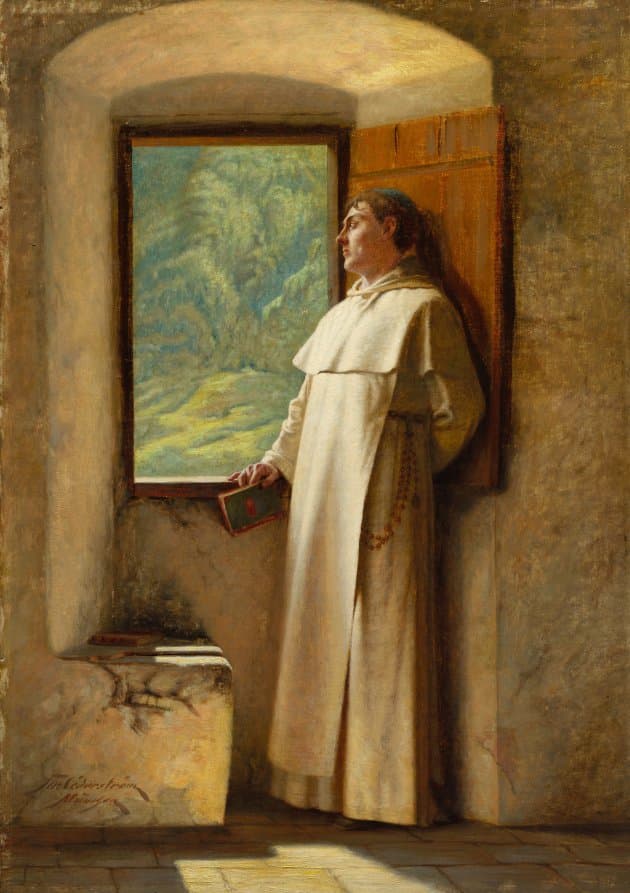
1890s · Sweden, 19th century
The Sunlight
Ture Nikolaus Cederström (Swedish, 1843–1924) · oil on fabric
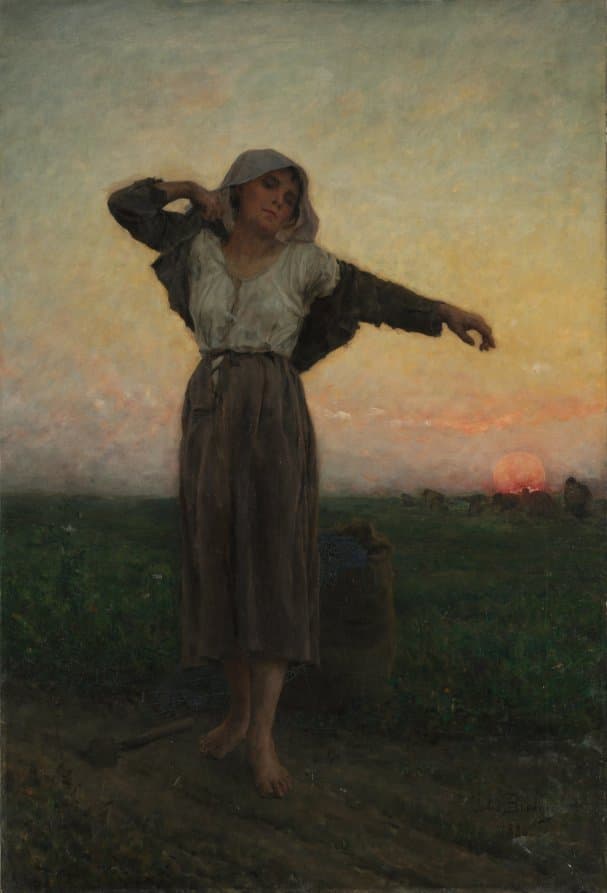
1880 · France, 19th century
The Tired Gleaner
Jules Breton (French, 1827–1906) · oil on fabric