Hospitality Design
Art for Airbnb & Hospitality
Original Paintings for Rental Properties
In the short-term rental and hospitality market, guests make booking decisions in seconds. Before they read about the mattress or the coffee maker, they see your photos. Original art on the walls is one of the highest-ROI differentiators available to property owners — and it pays for itself faster than most hosts realize.
Why Original Art Matters in Hospitality
Walk through the photo gallery of any short-term rental platform and you will see the same thing repeated across thousands of listings: mass-produced word art (“Live Laugh Love”), generic IKEA prints, faded posters in plastic frames, bare walls, or — worst of all — nothing. These listings communicate the same message: the host invested the minimum. The property is adequate. You will sleep fine, but you will not remember the experience.
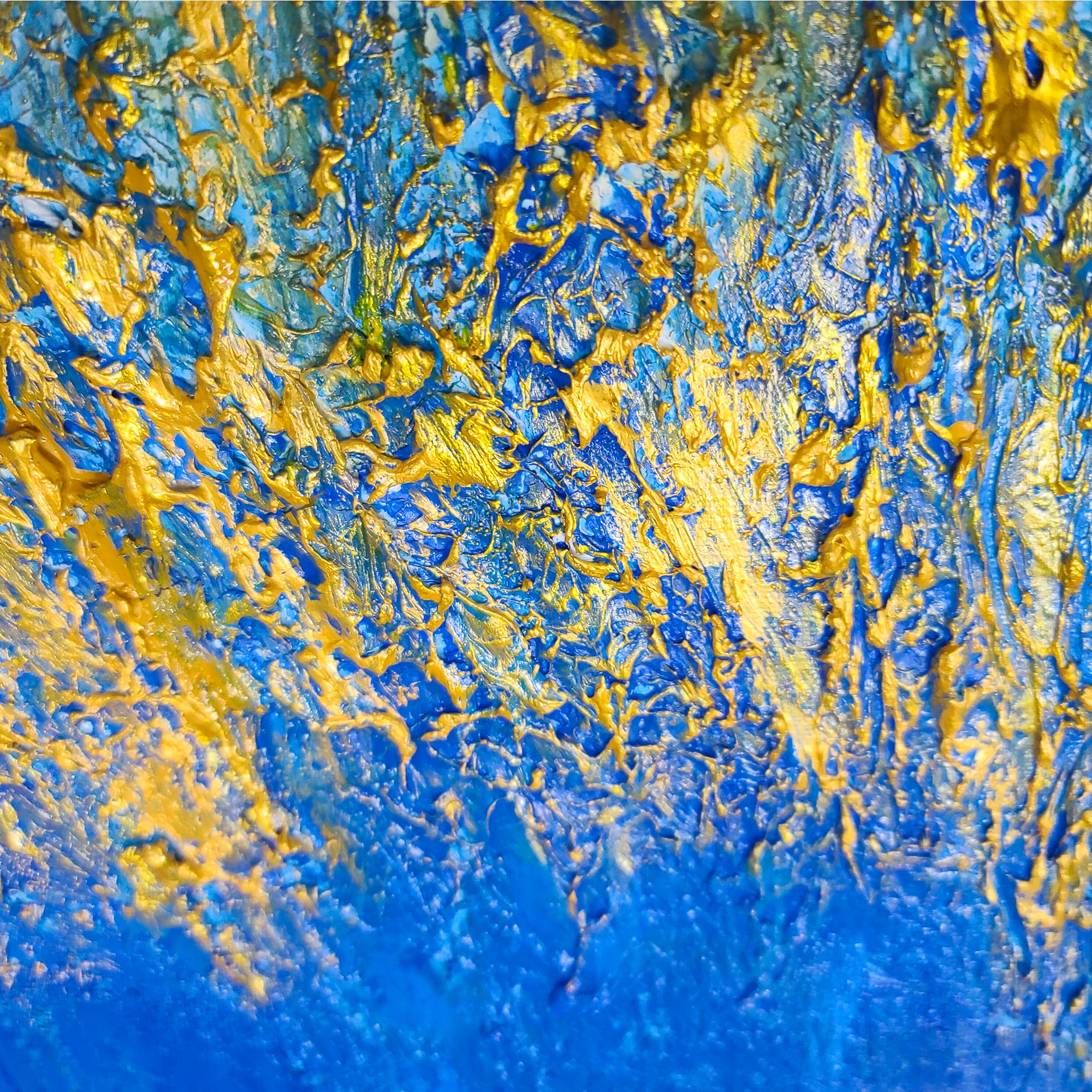
Now imagine scrolling to a listing where the living room wall holds a 48x60-inch original abstract painting with heavy texture that the camera captures in dynamic light. The bedroom has a smaller original above the headboard — warm tones, calming composition. The entryway has a vertical piece that draws the eye upward through a double-height ceiling. Every photograph in the listing tells the same story: this host cares. This property is elevated. You are not renting a room — you are having an experience. That narrative shift translates directly into higher booking rates, better reviews, and increased nightly rates.
Original art communicates quality in a way that words cannot. You can write “luxury property” in your listing title, but if the walls are decorated with mass-market prints, guests will notice the disconnect. Put an original painting on the wall and you do not have to say anything — the photograph says it for you. Original art is a visual signal of quality that requires no translation, works across every language and culture, and improves every single photograph of every single room it appears in.
ROI of Good Art in Short-Term Rentals
The business case for original art in rental properties is straightforward: it pays for itself through increased bookings, higher nightly rates, and improved review scores — which feed the platform algorithm and generate still more bookings. Let us run the numbers. A single large Lei-Kol original costs $3,499. If that single painting enables a $15 increase in your average nightly rate — a conservative estimate for a property that moves from “generic” to “designed” — and you book 200 nights per year, the painting generates $3,000 in additional revenue in year one alone. By year two, it has paid for itself and continues generating pure profit for as long as it hangs on the wall. If the rate increase is $25 per night (realistic for premium markets like Miami, Los Angeles, or New York), payback drops to well under one year.
Beyond nightly rate, original art generates secondary ROI through improved review scores. Properties with average ratings above 4.8 stars appear higher in search results, receive more clicks, and book more frequently than properties with lower ratings — this is well-documented platform economics. Guests leave higher review scores for properties that feel curated, intentional, and visually interesting. A guest will not write “the painting was beautiful” in every review — but they will rate the overall experience five stars instead of four, and that delta is worth thousands of dollars per year in incremental bookings. Original art is one of the few property investments that simultaneously improves guest experience, listing aesthetics, review scores, and the owner's personal enjoyment of the space.
Social media amplification is a bonus ROI channel. Guests photograph themselves in beautiful spaces and post those photos to Instagram, TikTok, and their booking platform reviews. A striking original painting makes every photograph of your property more shareable. Those organic guest photos are free marketing — far more effective and trusted than anything you could post yourself. The painting becomes a recognizable visual anchor that makes your property photographs stand out in a sea of identical listings.
Choosing the Right Art for Your Space
Hospitality art has constraints that residential art does not. The paintings must appeal to a broad audience — you are not decorating for yourself, you are decorating for hundreds of different guests each year. The art should be interesting enough to catch attention but not so provocative or polarizing that it risks negative reactions. Abstract art is the ideal category here. It provides visual energy and sophistication without literal subject matter that could alienate any guest. A heavy-texture abstract like Maui or Waterfalls reads as beautiful and art-forward to essentially every viewer. A figurative work depicting a specific person, political scene, or potentially unsettling subject reads as beautiful to some viewers and uncomfortable to others. For hospitality, abstracts win.
Size follows the same logic as residential art: larger is better. A 48x60-inch statement piece in the main living area creates an anchor that defines the room's visual identity. Smaller pieces in bedrooms, hallways, and dining areas support the larger anchor without competing. At minimum, every property needs one significant original — the piece that appears in the hero photograph of the listing, the one that guests comment on, the one that makes the property look like it belongs to a person with taste rather than a property manager with a budget spreadsheet.
Color palette for hospitality art should lean warm and welcoming — golds, creams, soft blues, warm earth tones — over cold, stark, or highly saturated palettes. The painting should make the room feel more inviting, not more challenging. This does not mean boring. Maui, with its layered gold and warm neutrals, is a near-perfect hospitality palette: sophisticated, warm, inviting, and striking in photographs. Waterfalls and Cheesecake occupy similar territory. Bipolar — with its stark black-and-white drama — is a powerful piece, but it is better suited for a residential collector who wants intensity on their wall than for a rental where guests with different aesthetic preferences will cycle through weekly.
Durability and Practical Considerations
Rental properties put art through more wear than residential homes. Guests touch things. Suitcases bump walls. Children do what children do. Cleaning crews move quickly. The art needs to be durable, cleanable, and mounted securely enough that it can survive curious hands and occasional collisions.
Acrylic on canvas is well-suited to hospitality environments for several reasons. It does not require glass (which can shatter), it can be gently cleaned with a dry microfiber cloth, and heavy texture — paradoxically — hides superficial scuffs better than flat paintings. A light scratch on a flat painting is visible because it interrupts a uniform surface. The same scratch on a heavily textured painting disappears into the complex topography of the impasto. This does not make textured paintings indestructible — they still need protection from direct impacts, spills, and deliberate damage — but they are more forgiving of the minor wear that accumulates in rental settings.
Mounting is critical. Every painting in a rental property should be secured with high-quality picture hooks or D-rings anchored into wall studs — never adhesive hooks, never a single nail above the weight rating. A painting that falls off the wall when a guest bumps it is a liability: potential injury, potential damage to the painting, and a guaranteed bad review. For large pieces above sofas or beds, consider security hardware — earthquake-resistant mounts that lock the painting to the wall while remaining invisible from the front. These cost less than thirty dollars and provide peace of mind worth far more.
Location within the property matters for durability. Hang art away from high-traffic pathways where luggage and shoulders pass close to the wall. Keep paintings out of kitchens (grease, steam, splash risk), above fireplaces (soot, heat), and bathrooms (humidity). Entryways work beautifully — they are the first thing guests see — but mount the art high enough that backpacks and rolling suitcases will not contact the canvas. Above a console table or entry bench is ideal: the furniture provides a natural buffer between guests and the painting.
Insurance for Art in Commercial Settings
Standard homeowners insurance does not cover a rental property — you need a landlord or short-term rental policy, which is a different product. Most landlord policies include limited personal property coverage, but the sub-limits for fine art are typically the same as homeowners policies: $1,000–$2,500 per item. If your painting is worth more than that, you need a scheduled personal property endorsement or a commercial fine art policy.
For rental properties with multiple original pieces, a standalone fine art insurance policy is the most comprehensive option. It covers theft, accidental damage (guest spills wine on the canvas), mysterious disappearance (a piece vanishes between guests — rare but not unheard of), and transit if you move pieces between properties. Premiums remain in the 0.1–0.5% of insured value range — meaning a $3,500 painting costs $3.50–$17.50 per year to insure. That is less than the cost of replacing a single stained pillow. It is a trivial expense for the protection it provides.
Documentation is the same as for residential collections: purchase receipt, Certificate of Authenticity, clear photographs, and ideally a professional appraisal for pieces over $5,000. Keep digital copies accessible. If a claim is filed, the insurer will want proof of ownership and proof of value, and the faster you can provide both, the faster you will be reimbursed.
Tax Treatment for Hospitality Art
Art purchased for a rental property is generally a depreciable business asset. Under the Modified Accelerated Cost Recovery System (MACRS) in the United States, fine art used in a trade or business can be depreciated over its useful life — typically five or seven years, depending on classification. This means you may be able to deduct a portion of the painting's cost against your rental income each year, reducing your taxable rental income and effectively lowering the net cost of the art.
The key phrase is “used in a trade or business.” Art displayed in a rental property qualifies. Art displayed in your personal residence does not. The distinction is functional: if the art contributes to the revenue-generating activity (attracting guests, improving reviews, justifying higher nightly rates), it is a business asset. If it decorates your living room, it is personal property. The IRS has issued guidance on this distinction, and short-term rental hosts who treat art as a business asset should document the business purpose: photographs of the art in the listing, evidence that the art contributes to the property's appeal, and records of how the art was acquired specifically for the rental property.
Consult a qualified tax professional before claiming art as a depreciable business asset. Tax treatment depends on your specific circumstances, property classification, and jurisdiction. This section is informational, not tax advice. The point is that art in a rental property has tax implications that art in a personal residence does not — and informed property owners plan accordingly.
Case Studies and Approaches
The Single Anchor Strategy. One large original (48x60 inches) in the main living area, with the rest of the walls left clean or decorated with high-quality but lower-cost prints. The original does the heavy lifting — it is the first thing guests see in the listing photos, it elevates the entire property's perceived quality, and it does not break the budget. This is the highest-ROI approach for most hosts. Total investment: $3,499 for a statement Lei-Kol original. Expected payback: 12–18 months through increased nightly rate and improved booking rate.
The Curated Property. Three to five original pieces distributed across key rooms: a statement piece in the living area, a medium piece above the primary bedroom headboard, and smaller pieces in the dining area and entryway. This creates a consistent visual narrative throughout the property — every room feels considered, every photo looks elevated. Total investment: $5,000–$10,000 for a curated suite of Lei-Kol originals. Expected payback: 18–30 months depending on market and nightly rate premium.
The Boutique Hotel Approach. Every room in the property features at least one original. Corridors, common areas, and outdoor spaces are also considered. This is the level at which the art becomes a defining feature of the property — guests book specifically for the aesthetic experience, the property generates organic social media content at high volume, and the art can be marketed as a differentiator. This approach makes sense for high-end properties in premium markets where nightly rates exceed $400 and guests expect a designed experience. Total investment: $15,000+. Expected payback: 2–4 years, with significant intangible returns in brand equity and guest loyalty.
Elevate Your Property
Discuss Art for Your Rental
Explore Related
Related Resources for Property Owners
Art as an Investment
Understanding the value of original paintings — primary vs secondary market, provenance, and taxes.
Art Care & Maintenance
How to clean, protect, and preserve original paintings in high-traffic environments.
Framing Original Art
How to securely frame and mount paintings for rental properties.
How to Light Artwork
Light your rental's art to photograph beautifully and impress guests at every check-in.
How to Commission Art
Commission custom pieces for multiple properties — consistent brand aesthetic across your portfolio.
Art for Corporate Offices
Original paintings for professional environments — boardrooms, lobbies, and executive offices.