The collector’s art library
Painting studies · 42
Explore 1,200 paintings through museum context, material records and interactive scale studies. Notice what you respond to, then use those observations to describe the art you want in your own space.
The reference works belong to the Cleveland Museum of Art’s collection and are not offered for sale here. Records and images use the museum’s CC0 open-access release; there is no museum partnership. Sources and methodology.
Studies 985–1008 of 1200
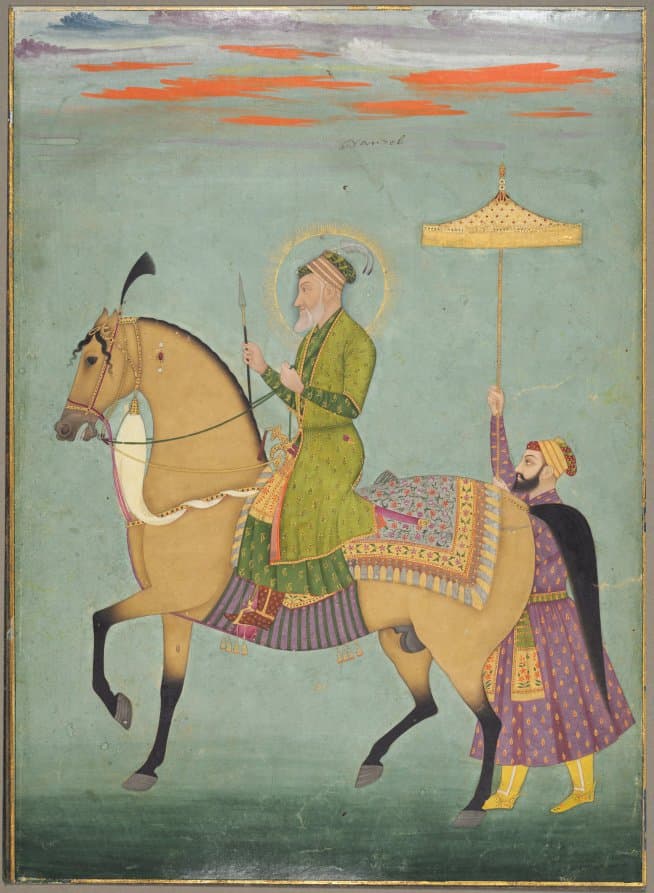
c. 1690–1710 · India, Mughal Dynasty (1526-1756)
The Emperor Alamgir (reigned 1658–1707) on Horseback
Artist not recorded · Gum tempera, gold, and silver on paper
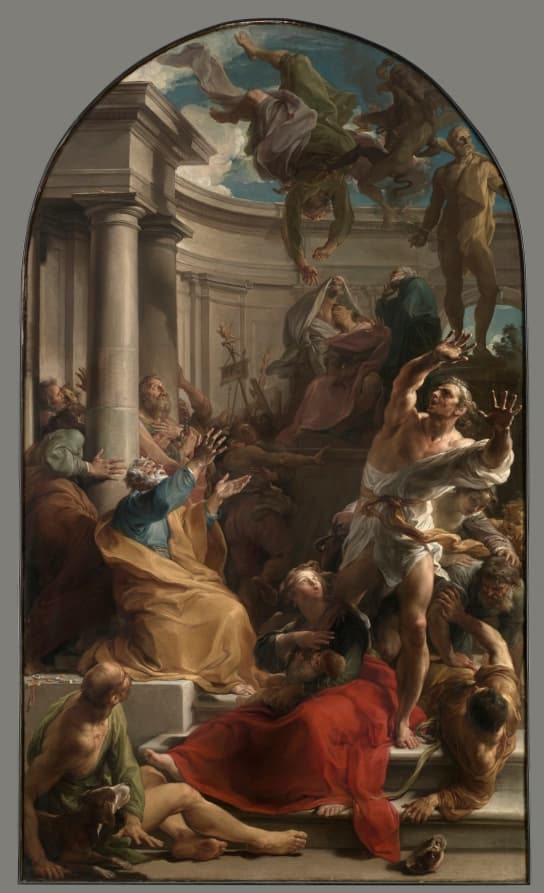
c. 1745–50 · Italy, 18th century
The Fall of Simon Magus
Pompeo Batoni (Italian, 1708–1787) · oil on canvas
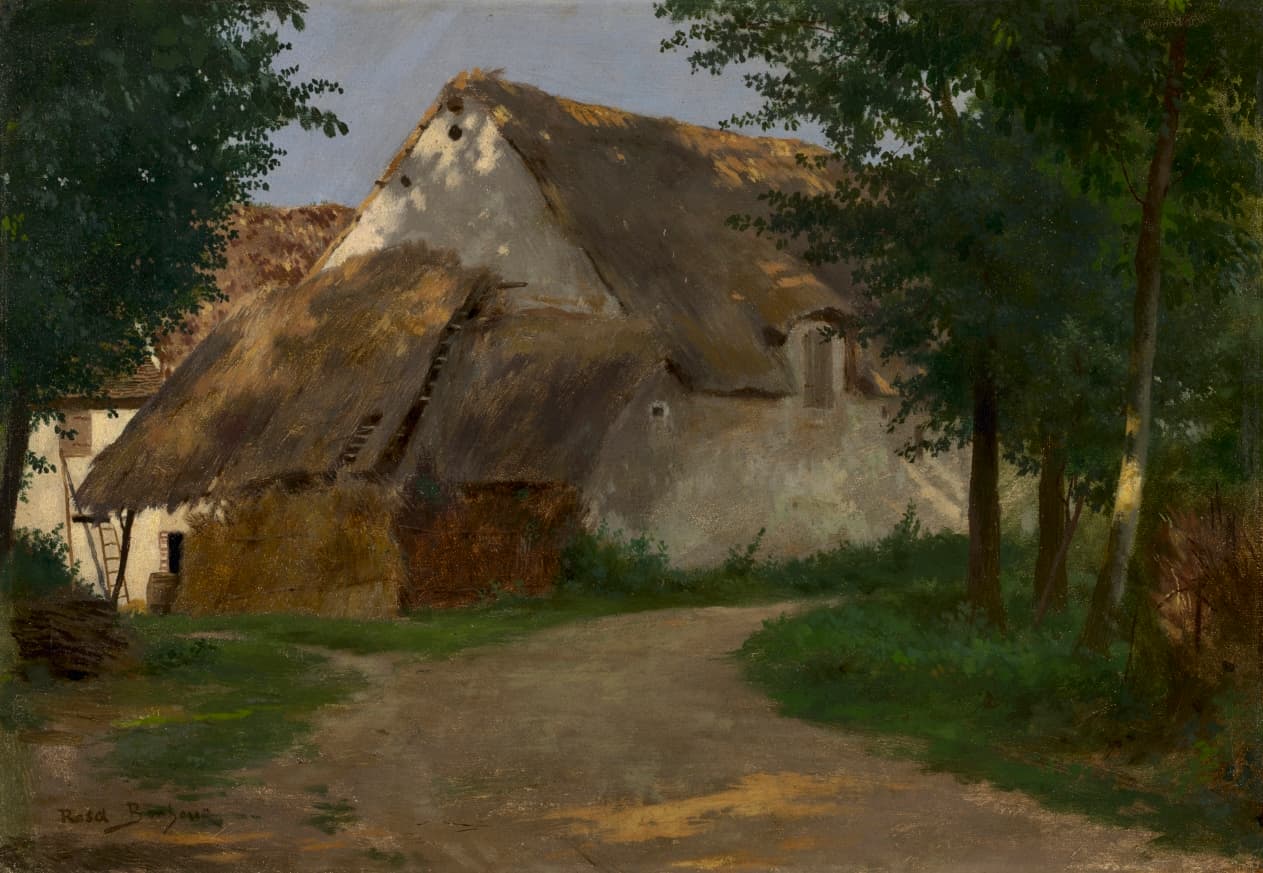
1860–80 · France, 19th century
The Farm at the Entrance of the Wood
Rosa Bonheur (French, 1822–1899) · oil on fabric
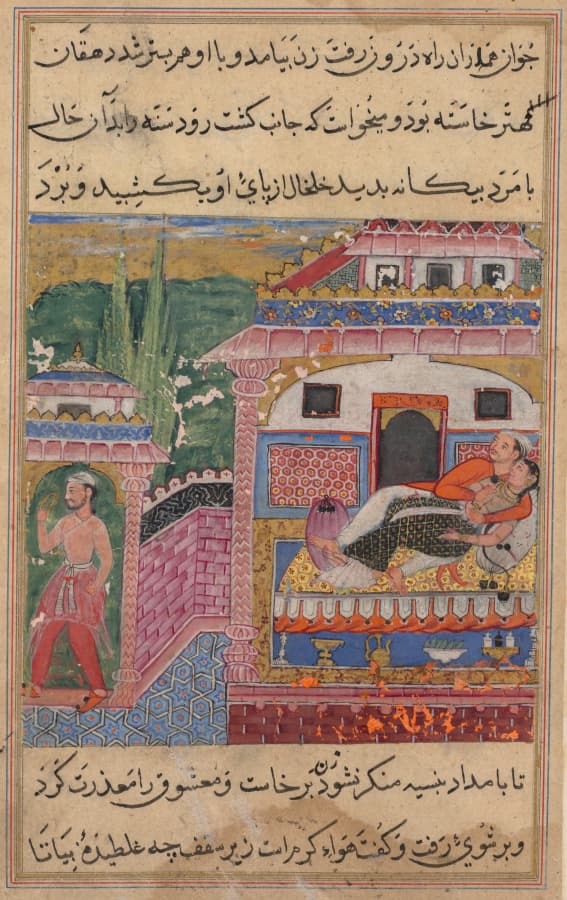
c. 1560 · Mughal India, court of Akbar (reigned 1556–1605)
The farmer, father of the son with the deceitful wife, steals away with her anklet while she is in bed with her lover, from a Tuti-nama (Tales of a Parrot): Eighth Night
Artist not recorded · gum tempera, ink, and gold on paper
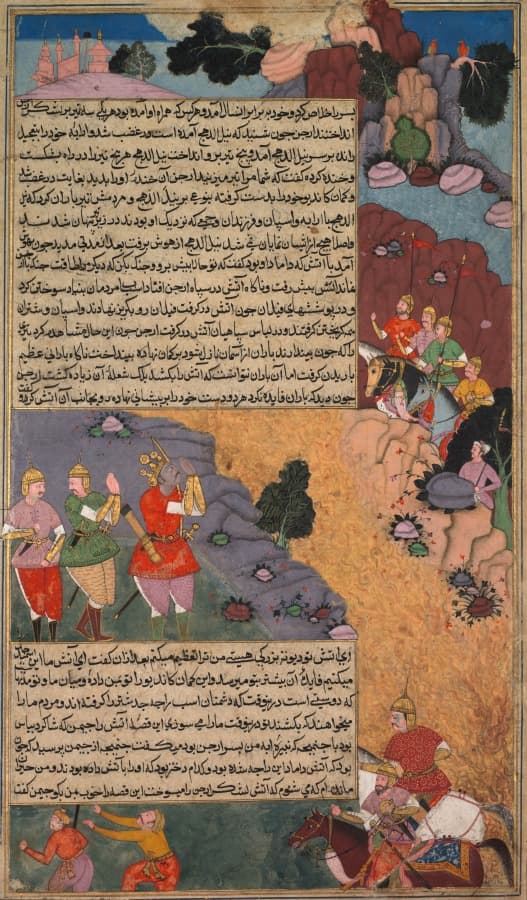
c. 1610–17 · India, Subimperial Mughal school, 17th century
The First Adventure of the White Horse, Page from the Khan Khanan's Razm Nama (Book of Wars)
Artist not recorded · Gum tempera, ink, and gold on paper
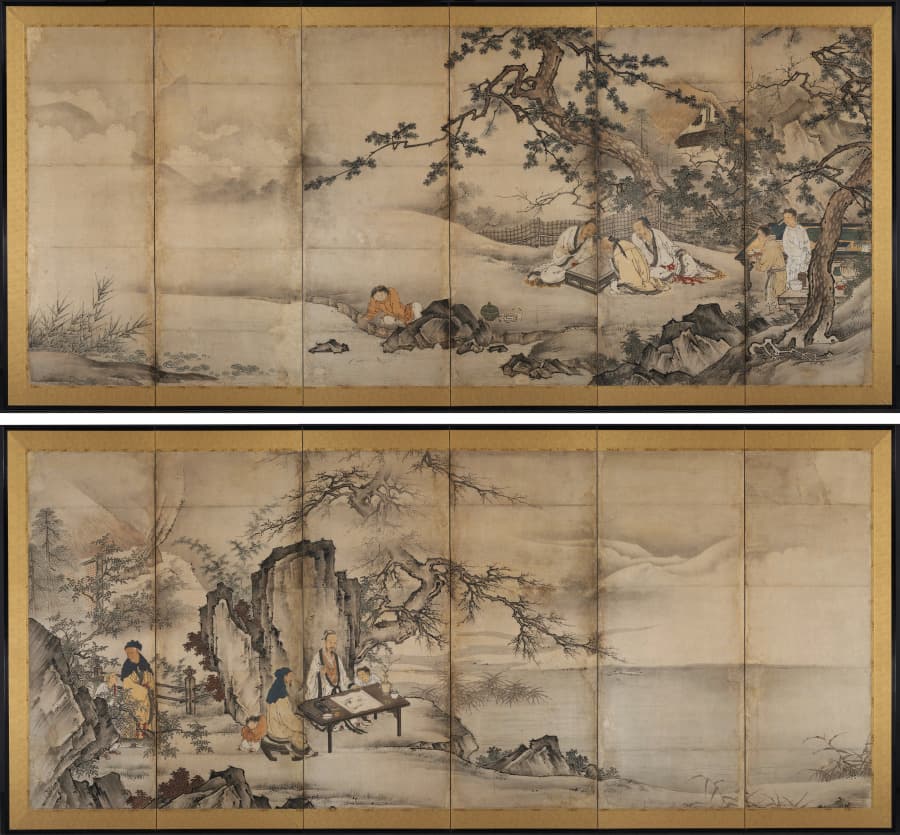
late 1500s–early 1600s · Japan, Momoyama period (1573–1615)
The Four Accomplishments
Kano Shōei (Japanese, 1519–1592) · pair of six-panel folding screens; ink and slight color on paper
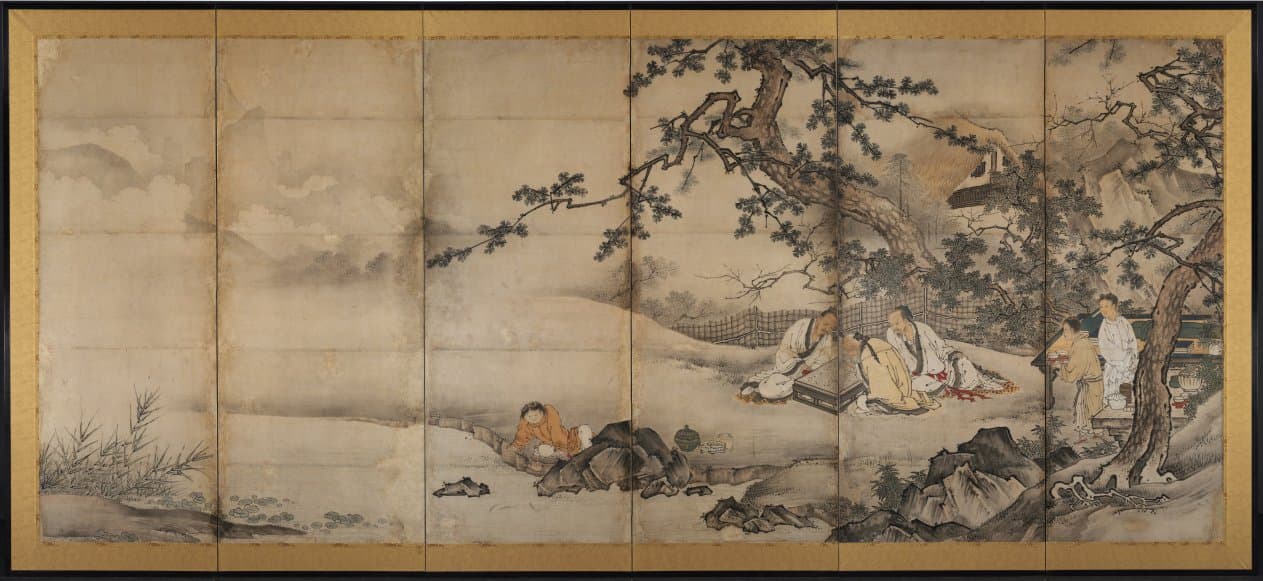
late 1500s–early 1600s · Japan, Momoyama period (1573–1615)
The Four Accomplishments
Kano Shōei (Japanese, 1519–1592) · One of a pair of six-panel folding screens; ink and slight color on paper
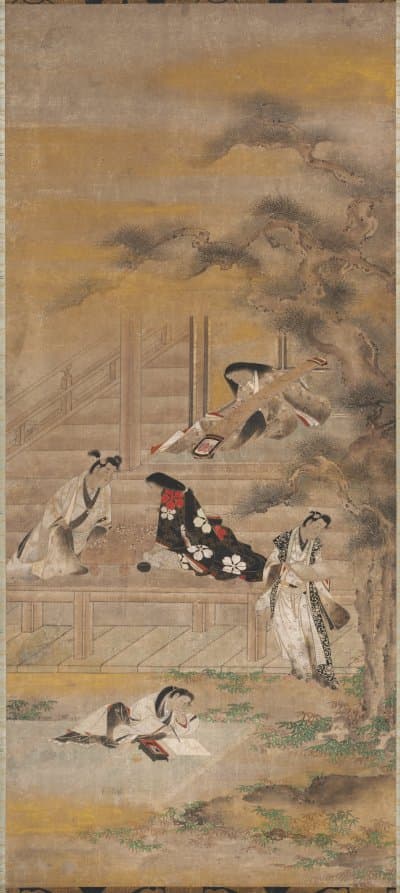
c. 1620–50 · Japan, Edo period (1615–1868)
The Four Accomplishments
Iwasa Matabei (Japanese, 1578–1650) · Hanging scroll; ink, color, and gold on paper
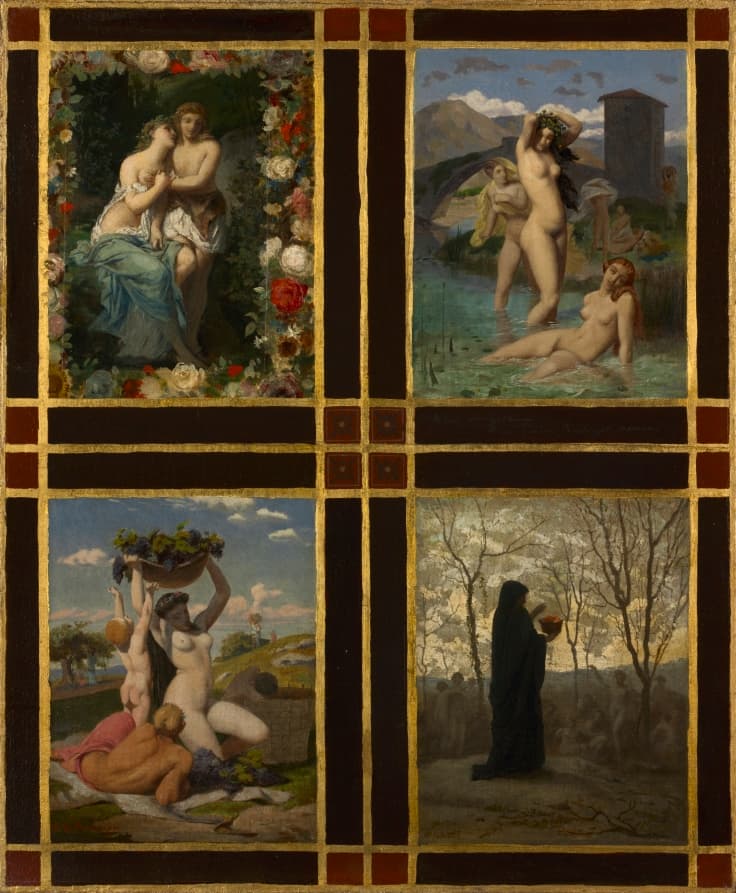
1850 · France, 19th century
The Four Seasons
Henry Picou (French, 1824–1895); Jean-Léon Gérôme (French, 1824–1904); Gustave Rodolphe Boulanger (French, 1824–1888); Jean-Louis Hamon (French, 1821–1874) · oil on fabric
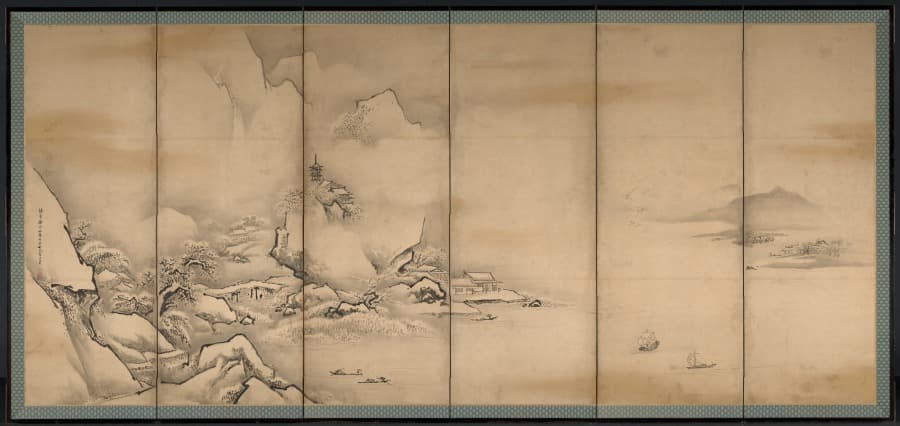
1668 · Japan, Edo period (1615–1868)
The Four Seasons
Kano Tan’yū (Japanese, 1602–1674) · Six-panel folding screen, ink and slight color on paper
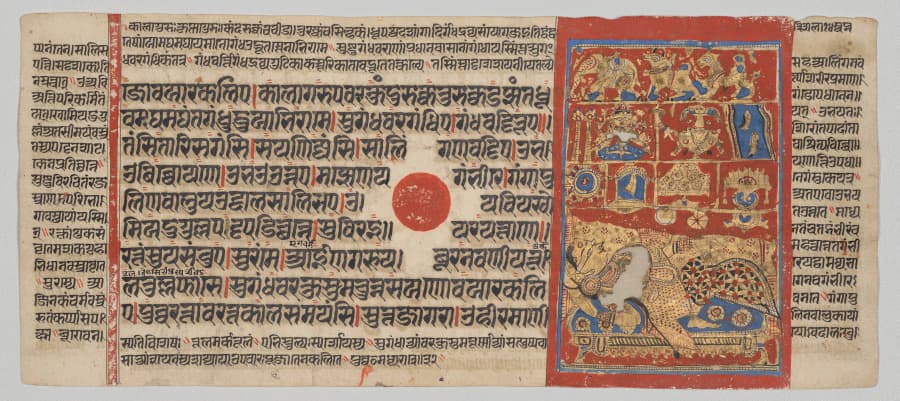
c. 1475–1500 · Western India, Gujarat
The Fourteen Dreams of Queen Trishala, folio 14 (recto), from a Kalpa-sutra
Artist not recorded · Gum tempera, ink, and gold on paper
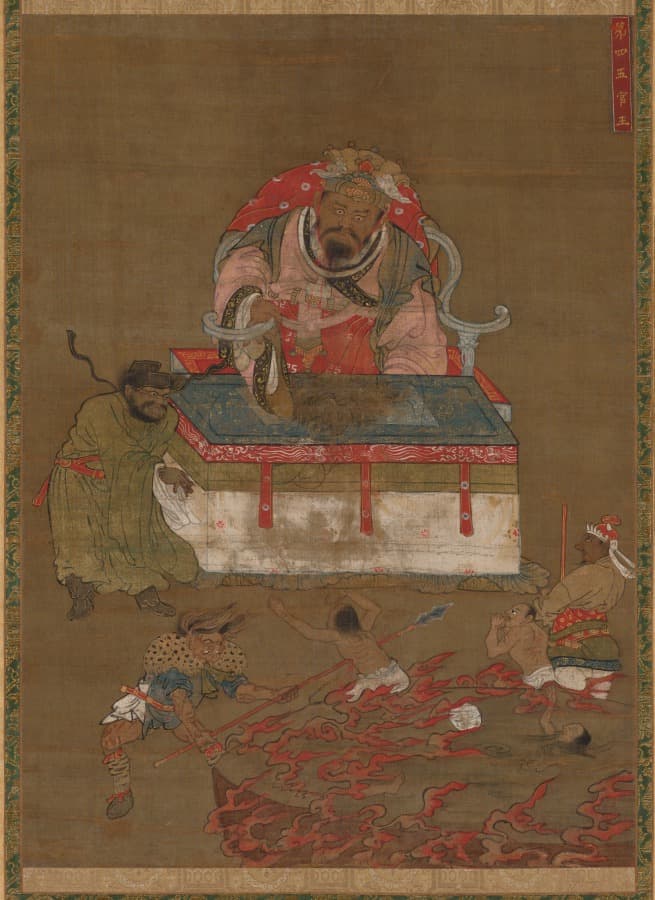
late 1300s · Korea, Goryeo dynasty (918–1392)
The Fourth King of Hell
Artist not recorded · Hanging scroll; ink, color, and gold ink on silk
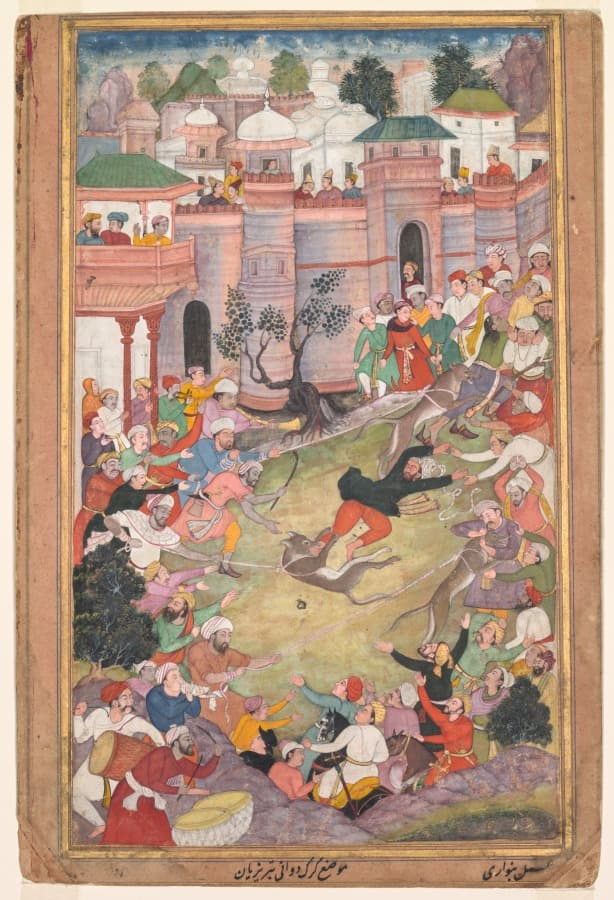
c. 1595–1600 · Museum collection
The game of wolf-running in Tabriz, from an Akbar-nama (Book of Akbar)
Banavari 1 (Indian, active 1550s-1590s) · Gum tempera, ink, and gold on paper
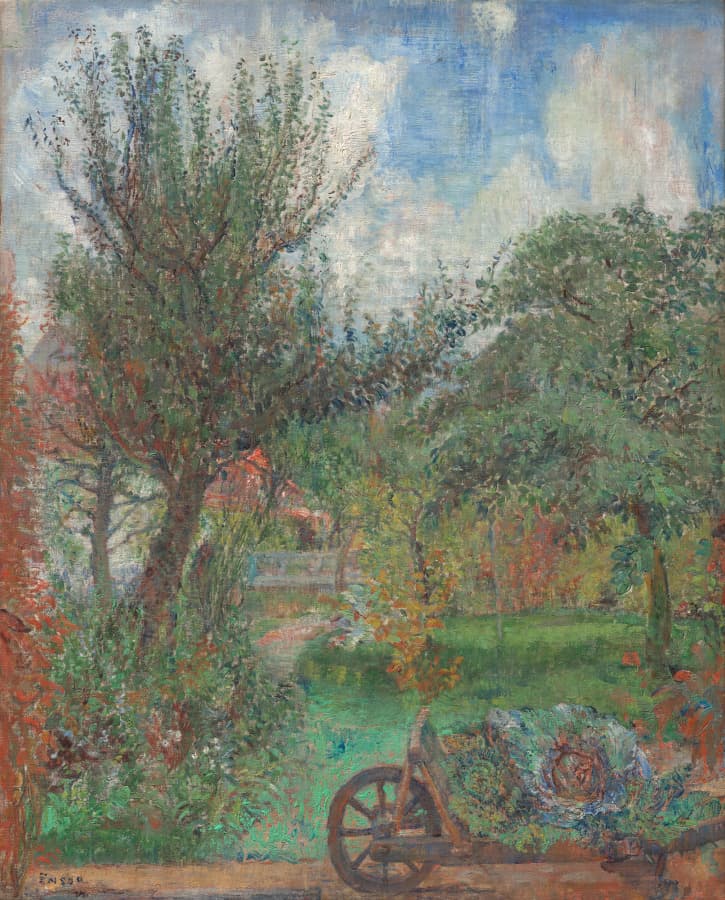
1885 · Belgium, 19th century
The Garden of the Rousseau Family
James Ensor (Belgian, 1860–1949) · oil on fabric
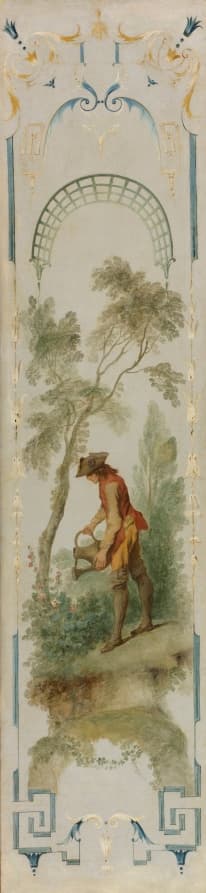
c. 1723–27 · France
The Gardener
Nicolas Lancret (French, 1690–1743) · oil on canvas
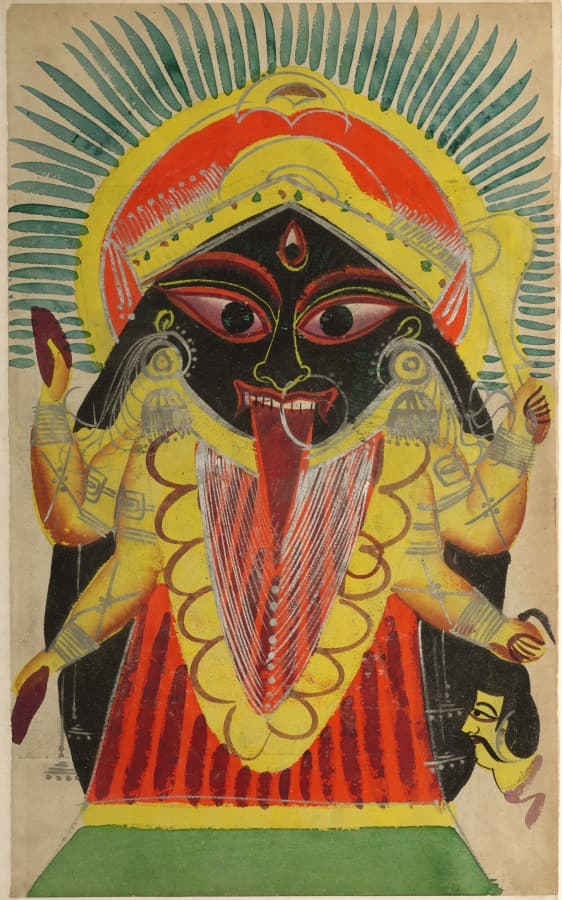
c. 1890 · Eastern India, Bengal, Kolkata, Kalighat
The Goddess Kali (recto), from a Kalighat album
Artist not recorded · Gum tempera, graphite, ink, and tin on paper
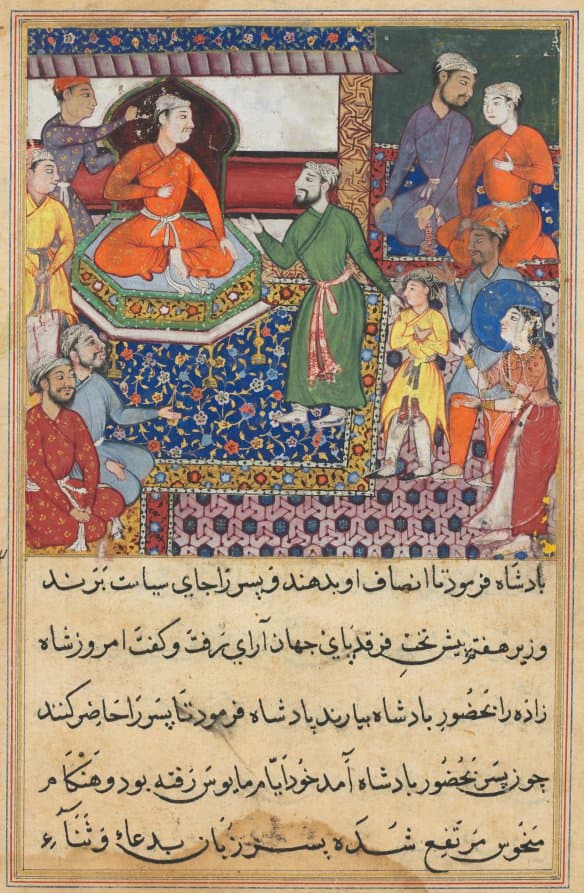
c. 1560 · Mughal India, court of Akbar (reigned 1556–1605)
The handmaiden again pleads for the death of the prince, from a Tuti-nama (Tales of a Parrot): Eighth Night
Lalu (Indian, active mid-1500s) · gum tempera, ink, and gold on paper
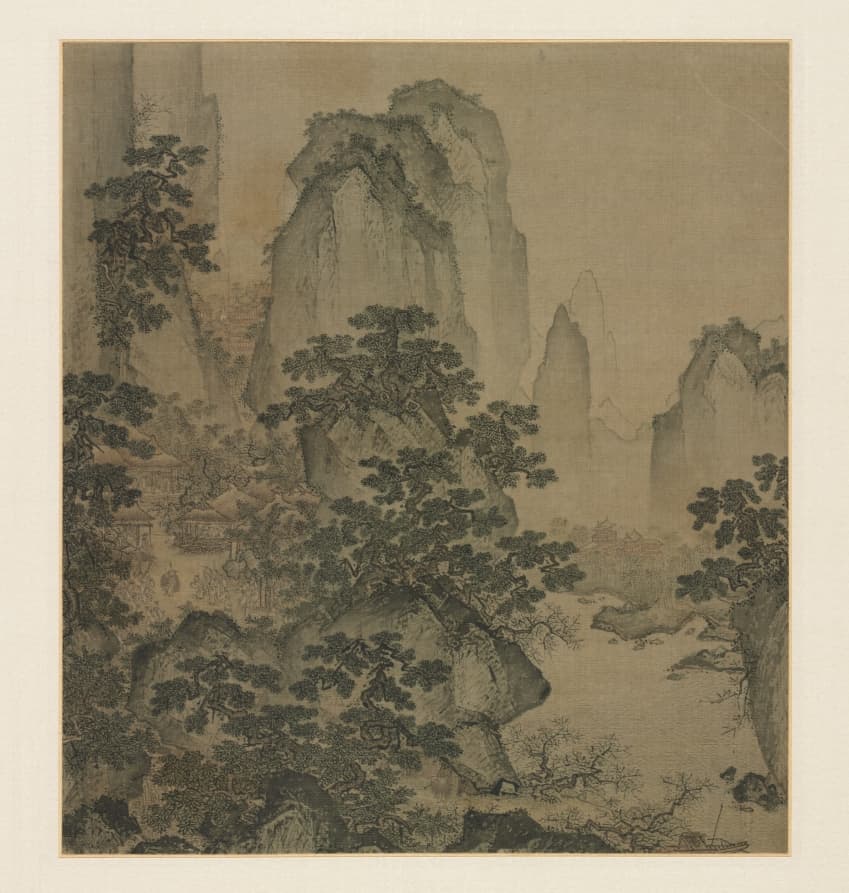
mid-1400s · China, Ming dynasty (1368–1644)
The Haven of the Peach-Blossom Spring
Shi Rui (Chinese, c. 1400-c. 1470) · Album leaf; ink and slight color on silk
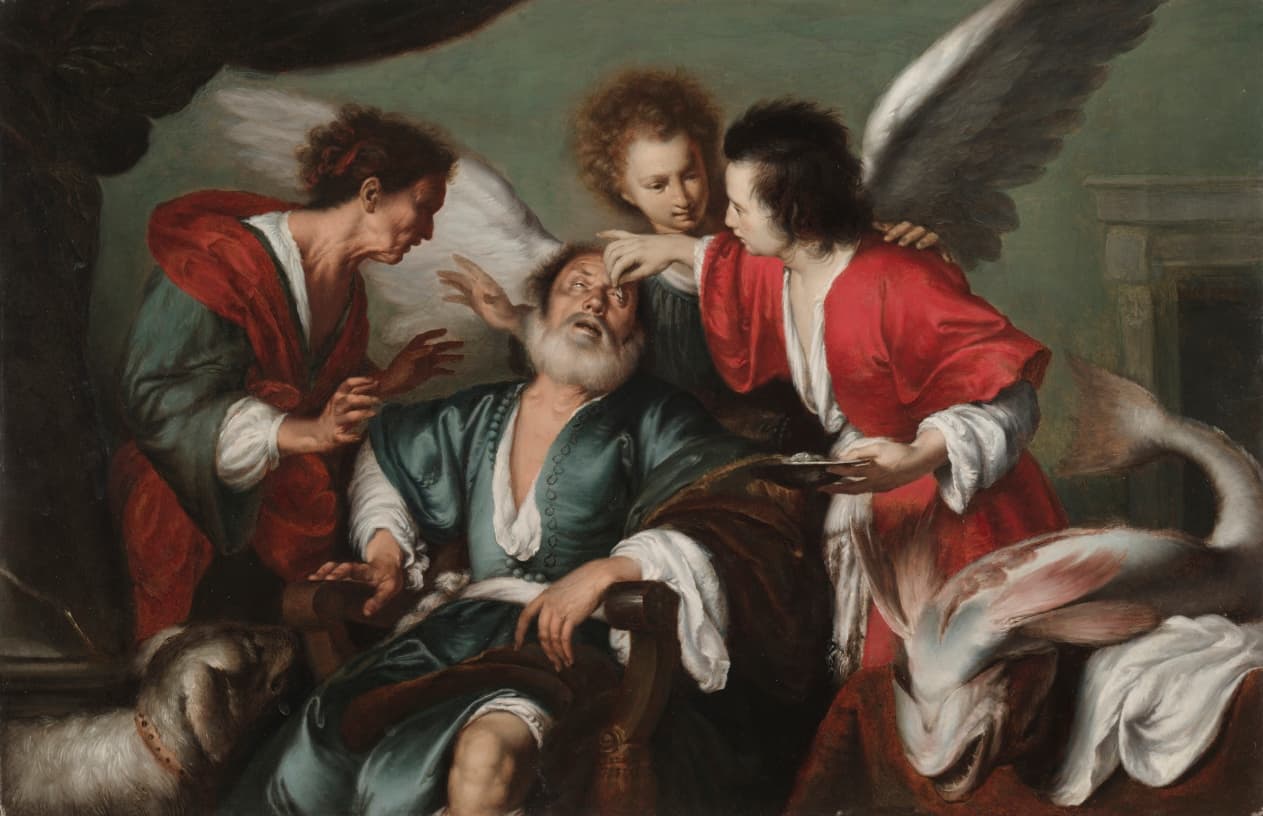
c. 1625 · Italy
The Healing of Tobit
Bernardo Strozzi (Italian, 1581?-1644) · oil on wood
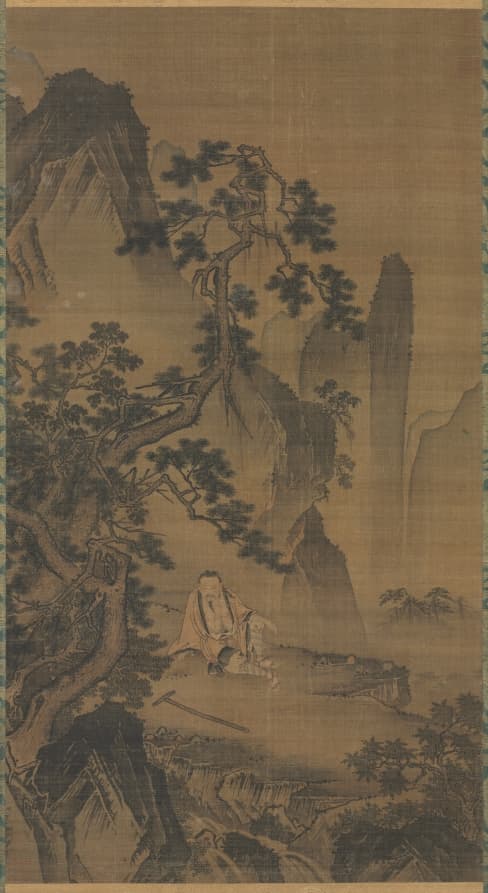
1400s · China, Ming dynasty (1368–1644)
The Hermit Xu You Resting by a Stream
Dai Jin (Chinese, 1388–1462) · Hanging scroll; ink and slight color on silk
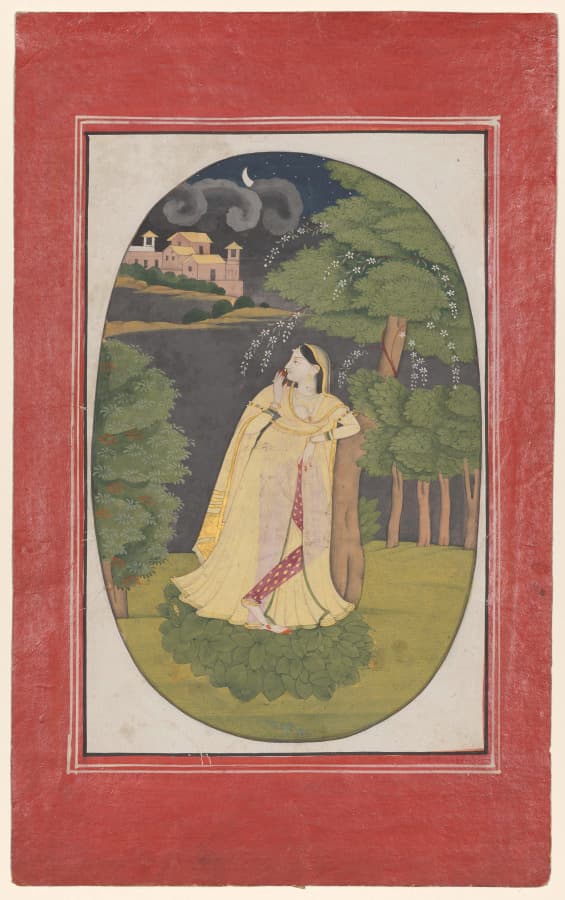
c. 1800 · Northern India, Pahari kingdoms
The heroine who waits anxiously for her absent lover (Utka Nayika)
Artist not recorded · Gum tempera on paper
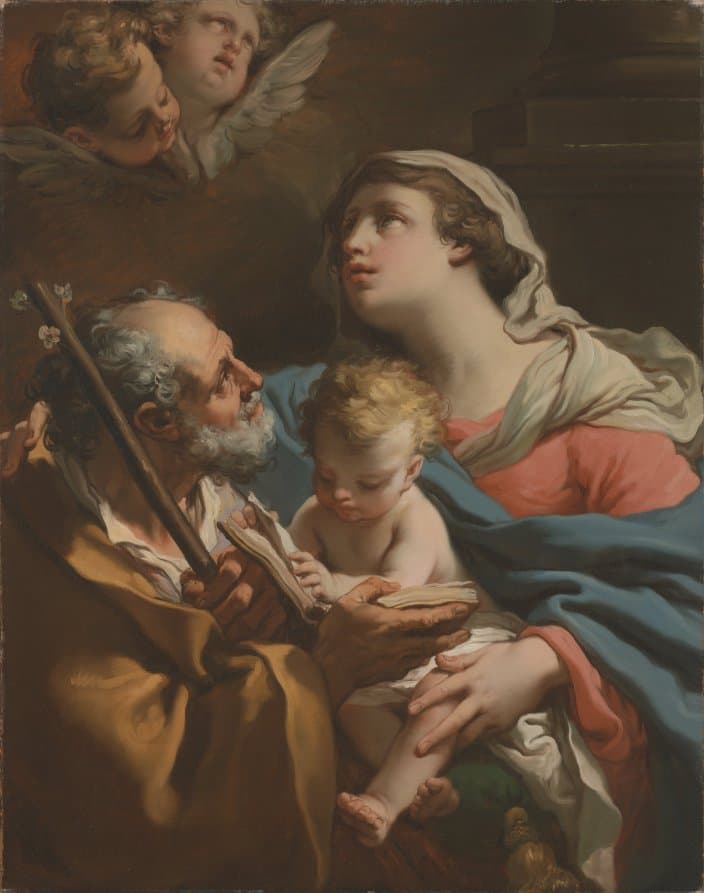
1776 · Italy, 18th century
The Holy Family
Gaetano Gandolfi (Italian, 1734–1802) · oil on canvas
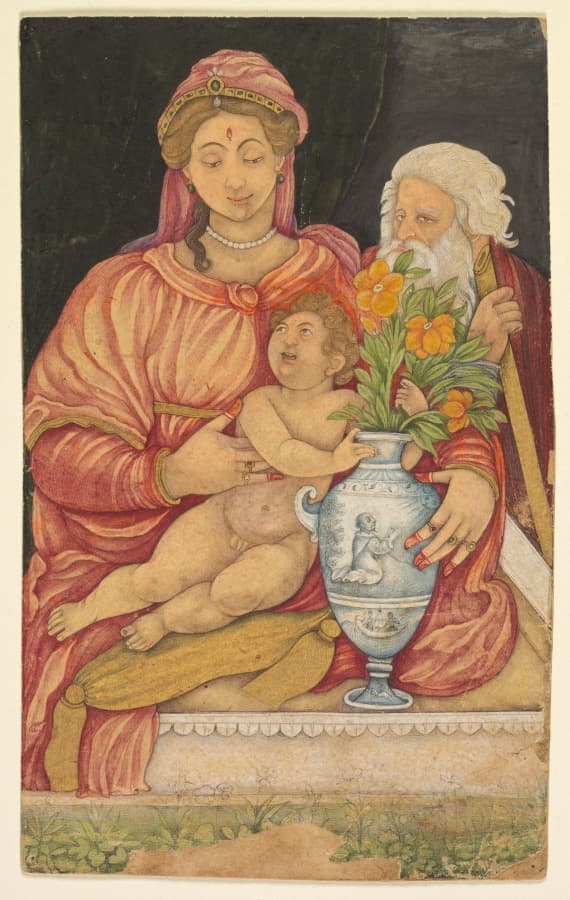
c. 1620s · Northern India, Mughal court, early 17th century
The Holy Family
Artist not recorded · Gum tempera and gold on paper
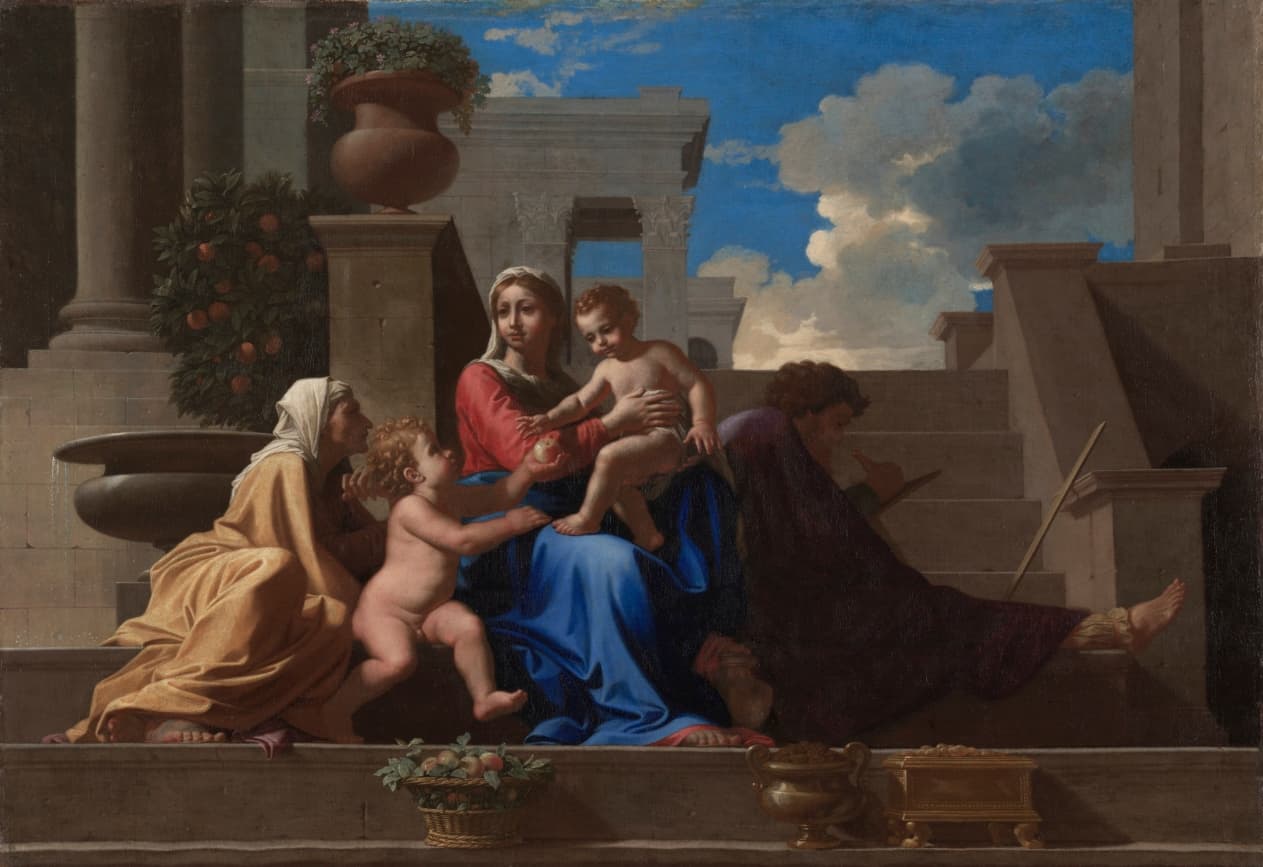
1648 · France
The Holy Family on the Steps
Nicolas Poussin (French, 1594–1665) · oil on canvas