The collector’s art library
Painting studies · 13
Explore 1,200 paintings through museum context, material records and interactive scale studies. Notice what you respond to, then use those observations to describe the art you want in your own space.
The reference works belong to the Cleveland Museum of Art’s collection and are not offered for sale here. Records and images use the museum’s CC0 open-access release; there is no museum partnership. Sources and methodology.
Studies 289–312 of 1200
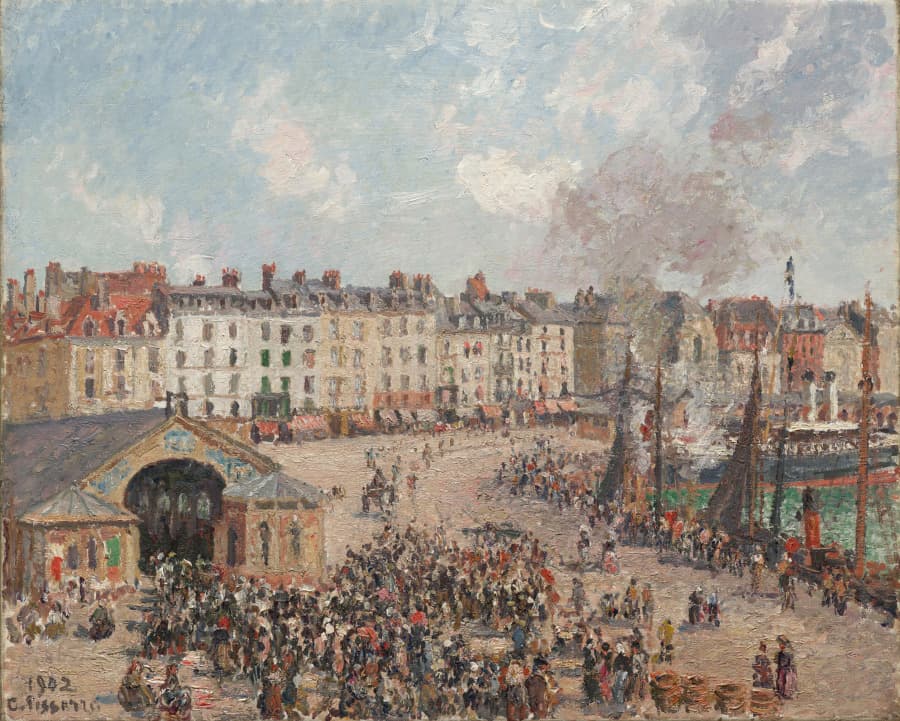
1902 · France, 20th century
Fishmarket
Camille Pissarro (French, 1830–1903) · oil on canvas
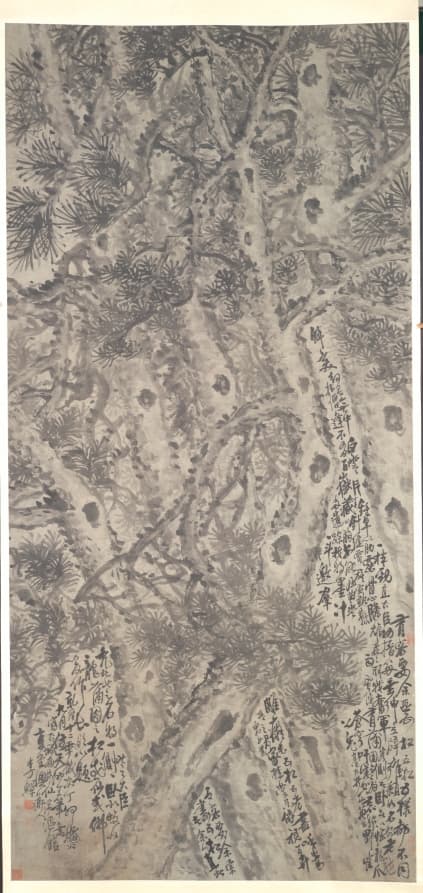
1747 · China, Qing dynasty (1644–1911), Qianlong reign (1736–95)
Five Pine Trees
Li Shan (Chinese, c. 1686–1762) · Hanging scroll; ink on paper
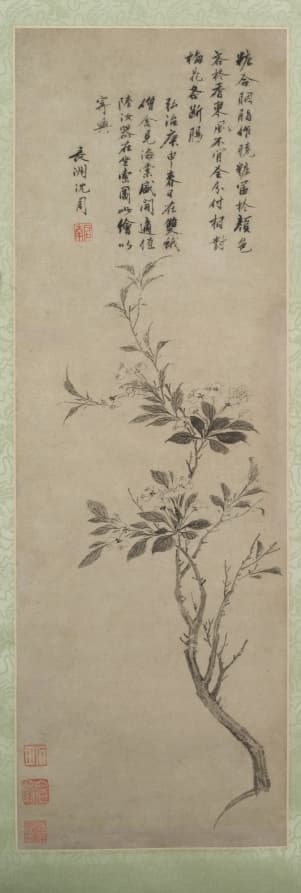
1500 · China, Ming dynasty (1368–1644)
Flowering Crab Apple
Shen Zhou (Chinese, 1427–1509) · hanging scroll, ink on paper
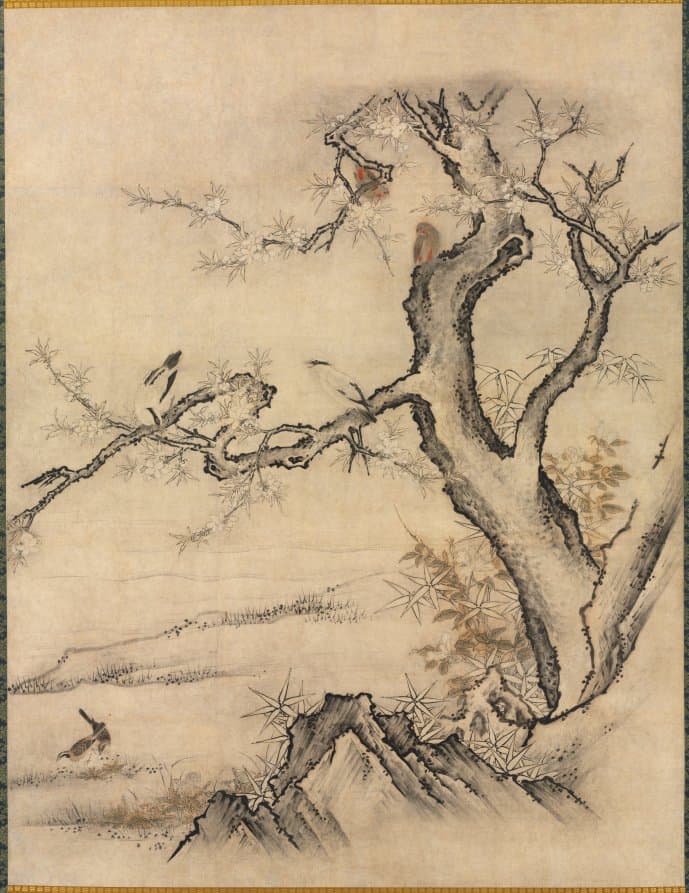
1500s · Japan, Muromachi period (1392–1573)
Flowers and Birds in a Spring Landscape
Kano Motonobu (Japanese, c. 1476–1559) · One of a set of sliding door panels mounted as hanging scrolls; ink and color on paper
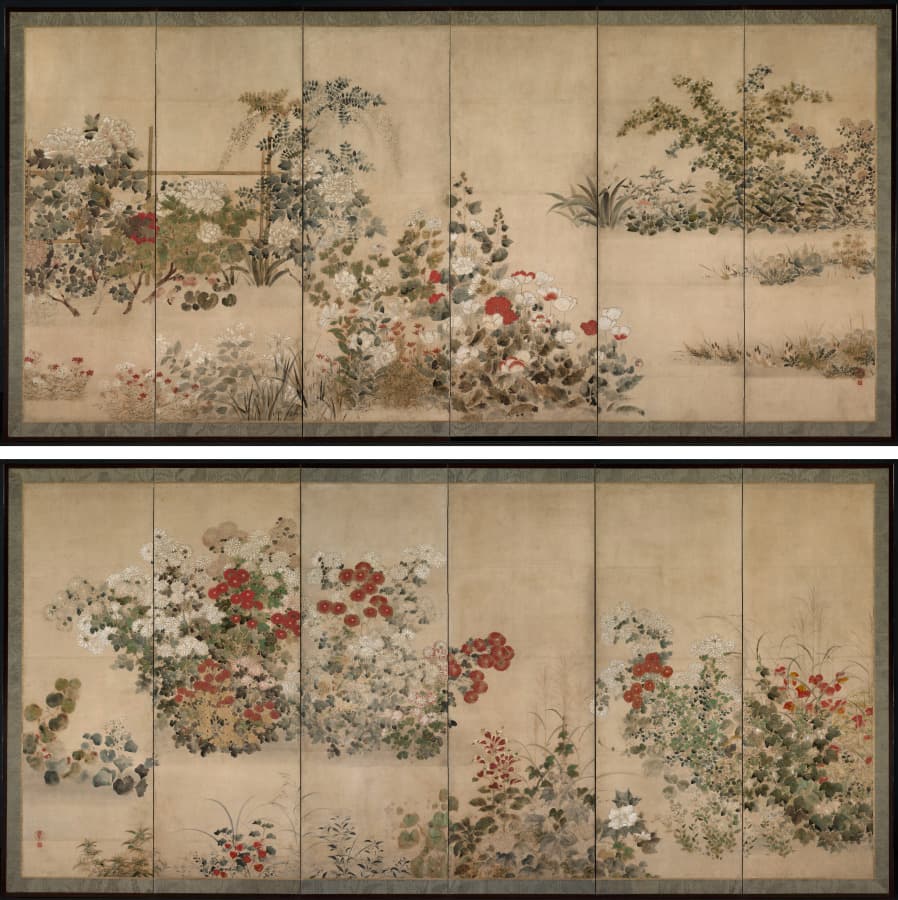
mid-1600s · Japan, Edo period (1615–1868)
Flowers and Grasses
Kitagawa Sōsetsu (Japanese, active 1639–50) · Pair of six-panel folding screens; ink and color on paper
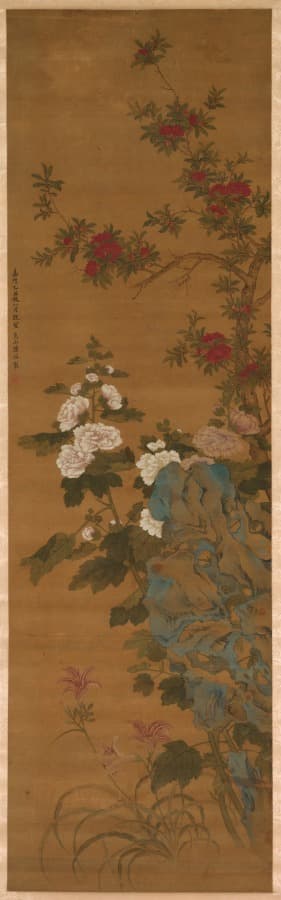
1368–1644 · China, Ming dynasty (1368–1644)
Flowers and Rocks
Artist not recorded · hanging scroll; color on silk
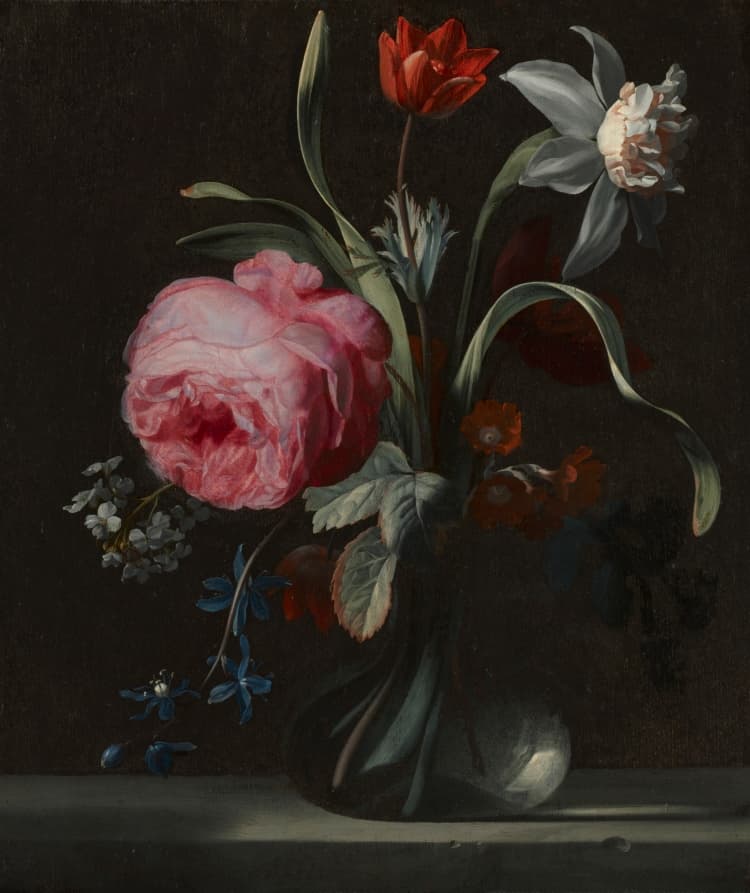
c. 1669 · Netherlands
Flowers in a Vase
Simon Verelst (Dutch, 1644–1721) · oil on wood

1531 · China, Ming dynasty (1368–1644)
Flowers of Four Seasons, with Poems
Wang Guxiang (Chinese, 1501–1568) · handscroll; ink and light color on silk
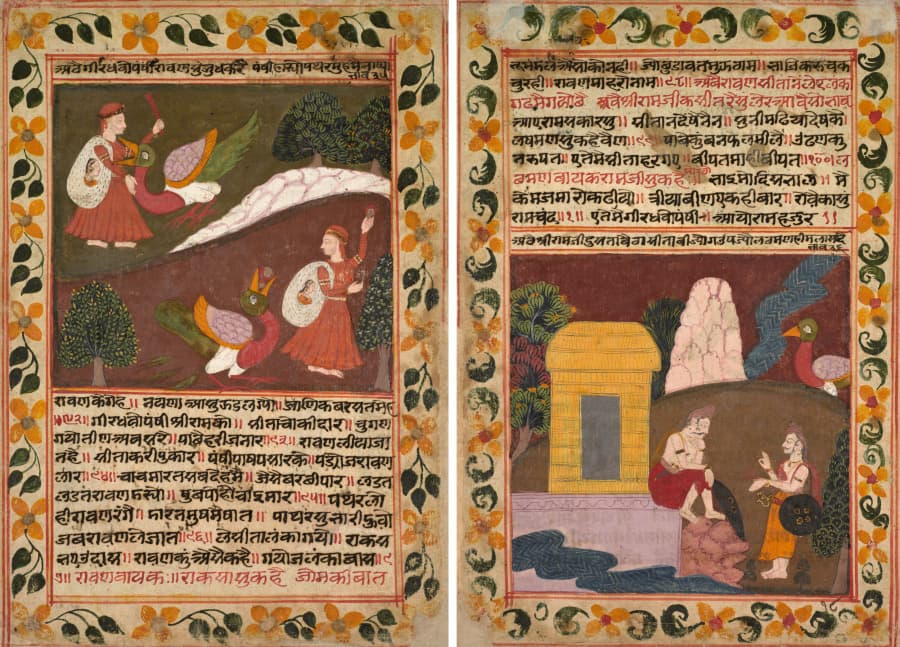
1744–45 · Northwestern India, Rajasthan, Rajput Kingdom of Kishangarh
Folio 18 from a Chandana Malayagiri Varta (Story of King Chandana and Queen Malayagiri) of Karamachand: Ravana battles the great vulture Jatayu and defeats him by throwing stones in his mouth (recto); Jatayu approaches Rama and Lakshmana who are wondering where Sita could be (verso)
Artist not recorded · Gum tempera, ink, and gold on paper
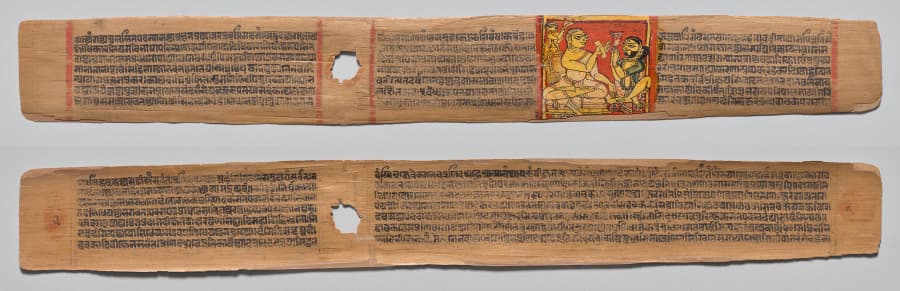
1428 · Western India, Gujarat, possibly Patan
Folio 2, from a Great Poem about Twos (Dvyashraya Mahakavya) of Hemachandra with Commentary by Abhayatilaka
Artist not recorded · gum tempera and ink on palm leaf
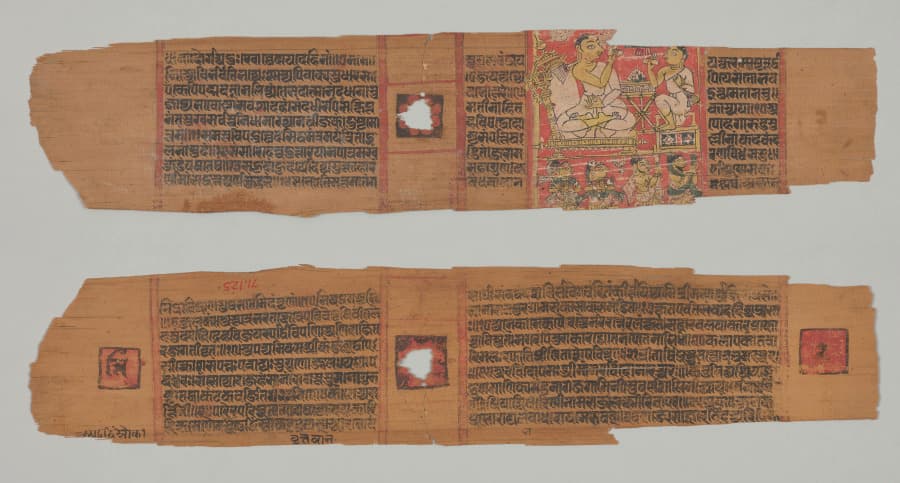
c. 1275–1300 · Western India, Gujarat
Folio 2 from a Parshvanatha Charitra (Life and Stories of Lord Parshva) of Bhavadeva-suri: Monk preaching to a disciple with a lay audience (recto); Text (verso)
Artist not recorded · Gum tempera and ink on palm leaf
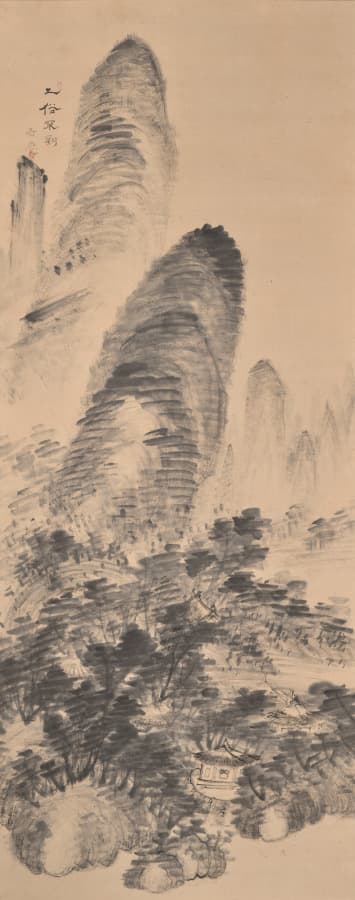
late 1800s-early 1900s · Japan, Edo period (1615–1868)
Forbidden to the Vulgar
Uragami Gyokudō (Japanese, 1745–1820) · hanging scroll; ink on paper
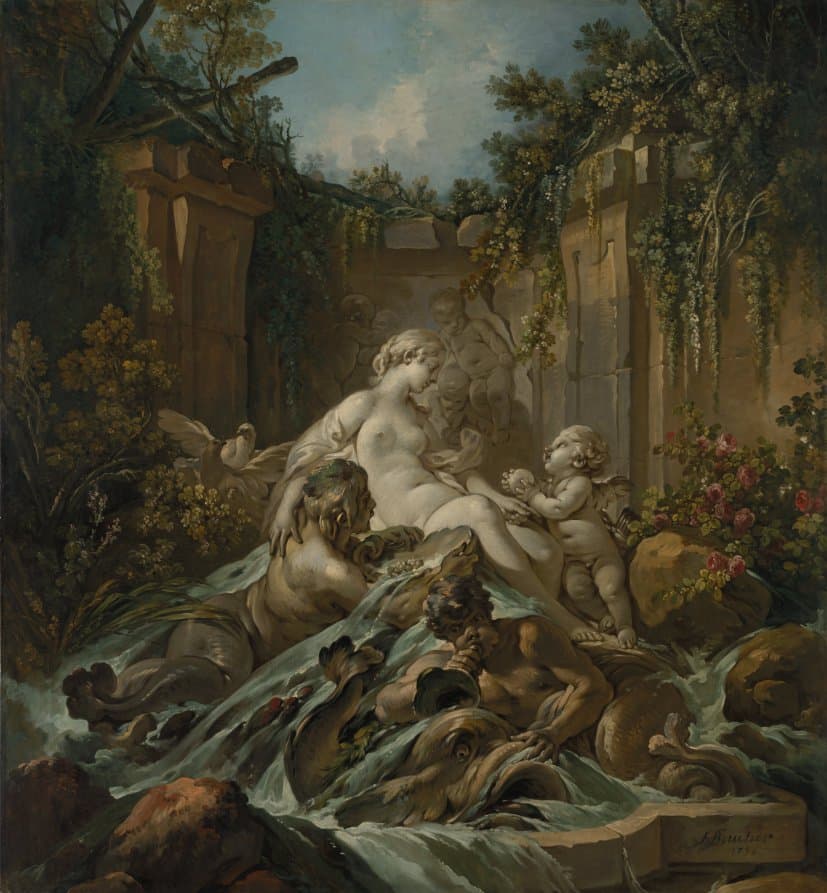
1756 · France
Fountain of Venus
François Boucher (French, 1703–1770) · oil on canvas
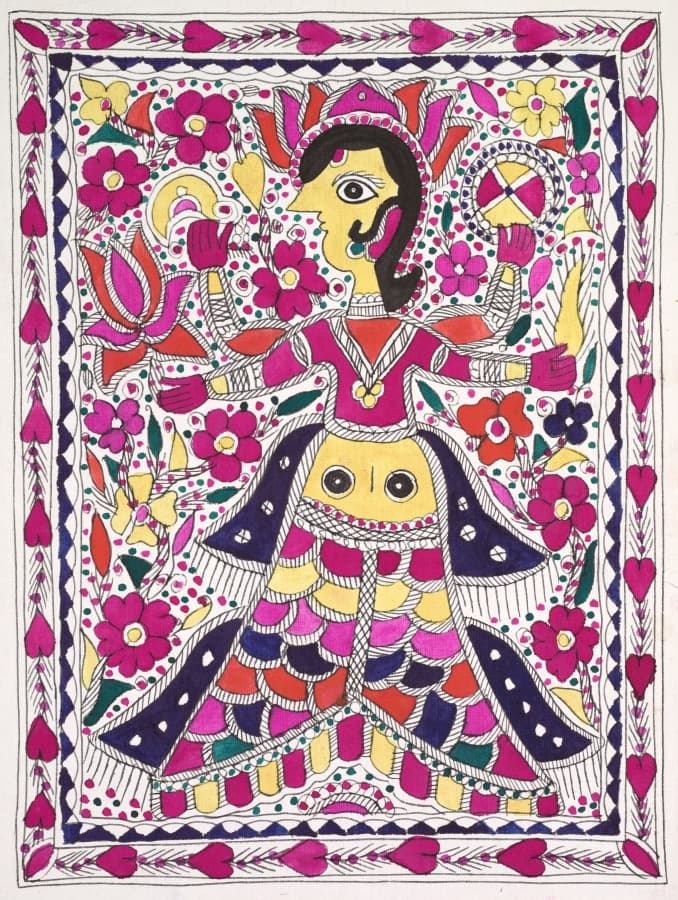
1900s · Eastern India, Bihar, Mithila region
Four-armed goddess, with hearts in margin
Artist not recorded · ink and color on paper
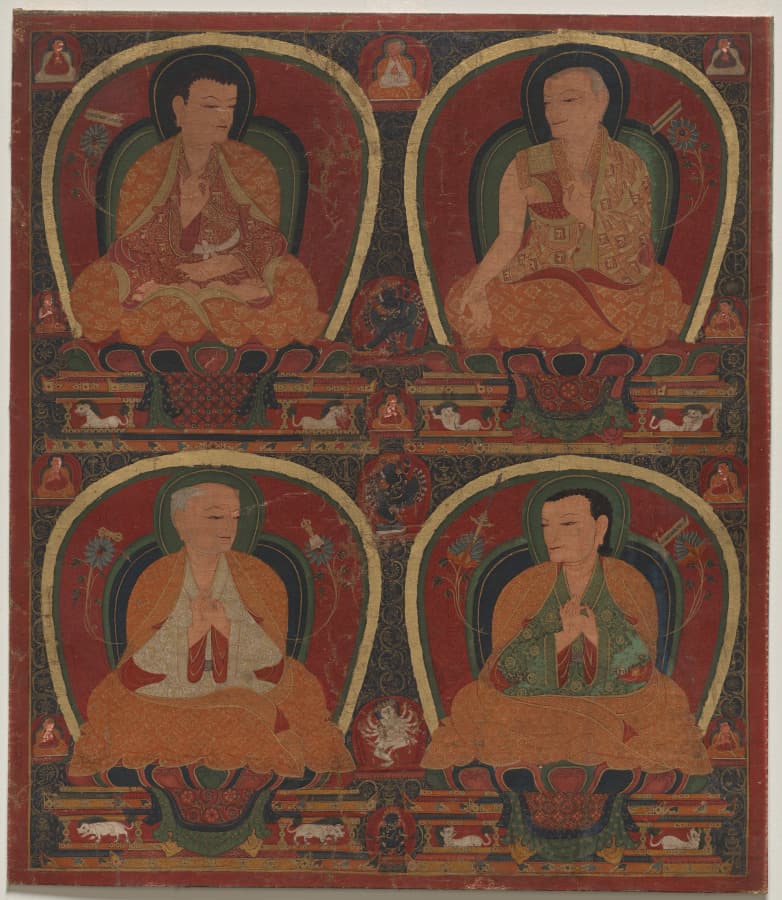
c. 1450 · Central Tibet, Ngor monastery
Four seated Masters
Artist not recorded · Gum tempera and gold on cotton
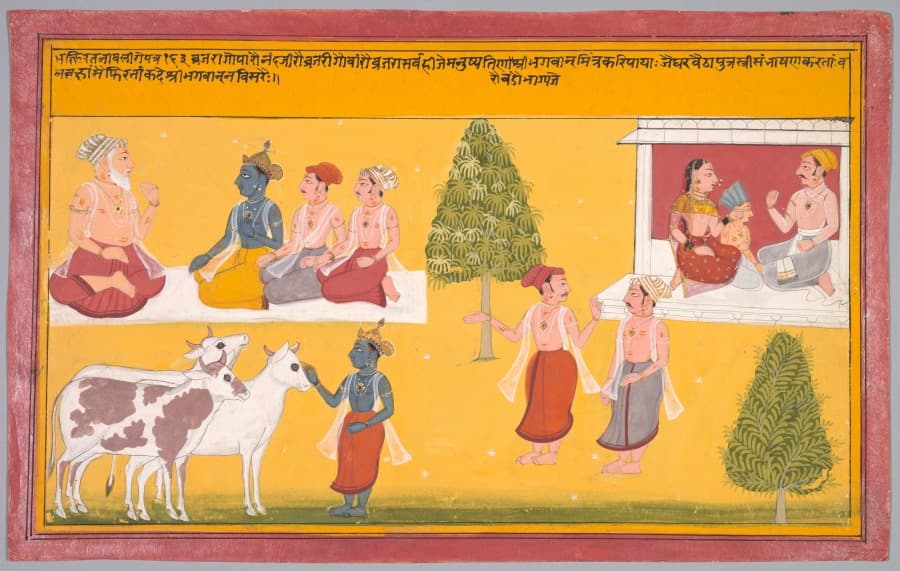
1725–50 · Northwestern India, Rajasthan, Rajput Kingdom of Mewar
Friends of Krishna, folio 163 from a Bhakti Ratnavali of Vishnu Puri
Artist not recorded · Gum tempera and gold on paper
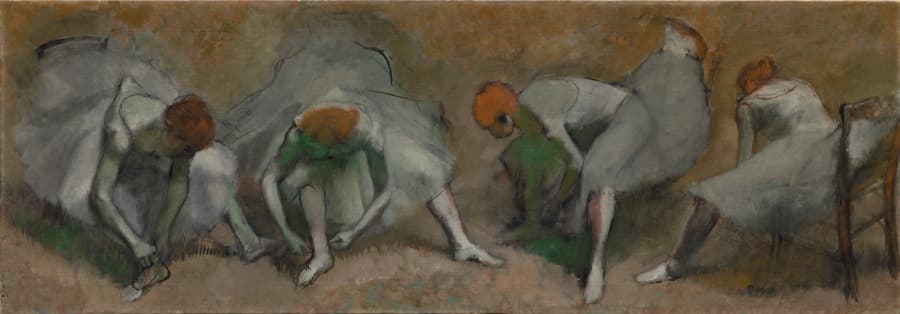
c. 1895 · France, 19th century
Frieze of Dancers
Edgar Degas (French, 1834–1917) · oil on fabric
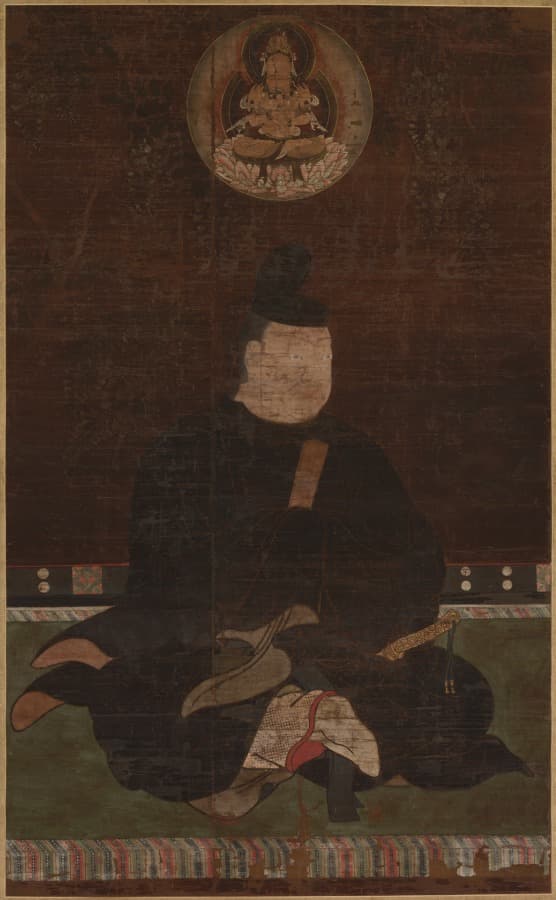
1200s or 1300s · Japan, Kamakura period (1185–1333)
Fujiwara no Muchimaro
Artist not recorded · Hanging scroll; ink, color, gold, and cut gold on silk
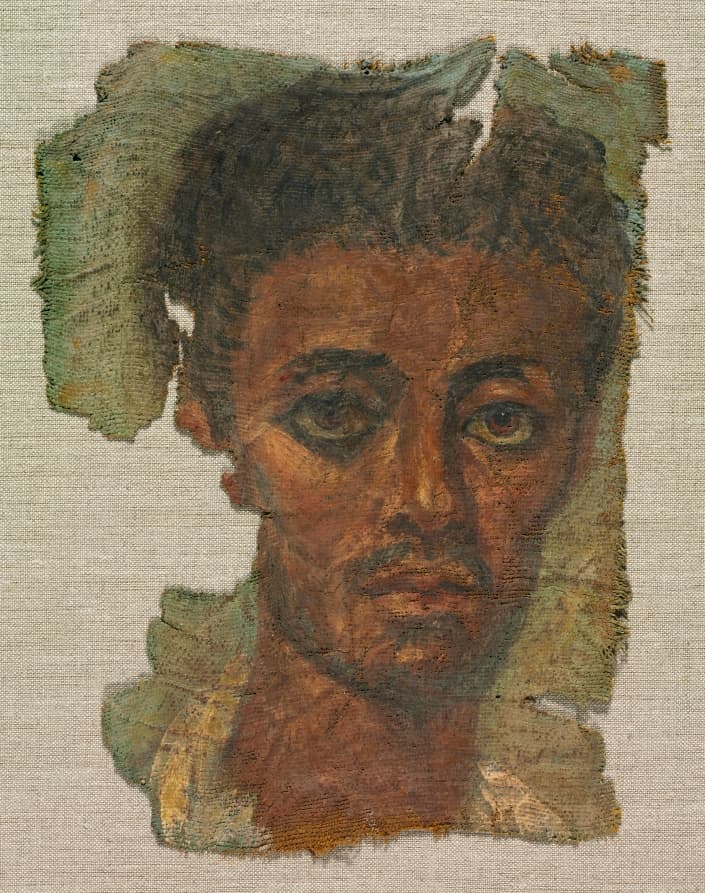
about 138–92 CE · Antonine-era Roman Empire (Egypt), unknown painter
Funerary Panel of a Man
Artist not recorded · encaustic on linen
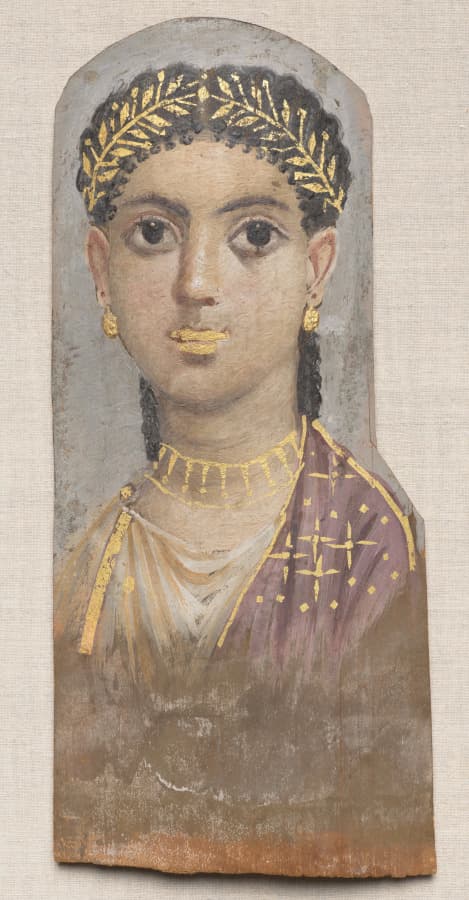
c. 25–37 CE · Egypt, Roman Empire, late Tiberian
Funerary Portrait of a Young Girl
Artist not recorded · encaustic on linden wood
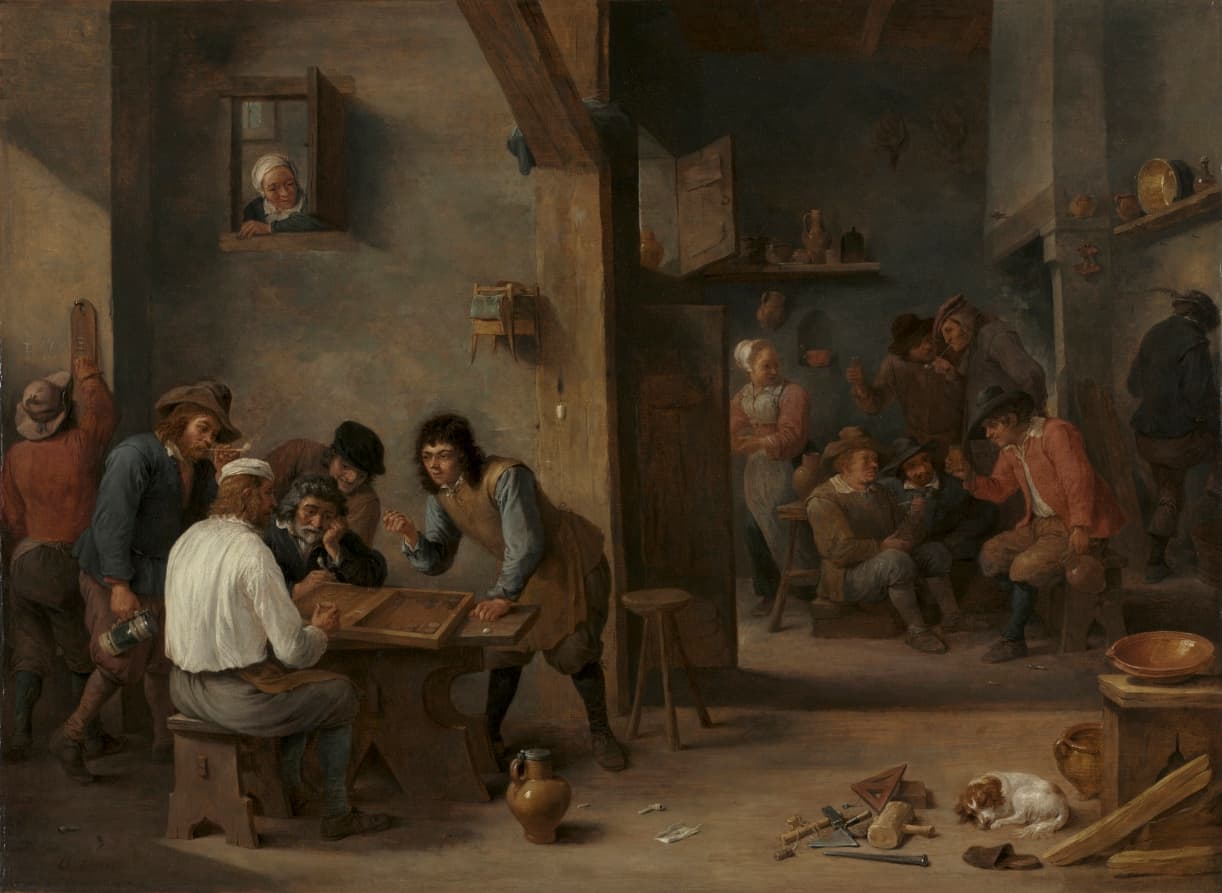
1640s · Flanders
Game of Backgammon
David Teniers (Flemish, 1610–1690) · oil on wood, transferred to canvas
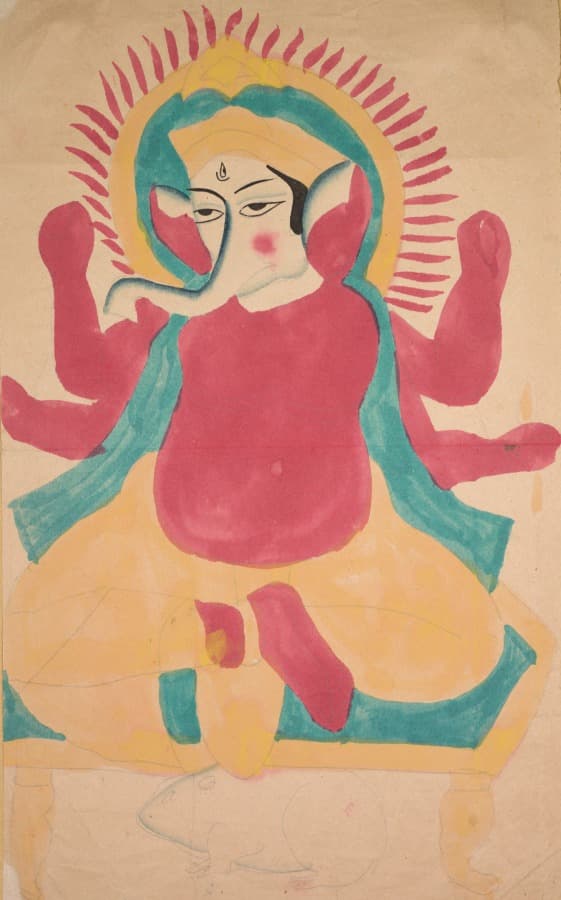
c. 1890 · Eastern India, Bengal, Kolkata, Kalighat
Ganesha
Artist not recorded · Gum tempera, graphite, and ink on paper
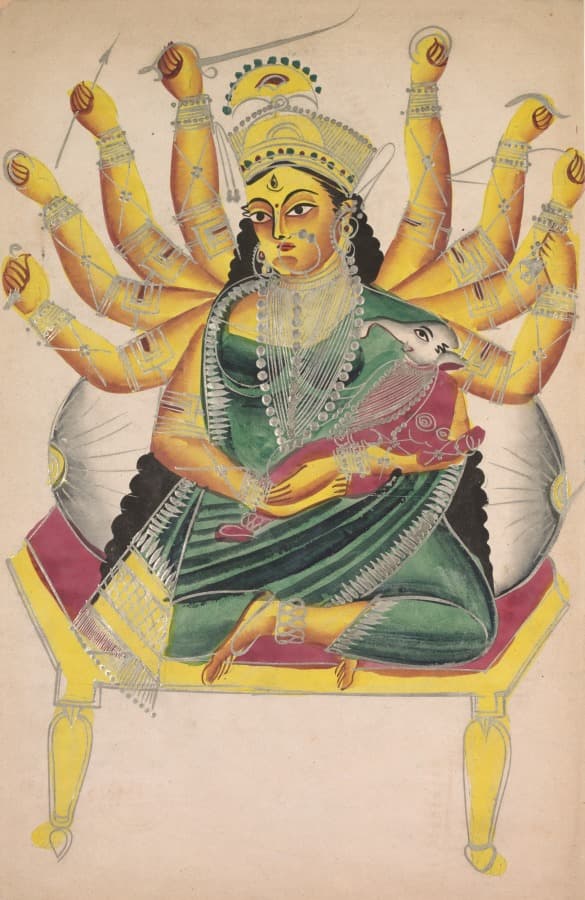
c. 1890 · Eastern India, Bengal, Kolkata, Kalighat
Ganesha-Janani (Mother of Ganesh)
Artist not recorded · Gum tempera, graphite, ink, and tin on paper

1515–52 · China, Ming dynasty (1368–1644)
Garden for Solitary Enjoyment
Qiu Ying (Chinese, 1494–1552) · Handscroll; ink and light color on silk