The collector’s art library
Painting studies · 34
Explore 1,200 paintings through museum context, material records and interactive scale studies. Notice what you respond to, then use those observations to describe the art you want in your own space.
The reference works belong to the Cleveland Museum of Art’s collection and are not offered for sale here. Records and images use the museum’s CC0 open-access release; there is no museum partnership. Sources and methodology.
Studies 793–816 of 1200
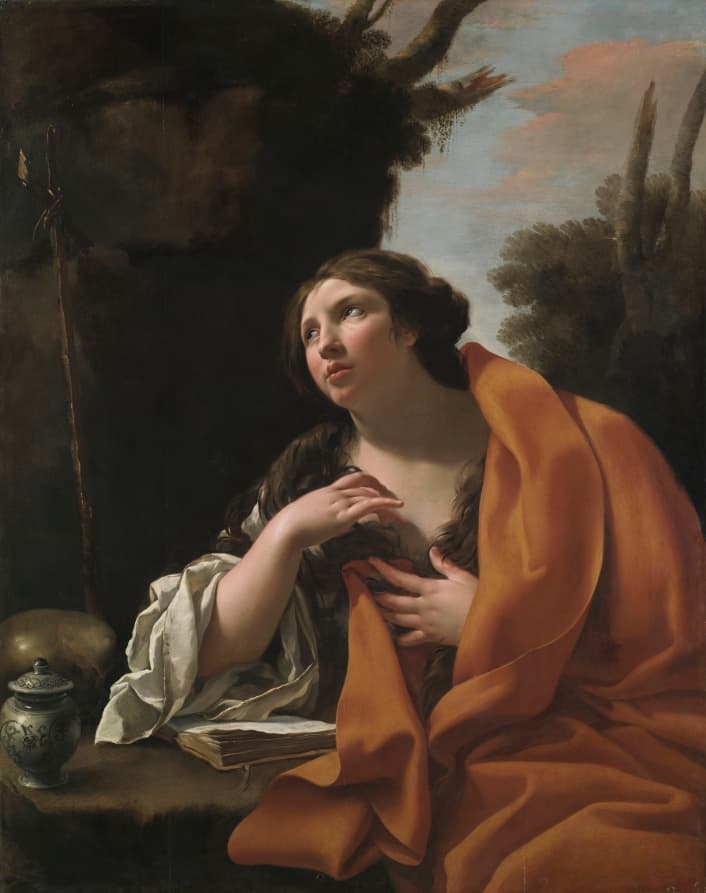
c. 1630 · France
Saint Mary Magdalen
Simon Vouet (French, 1590–1649) · oil on panel
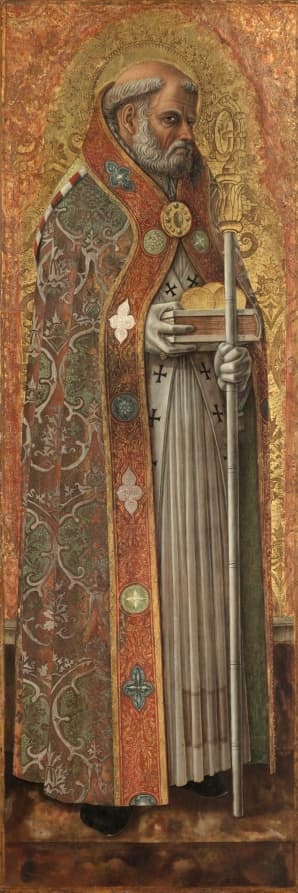
1472 · Italy, Venice
Saint Nicholas of Bari
Carlo Crivelli (Italian, 1430/35–1495) · Tempera and gold leaf on wood panel
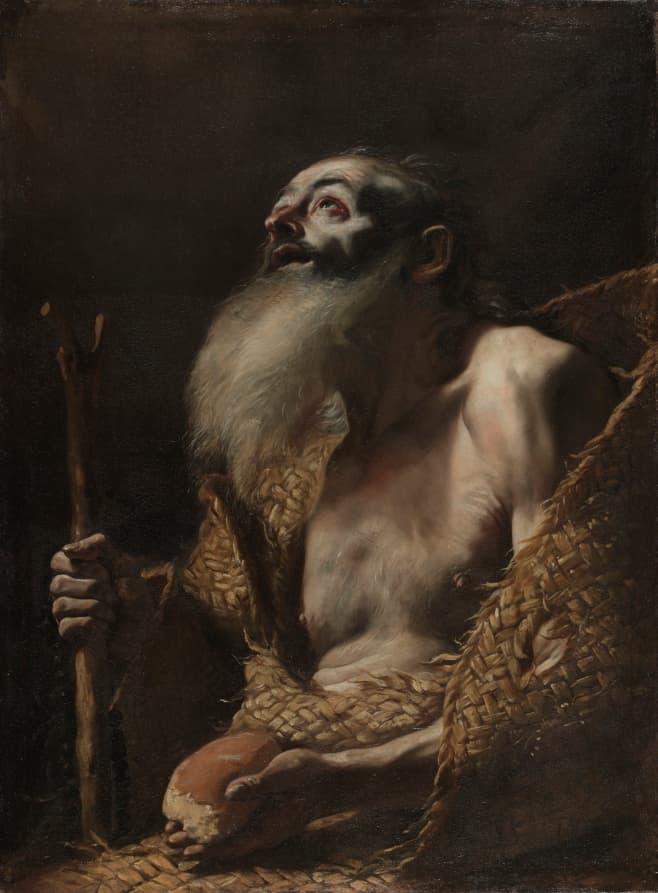
c. 1662–1664 · Italy
Saint Paul the Hermit
Mattia Preti (Italian, 1613–1699) · oil on canvas
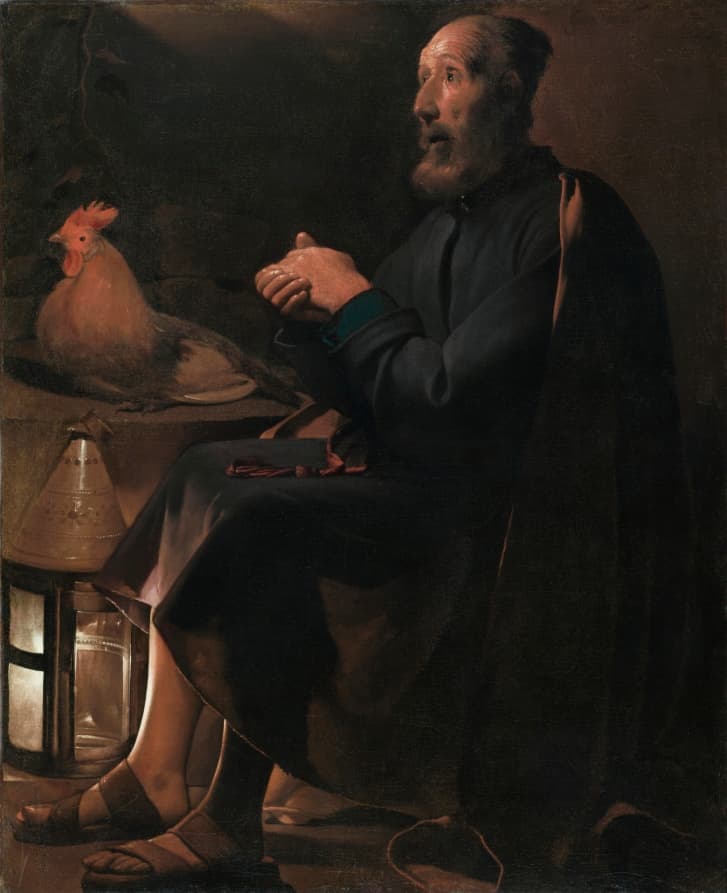
1645 · France
Saint Peter Repentant
Georges de La Tour (French, 1593–1652) · oil on canvas
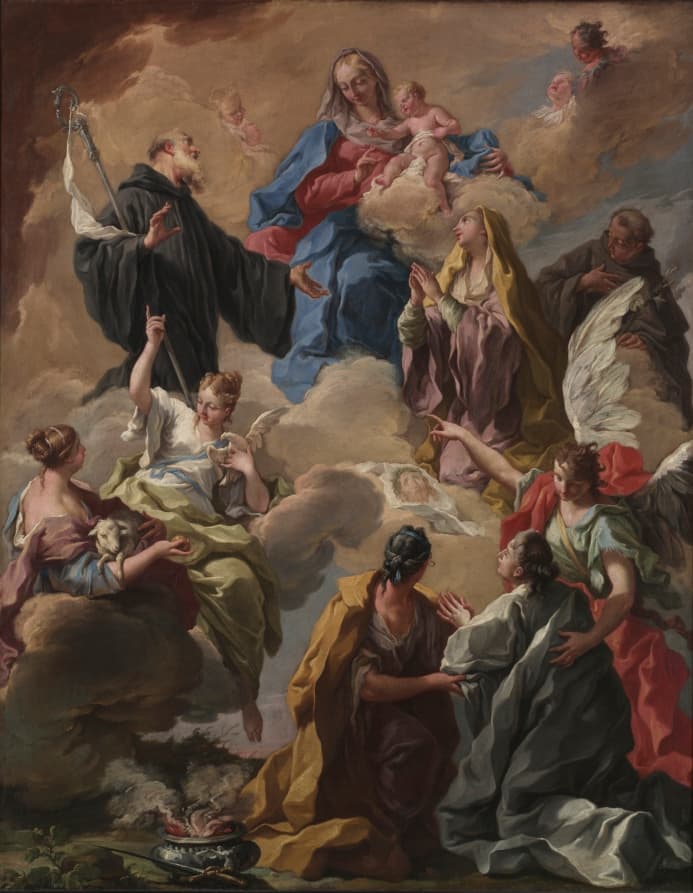
1720s · Italy, 18th century
Saints Presenting a Devout Woman to the Virgin and Child
Giovanni Battista Pittoni (Italian, 1687–1767) · oil on canvas
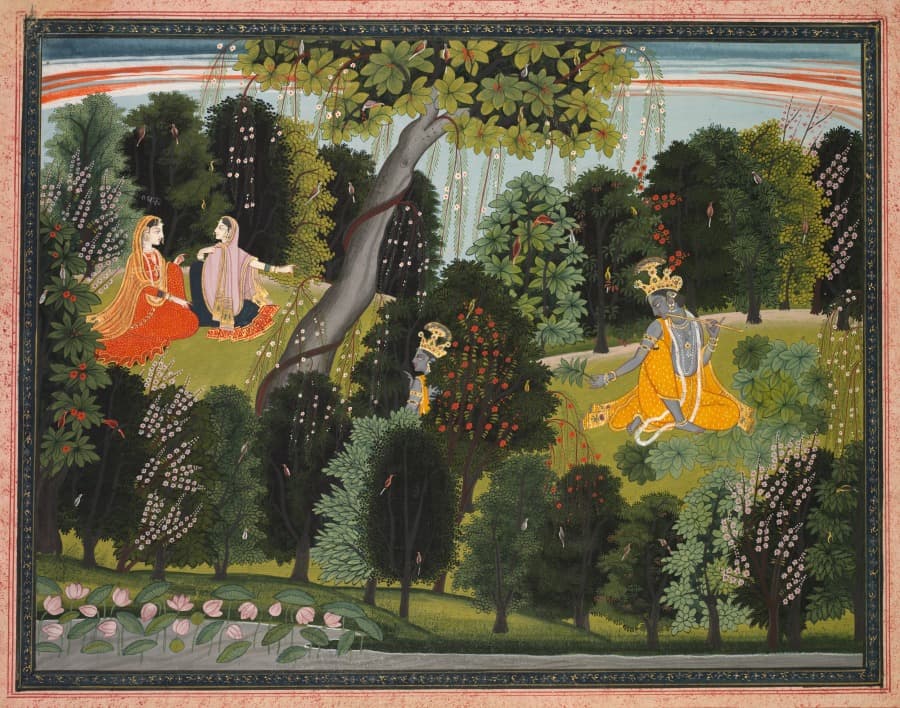
c. 1820–25 · Northern India, Pahari kingdoms
Sakhi persuades Radha to meet Krishna, from a Gita Govinda (Song of the Cowherd) of Jayadeva
Purkhu (Indian, 1750–1860) · gum tempera and gold on paper
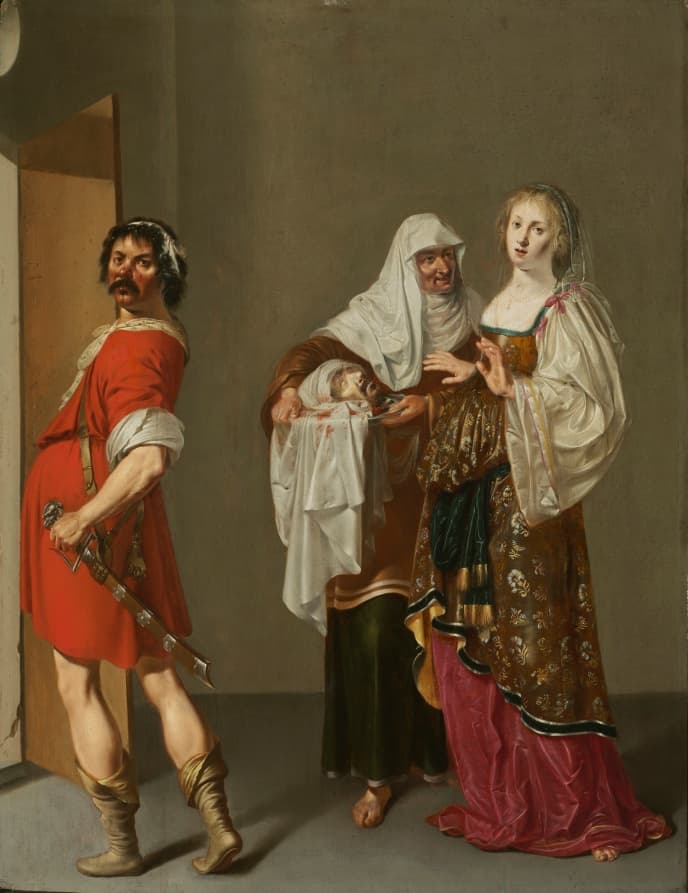
mid-1600s · Netherlands
Salome with the Head of Saint John the Baptist
Jacob Duck (Dutch, c. 1600–1667) · oil on wood
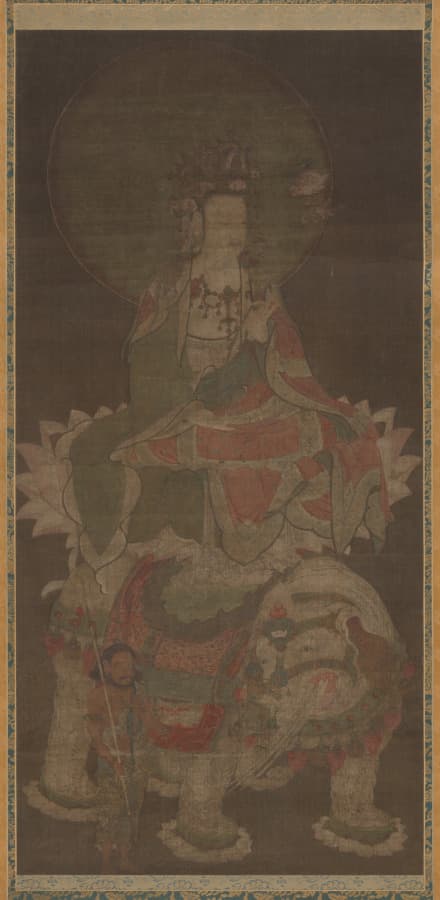
1100s · China, Southern Song dynasty (1127-1279)
Samantabhadra
Artist not recorded · hanging scroll; ink and color on silk
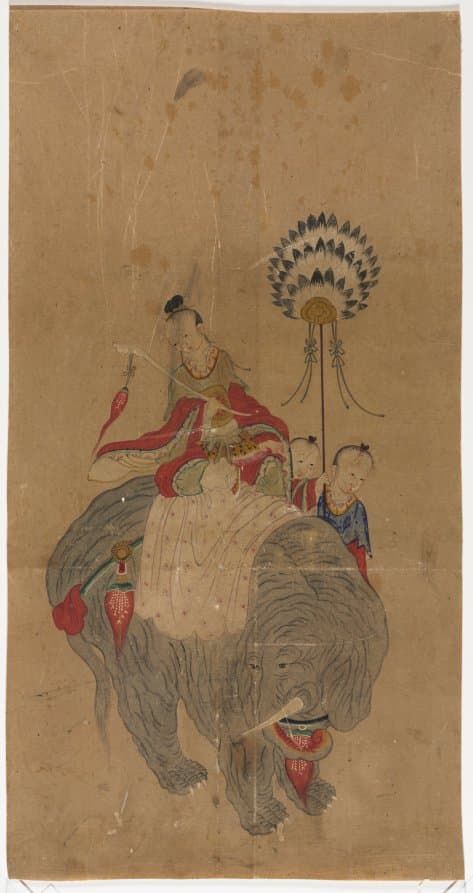
1392–1910 · Korea, Joseon dynasty (1392–1910)
Samantabhadra on an Elephant with Two Attendants
Artist not recorded · Ink and color on paper
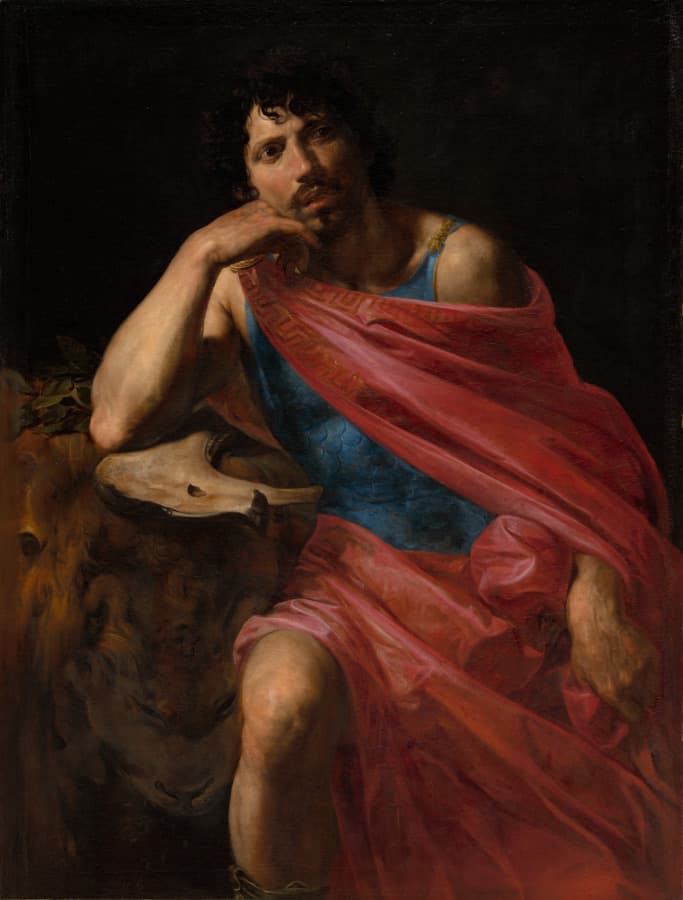
1630–31 · France
Samson
Valentin de Boulogne (French, 1591–1632) · oil on canvas
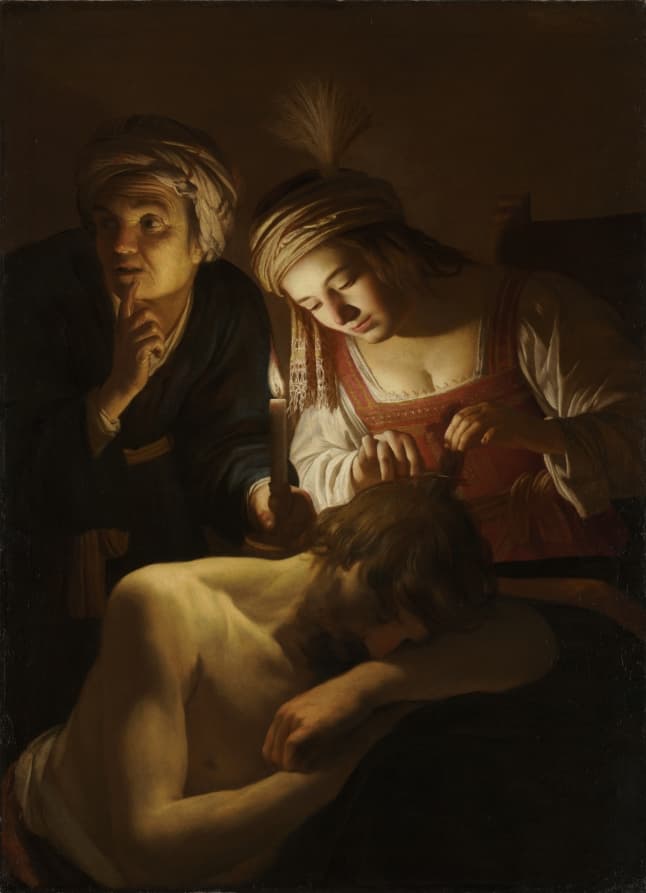
c. 1616 · Netherlands
Samson and Delilah
Gerrit van Honthorst (Dutch, 1590–1656) · oil on canvas
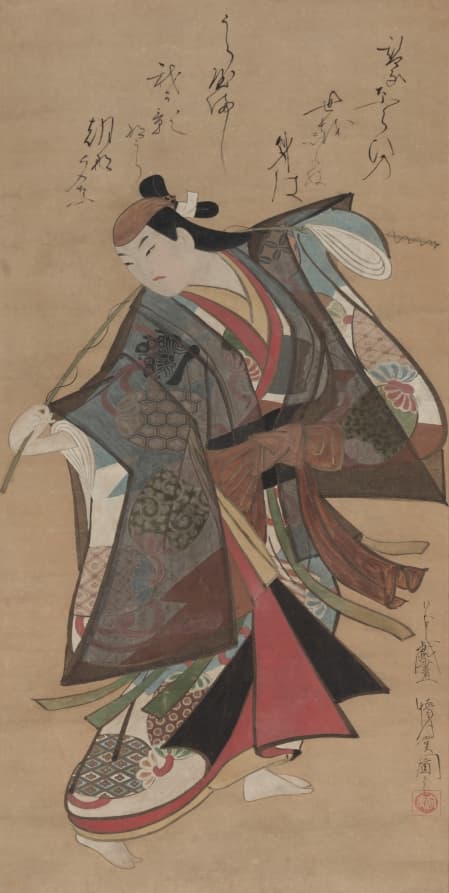
early 1700s · Japan, Edo period (1615–1868)
Sanjo Kantaro II in the Role of Urashima Taro
Kaigetsudō Ando (Japanese, c. 1671–1743) · hanging scroll; ink and color on paper

1500s · China, Ming dynasty (1368–1644)
Saying Farewell at Xunyang (Song of the Pipa)
Wen Boren (Chinese, 1502–1575) · handscroll; ink and color on paper
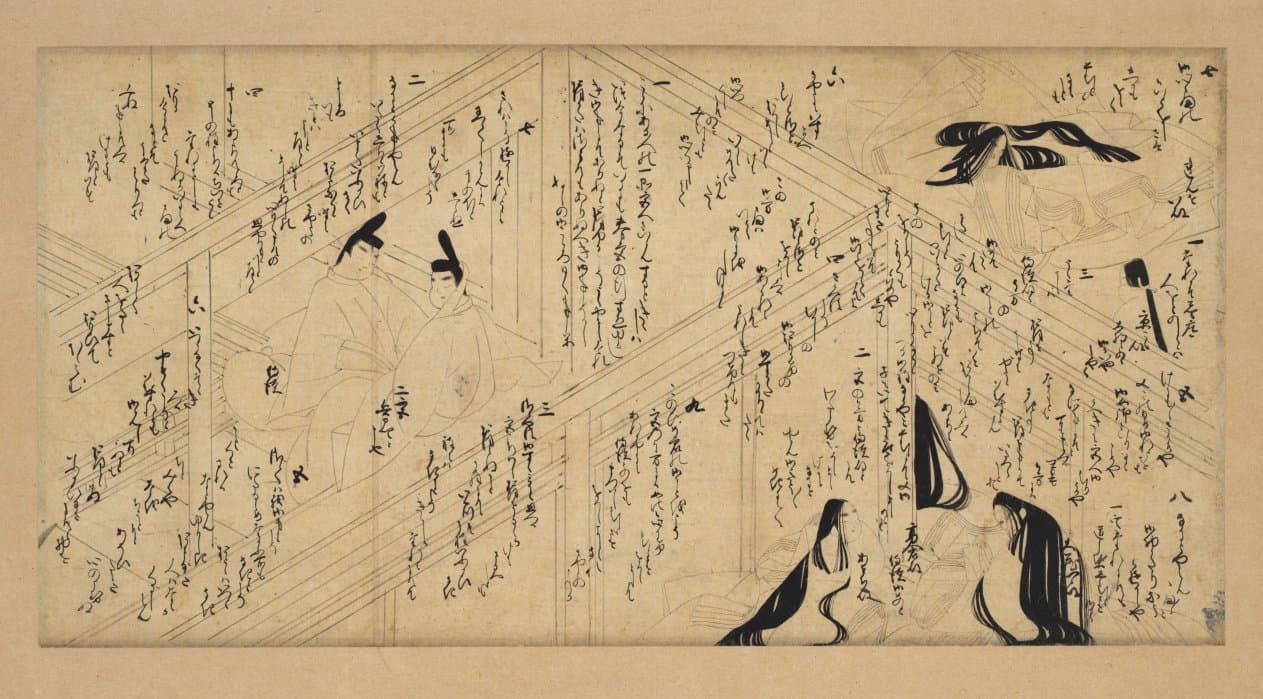
1400s · Japan, Muromachi period (1392–1573)
Scene from the Tale of the Wisteria Robe
Artist not recorded · section of a handscroll mounted as a hanging scroll; ink on paper
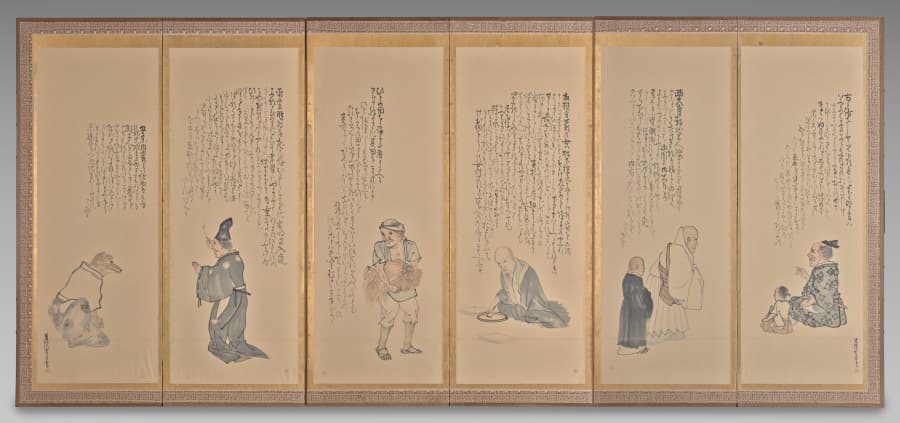
late 1700s–early 1800s · Japan, Edo period (1615–1868)
Scenes from Essays in Idleness
Matsumura Goshun (Japanese, 1752–1811) · One of a pair of six-panel folding screens; ink and color on paper
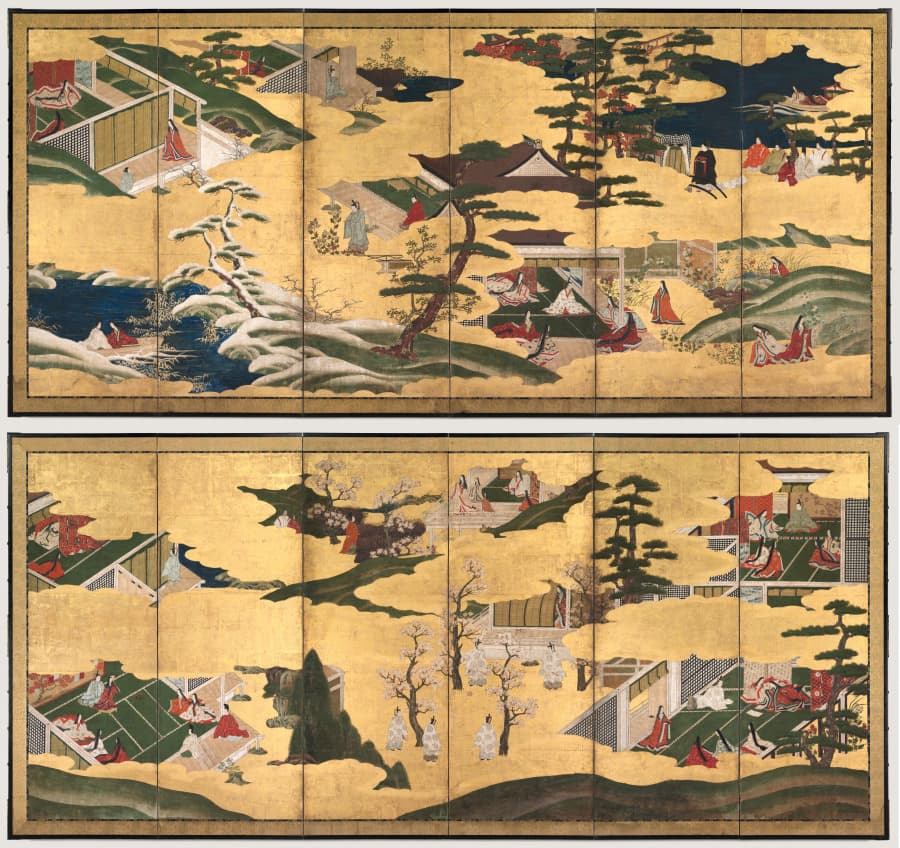
late 1700s · Japan, Edo period (1615–1868)
Scenes from the Tale of Genji
Artist not recorded · Pair of six-panel folding screens; ink, color, and gold on gilded paper
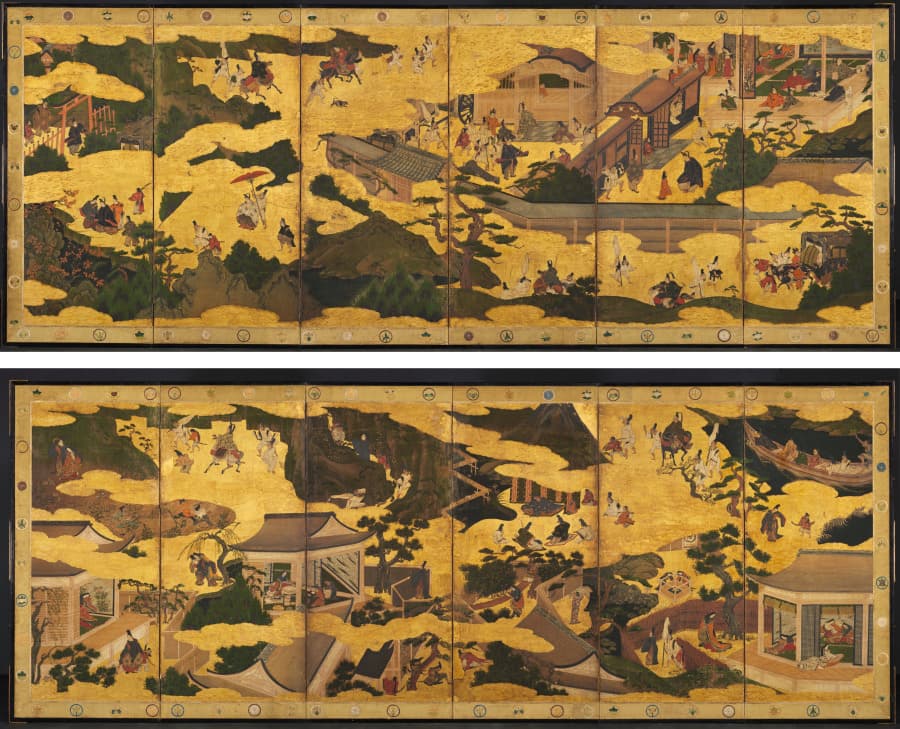
mid-1600s · Japan, Edo period (1615–1868)
Scenes from the Tales of Ise
Artist not recorded · Pair of six-panel folding screens; ink, color, and gold on gilded paper
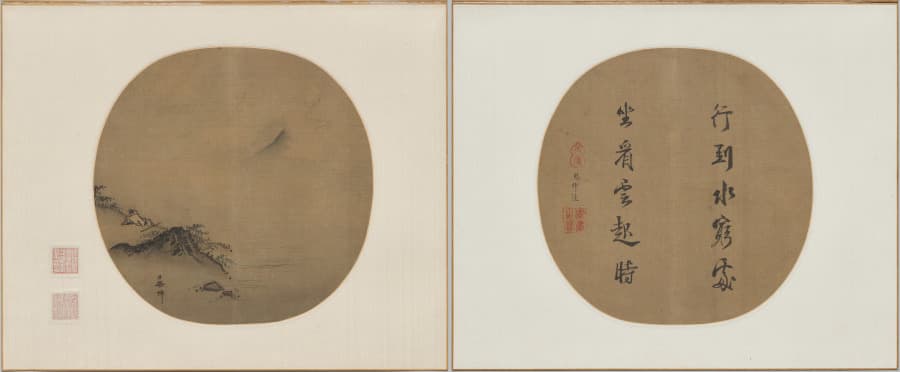
c. 1256 · China, Southern Song dynasty (1127-1279)
Scholar Reclining and Watching Rising Clouds; Poem by Wang Wei
Ma Lin (Chinese, c. 1185–after 1260) · Album leaf; ink on silk
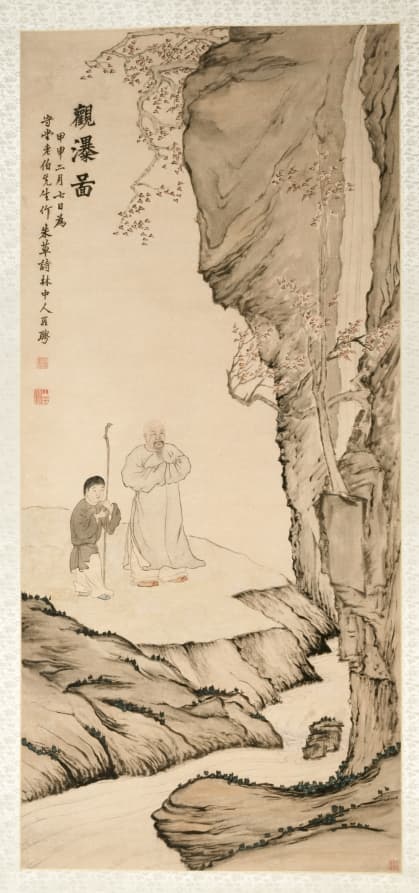
1764 · China, Qing dynasty (1644-1911)
Scholar Watching the Waterfall
Luo Ping (Chinese, 1733–1799) · Hanging scroll; ink and light color on paper
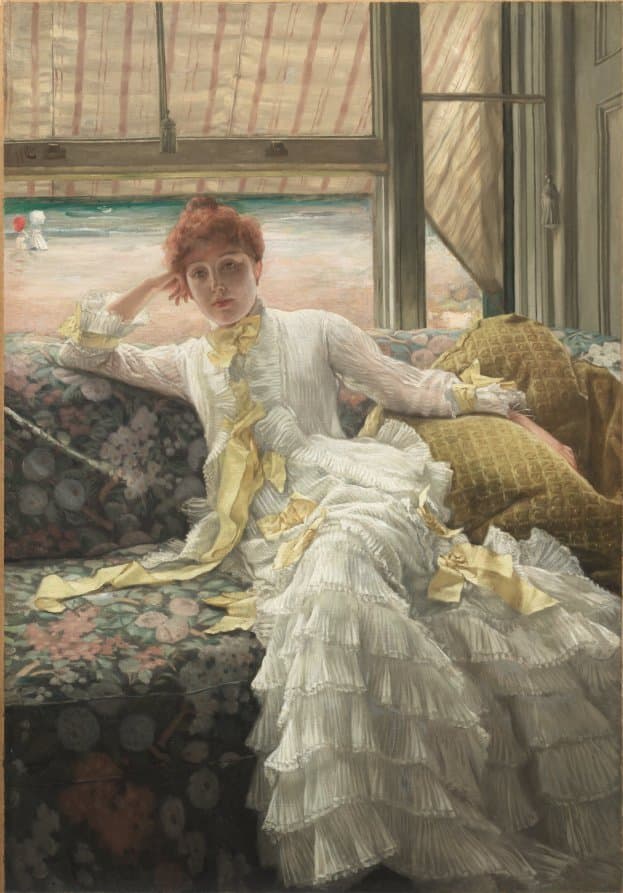
1878 · France, 19th century
Seaside (July: Specimen of a Portrait)
James Tissot (French, 1836–1902) · oil on fabric
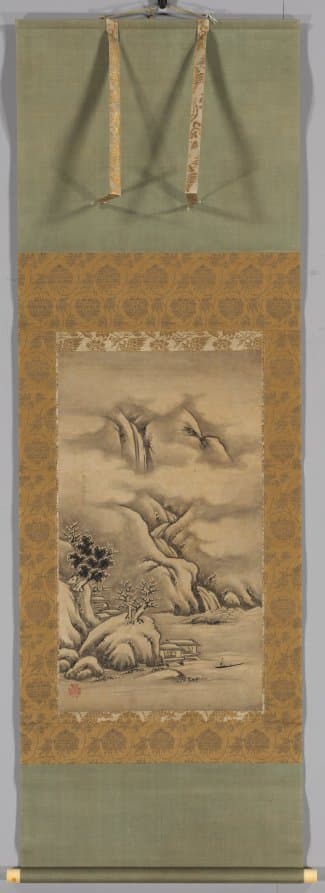
mid- to late 1500s · Japan, Muromachi period (1392–1573)
Seasonal Landscapes: Winter
Kano Hideyori (Japanese, active mid- to late 1500s) · hanging scroll, ink on paper
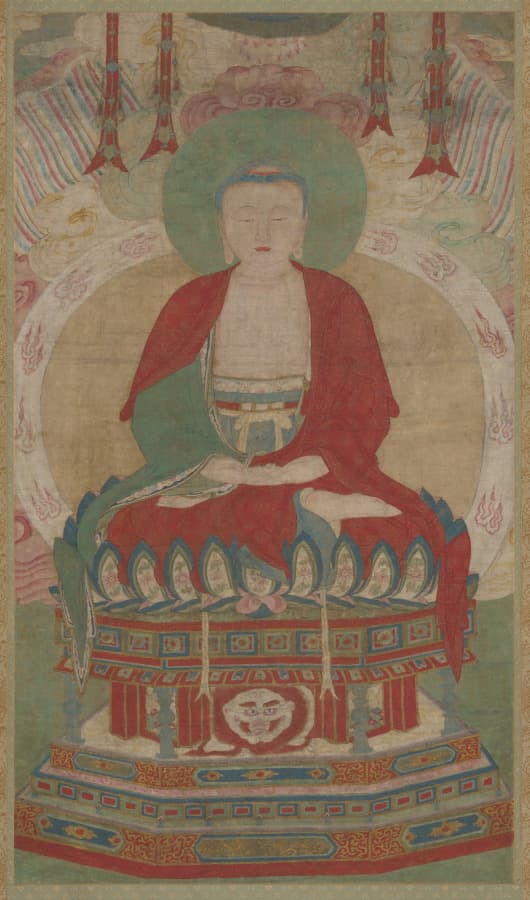
late 1500s–early 1600s · Chinese, Ming dynasty (1368-1644)
Seated Amitābha
Artist not recorded · hanging scroll; ink and color on silk
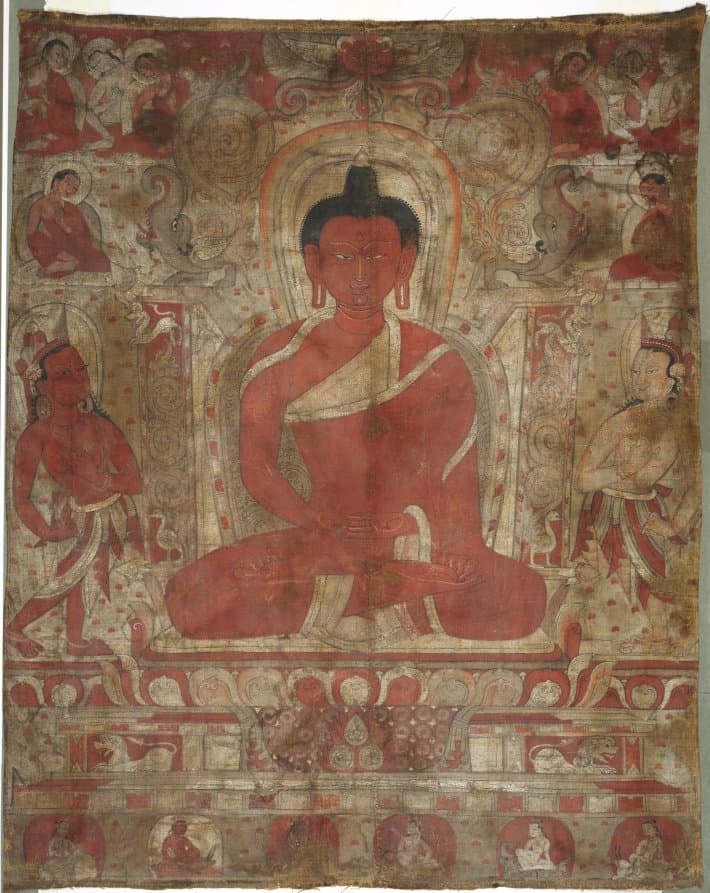
c. 1100s · India, Western Himalayas, Lahul and Spiti, Tabo Monastery
Seated Amitabha with Attendants
Artist not recorded · Gum tempera and ink on sized cotton
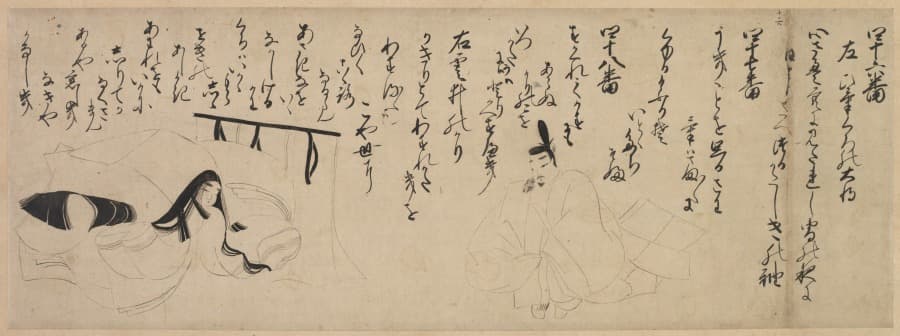
1400s · Japan, Muromachi period (1392–1573)
Section of an Illustrated Tale of Genji Poetry Contest
Artist not recorded · section of a handscroll mounted as a hanging scroll; ink on paper