Authenticity-First Art
One-of-a-Kind
Original Art
In an era of AI-generated images, mass-produced prints, and endless digital copies, a one-of-a-kind original painting is genuinely rare. Every Lei-Kol piece is a true original — hand-painted, never reproduced, never editioned. When it sells, it exists nowhere else in the world. You own THE object.
The Collection
Available Originals
What One-of-a-Kind Actually Means
One of a kind means exactly that: one exists. No second copy. No edition of 500. No print run. No digital file that can generate infinite reproductions. The painting on your wall is the only version of itself that will ever exist. A signed Certificate of Authenticity confirms this in writing. Combined with your on-chain crypto transaction record, you have an unbreakable chain of provenance.
This is fundamentally different from buying prints — even expensive, limited-edition prints. A limited edition still means hundreds of identical copies exist. Your print is not unique. Your original is. For collectors building a collection that holds meaning and value, the distinction between original and reproduction is the difference between owning art and owning a picture of art.
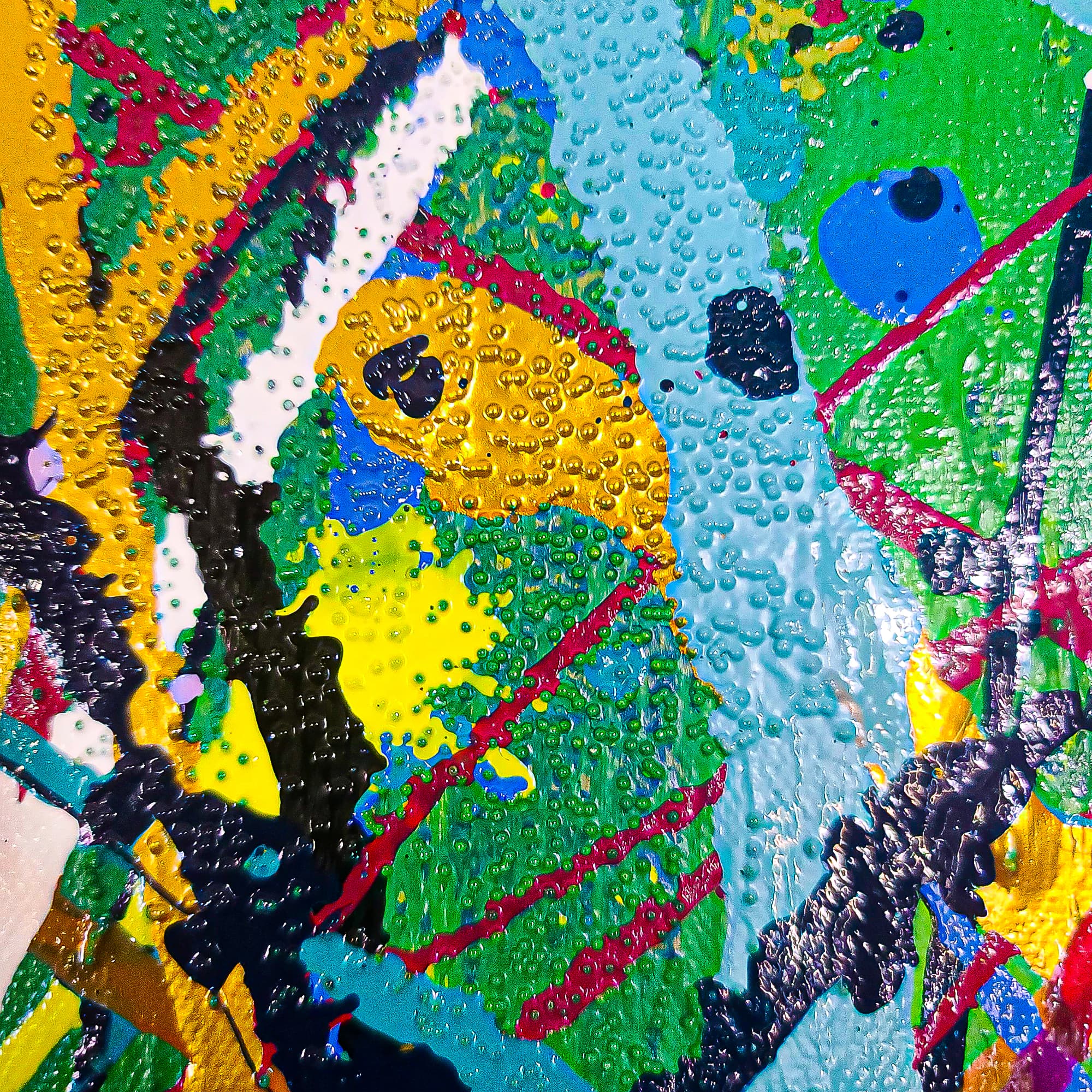
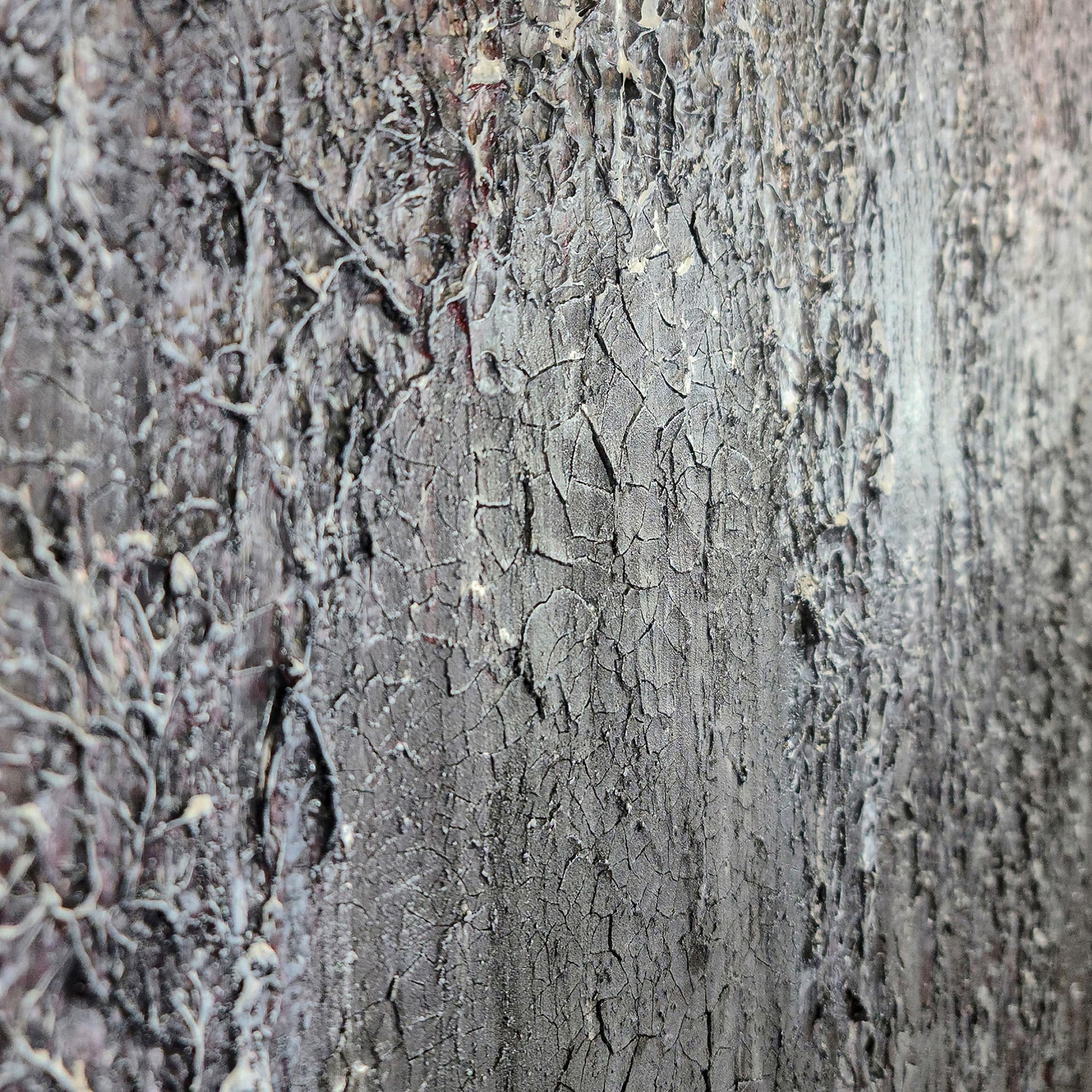
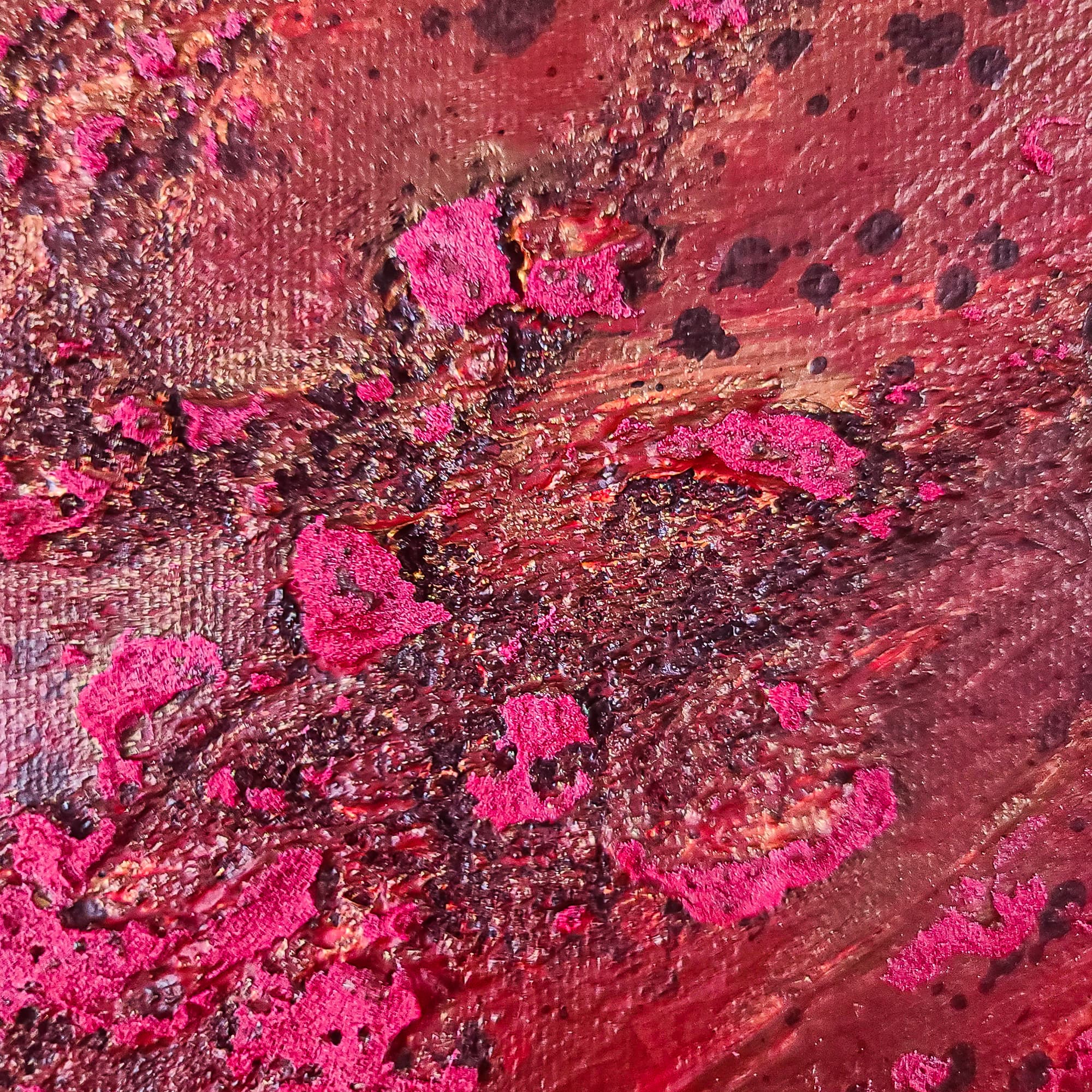
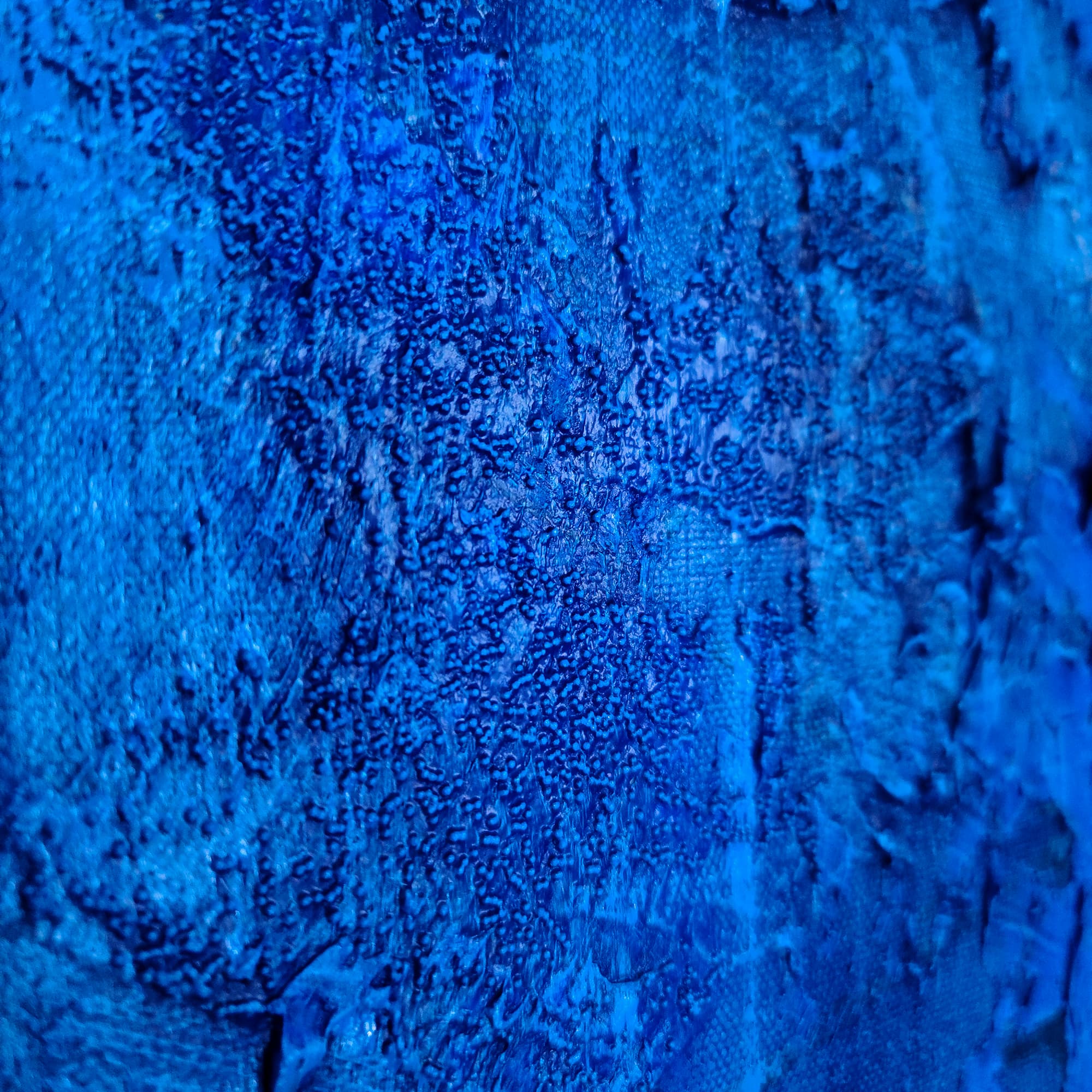
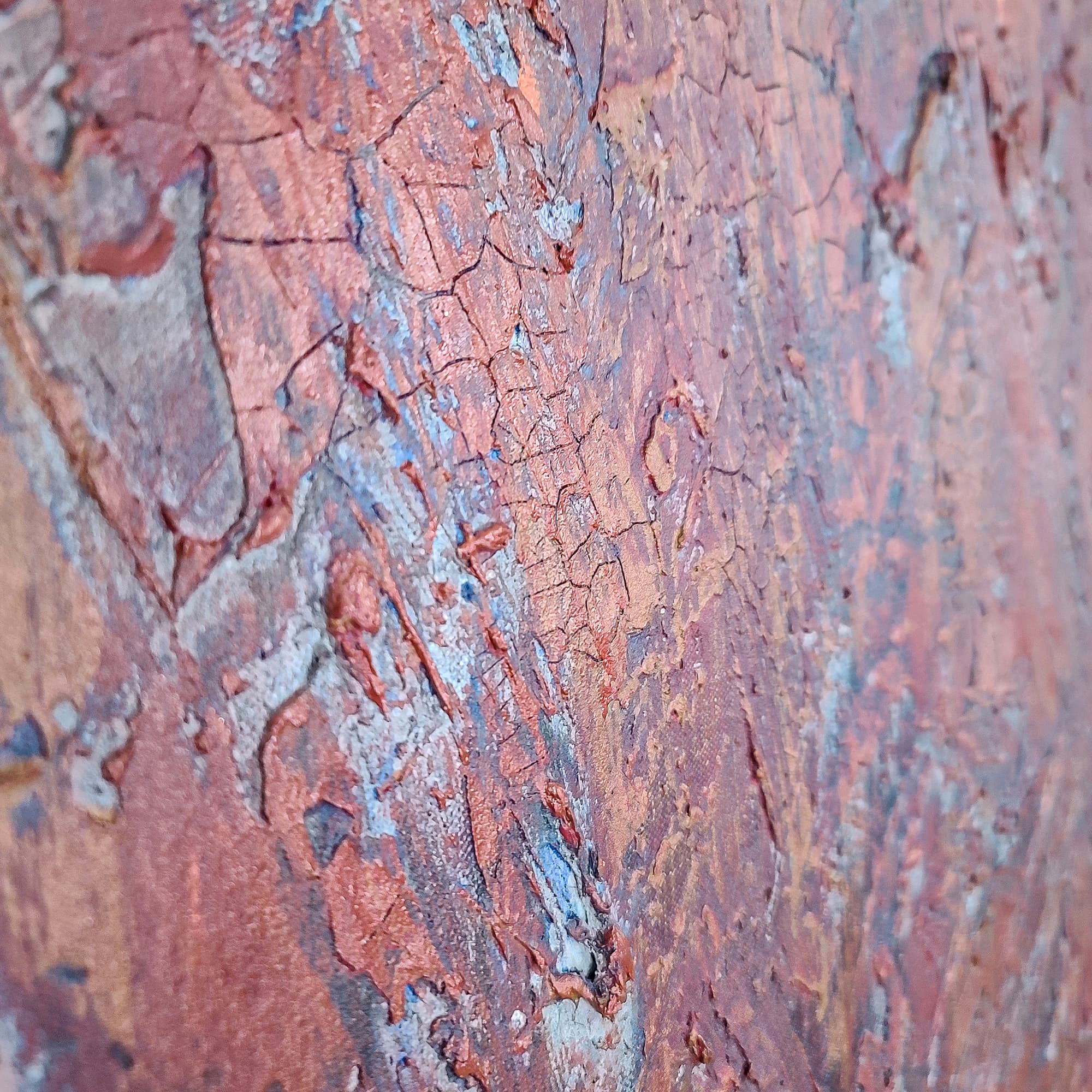
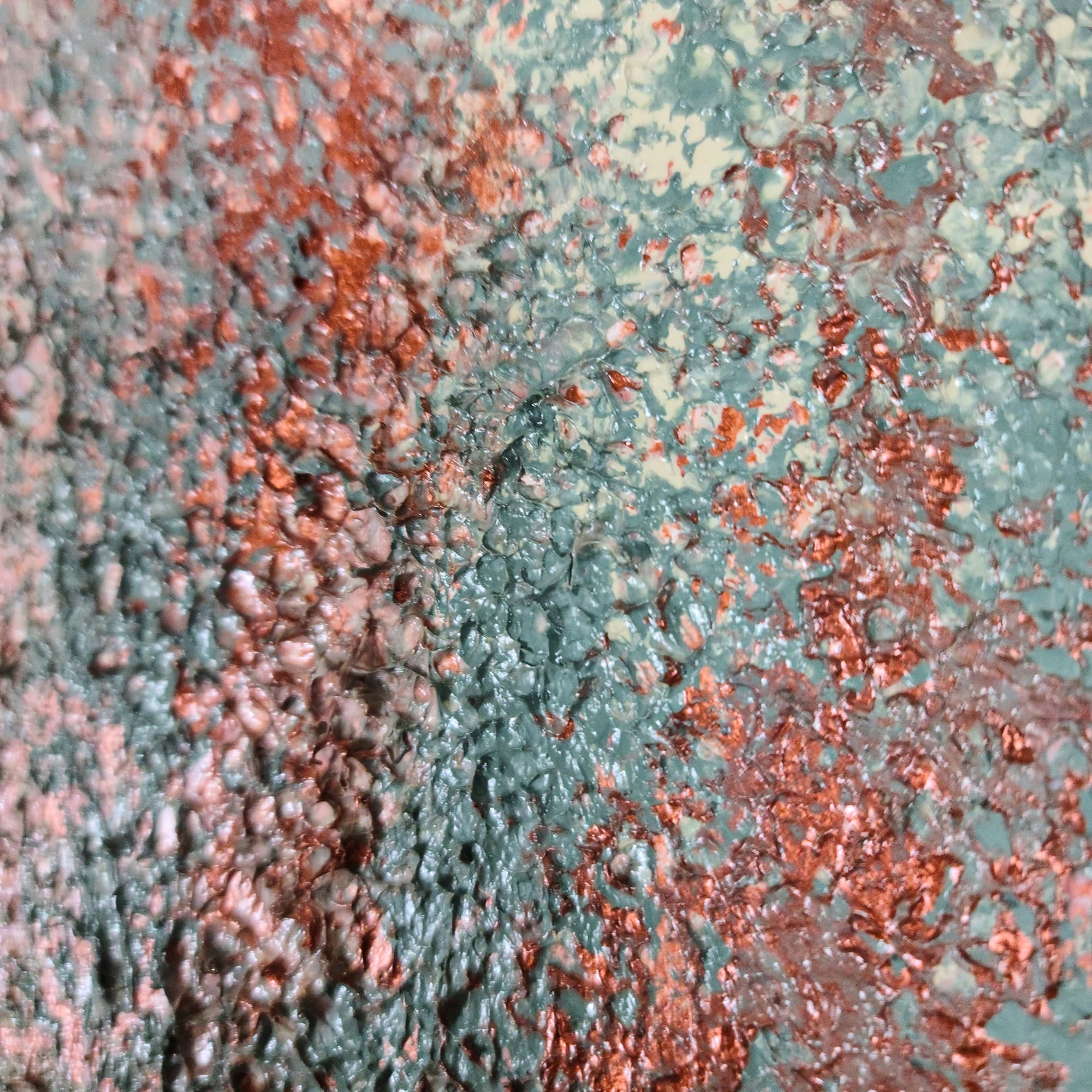
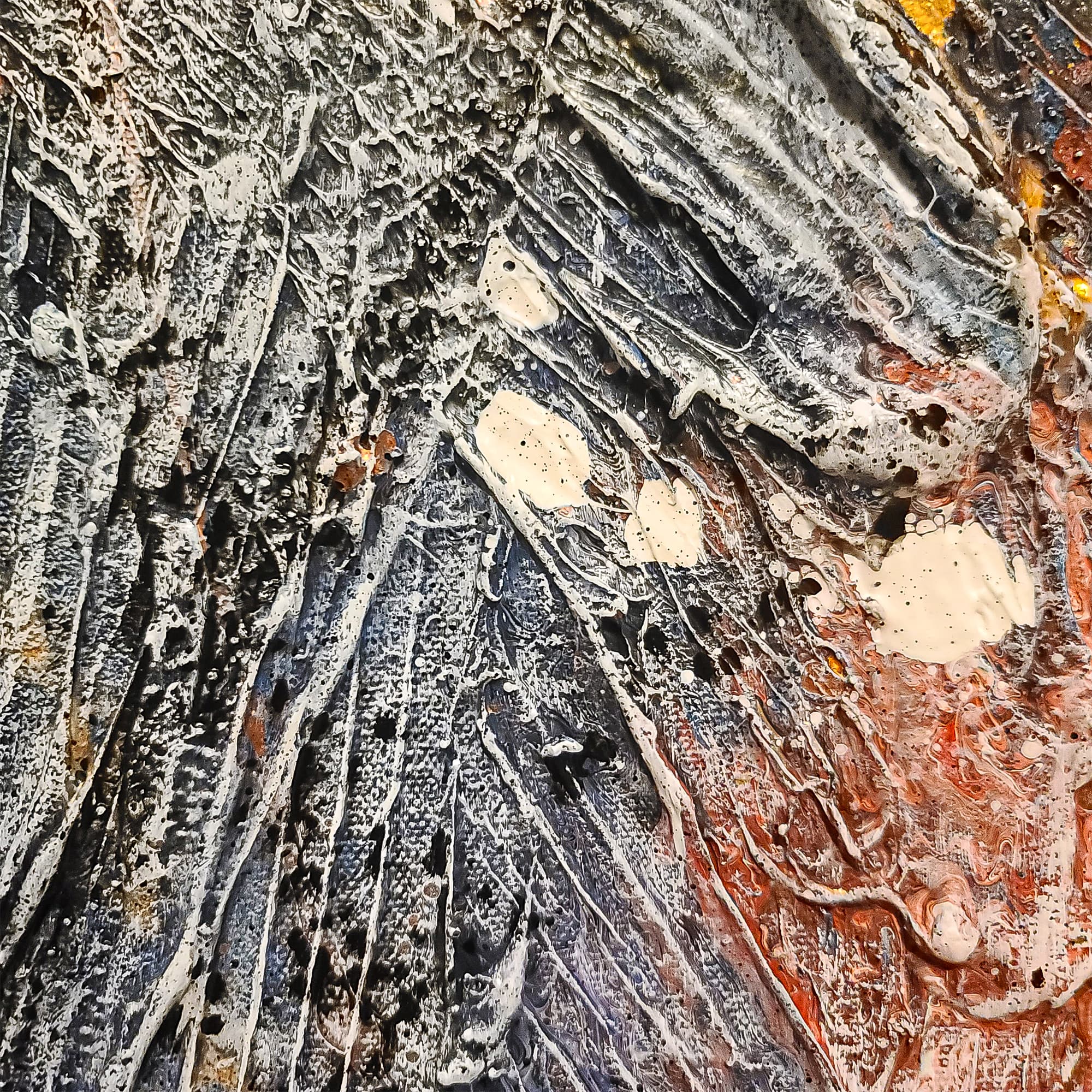
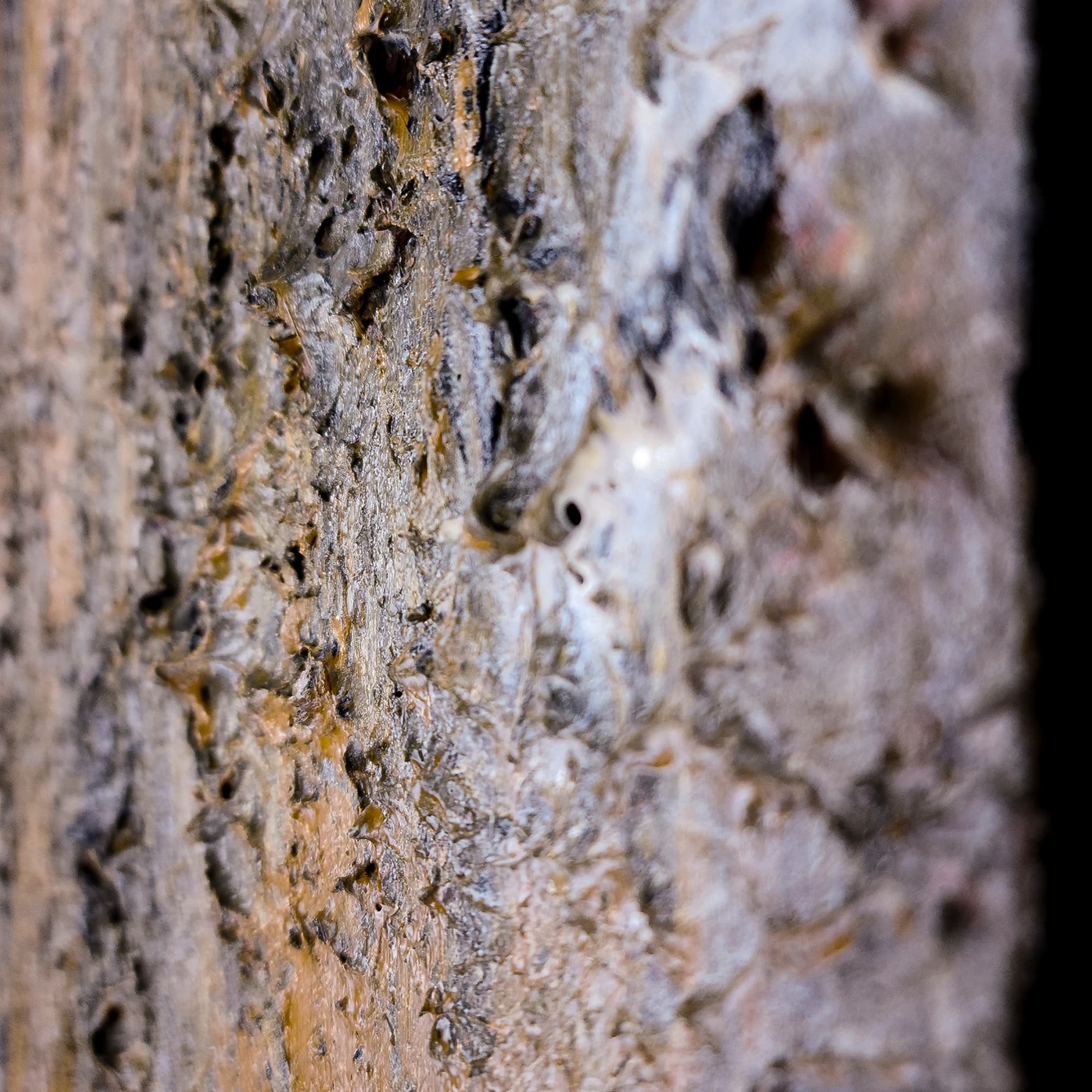
Lei-Kol builds each original over weeks in the studio. The heavy impasto texture, painted edges, and dimensional surface are impossible to mass-produce. Every mark on the canvas is a deliberate physical decision made by the artist. When you buy a Lei-Kol original, you acquire a unique physical object, a signed certificate, and a direct connection to the artist who made it.
The Legal Meaning of "One of a Kind" in Art
In the art market, "one of a kind" is not a marketing phrase — it is a factual representation with legal weight. When an artist or gallery represents a work as one of a kind, they are asserting that no copies, reproductions, or substantially similar works exist and that none will be created. This representation is material to the purchase — meaning if it turns out to be false, the buyer may have grounds for rescission (cancellation of the sale and return of funds) or damages for misrepresentation.
Lei-Kol's Certificate of Authenticity includes an explicit statement of originality: "This is an original, one-of-a-kind work. No prints, editions, or reproductions exist or will be made." This is a binding declaration. It means the artist has committed — legally and professionally — that your painting is unique and will remain unique. No future prints. No editions. No digital NFTs of the same image. The painting you buy is the only version of itself, forever.
The Uniqueness Premium: Why One-of-a-Kind Costs More
Scarcity creates value. This is a fundamental economic principle that operates across every market — real estate, commodities, collectibles, and art. When there is exactly one of something and demand exceeds one, the price rises to allocate that single item to the highest-valuing buyer. In the art world, this is called the uniqueness premium — the additional value an original commands simply by virtue of being irreplaceable.
An original painting that sells for $3,000 could support an edition of 100 prints at $300 each — generating $30,000 in print revenue. By choosing not to produce prints, the artist leaves that revenue on the table. The buyer of the original pays part of that opportunity cost — but in return, they own the only version that exists. No one else will ever hang that painting. No one else will ever own that painting. It is theirs alone. For many collectors, that exclusivity is the entire point.
How to Verify That a Painting Is Truly One of a Kind
Verifying originality requires checking multiple independent signals. No single document can prove uniqueness — but several documents together create an evidence chain that is extremely difficult to fabricate:
Certificate of Authenticity
A signed, dated COA that references the specific painting by title, dimensions, and unique certificate number. Not a generic template — a document made for this piece.
Physical examination
Look at the surface. Real impasto has irregular peaks and valleys that follow the composition. Gel-coated prints have uniform, random texture. Under magnification, originals show no ink dot pattern.
Artist's catalog record
The artist maintains a catalog of every work produced. Your painting should appear in that catalog with photos, dimensions, and date of creation. Lei-Kol maintains such a catalog.
Transaction record
If purchased with crypto, the blockchain provides an immutable timestamp of the purchase. This creates a provable "first sale" date that no one can alter.
Reverse image search
Search for the painting image online. If it appears on multiple sites as a print, poster, or downloadable image, the "original" claim is suspect. True one-of-a-kind paintings have one source.
Why Reproductions Can Never Match
A common point of confusion, especially among new collectors: "If the print looks the same, what is the difference?" The answer is that the print does not look the same — it looks like a print of the same image. These are not the same thing.
A reproduction captures the image — the two-dimensional arrangement of colors and shapes. It cannot capture the surface. It cannot capture the way light interacts with a thick ridge of acrylic at a 45-degree angle. It cannot capture the physical weight of the painting, the way the canvas resonates slightly when you touch it, the smell of the studio that lingers in the varnish. These are not abstract poetic qualities — they are physical properties of the object that a reproduction, by definition, lacks.
This is why museums exist. If a high-resolution photograph of the Mona Lisa were equivalent to standing in front of it, the Louvre would be empty and we would all look at JPEGs. But no one thinks a photograph of the Mona Lisa equals the experience of the Mona Lisa. The same principle applies to any original painting at any price point. A Lei-Kol original and a photograph of a Lei-Kol original are not the same thing — and the difference is everything.
Famous Unique Pieces: Stories of Singular Art
The art world is built on one-of-a-kind objects. Some stories illustrate why uniqueness commands such extreme value:
Salvator Mundi
by Leonardo da Vinci
Sold for $450 million in 2017 — the most expensive painting ever sold at auction. Its value derives almost entirely from two facts: it is by Leonardo, and it is the only one. There are fewer than 20 Leonardo paintings in existence.
No. 5, 1948
by Jackson Pollock
Sold for $140 million in a private sale. A single drip painting — unique, unreproducible, and recognized as a masterpiece of Abstract Expressionism. No print of this painting has any meaningful value.
The Scream
by Edvard Munch
Munch made four versions — two paintings, two pastels. Each is unique. One sold for $120 million in 2012. Even with four "versions," each is a distinct original with its own provenance and character.
Woman III
by Willem de Kooning
Sold for $137.5 million in a private sale. Part of a series of six 'Woman' paintings — but each is a distinct original, painted at a different time, with different materials and techniques.
These are extreme examples — but the principle scales. Every original painting, at every price point, participates in the same dynamic. It is the only one. That fact has value. The question for collectors is not whether uniqueness matters — it is how much it matters to them.
The Emotional Value of Owning the Only One
Not everything valuable can be measured in dollars. Collectors consistently describe a feeling that is hard to articulate but immediately recognizable: the knowledge that the object on your wall is the only one. It is not about impressing guests (though it does). It is not about investment (though it may be). It is about the private satisfaction of knowing that in the entire world, in all of human history, this exact thing exists only here.
This feeling does not come from a print. It does not come from a limited edition. It does not come from an NFT, which at best represents the only token associated with a file that anyone can view. It comes from physical uniqueness — the irreducible fact that the canvas hanging on your wall is the canvas the artist stood in front of, touched, worked, and completed. There is not another one. There will never be another one. And it is yours.
Lei-Kol collectors often describe a moment — unboxing the painting, hanging it, stepping back — when this hits them. The painting is real. It is here. It is the only one. And it belongs to them. That is not a sales pitch. It is the actual experience of buying a one-of-a-kind original painting, and it is why people who buy one original tend to buy another.
The Lei-Kol Guarantee
Every painting in the catalog is a true one-of-a-kind original. No prints. No editions. No reproductions. Signed Certificate of Authenticity. Blockchain transaction record when paying with crypto. Full provenance documentation. And the guarantee that when your painting sells, that exact combination of canvas, paint, texture, and human effort leaves the world forever — except for the one on your wall.
Find Your OriginalExplore Related
More About Original Art
Original Art vs Prints
The complete comparison — why a real painting is fundamentally different from any reproduction.
Certificate of Authenticity
How provenance is established and why it protects your one-of-a-kind investment.
Heavy Texture Acrylic Paintings
Why impasto texture makes each painting impossible to mass-produce.
Textured Acrylic Painting Cost
What goes into the price of a unique original — and why the uniqueness premium matters.
Original Abstract Paintings
How abstract composition and one-of-a-kind rarity combine in Lei-Kol's work.
Art Gallery
Browse all available originals — each one a true one-of-a-kind.