Texture-First Art
Heavy Texture
Acrylic Paintings
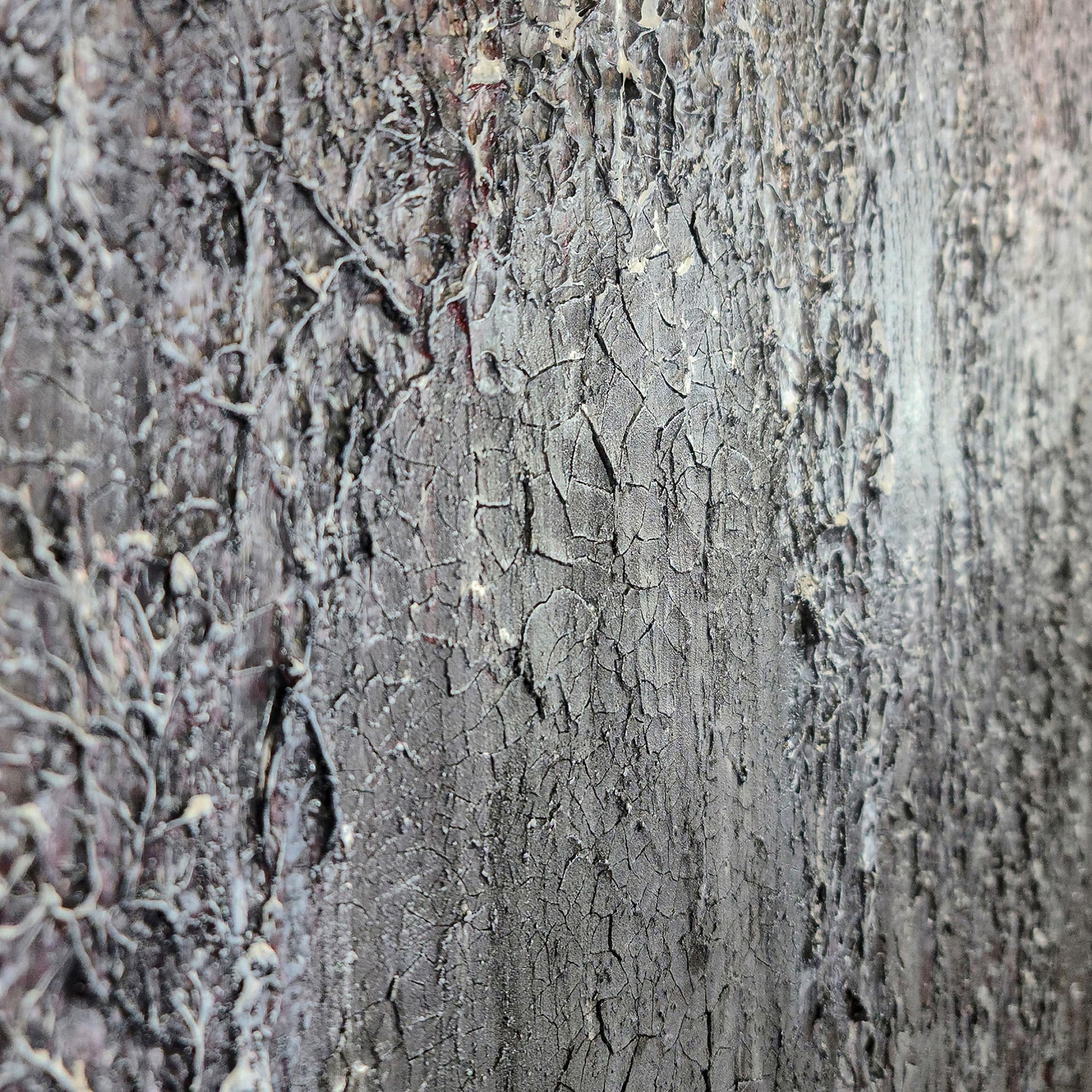
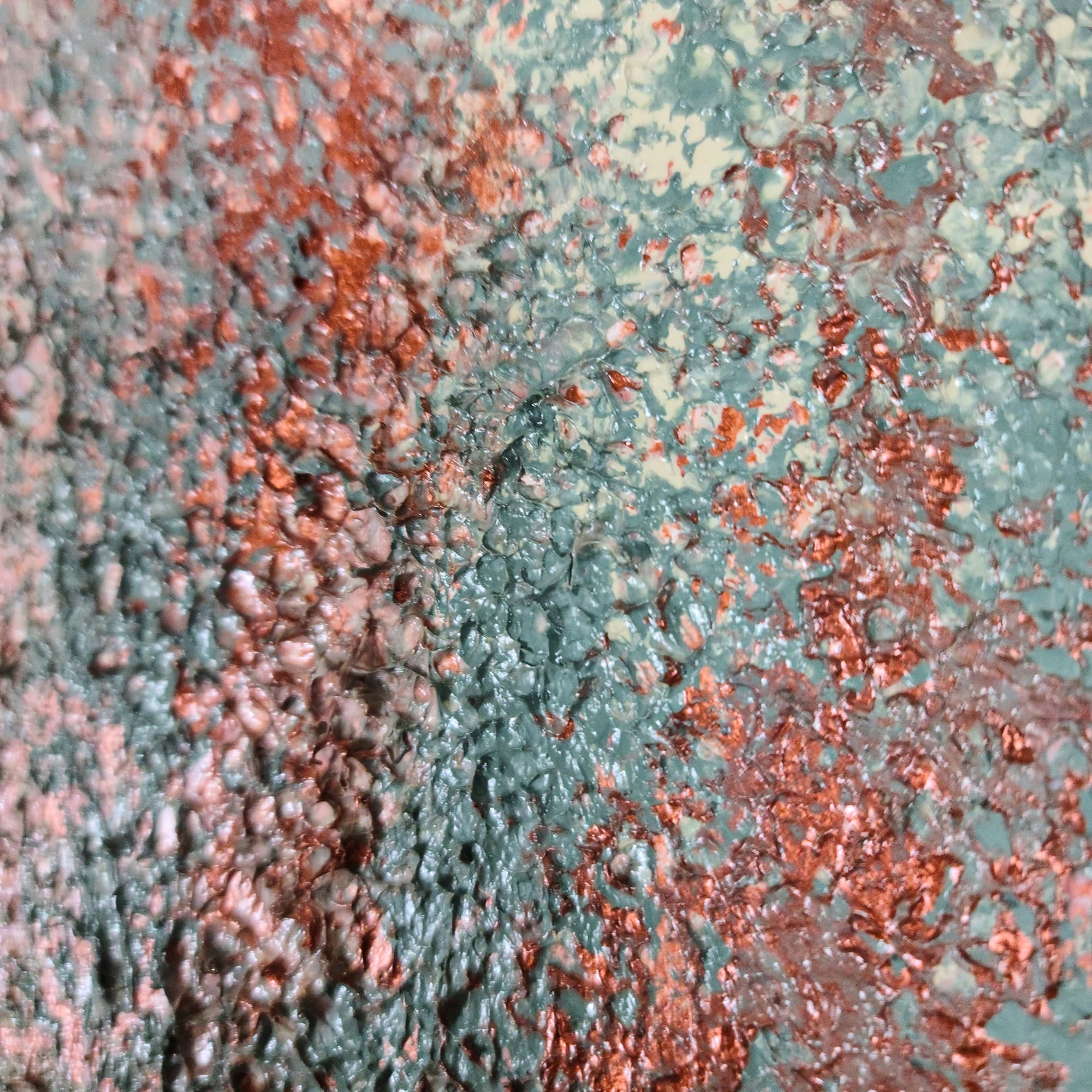
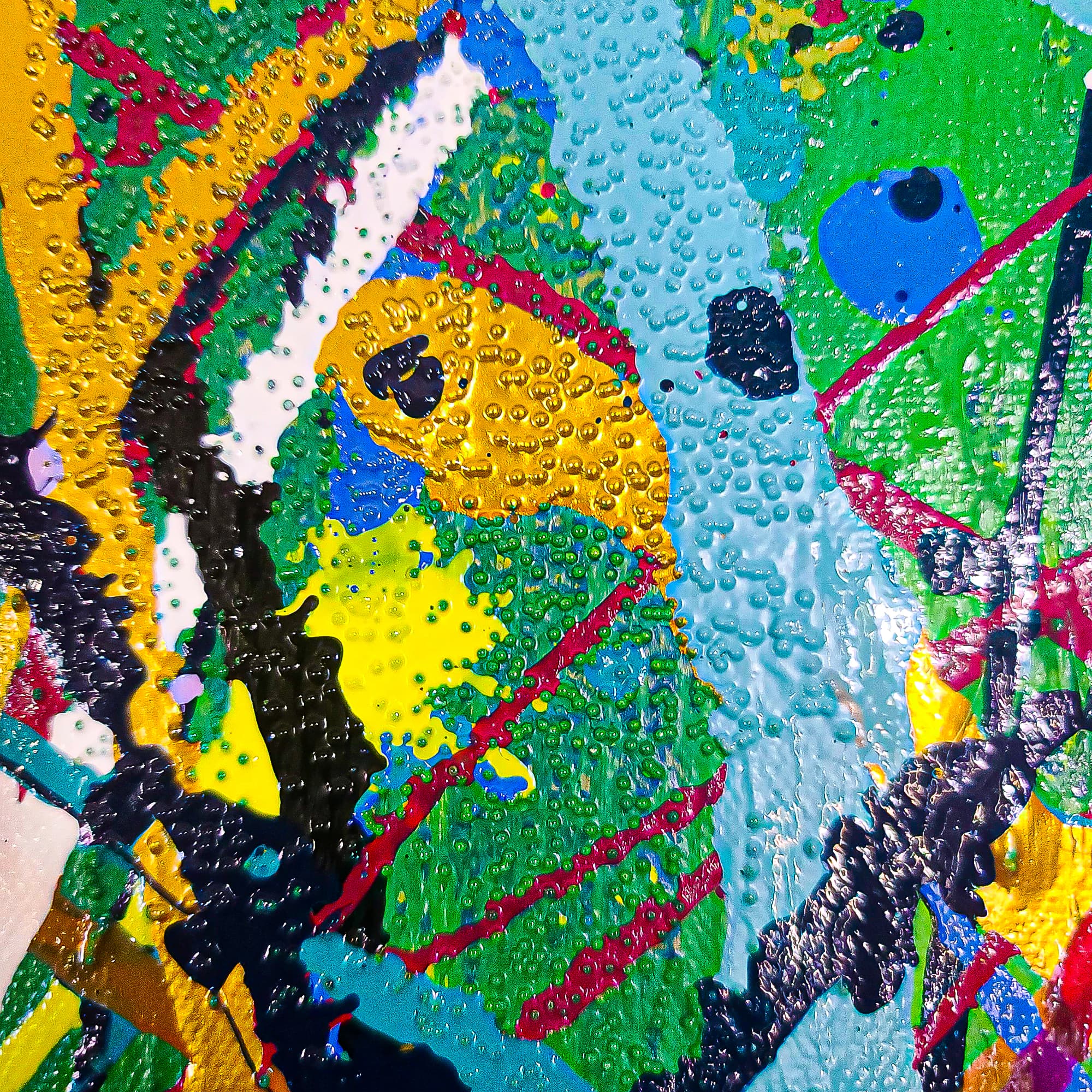
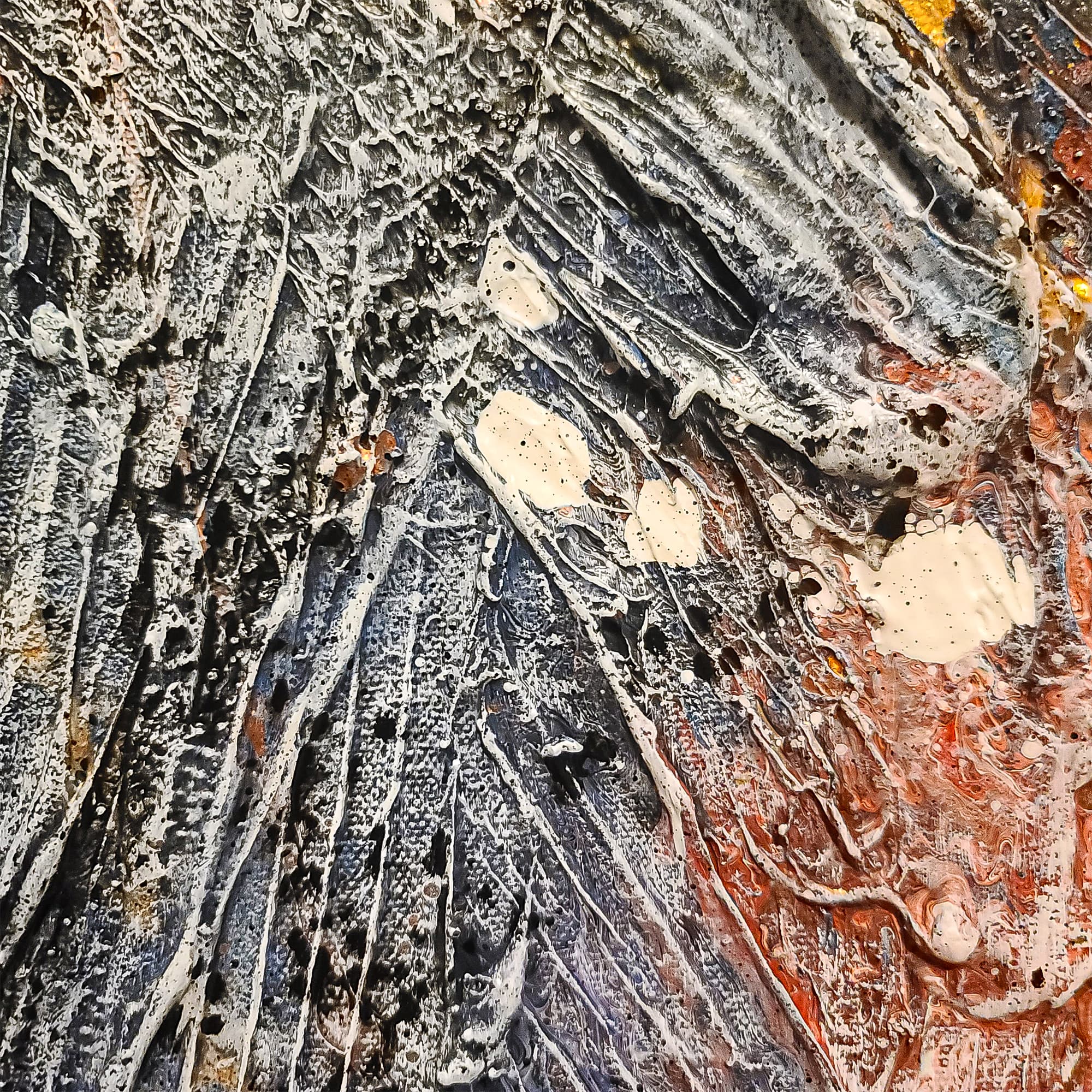
Texture is what separates a real painting from everything else. Heavy impasto acrylic — paint built up so thickly it becomes sculptural — creates a surface that catches light, casts shadow, and changes throughout the day. Every Lei-Kol original is textured by hand over weeks of layered application. These are not flat images reproduced on canvas. They are dimensional objects.
The Collection
Textured Originals
Why Texture Changes Everything
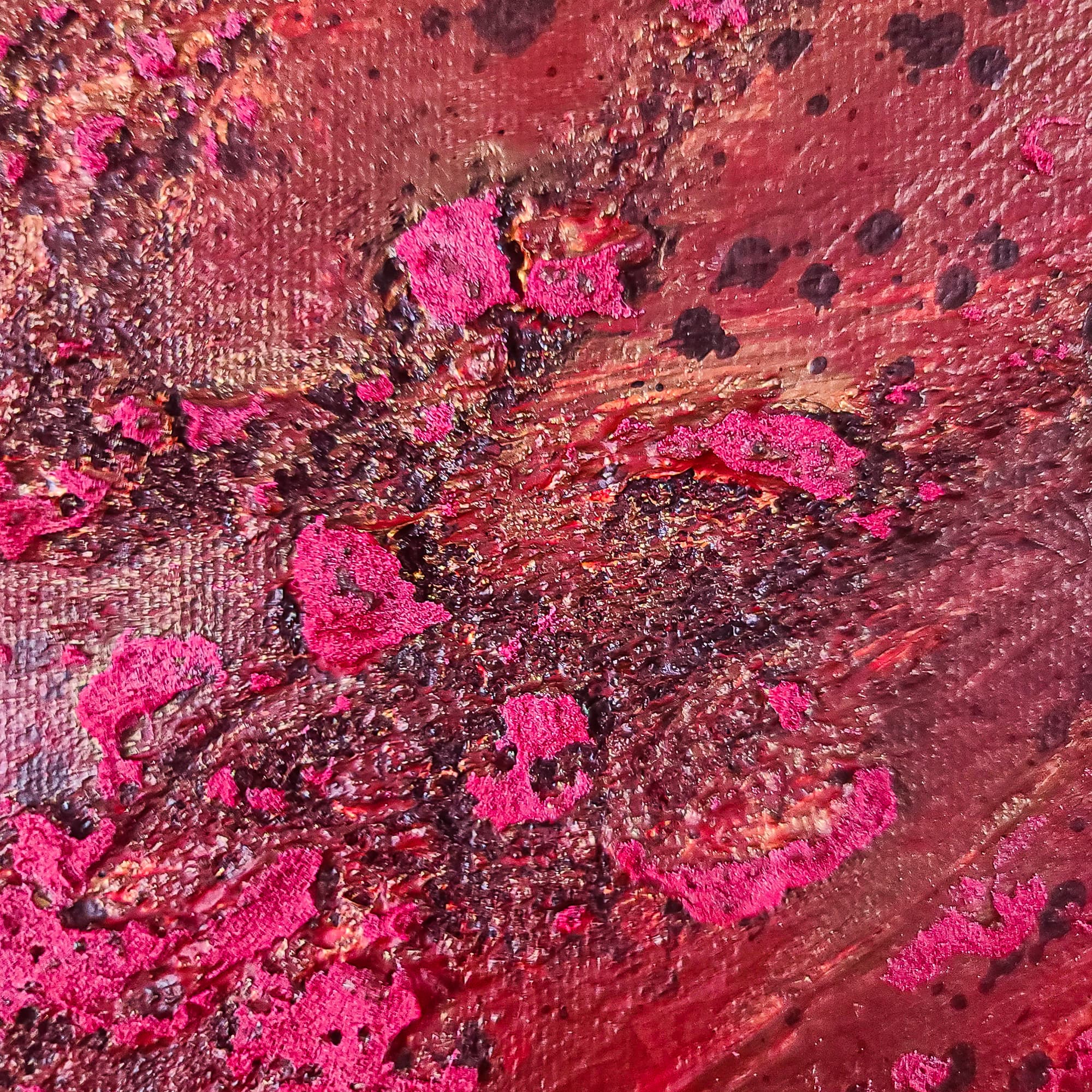
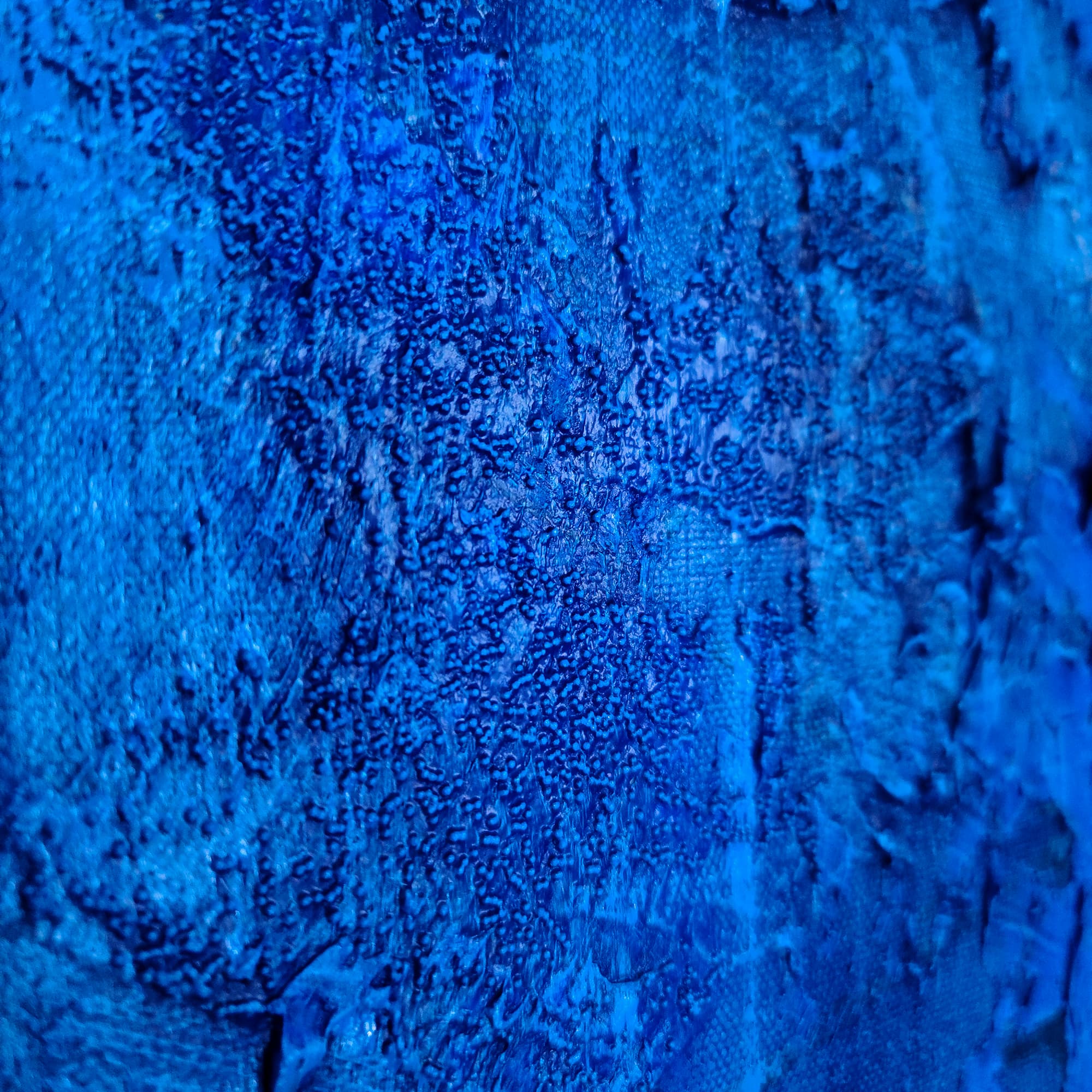
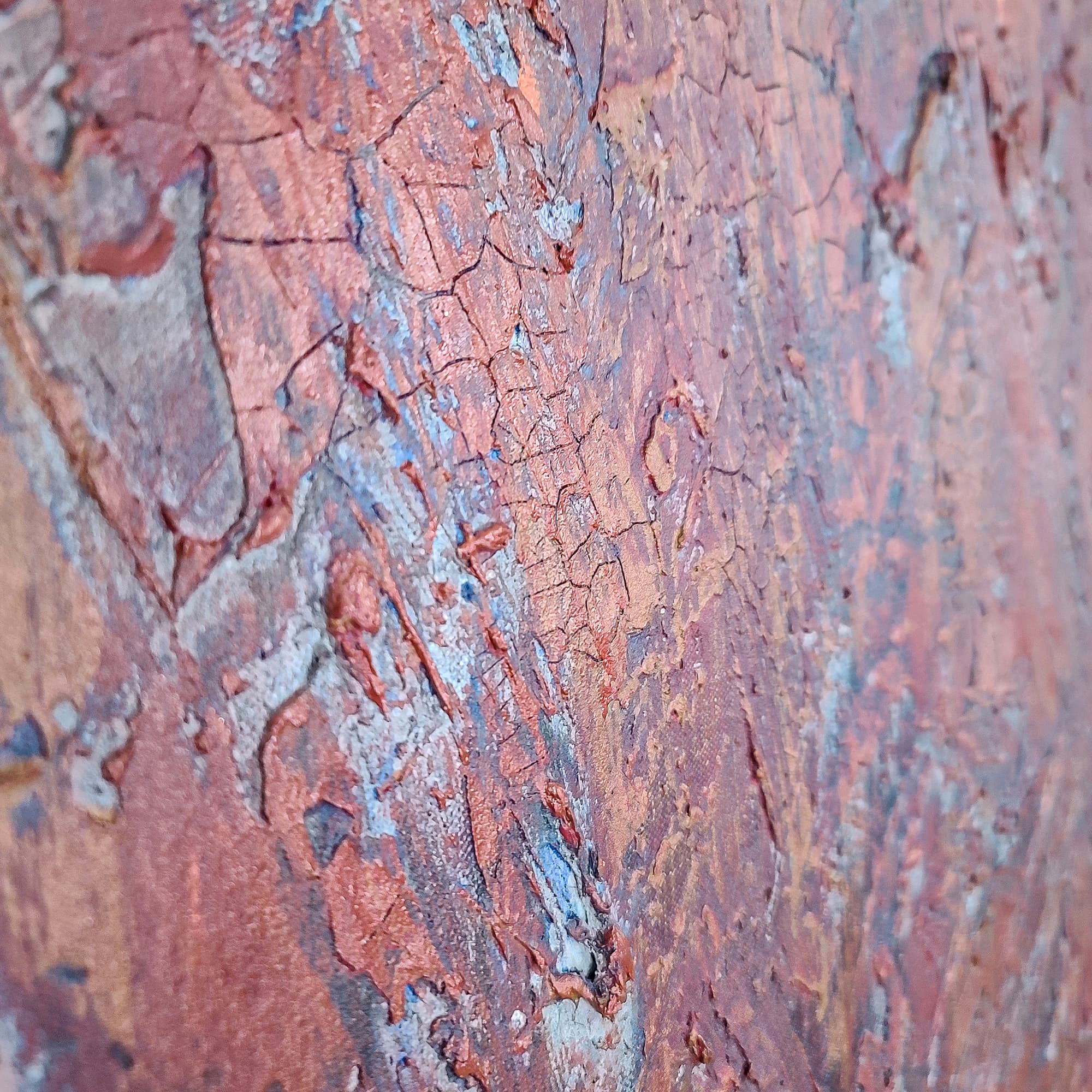
Most art sold online is flat. Even when printed on textured paper or canvas, the surface is uniform — the same at every point, from every angle. A real impasto painting is the opposite. The artist builds up the paint in deliberate ridges, peaks, and valleys. Light hits those surfaces differently depending on time of day, season, and where you stand. The painting is literally different at 8am than it is at 7pm. Nothing digital can reproduce this. No print can fake it.
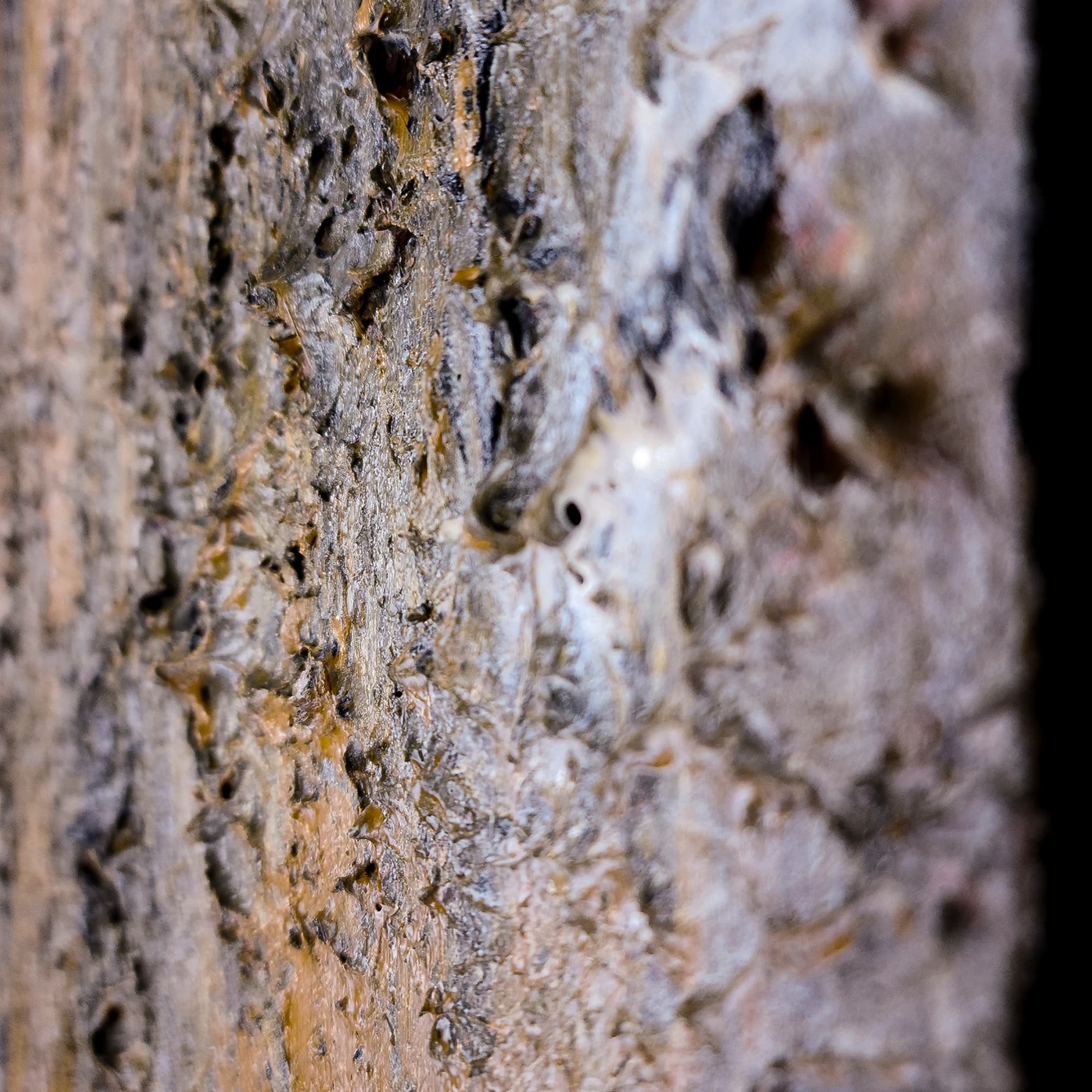
Lei-Kol works almost exclusively in heavy-body acrylics applied with palette knives, not brushes. This technique — impasto — dates back to Van Gogh and the Abstract Expressionists, and it produces a surface that is genuinely sculptural. You can see the physical trace of every decision the artist made. The sides of the canvas are painted too, so the texture wraps continuously around the stretcher bars. No frame needed — the painting is complete as an object.
For collectors, texture is also the surest proof of authenticity. You cannot mass-produce impasto. You cannot AI-generate it. A heavily textured original is, by its very nature, one of a kind. When you own a Lei-Kol textured painting, you own the physical object the artist touched — not a picture of it.
The Impasto Technique: Tools and Process
Impasto is the technique of applying paint thickly enough that it stands proud of the canvas surface — thick enough to hold its shape, cast shadows, and be felt by touch. It is not about more paint; it is about paint as structure. The artist builds a three-dimensional topography on a two-dimensional support.
Palette Knives
The primary tool. Flat, flexible steel blades in various shapes (trowel, diamond, angled) allow the artist to spread, scrape, and sculpt paint like stucco. Unlike brushes, palette knives do not absorb paint — every gram goes onto the canvas.
Heavy-Body Acrylics
Standard acrylic is too thin for impasto. Heavy-body acrylics have a viscosity closer to soft butter — they hold peaks and ridges without slumping. Brands like Golden and Liquitex produce professional heavy-body lines with high pigment loads.
Gel Mediums
Acrylic gel mediums are added to paint to extend it, increase transparency, or build texture without consuming pigment. Gloss gel creates glassy ridges; matte gel creates chalky, absorbent surfaces. Modeling paste can build extreme relief.
Drying Time Management
Thick acrylic layers can take days to fully cure. The artist must work in stages — applying a layer, waiting for it to dry, then building on top. Rushing creates cracking, clouding, or trapped moisture. Patience is structurally required.
Canvas Selection
Impasto is heavy. A heavily textured 48x60 painting can weigh 15-25 pounds before the stretcher bars. The canvas must be heavy-duty (12 oz or higher), properly stretched, and cross-braced on large formats to prevent sagging.
Varnishing Textured Surfaces
Varnishing an impasto painting is challenging — spray varnish reaches crevices that brush varnish misses. Satin or matte varnish preserves the texture's light-catching quality without adding unwanted gloss to every ridge.
Textured vs Flat Painting: A Visual Comparison
| Quality | Heavy Texture (Impasto) | Thin / Flat Painting |
|---|---|---|
| Surface | Sculptural — ridges, peaks, valleys up to 1/4 inch or more | Smooth or lightly textured — canvas weave may show through |
| Light interaction | Changes dramatically with light angle and time of day | Uniform appearance in all lighting conditions |
| Material usage | 2-5x more paint than a flat painting of the same size | Economical — thin layers cover large areas |
| Drying time | Days to weeks between layers; full cure can take months | Hours between layers; full cure in days |
| Photography challenge | Difficult to capture — depth flattens in 2D photos | Easy to photograph — looks nearly the same as in person |
| Touch experience | Irresistible to touch — dimensional surface invites interaction | Uniform — no tactile reward beyond the canvas texture |
| Mass production | Impossible to reproduce mechanically | Can be approximated by prints with gel coatings |
| Shipping complexity | Requires careful crating — surface must not be touched | Standard packing — flat surfaces are more resilient |
How Texture Catches Light
This is the single most important thing to understand about textured paintings. A flat painting reflects light uniformly — the entire surface returns light to your eye at roughly the same intensity, from roughly the same angle. An impasto painting does not. Every ridge casts a shadow. Every peak catches light from a slightly different direction. As the sun moves across a room — or as you walk past the painting — the surface shifts. Highlights move. Shadows deepen and recede. The painting appears to be alive.
This is why textured paintings are almost impossible to photograph well. A still photo captures one frozen moment of light — but the painting's entire magic is that it is different at every moment. Video helps, but even video flattens the dimensionality. The only way to truly experience an impasto painting is to stand in front of it and move. Online buyers of Lei-Kol's work consistently report that the paintings are more impressive in person than in photos — not despite the texture, but because texture resists documentation.
Famous Impasto Artists: The Tradition Lei-Kol Builds On
Vincent van Gogh
1853–1890
The most famous impasto painter in history. Works like Starry Night and Wheat Field with Cypresses use thick, directional strokes that make the paint itself part of the emotional content. Van Gogh squeezed paint directly from the tube onto the canvas and shaped it with palette knives — an approach Lei-Kol shares.
Rembrandt van Rijn
1606–1669
Centuries before acrylic existed, Rembrandt used thick oil impasto to create highlights that caught candlelight in his portraits. The lead-white highlights on noses, foreheads, and jewelry literally protrude from the canvas — a technique called 'klippwerk' in Dutch.
Frank Auerbach
1931–2024
British painter who built paintings with such extreme impasto that the paint becomes the subject. Some works have inches of accumulated pigment — paintings so heavy they require reinforced hanging systems. Auerbach proved impasto could be a lifelong artistic language.
Willem de Kooning
1904–1997
Abstract Expressionist who used thick, aggressive paint application — often mixing oil and enamel — to create surfaces that feel urgent and physical. His 'Woman' series uses impasto to blur the line between figure and abstraction.
Anselm Kiefer
1945–present
German artist who builds paintings with straw, ash, lead, and shellac — extreme mixed-media impasto that transforms painting into something closer to relief sculpture. His works can weigh hundreds of pounds.
Joan Mitchell
1925–1992
Second-generation Abstract Expressionist whose large-scale paintings use thick, gestural strokes of brilliant color. Her impasto is more lyrical than aggressive — the paint flows and pools rather than slashing.
Caring for Textured Paintings
Textured paintings require slightly different care than flat paintings. The raised surface is more vulnerable to dust accumulation in the crevices, and improper cleaning can damage the impasto peaks.
Dusting
Use a soft, dry, natural-bristle brush (like a clean makeup brush or a sable artist brush) to gently sweep dust from the textured surface. Do not use cloths, paper towels, or feather dusters — they snag on impasto peaks.
No liquids
Never use water, cleaning sprays, or solvents on the painting surface. Acrylic is water-resistant when cured, not waterproof. Liquids can seep into micro-cracks and cause clouding or delamination.
Light exposure
Acrylic is more UV-resistant than oil, but no painting should hang in direct sunlight. UV-filtering glass is not needed (acrylic does not yellow like oil varnish), but indirect light preserves colors longest.
Temperature & humidity
Keep the painting in a stable environment — 65-75°F, 40-55% relative humidity. Avoid hanging above radiators, fireplaces, or air conditioning vents. Rapid temperature changes can crack thick acrylic layers.
Avoid touching
Impasto invites touch — but fingers deposit oils and dirt that embed in the textured surface. Encourage guests to look, not touch. If a painting must be handled, wear clean cotton gloves.
Storage
If you must store a textured painting, wrap it in glassine paper first, then bubble wrap with the bubbles facing outward. Never place anything directly against the painted surface. Store vertically, not flat.
Explore Related
Dive Deeper Into Texture
Original Abstract Paintings
How abstract composition and impasto texture combine in Lei-Kol's signature style.
Large Textured Wall Art
Why texture at scale creates an entirely different presence than texture on a small canvas.
Textured Acrylic Painting Cost
How the labor-intensive impasto process factors into original art pricing.
One-of-a-Kind Original Art
Why textured originals are impossible to reproduce — and why that matters for collectors.
Original Art vs Prints
Why no print can replicate the dimensionality of a real impasto painting.
Art Gallery
Browse every textured original currently available in the catalog.