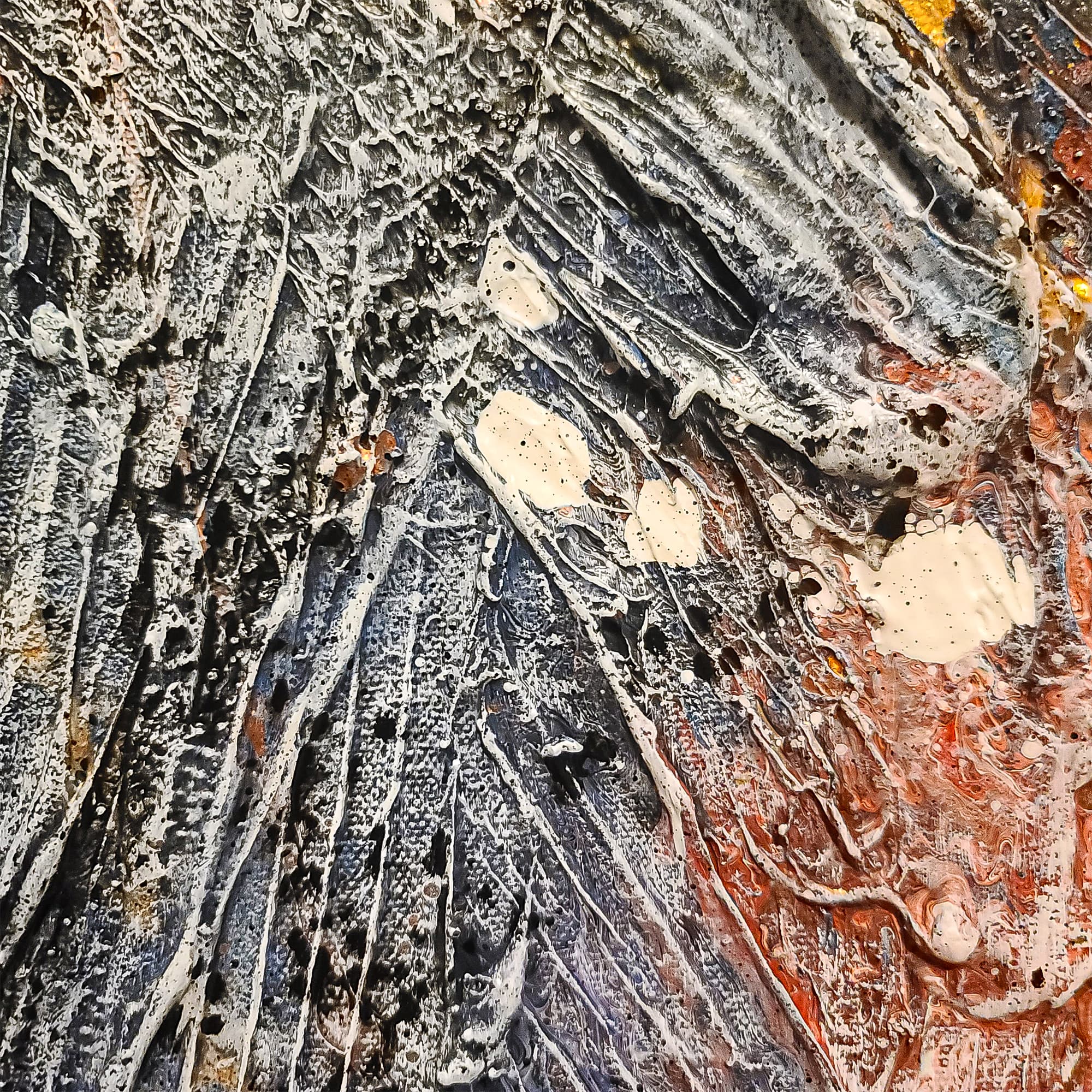
North America · 17 cities
Buy Original Art
in Canada
Original heavy-texture acrylic paintings shipping to 17 cities across Canada. Pay with Bitcoin, Ethereum, or PayPal. Fully insured international delivery.
30
Original Paintings
17
Cities in Canada
$999–$3,499
Price Range
6+
Crypto Options
Art Market
Art Collecting in Canada
The US alone accounts for roughly 44% of global art sales. From New York's Chelsea galleries to Miami's Art Basel, North American collectors drive the contemporary market.
Lei-Kol heavy-texture acrylic paintings are built for collectors who demand authenticity. Every piece is a true original — hand-painted with thick impasto layers that create sculptural depth. No prints, no reproductions, no editions. Each canvas ships directly to Canada with full insurance and professional crating.
For buyers anywhere in the US and Canada, domestic shipping is free and fully insured. Paintings arrive in 5-7 business days in museum-quality packaging.
We accept Bitcoin, Ethereum, USDC, Dogecoin, Litecoin, DAI, PayPal, and credit cards — making acquisition straightforward from anywhere in Canada.
Why Original Art
Why Collectors in Canada Choose Original Textured Art
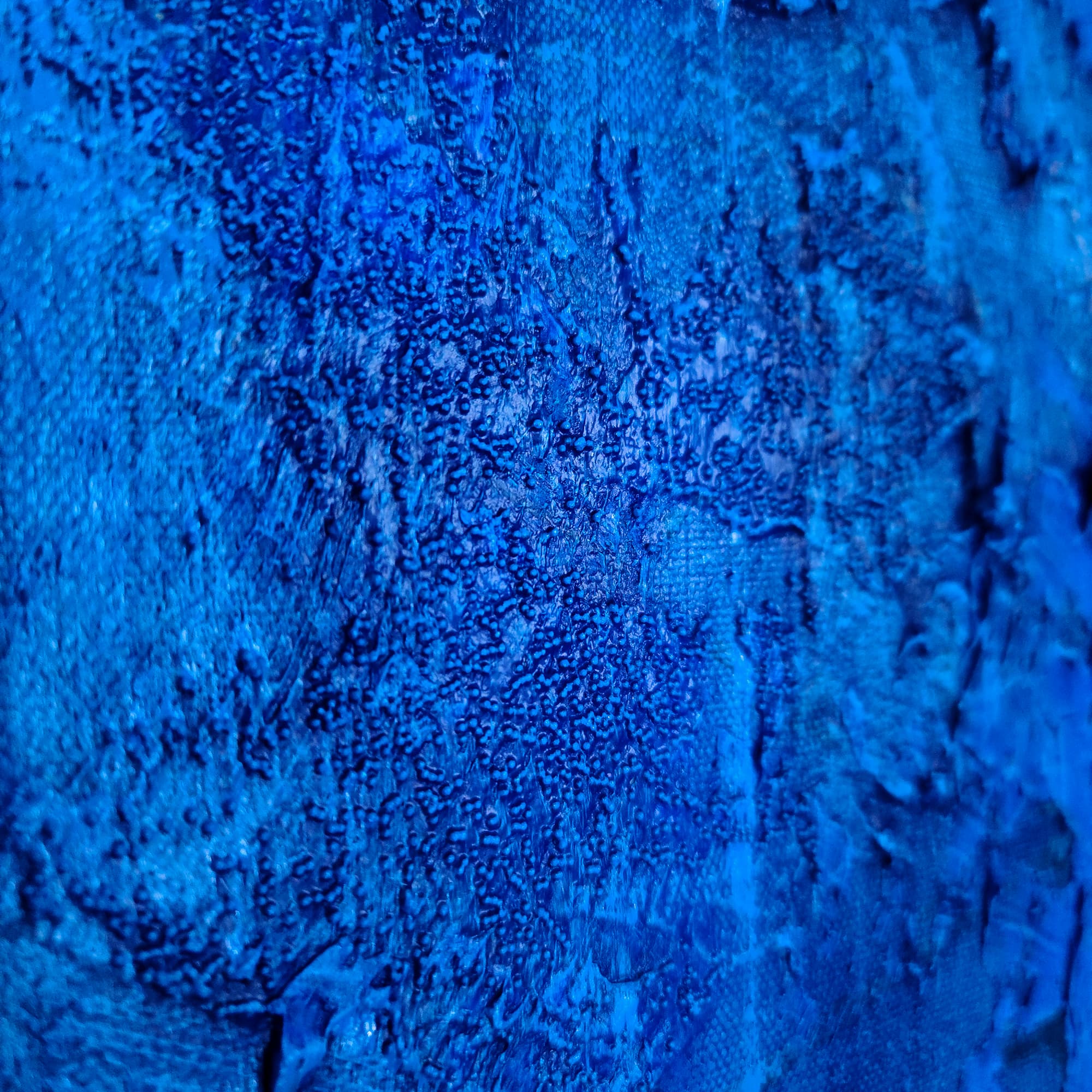
North American collectors are among the most sophisticated art buyers in the world, and they increasingly seek works with genuine physical presence — pieces that cannot be replicated digitally or mistaken for a print. Original heavy-texture acrylic paintings offer exactly that. Each Lei-Kol canvas is built with thick impasto layers, palette-knife strokes, and three-dimensional surface topography that shifts with the light throughout the day. In an era of AI-generated images and mass-produced wall decor, an original textured painting communicates taste, conviction, and a refusal to settle for the ordinary. For US-based collectors, free domestic shipping from our Arizona studio means acquiring an original is as straightforward as buying online — but the result is a one-of-a-kind asset that appreciates over time. Canadian collectors benefit from NAFTA-adjacent logistics and can pay in CAD-pegged stablecoins or directly via wire. Crypto payments eliminate international banking delays entirely, making cross-border art acquisition a same-day experience.
What Makes Textured Art Different
- ✓ Every brushstroke is physical — no digital reproduction can replicate impasto depth
- ✓ Light plays across the surface differently at every hour of the day
- ✓ Each canvas is a one-of-a-kind original — no editions, no prints, no copies
- ✓ Thick acrylic layers are archival quality — built to last for generations
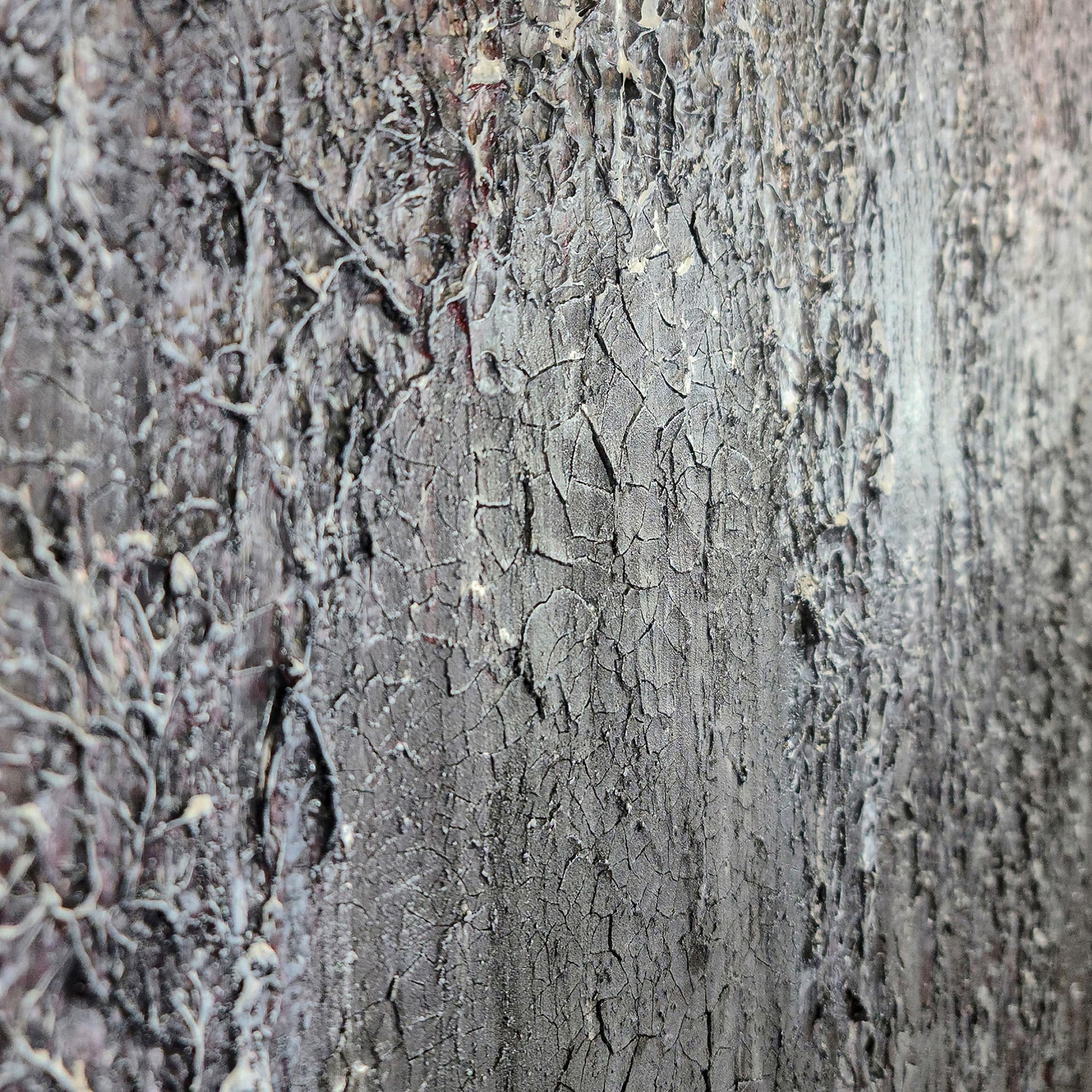
“Texture is the first language of painting. Before your eye registers color or form, your hand wants to reach out and touch the surface. That impulse — that physical pull — is what separates a real painting from everything else we see on screens.”
Every painting in the collection is built with this philosophy. The heavy palette-knife work, layered acrylic medium, and deliberate surface variation create a painting that lives in three dimensions — not just as an image, but as an object with weight, presence, and the ability to transform a room.
Shipping & Payment
Shipping to Canada
Delivery
Free professional delivery to all 50 US states and Canada. No customs for domestic US buyers. Paintings ship from Arizona in custom crates, typically arriving in 5-7 business days.
All paintings are professionally crated at our Arizona studio. Each crate is custom-built to the canvas dimensions with foam-lined interior and reinforced edges. Domestic shipments are fully tracked and insured at declared value.
Crypto Payment
The US and Canada have among the highest crypto adoption rates globally. Bitcoin, Ethereum, and stablecoin payments are increasingly standard for luxury purchases.
We also accept PayPal, Visa, Mastercard, and American Express. Crypto payments are processed instantly with no exchange fees on our side — you send the agreed cryptocurrency amount, and we ship.
How It Works
Ordering Original Art from Canada
Choose Your Painting
Browse the collection of original heavy-texture acrylic paintings. Every piece is a true one-of-a-kind — when it is gone, it is gone. Contact us with any questions about scale, color, or how a piece will look in your space in Canada.
Pay with Crypto or Card
Pay directly with Bitcoin, Ethereum, USDC, or any accepted cryptocurrency. Also accepting PayPal and major credit cards. No sales tax collected on crypto transactions. Your payment is confirmed instantly.
Receive at Your Door in Canada
Your painting is professionally crated and dispatched from our Arizona studio. Free shipping to all 50 US states and Canada, arriving in 5-7 business days.
Top Cities
Cities We Ship To in Canada
+ 9 more cities — contact us for delivery to any location
Art Trivia
Art Scene in Canada
Toronto
The Art Gallery of Ontario underwent a major Frank Gehry renovation, making it one of the most architecturally significant art museums in North America.
Montreal
Montreal Museum of Fine Arts is one of Canada's oldest and most prominent art institutions, with an encyclopedic collection spanning 5,000 years.
Vancouver
The Vancouver Art Gallery is the largest art museum in Western Canada, renowned for its Emily Carr collection and contemporary Indigenous art.
Investment Perspective
Art Investment in Canada
The North American art market is the most liquid in the world. Contemporary originals by emerging and mid-career artists have historically outperformed inflation. A 2023 Deloitte art and finance report noted that 85% of wealth managers see art as a legitimate wealth-preservation asset class. Crypto-native buyers are accelerating this trend — stablecoin settlements close in minutes, not weeks. For US collectors, 1031 like-kind exchange strategies may apply to art held for investment purposes. Canadian collectors benefit from a strong cultural sector with generous art acquisition incentives.
Past performance does not guarantee future appreciation. Art is not a liquid asset. Consult your tax and financial advisors for advice specific to your situation in Canada.
Key Stats
44%
North America’s share of global art sales
85%
Of wealth managers view art as a legitimate asset class (Deloitte 2023)
~$65B
Estimated global art market value
$0
Free domestic shipping. No sales tax on crypto.
The Collection
Original Paintings Shipping to Canada
Each painting below is a true original — a single, hand-painted canvas with heavy acrylic texture. When a piece sells, that specific painting is gone forever. No edition runs. No reproductions. Browse the collection and find the one that speaks to you, whether you are furnishing a home in the US or Canada or building a serious contemporary collection.
Art
Bipolar
48 × 60 × 1.5 in
$3,499
Art
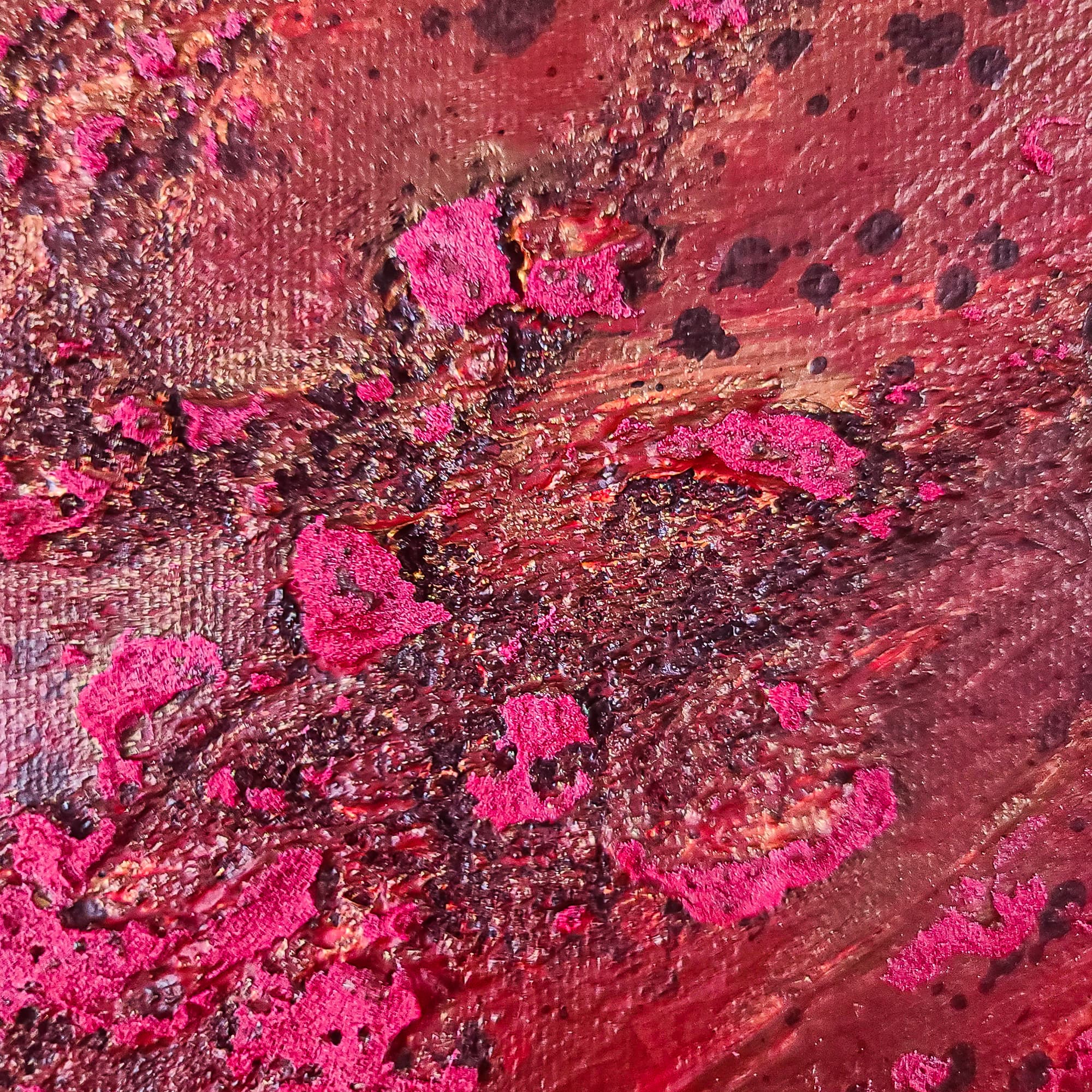
Blood Moon
30 × 40 × 0.5 in
$1,199
Art
Blue Denim
48 × 48 × 1.5 in
$1,699
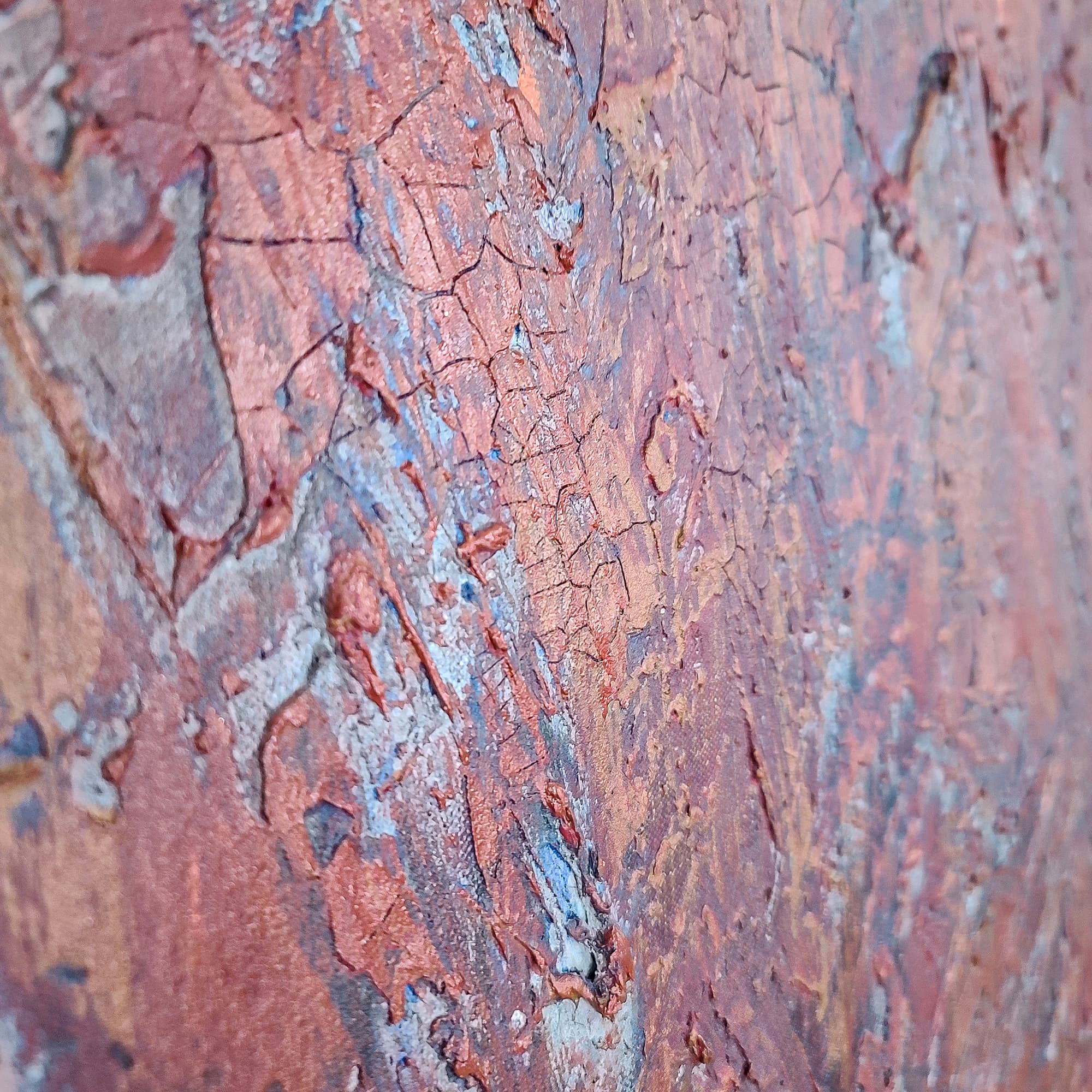
Art
Brick and Mortar
48 × 60 × 1.5 in
$3,499
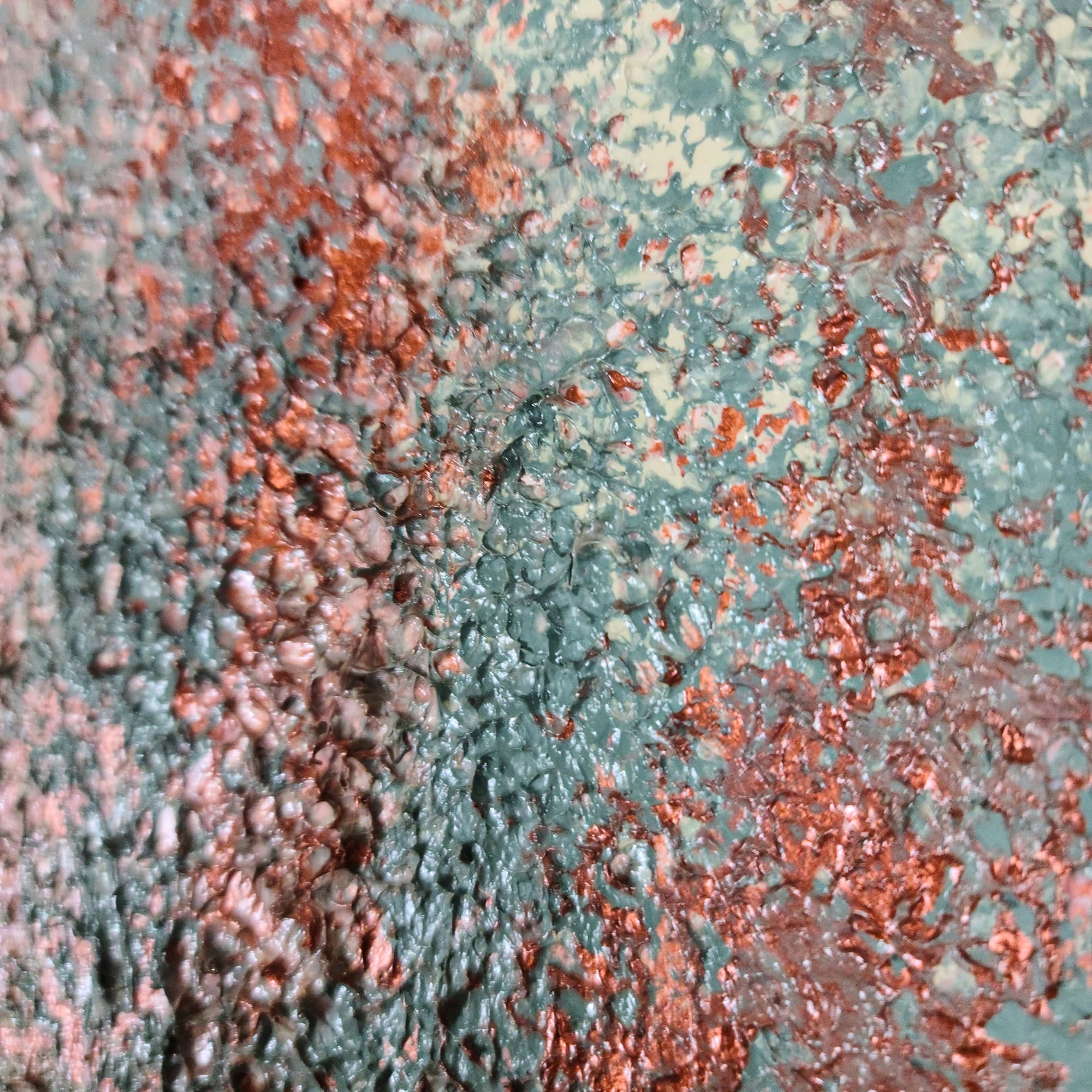
Art
Cheesecake
24 × 48 × 1.5 in
$1,099
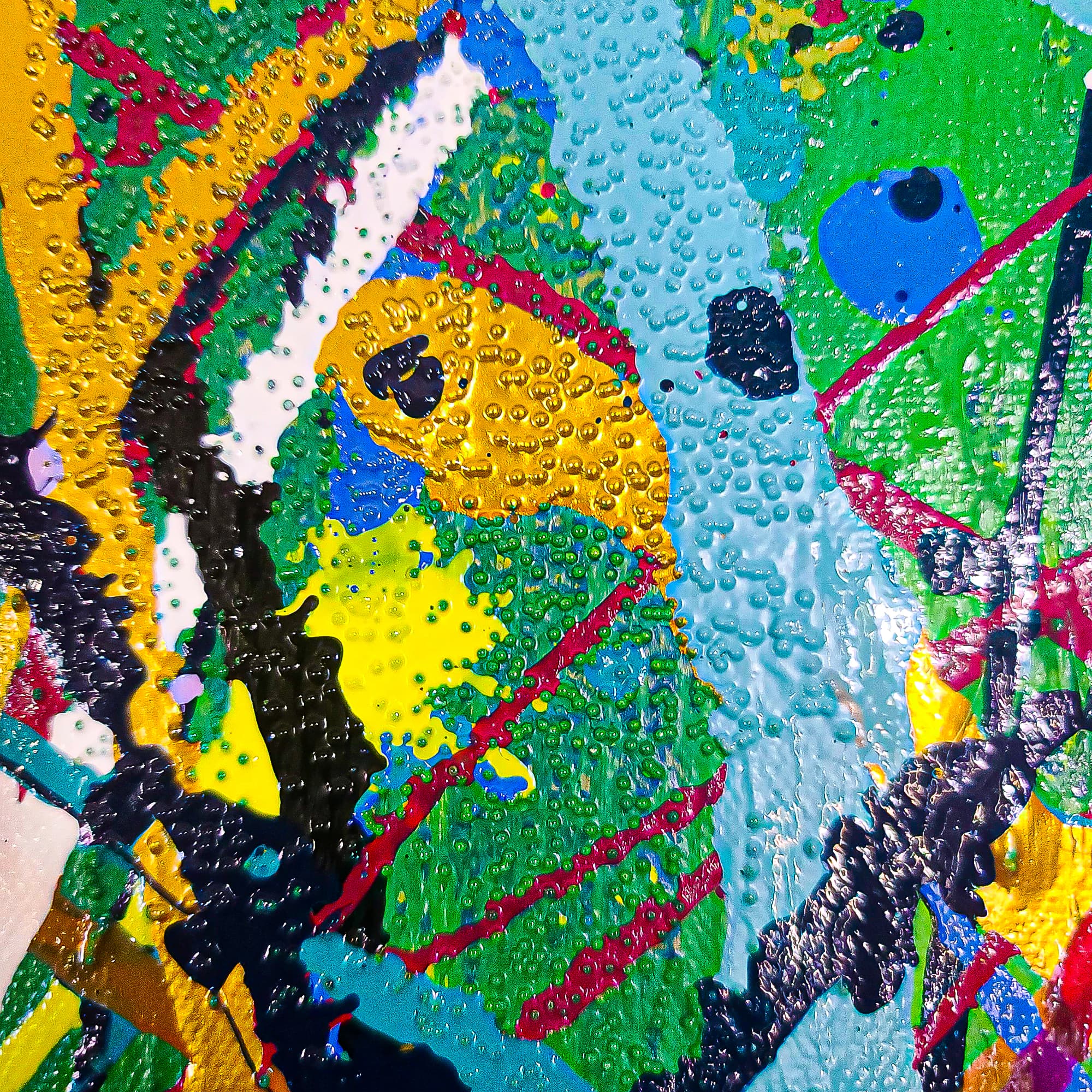
Art
Dominion
48 × 60 × 1.5 in
$3,499
Art
Graffiti
30 × 48 × 1.5 in
$2,199
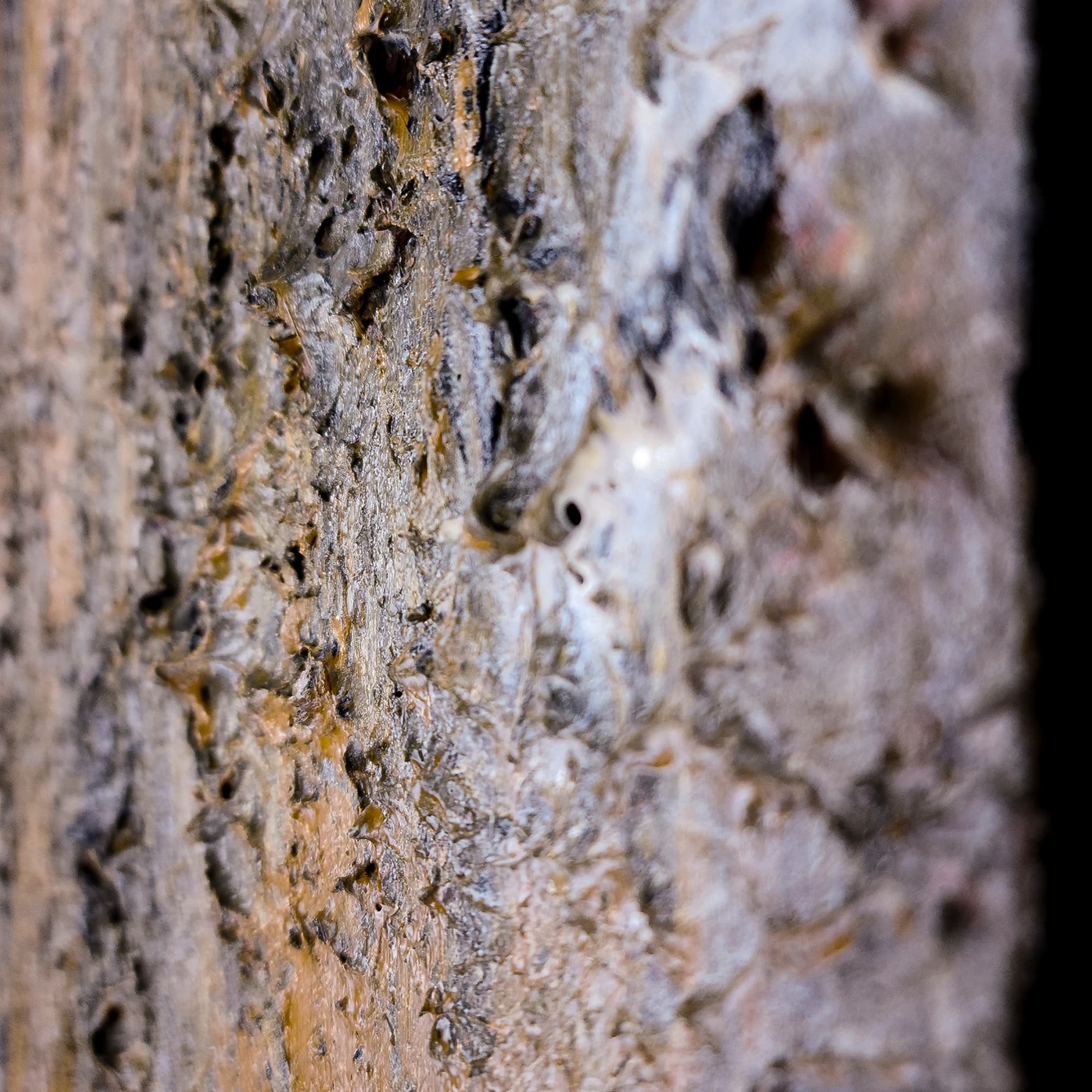
Art
Gray Day
24 × 36 × 0.75 in
$1,199
What Heavy Texture Means
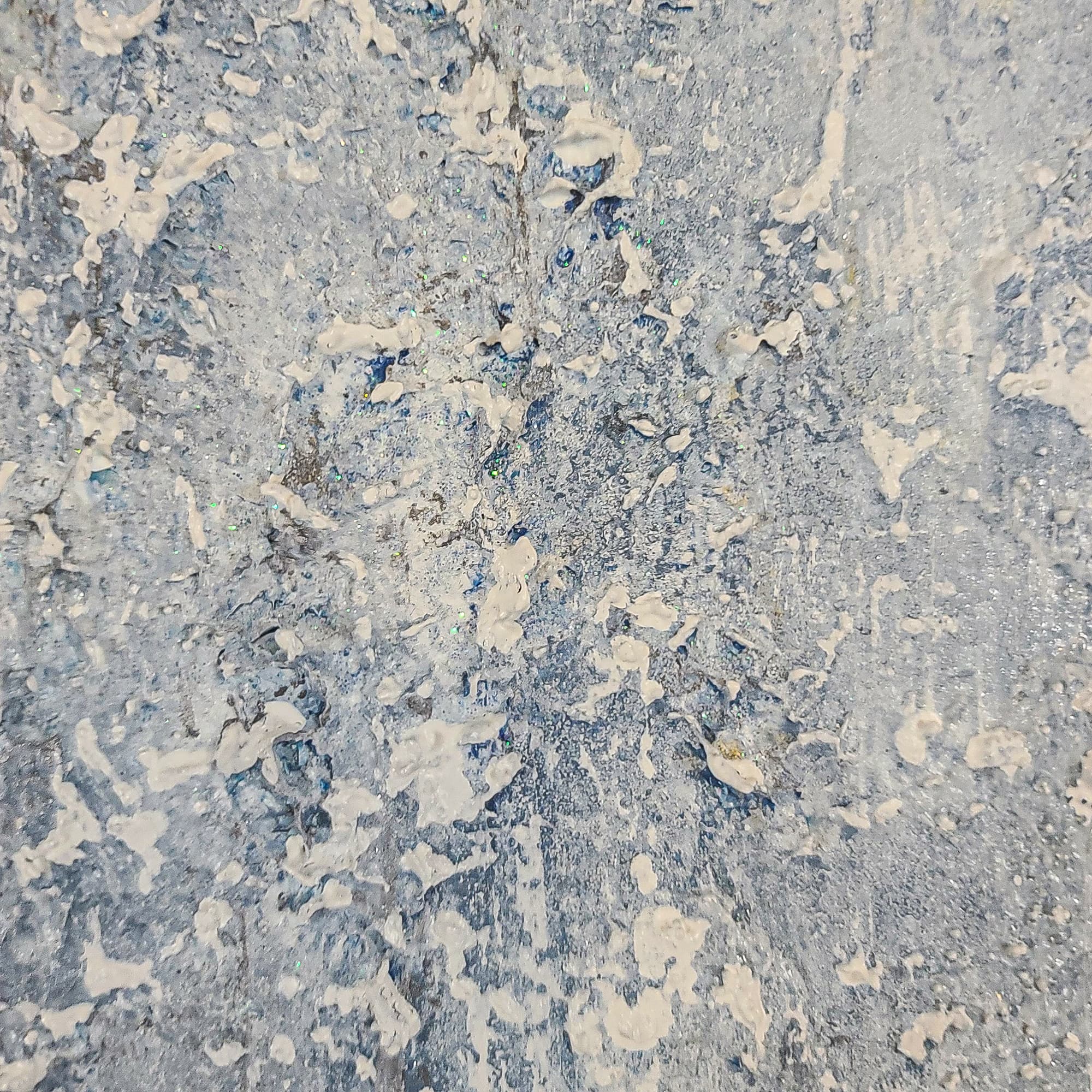
Heavy-texture acrylic painting — also called impasto — is a technique where paint is applied so thickly that it holds the stroke of the knife or brush. The surface becomes sculptural. When light hits it, you see actual shadows cast by the paint peaks. When you walk past it, the painting seems to change because the texture catches light from different angles.
This is the opposite of a flat print. It is physical art — you can feel the surface without touching it, just by looking. And because the acrylic medium is archival and UV-stable, these paintings will look the same in 50 years as they do today.
For collectors in Canada, this means bringing a genuine original into your space — an object with weight, presence, and the unmistakable evidence of the artist’s hand in every square inch.
FAQ
Questions About Ordering from Canada
Do you ship to Canada?
Yes. We ship original paintings to 17 cities across Canada with professional crating and full insurance. Every shipment is tracked and insured at declared value. Domestic US and Canadian orders ship free.
How much does shipping cost?
Free shipping to all 50 US states and Canada.
Can I pay in crypto?
Yes. Crypto payments are borderless — pay in Bitcoin, Ethereum, USDC, Dogecoin, Litecoin, or DAI from anywhere. We also accept PayPal, Visa, Mastercard, and American Express.
Are crypto art purchases tax-free?
Crypto transactions for art purchases are treated like any other payment method for tax purposes. No sales tax is collected at the time of a crypto purchase, but buyers should consult their tax advisor regarding use tax and capital gains implications. Paintings shipped within the US have no customs or duties.
Are the paintings really one-of-a-kind?
Yes. Every Lei-Kol painting is a true original — hand-painted on a single canvas, using heavy-body acrylic applied with palette knives and brushes. The impasto texture creates a three-dimensional surface that is physically impossible to reproduce digitally or through printing. When a piece sells, that specific painting is gone forever. No edition runs, no reproductions.
How long does shipping take?
Domestic shipments within the US and Canada typically arrive in 5-7 business days. Paintings are professionally crated at our Arizona studio and shipped via trusted carriers with full tracking and insurance.
What if my painting arrives damaged in Canada?
Every painting is shipped in a custom-built crate with foam-lined interior and reinforced edges. In the unlikely event of transit damage, the shipment is fully insured at declared value. We coordinate a replacement or refund — you are never left holding a damaged piece.
How do I know what size painting to buy?
We recommend measuring your wall and using painter’s tape to outline the dimensions. A large statement piece (48x36 inches or larger) works well above a sofa, bed, or dining table. Medium-sized canvases (24x36 inches) are versatile for hallways, offices, or smaller walls. Contact us with your room dimensions and we can suggest pieces that fit your space.
Get in Touch
Ready to Order?
Tell us which painting you are interested in and where in Canada it is shipping.