Read Kobe's cultural exchange through objects, not stereotypes
Kobe's official tourism guide says the City Museum organises its history around cultural exchange between Japan and other countries. It identifies holdings such as Namban art, historical maps, glass, and archaeological material, while the museum's own site separates history, regional cultural property, and collection displays. That evidence supports comparison across media and periods; it does not reduce the city to a single maritime look or establish private buying preferences.
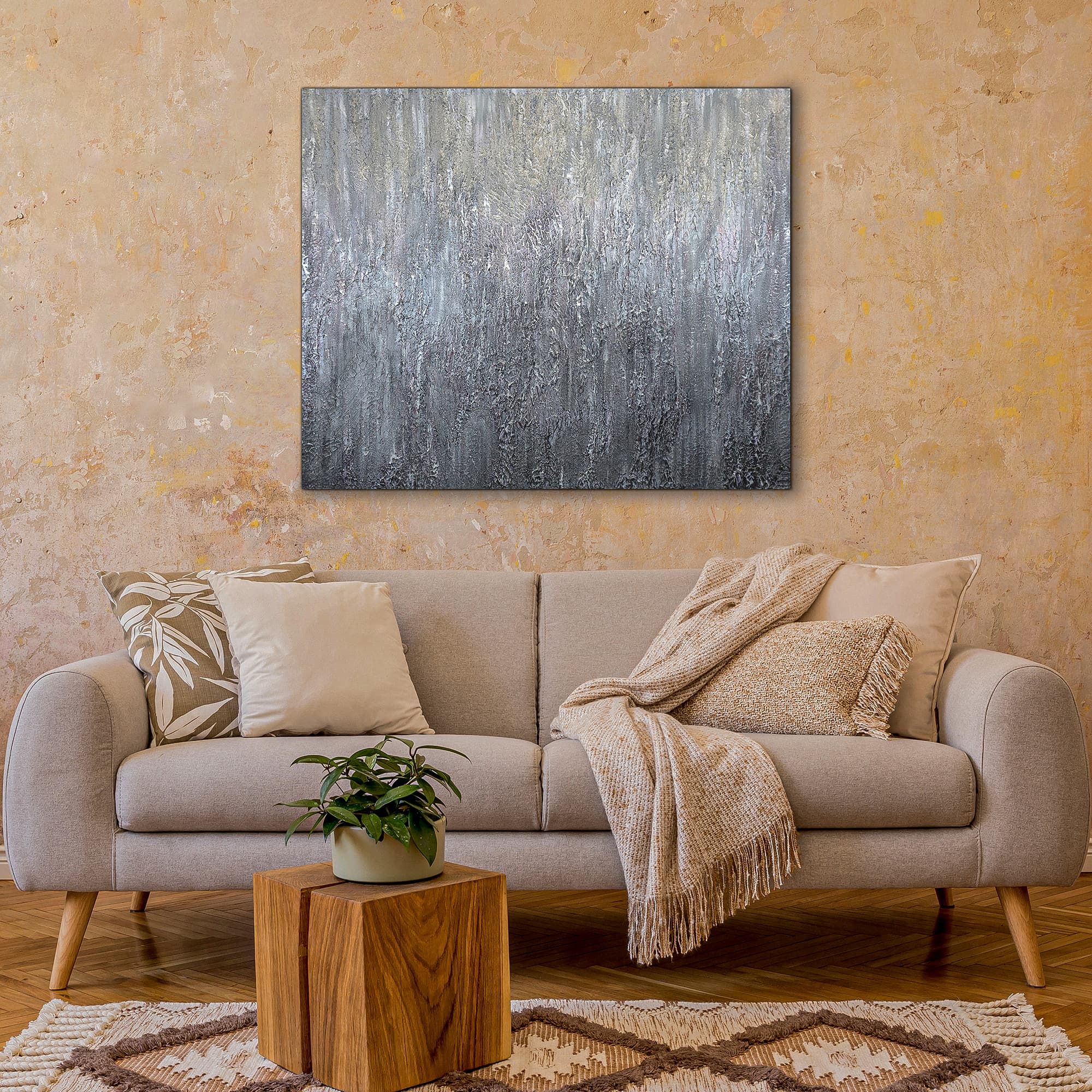
Choose a few objects whose scale or material relates to the proposed artwork and note what is directly visible: surface reflection, edge depth, colour relationships, framing, and the distance needed to read detail. Repeat those observations in the actual Kobe room using measured photographs under its normal lighting. A port history can sharpen questions about exchange and context, but the owner, wall, and existing furnishings must determine whether a work fits.