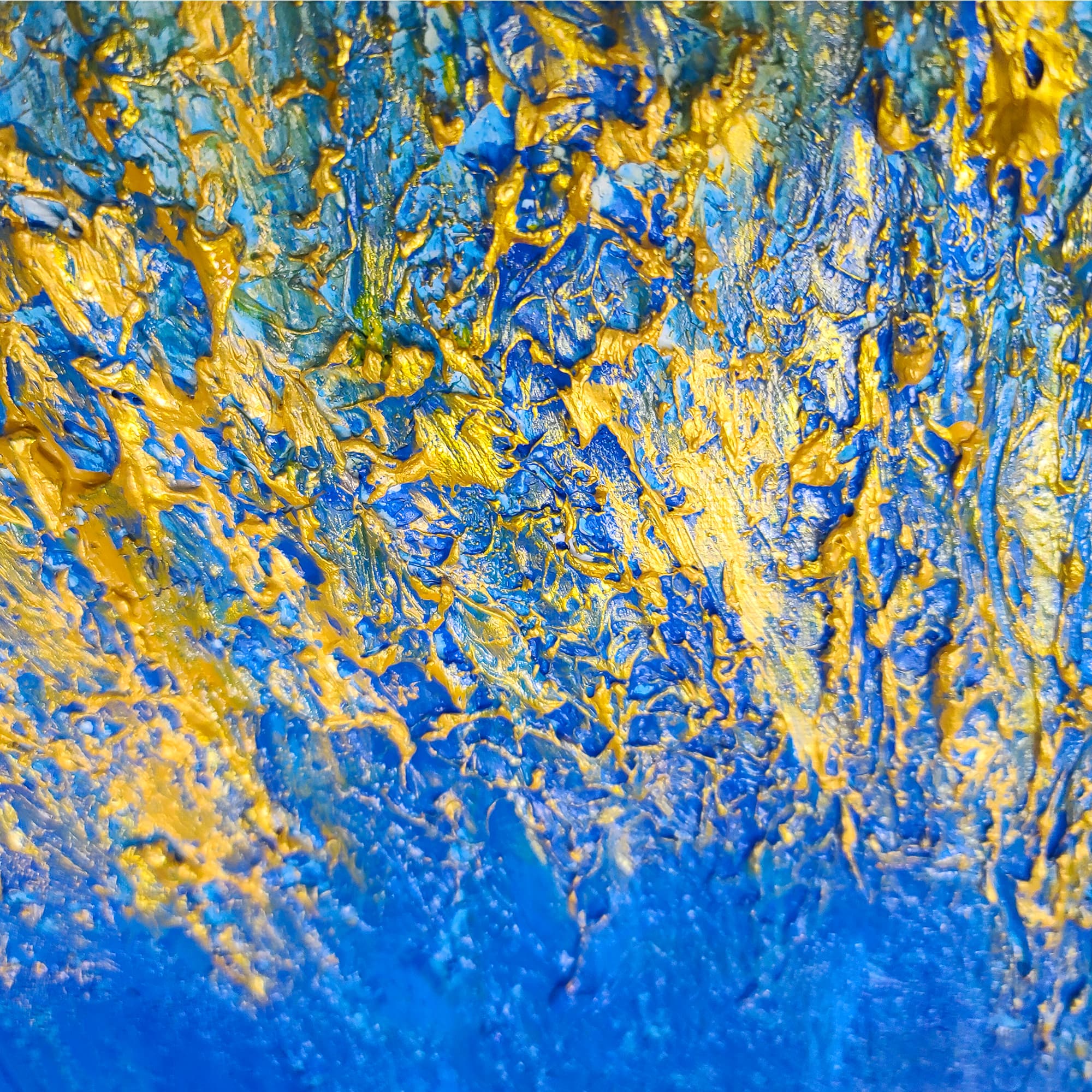
Art & Culture
Art in Tokyo
Tokyo's art scene is a dizzying collision of ancient tradition and technological futurism. In Roppongi, the 'Art Triangle' formed by the Mori Art Museum, the National Art Center, and the Suntory Museum of Art brings world-class exhibitions to a single neighborhood. Meanwhile, the narrow streets of Yanaka preserve a quieter artistic heritage, with ceramicists and woodblock printers working in studios that have operated for generations.
The digital art revolution has found its spiritual home in Tokyo. TeamLab's immersive installations redefined what an art experience could be, and the city continues to lead the world in merging technology with artistic expression. From generative art projected onto shrine walls to AI-created works exhibited in Shibuya galleries, Tokyo treats technology as a creative medium, not just a tool.
For collectors, Tokyo offers extraordinary depth. The spring and autumn gallery seasons bring intense programming to Ginza, Roppongi, and the rapidly growing Tennozu Isle gallery district. Japanese collectors are among the world's most sophisticated, and the city's auction houses — including SBI Art Auction and Shinwa — regularly set records for modern and contemporary Japanese art.
Iconic Connection
Katsushika Hokusai's 'Thirty-Six Views of Mount Fuji' series, created in Tokyo (then Edo) between 1830-1832, transformed the art world's understanding of Japanese aesthetics. His iconic Great Wave influenced everyone from Monet to Debussy, proving that Tokyo has been shaping global art for centuries.
Art Facts
Tokyo by the Numbers
Tokyo's Mori Art Museum, perched on the 53rd floor of Roppongi Hills, is one of the highest art museums in the world and focuses on contemporary Asian art.
The Teamlab Borderless and Teamlab Planets installations in Tokyo pioneered immersive digital art experiences, attracting millions of visitors and inspiring similar spaces worldwide.
Tokyo's Ginza district has been Japan's premier gallery destination since the Meiji era, with over 300 galleries ranging from traditional ukiyo-e specialists to cutting-edge contemporary spaces.
The Nezu Museum in Omotesando houses a priceless collection of pre-modern Japanese and East Asian art, including seven designated National Treasures.
Tokyo's art vending machines — yes, actual vending machines — sell original artworks by emerging artists for as little as ¥1,000 (about $7), blurring the line between commerce and culture.
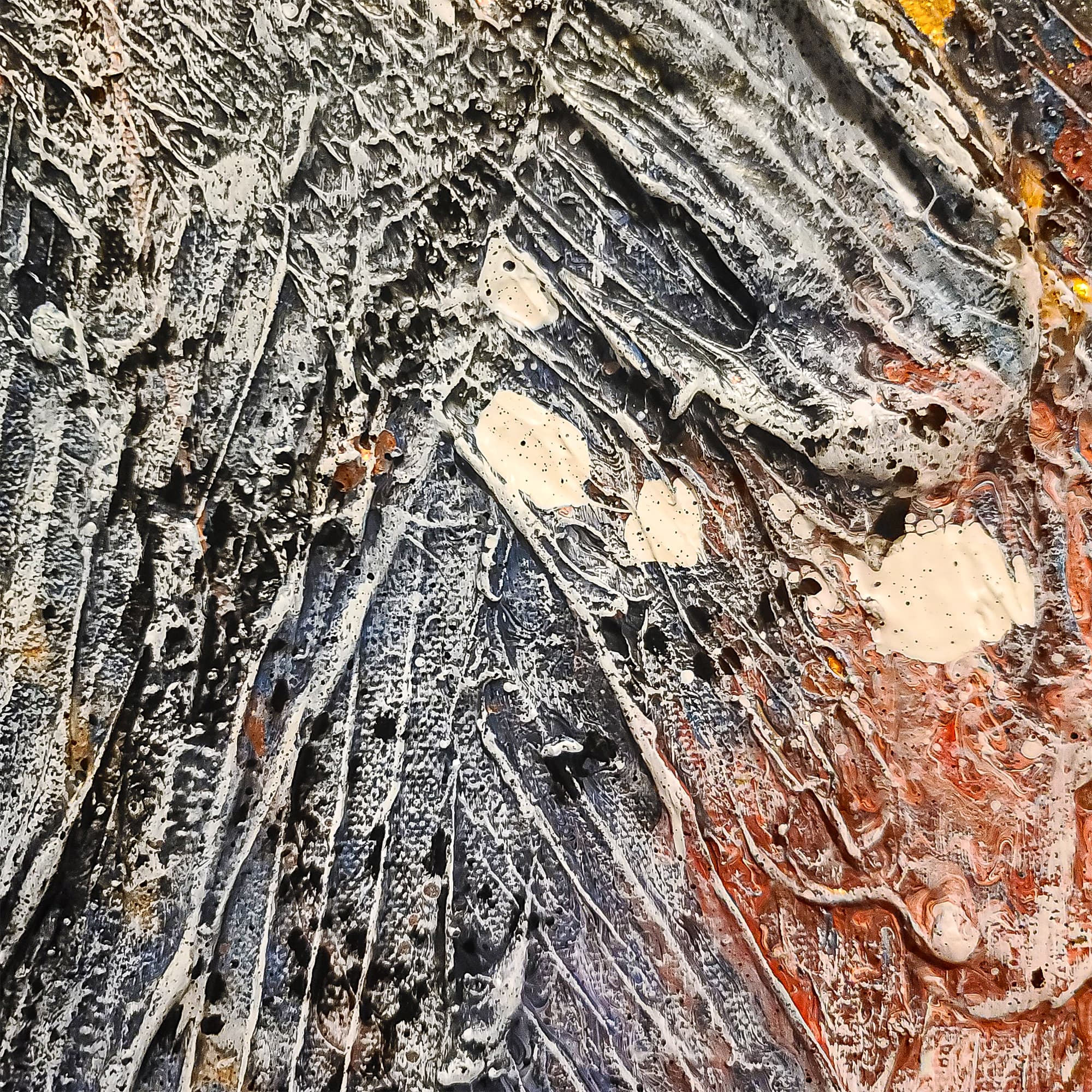
Every painting is a one-of-a-kind original
Heavy impasto texture creates sculptural depth that flat prints cannot replicate
The Collection
Original Paintings for Tokyo
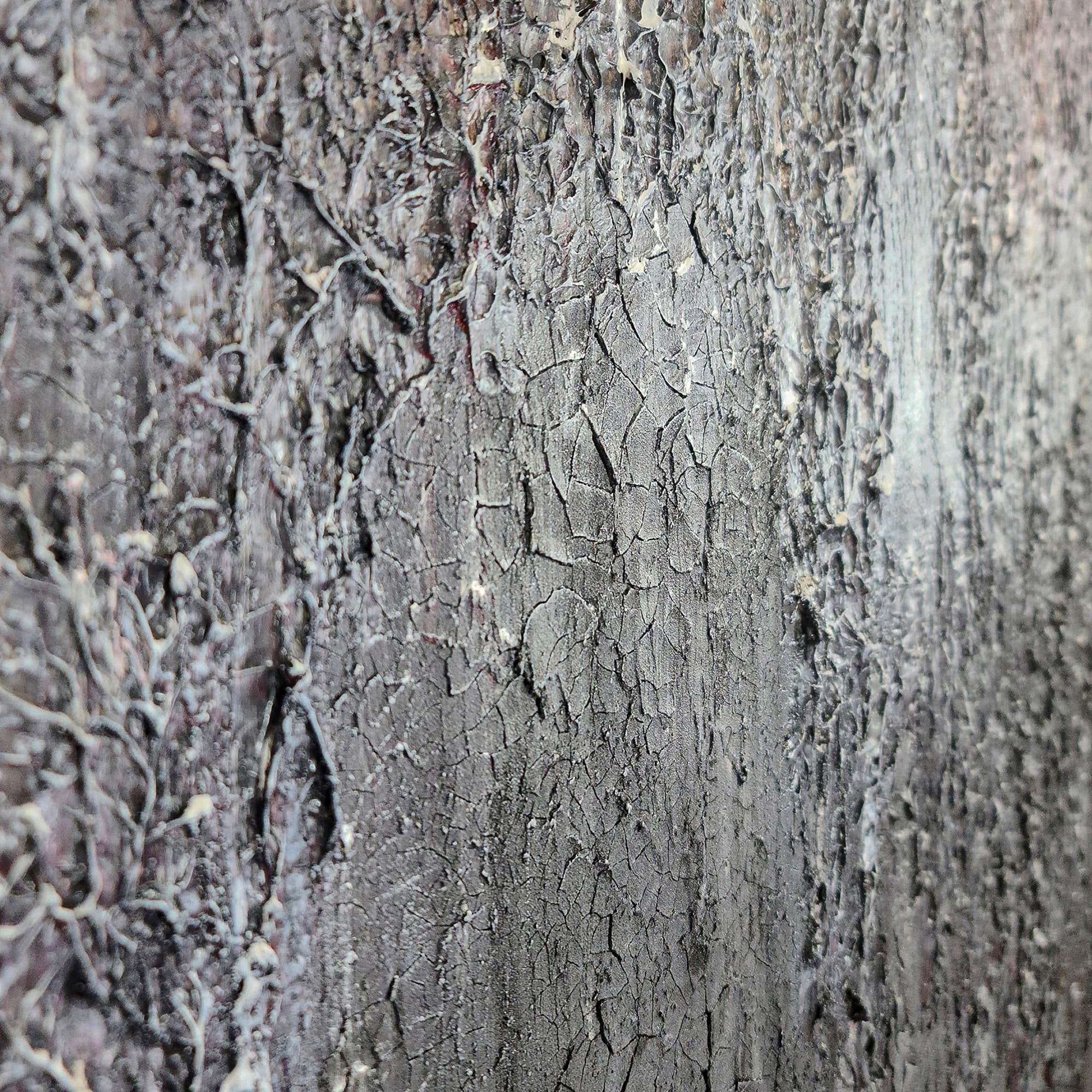
Art
Bipolar
48 × 60 × 1.5 in
$3,499
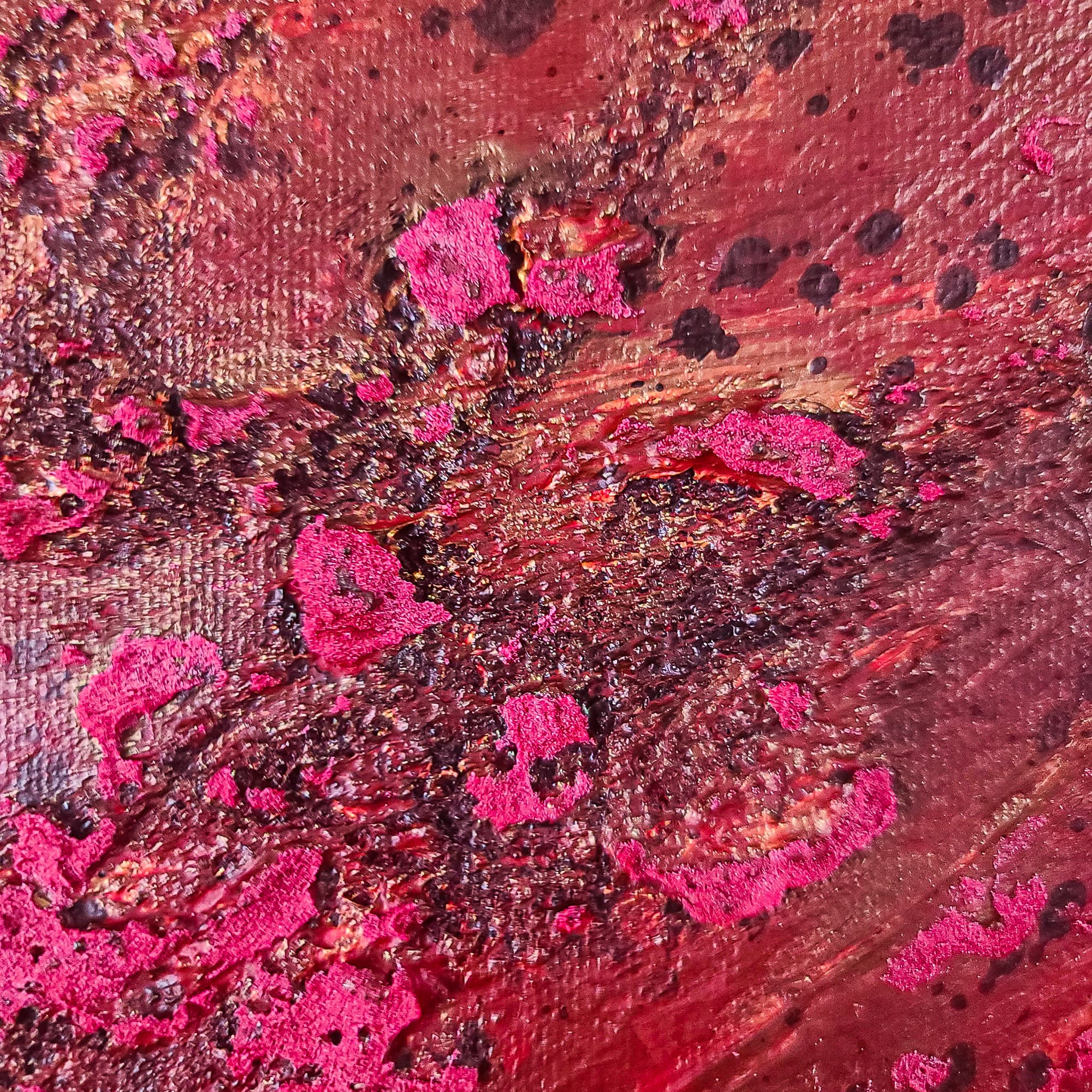
Art
Blood Moon
30 × 40 × 0.5 in
$1,199
Art
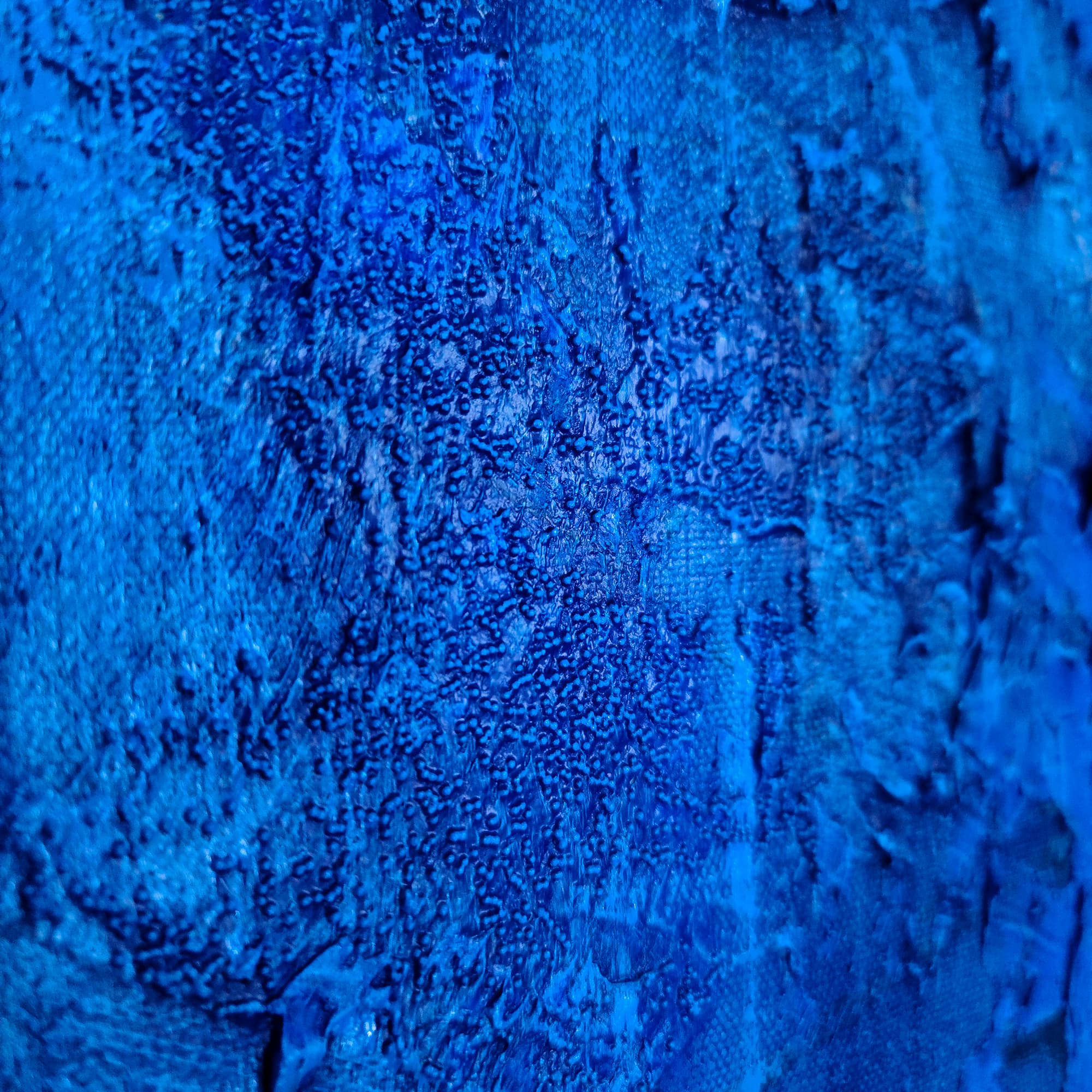
Blue Denim
48 × 48 × 1.5 in
$1,699
Art
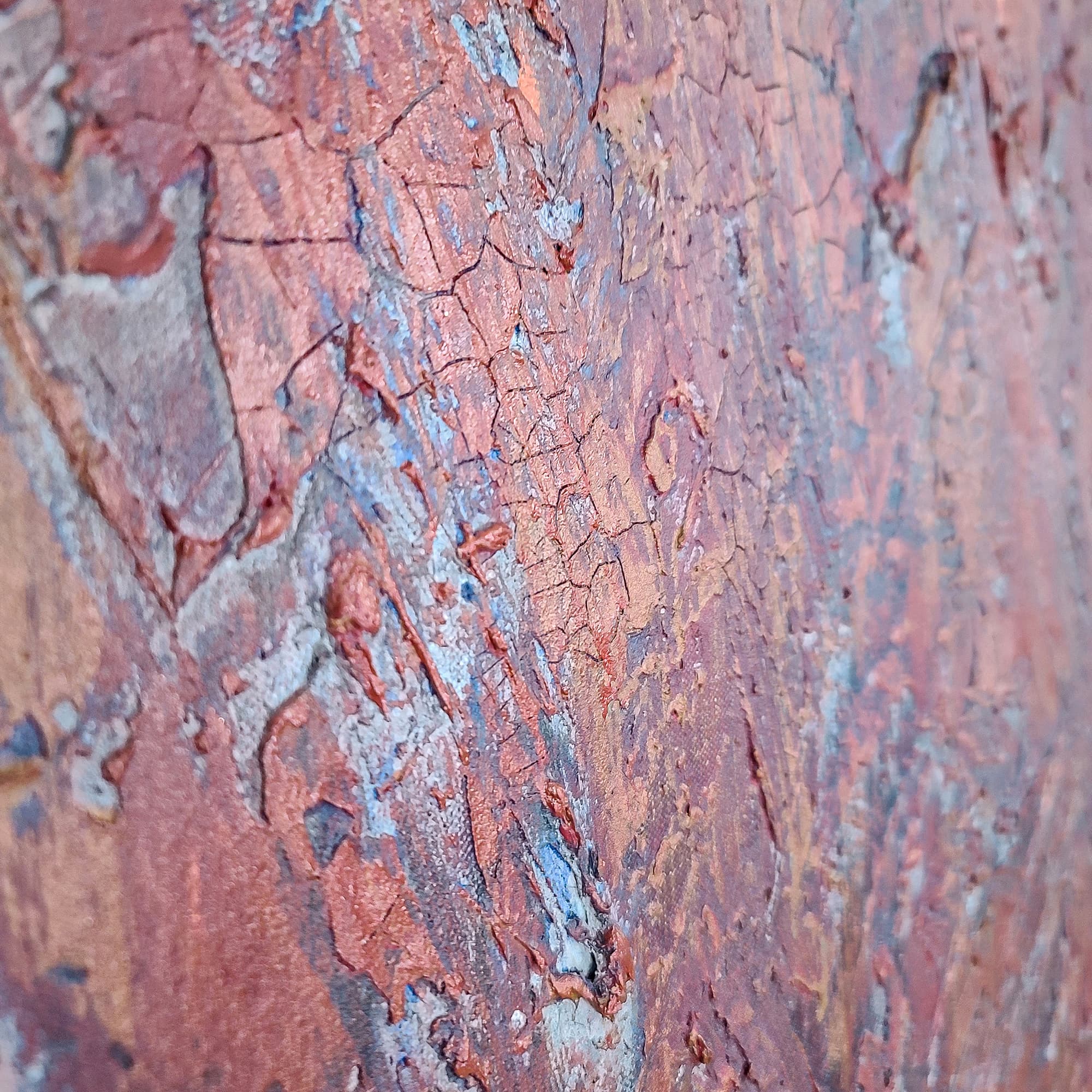
Brick and Mortar
48 × 60 × 1.5 in
$3,499
Art
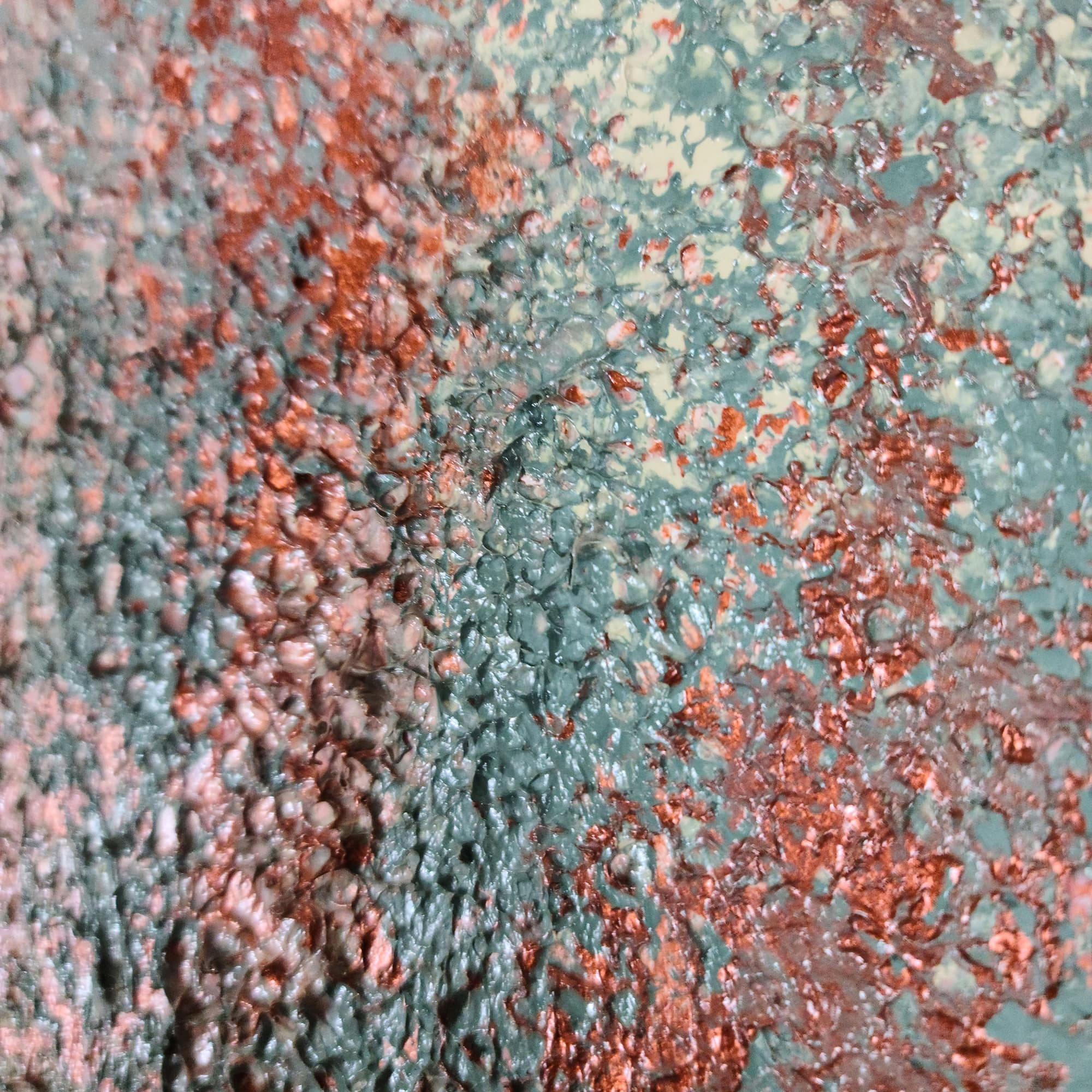
Cheesecake
24 × 48 × 1.5 in
$1,099
Art
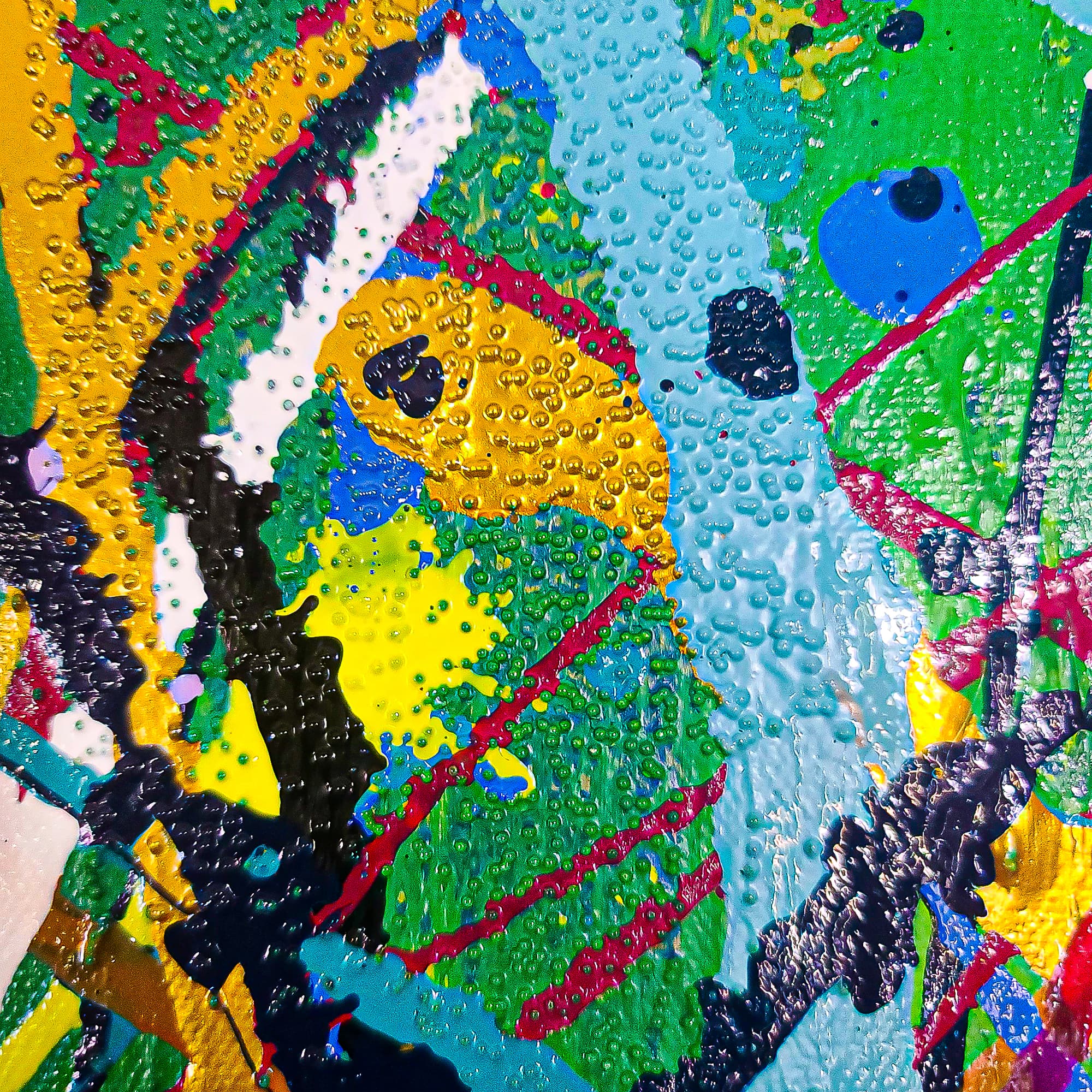
Dominion
48 × 60 × 1.5 in
$3,499
Art
Graffiti
30 × 48 × 1.5 in
$2,199
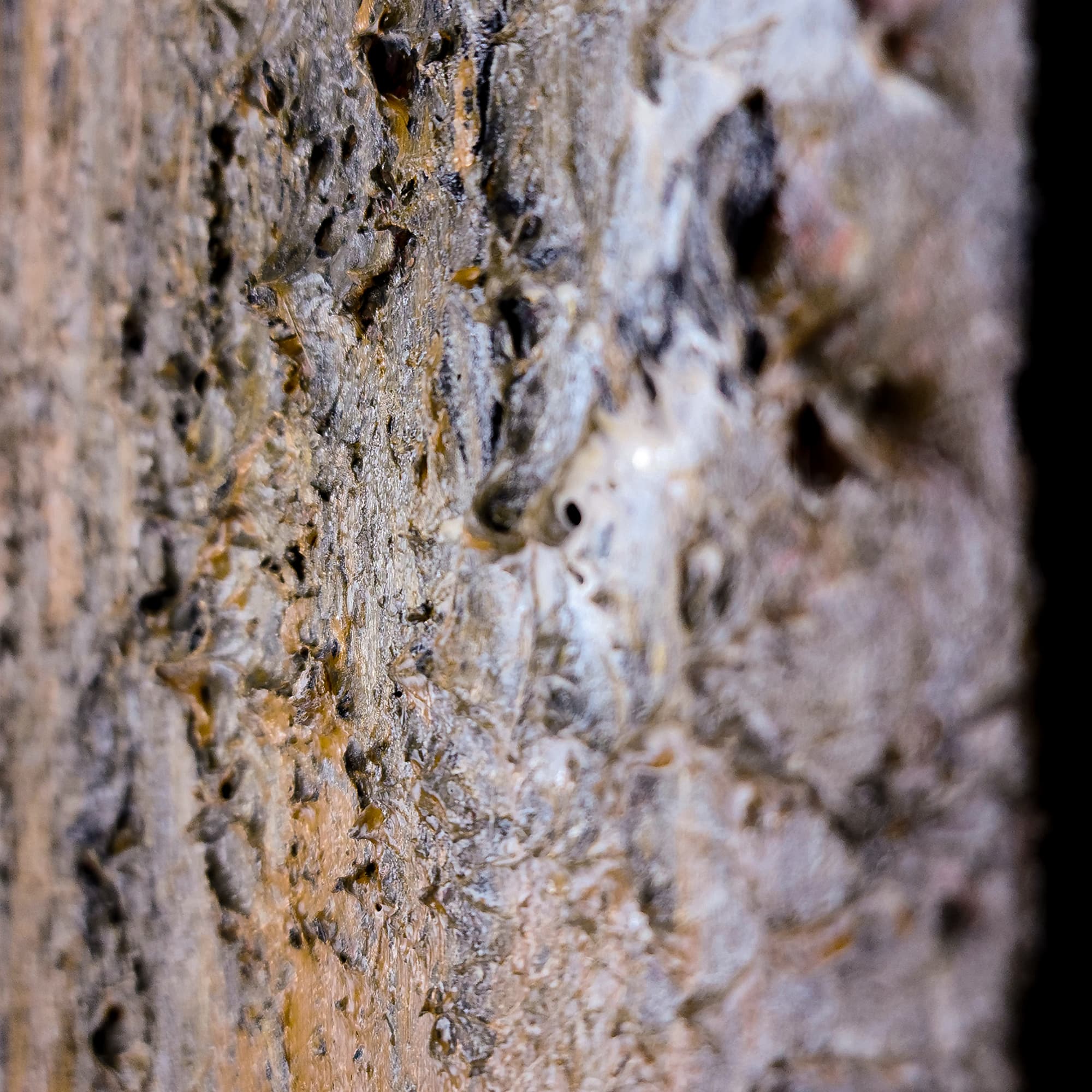
Art
Gray Day
24 × 36 × 0.75 in
$1,199
Art
Maui
48 × 60 × 1.5 in
$3,499
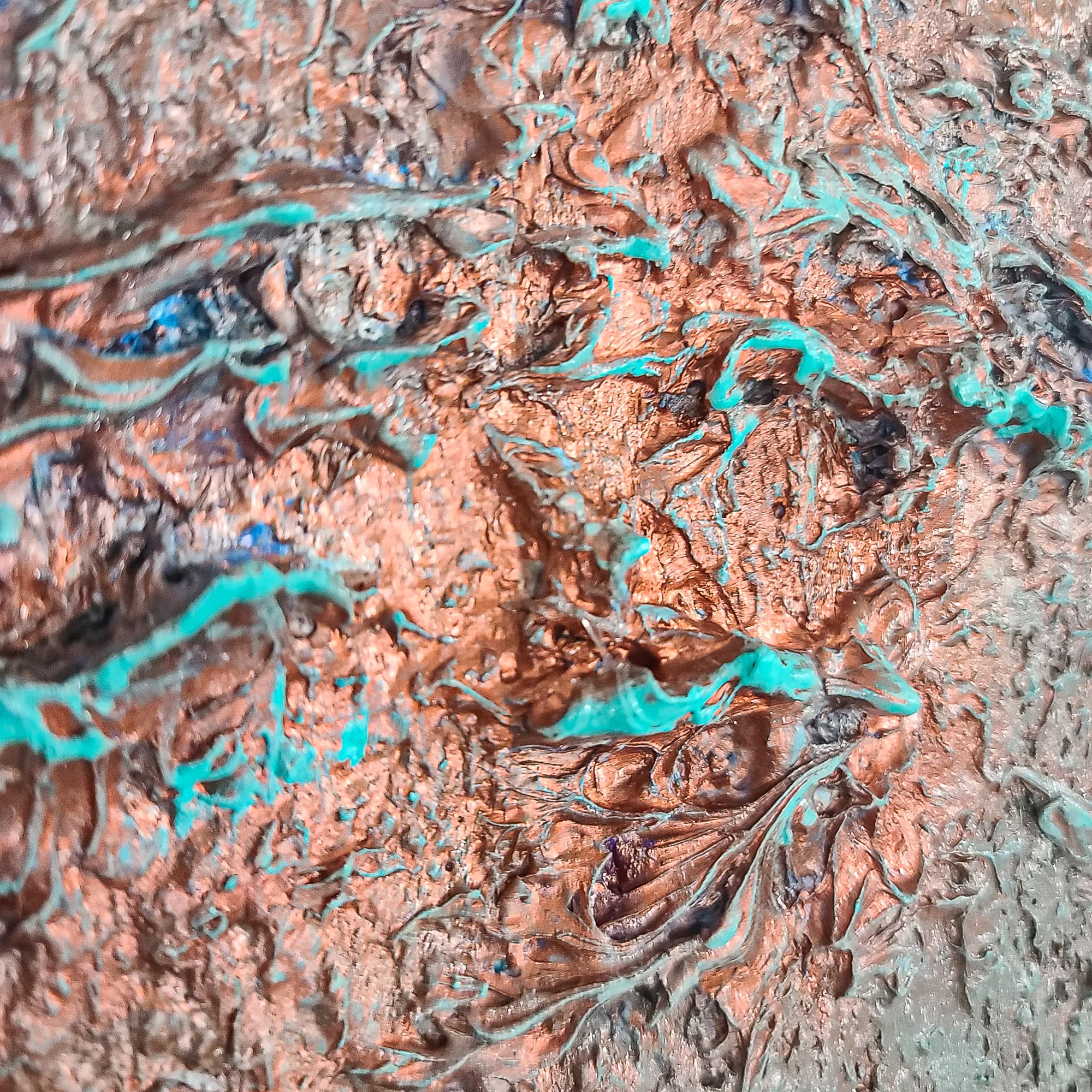
Art
Mushrooms
48 × 48 × 1.5 in
$2,399
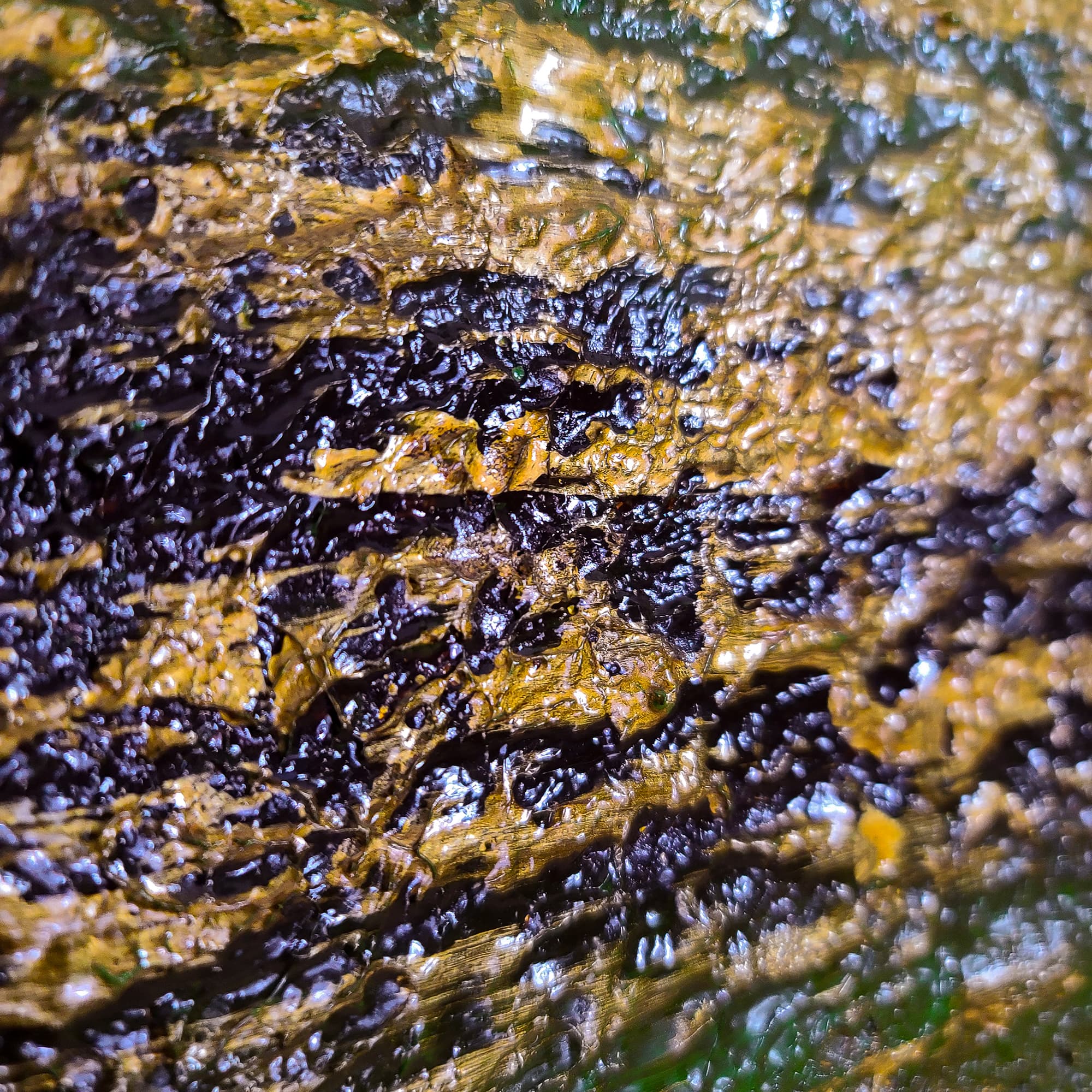
Art
Riptide
24 × 48 × 1.5 in
$1,199
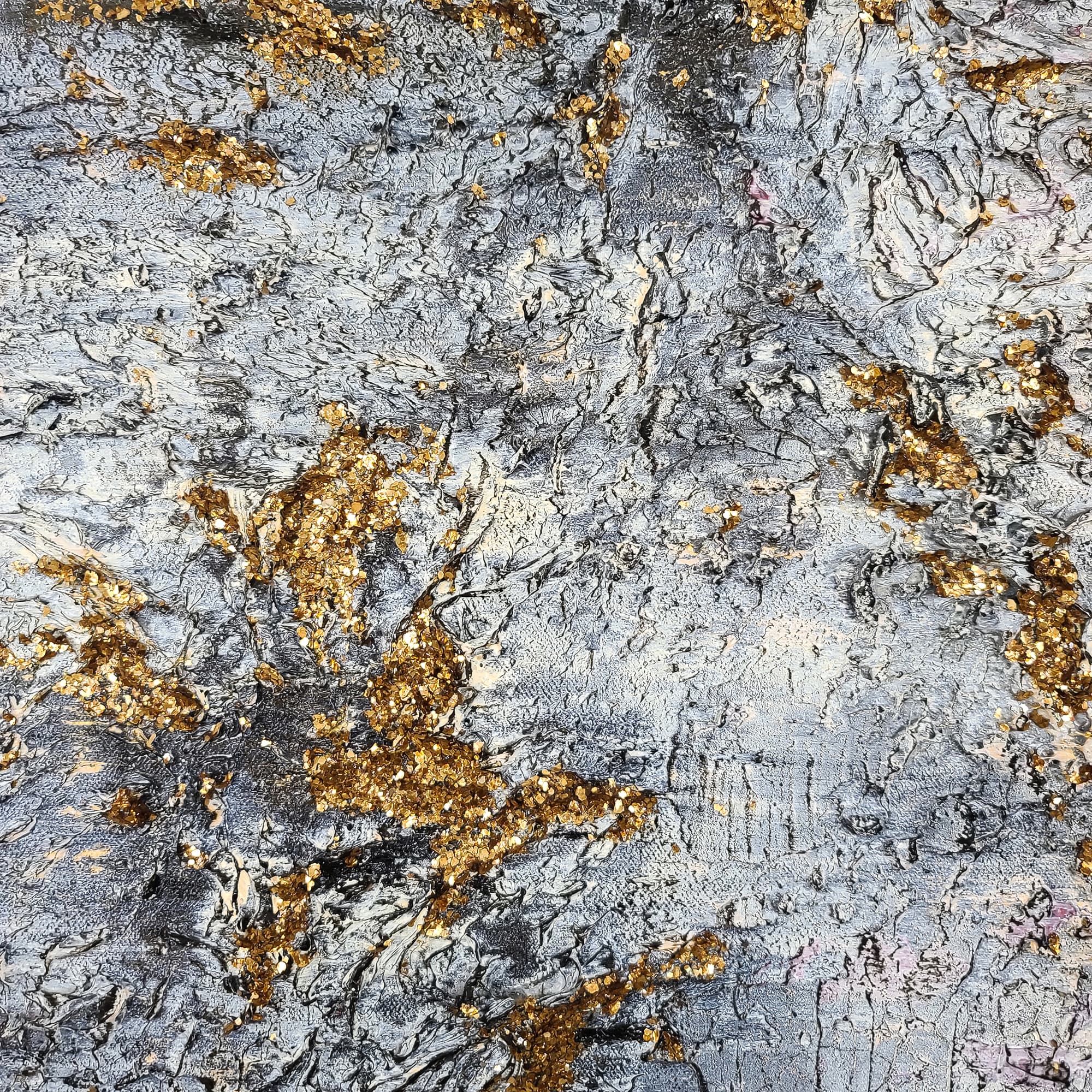
Art
Stardust
48 × 48 in
$2,199
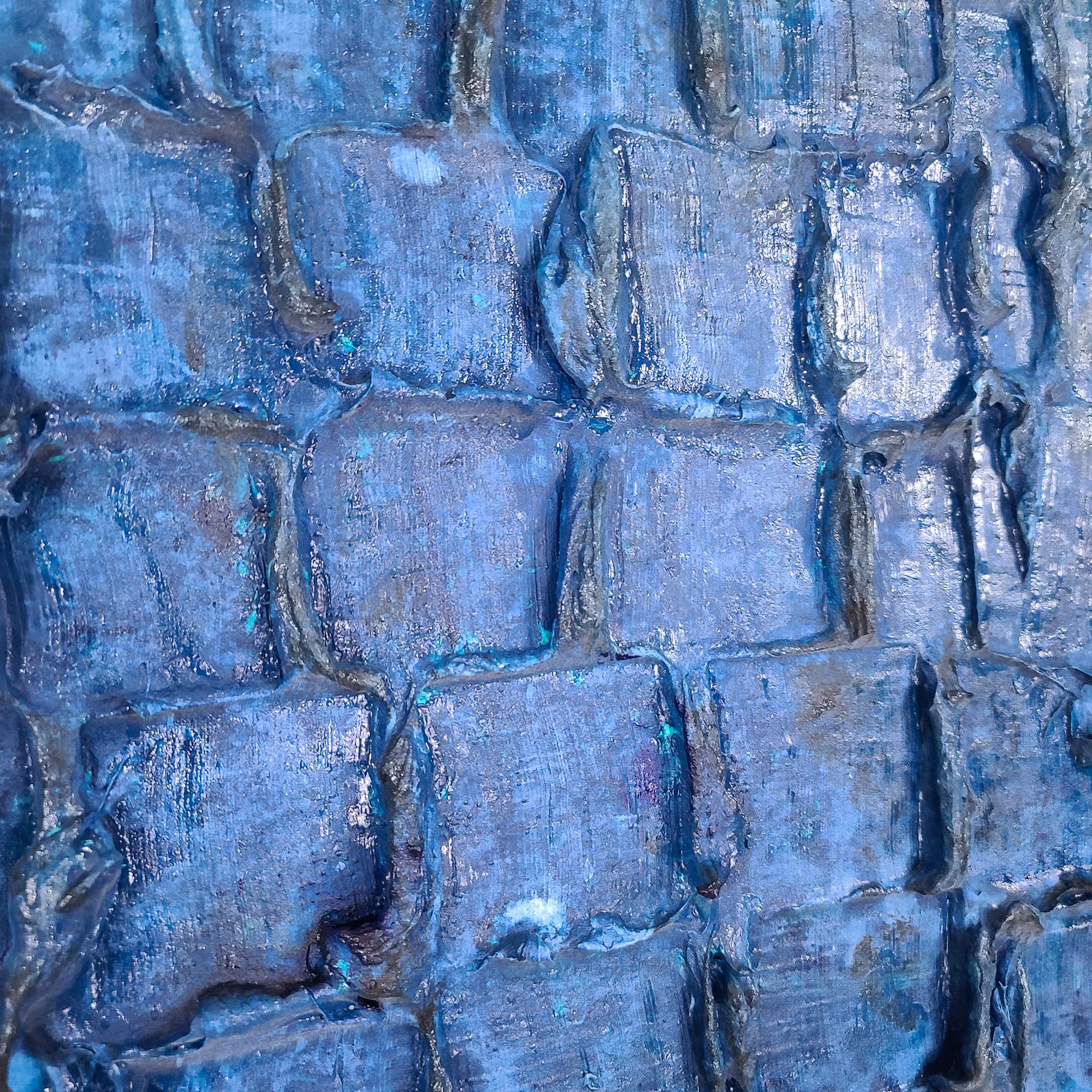
Art
Waterfalls
36 × 24 × 0.5 in
$999
Art
Crimson Tide
36 × 48 × 1.5 in
$2,499
Art
Desert Rose
36 × 36 × 1.5 in
$1,799
Art
Monsoon
30 × 40 × 1.5 in
$1,899
Art
Embers
40 × 30 × 1.5 in
$2,099
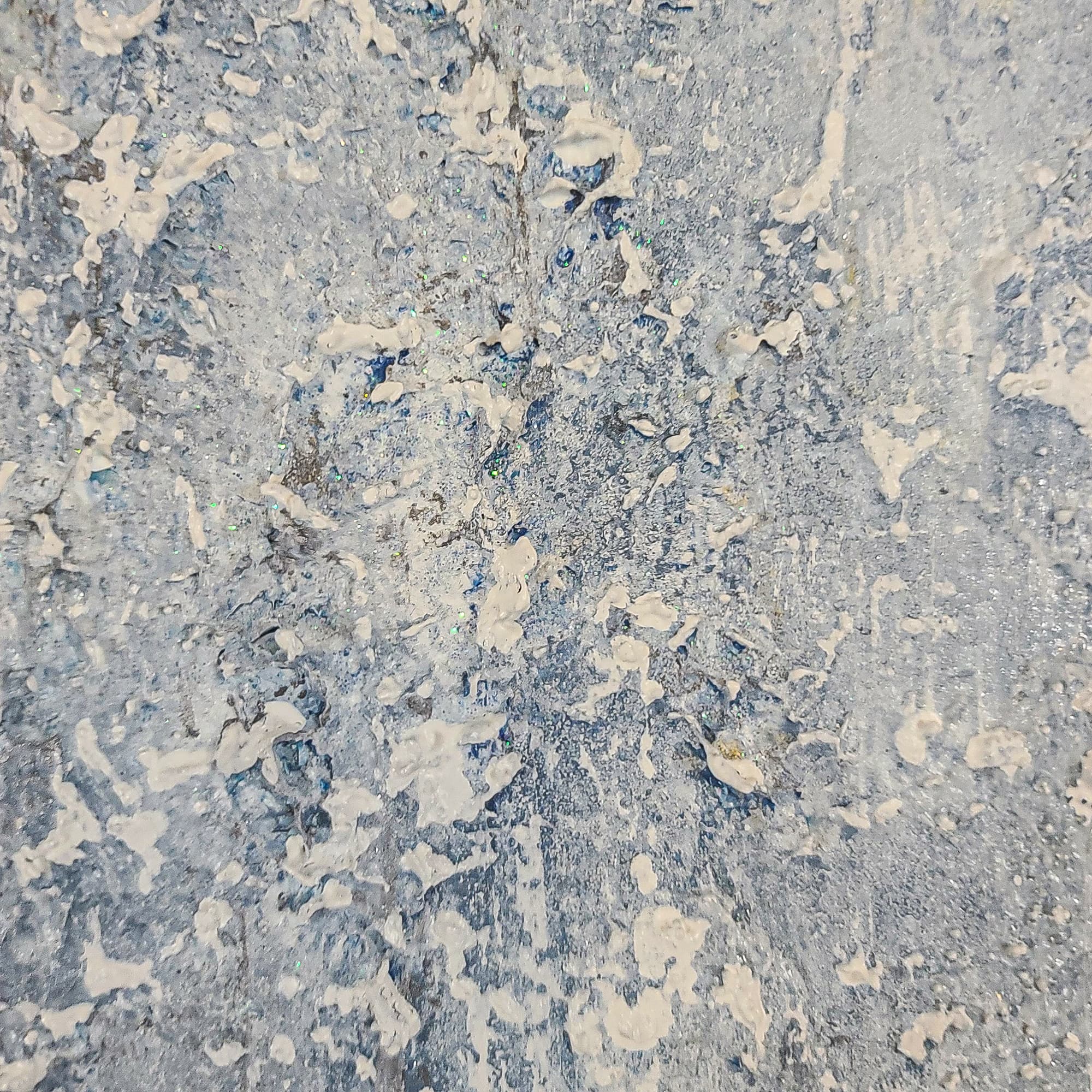
Art
Glacier
48 × 60 × 1.5 in
$2,799
Art
Copper Canyon
36 × 48 × 1.5 in
$1,499
Art
Midnight Garden
48 × 36 × 1.5 in
$2,299
Art
Saffron
30 × 40 × 1.5 in
$1,499
Art
Neon Nights
36 × 36 × 1.5 in
$1,799
Art
Petrified
48 × 36 × 1.5 in
$2,199
Art
Aurora
48 × 60 × 1.5 in
$3,199
Art
Adobe Sunset
24 × 36 × 1.5 in
$1,399
Art
Typhoon
48 × 36 × 1.5 in
$2,599
Art
Coral Reef
36 × 48 × 1.5 in
$1,899
Art
Obsidian
30 × 40 × 1.5 in
$1,599
Art
Wildflower
24 × 36 × 1.5 in
$1,299
Art
Concrete Jungle
48 × 48 × 1.5 in
$2,499
Interactive Tool
See It in Your Tokyo Space
Drag and resize any painting onto a virtual wall to see how it transforms your room. Visualize scale, proportion, and presence before you buy.
See It In Your Home
Upload a photo of your wall to see our art in your space
or drag & drop an image here
Select a painting
Bipolar — 48×60″
Visualisation only — colours and scale may vary in person.
Design Insight
Interior Trends in Tokyo
Tokyo interiors embrace the wabi-sabi philosophy — spare, intentional spaces where a single carefully chosen artwork commands attention. Clean lines, natural materials (wood, paper, stone), and neutral tones create a meditative backdrop for art. The Japanese concept of 'ma' (negative space) means walls are never overcrowded; each piece breathes.
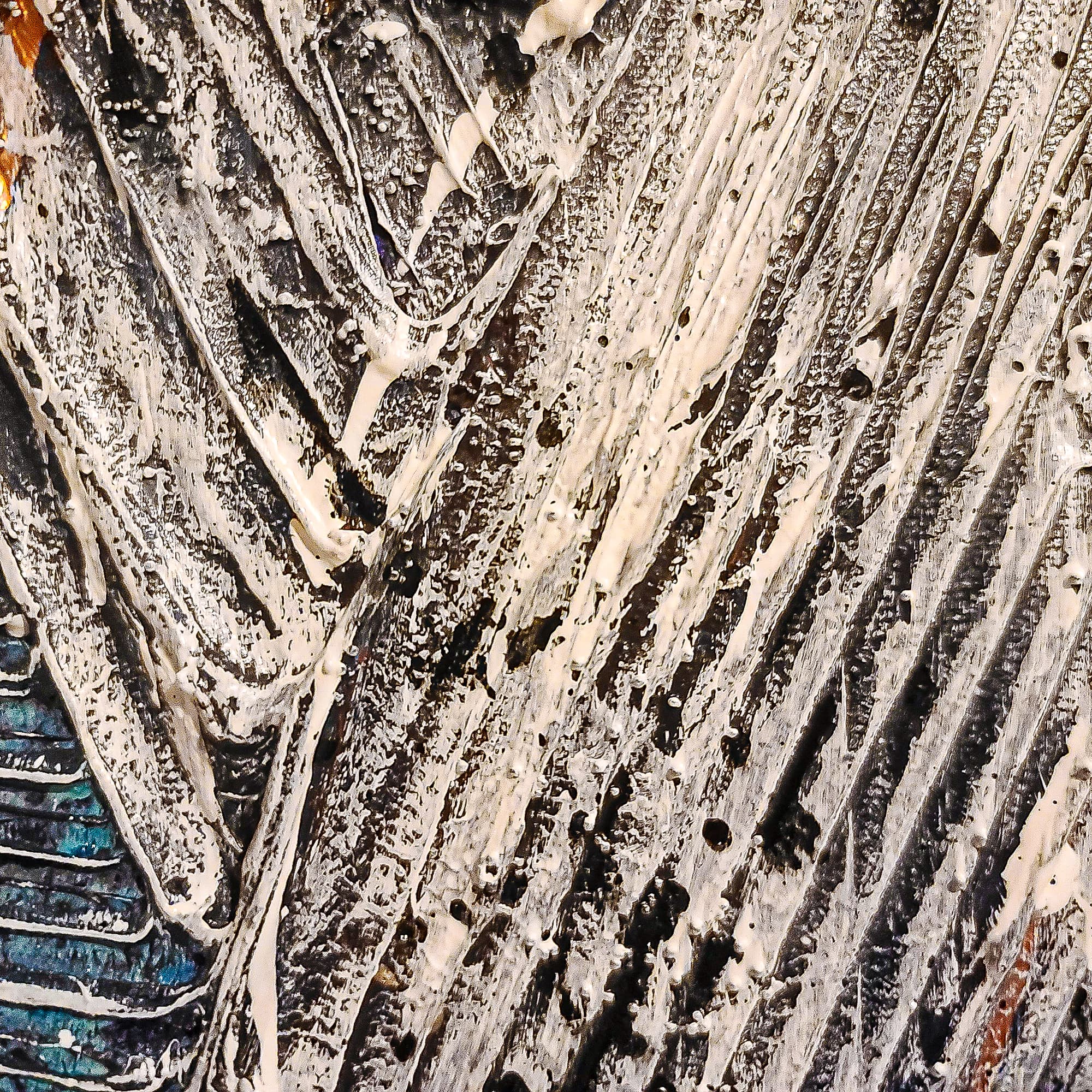
Textured art transforms any interior
Heavy impasto paintings add depth and dimension that prints cannot replicate
Did You Know?
Art Trivia: Tokyo
Did you know? Tokyo's Akihabara district is the global capital of anime and manga art, generating over $20 billion annually in related merchandise, from original cels to limited-edition prints.
Did you know? The Great Wave off Kanagawa by Hokusai — arguably the most recognizable artwork in Japanese history — was produced as an affordable woodblock print in the 1830s, priced at about the cost of a bowl of noodles.
Did you know? Tokyo has more Michelin-starred restaurants than any other city, and many of them commission original art installations — making dining itself a gallery experience.
Art that commands the room
An original painting is not just decoration — it's the soul of your space
Collector's Guide
Buying Art in Tokyo
The key to building a meaningful art collection in Tokyo is patience and curiosity. Attend gallery openings, follow Tokyo-based artists on social media, and visit the city's art fairs to discover new work. When you're ready to buy, consider both local galleries and online platforms that ship to Tokyo. Original art is a tangible asset that appreciates in both financial and personal value — unlike prints and reproductions, each original work is unique and irreplaceable. Cryptocurrency is accepted by a growing number of art sellers and offers Tokyo collectors a fast, secure payment method with global reach.
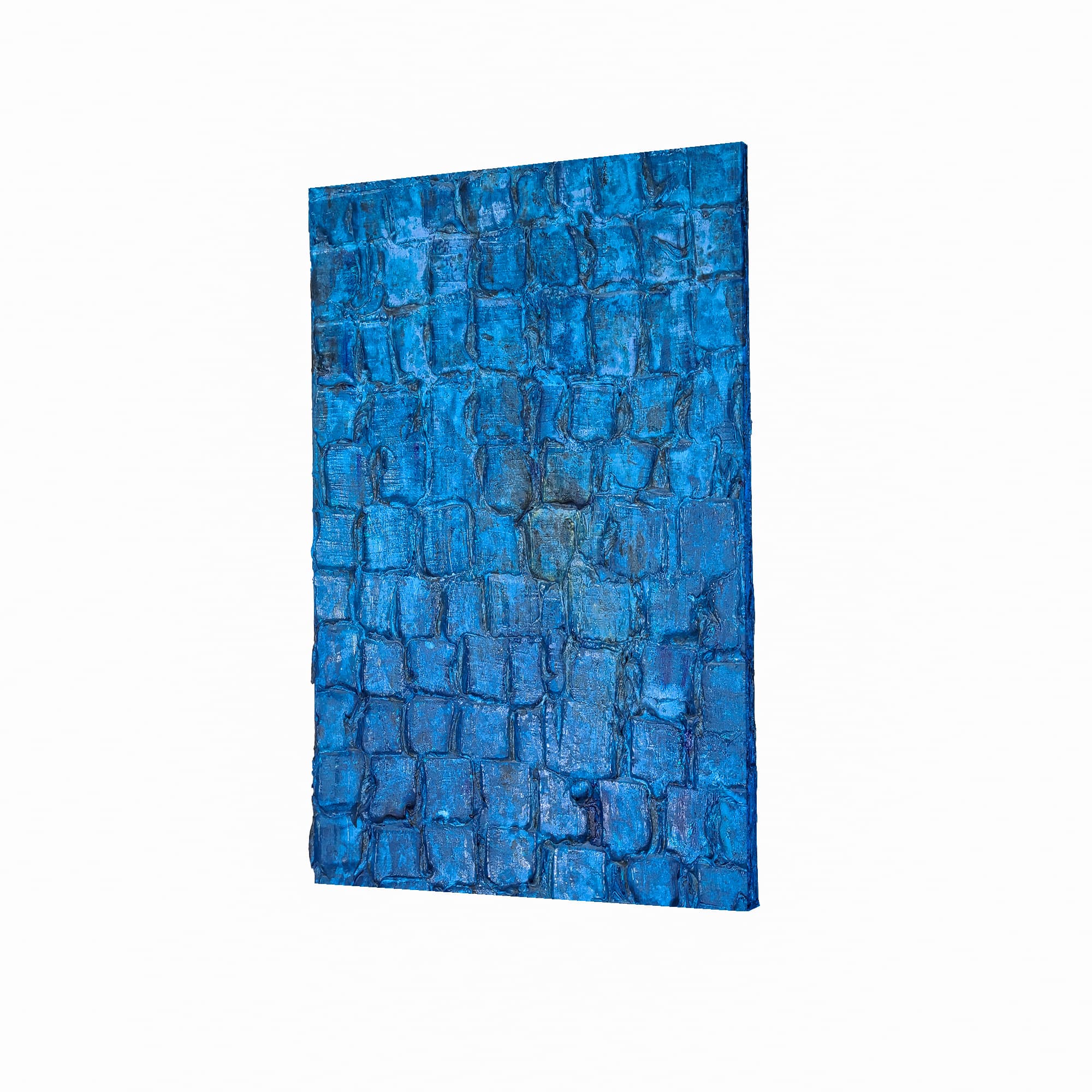
Sculptural impasto texture
Every brushstroke is a physical ridge you can see and feel
Price Range
$999 — $3,499
Original paintings, not prints
Available Paintings
30
Each one of a kind
Shipping to Tokyo
7–14 days
Professionally crated & insured
Payment Methods
Pay with Crypto from Tokyo
We accept major cryptocurrencies alongside traditional payment methods. Transactions are secure, borderless, and fee-efficient — no matter where you are in Japan.
Local Delivery
Art for Every Neighborhood in Tokyo
We ship to all neighborhoods across Tokyo. Whether you're in the gallery district or the suburbs, original art is just days away.
Ginza
Tokyo's most prestigious shopping and gallery district, where luxury department stores house curated art floors and the neighborhood's back streets reveal some of the city's most influential contemporary galleries. Ginza collectors — corporate leaders, established families, and discerning international buyers — appreciate meticulous craftsmanship above all else, favoring work whose execution matches its concept. The aesthetic sensibility here values the tension between Japanese minimalism and bold visual presence, a dialectic that defines much of the neighborhood's best contemporary art. Heavy-texture painting commands attention in Ginza interiors because these collectors have eyes trained on craft traditions where surface quality is paramount — lacquer, ceramics, textiles — and recognize dimensional paint as an extension of that lineage. The neighborhood's wide boulevards and narrow side streets create an unusual urban light condition where reflected illumination bounces off glass towers and enters apartments at unexpected angles, lending textured surfaces a dramatic, shifting presence.
Roppongi
Home to the Mori Art Museum, the National Art Center, and a cluster of world-class contemporary galleries that have made Roppongi Tokyo's undisputed international art hub. Roppongi residents — expatriate executives, Japanese art patrons, and creatives drawn to the neighborhood's cultural density — live in sleek high-rise apartments with dramatic city views. They favor ambitious international contemporary work, pieces that communicate across cultural boundaries and reward viewing in minimalist spaces designed for art display. Heavy-texture painting resonates in these vertical homes because Tokyo apartments, however luxurious, are often compact by Western standards — and a dimensional surface creates a sense of depth and space that flat art cannot provide. The quality of light in Tokyo high-rises, with their expansive windows and panoramic views, is ever-changing as clouds and city reflection play across the glass, animating textured canvases with an almost cinematic variability.
Shibuya
Youth culture, fashion, and creative energy converge in this iconic district where the famous scramble crossing pulses day and night with the energy of a city perpetually reinventing itself. Shibuya's design-forward residents — fashion creatives, musicians, tech founders, and tastemakers — occupy apartments that serve as laboratories for personal style. They collect art that pushes boundaries, work whose visual impact and material innovation match the neighborhood's restless, forward-looking energy. Heavy-texture painting appeals here because these buyers understand surface as statement; they value the bold physicality of impasto as a declaration of intent. The neighborhood's dense urban fabric creates vertical living spaces with walls that receive light in dramatic, unpredictable ways — a shaft of afternoon sun between towers, a reflection off the glass facades across the street — and textured paintings respond to every shift, remaining visually active throughout the day.
Aoyama
Architect-designed boutiques, flagship stores by Pritzker Prize winners, and distinguished galleries define this sophisticated neighborhood where international fashion and high art converge. Aoyama residents — fashion executives, architects, and design professionals — possess exquisitely trained eyes and exacting standards, collecting art with the same deliberation they apply to every object they live with. The interiors are exercises in refined minimalism: generous negative space, considered materials, and art that serves as the singular focal point of each room. Heavy-texture original work is the preferred choice here because in a room where there is almost nothing else on the walls, a painting must earn its prominence — and a dimensional surface that transforms with the light provides inexhaustible visual interest. Aoyama's broad, tree-lined boulevard allows generous light into apartments, and its steady, even quality across the day provides the consistency that lets a heavily worked painting be fully appreciated.
Daikanyama
Tokyo's most refined residential village, a hillside enclave where independent bookstores, design shops, and quiet cafés line narrow, sloping streets far from the city's neon intensity. Daikanyama residents — established creatives, design-world figures, and those who choose Tokyo's most livable neighborhood for its pace and taste level — live in carefully curated environments where every object has been chosen with intention. They collect art quietly and seriously, favoring work that reveals itself slowly rather than announcing itself loudly. Heavy-texture painting is the natural choice for these interiors because the Daikanyama aesthetic privileges depth over surface, materiality over image — and an impasto canvas offers the kind of slow-looking experience these residents value. The hillside topography means apartments often sit above street level, receiving clear, elevated light that streams through large windows and reveals the full dimensionality of a textured painting across the changing hours.
Omotesando
The tree-lined boulevard showcasing architecture by Ando, Hadid, and Herzog & de Meuron, where every storefront and residence participates in a conversation about design at the highest level. Omotesando residents — architects, creative directors, and the design-literate elite — inhabit spaces where architecture itself is the primary artwork and every object inside must be worthy of its setting. They collect art that demonstrates material intelligence, work whose physical substance can hold a dialogue with the concrete, glass, and steel of their surroundings. Heavy-texture painting speaks this language fluently because the sculptural depth of impasto engages the same formal vocabulary as the architectural masterworks outside the window. The boulevard's zelkova trees filter the light entering these apartments through a canopy that changes with the seasons, creating a living, breathing illumination that animates dimensional canvases with natural rhythm and variation.
Browse by Category
Find Your Style in Tokyo
Frequently Asked Questions
Buying Art in Tokyo
Do you ship internationally to Tokyo, Japan?
Yes, we ship to Tokyo and all major cities in Japan. Our international shipping process includes customs documentation, duties calculation (where applicable), and coordination with local delivery partners in Tokyo. All international shipments are fully insured and professionally packed. We handle the logistics so you can focus on enjoying your new artwork.
Why should I buy art with cryptocurrency instead of a credit card?
Cryptocurrency offers several advantages for Tokyo art buyers: lower transaction fees (especially for international purchases), faster settlement, enhanced privacy, and no currency conversion charges. For collectors in Japan, crypto eliminates the complications of cross-border payments. We accept Bitcoin, Ethereum, USDC, and other major tokens. Traditional payment methods are also available if you prefer.
How do I start an art collection in Tokyo?
Starting an art collection is simpler than most people think. Begin by visiting galleries, museums, and art fairs in Tokyo to develop your eye and understand what excites you. Set a budget for your first purchase — exceptional original art exists at every price point. Buy something that genuinely moves you rather than something you think will impress others. As your collection grows, it will tell the story of your taste, experiences, and evolution as a collector.
Can I see the artwork before purchasing if I'm in Tokyo?
We provide extensive photography — multiple angles, detail shots, scale references, and room mockups — to help you evaluate each piece thoroughly. For high-value purchases, we can arrange video calls where our team walks you through the artwork in detail. Our satisfaction guarantee ensures that if the piece doesn't meet your expectations when it arrives in Tokyo, you can return it within 14 days.
Is art from your collection suitable as a gift for someone in Tokyo?
Art makes an exceptional gift — it's personal, lasting, and meaningful in a way few other presents can match. We offer gift wrapping, personalized notes, and can ship directly to any Tokyo address. For gift-givers who want the recipient to choose their own piece, we also offer gift cards in various denominations. Contact us for help selecting the perfect artwork for someone special in Tokyo.
Tokyo, Japan
Ready to Bring Art to Tokyo?
Whether you have questions about a specific painting, want help choosing the right piece for your space, or need a custom consultation — we're here. Free shipping within the USA. Worldwide delivery available.