No One Saw This Coming
In 2013, software engineers Billy Markus and Jackson Palmer created Dogecoin as a parody of cryptocurrency speculation — a coin featuring the Shiba Inu dog from a popular meme, designed to be worthless and fun. Nobody involved expected it to be taken seriously. A decade later, Dogecoin has a market capitalization in the tens of billions of dollars, is accepted by thousands of merchants, and yes — you can use it to buy original fine art.
How did a meme coin become a legitimate art payment method? The answer reveals something important about where money, value, and culture are heading.
The Dogecoin Community Is Different
Unlike the often-serious Bitcoin community or the technically-oriented Ethereum community, Dogecoin culture has always been playful, generous, and community-focused. DOGE holders have funded Olympic teams, built water wells in Kenya, sponsored NASCAR drivers, and sent the Jamaican bobsled team to the Winter Olympics. The "Do Only Good Everyday" ethos is not just a slogan — it has shaped how the Dogecoin community spends its coins.
Buying original art from independent creators fits the Dogecoin ethos perfectly. It is a direct transfer of value from a successful holder to a working artist, bypassing banks, galleries, and financial institutions entirely. It is commerce the way Dogecoin enthusiasts imagine commerce should work: direct, voluntary, and a little bit fun.
Why Artists Accept DOGE
From the artist's perspective, Dogecoin payments offer several practical advantages over both traditional payment methods and other cryptocurrencies:
- Transaction fees are negligible: Sending DOGE costs a fraction of a cent, compared to several dollars for Ethereum or even a dollar for Bitcoin. For a painting priced in the hundreds or low thousands, a DOGE transaction fee is functionally zero.
- Confirmation is fast: Dogecoin blocks are mined approximately every minute, meaning transactions confirm quickly and the painting can ship the same day the payment is made.
- The community supports creators: Dogecoin holders actively seek out merchants and artists who accept DOGE, creating a built-in audience of potential buyers who want to use their coins for something meaningful.
- It is philosophically aligned: Dogecoin's anti-elitist, community-first ethos resonates with independent artists who are tired of gallery gatekeeping and financial exclusion.
Lei-Kol and Dogecoin
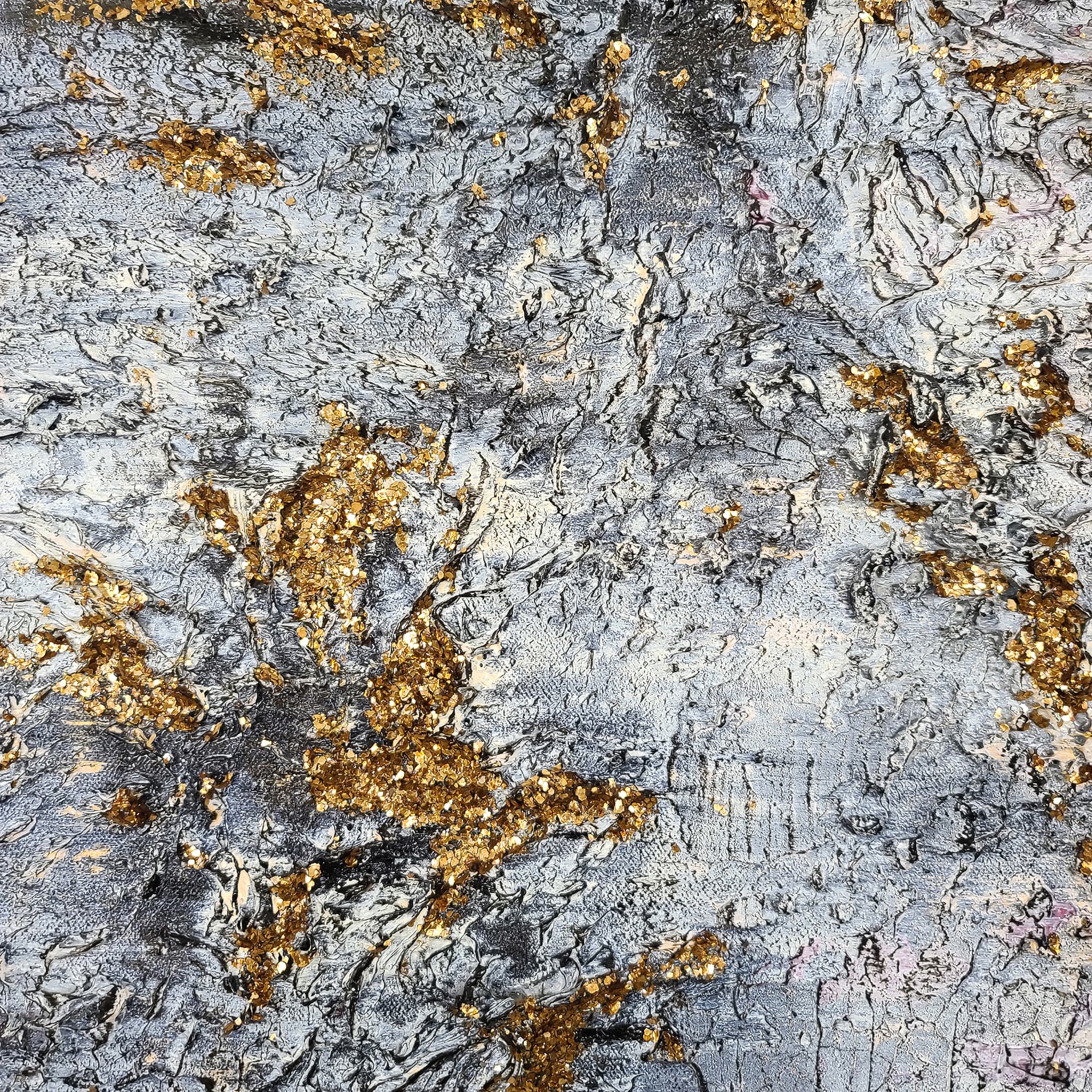
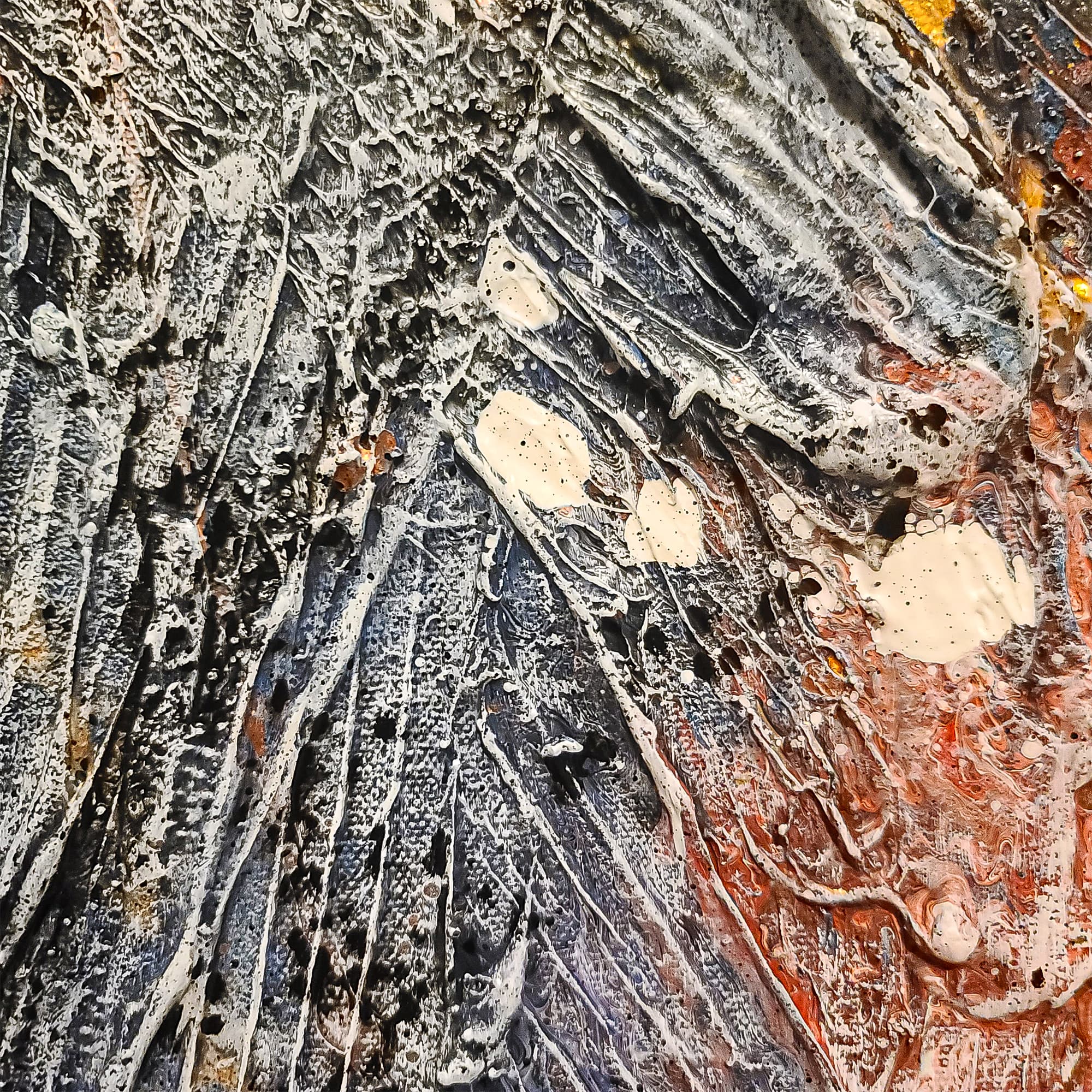
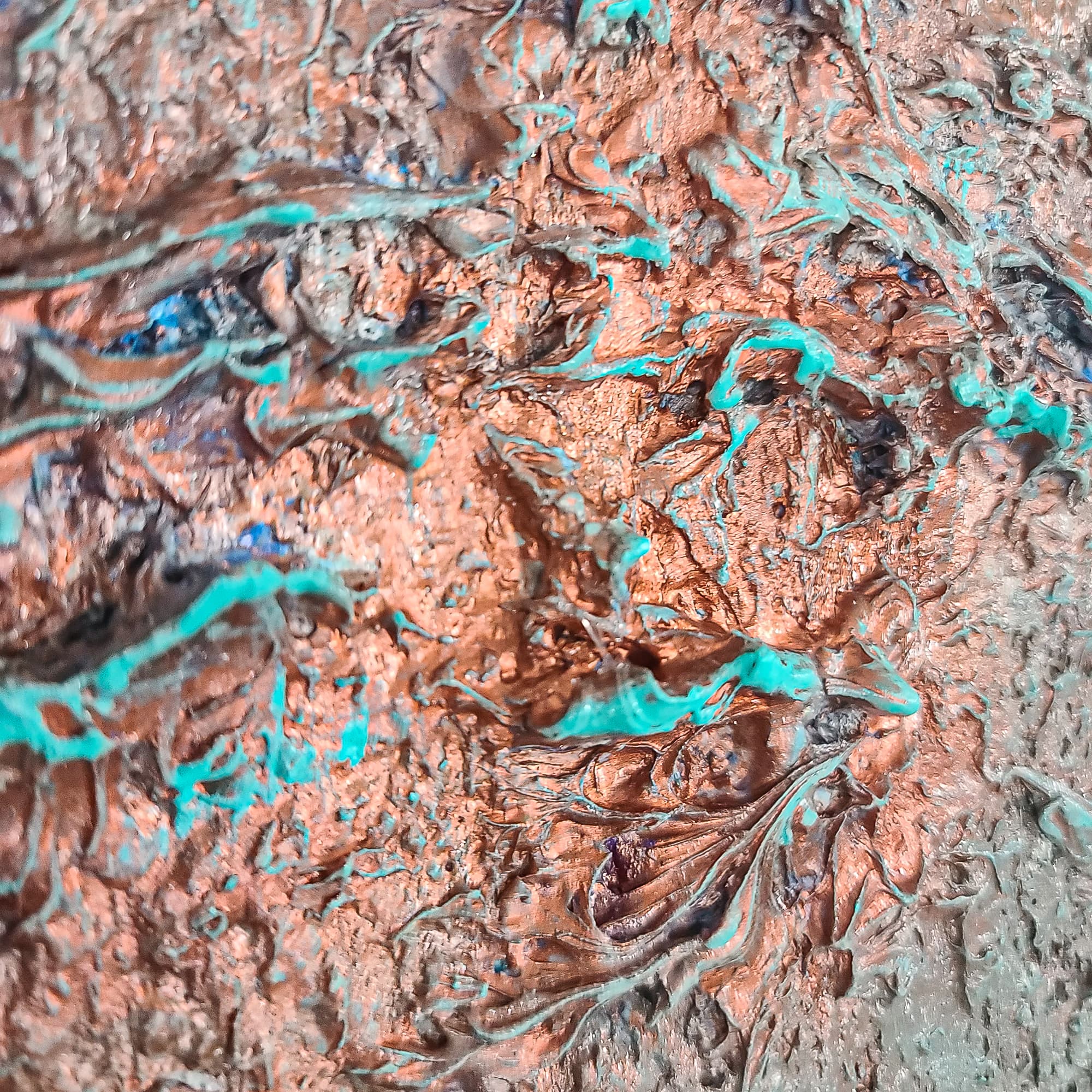
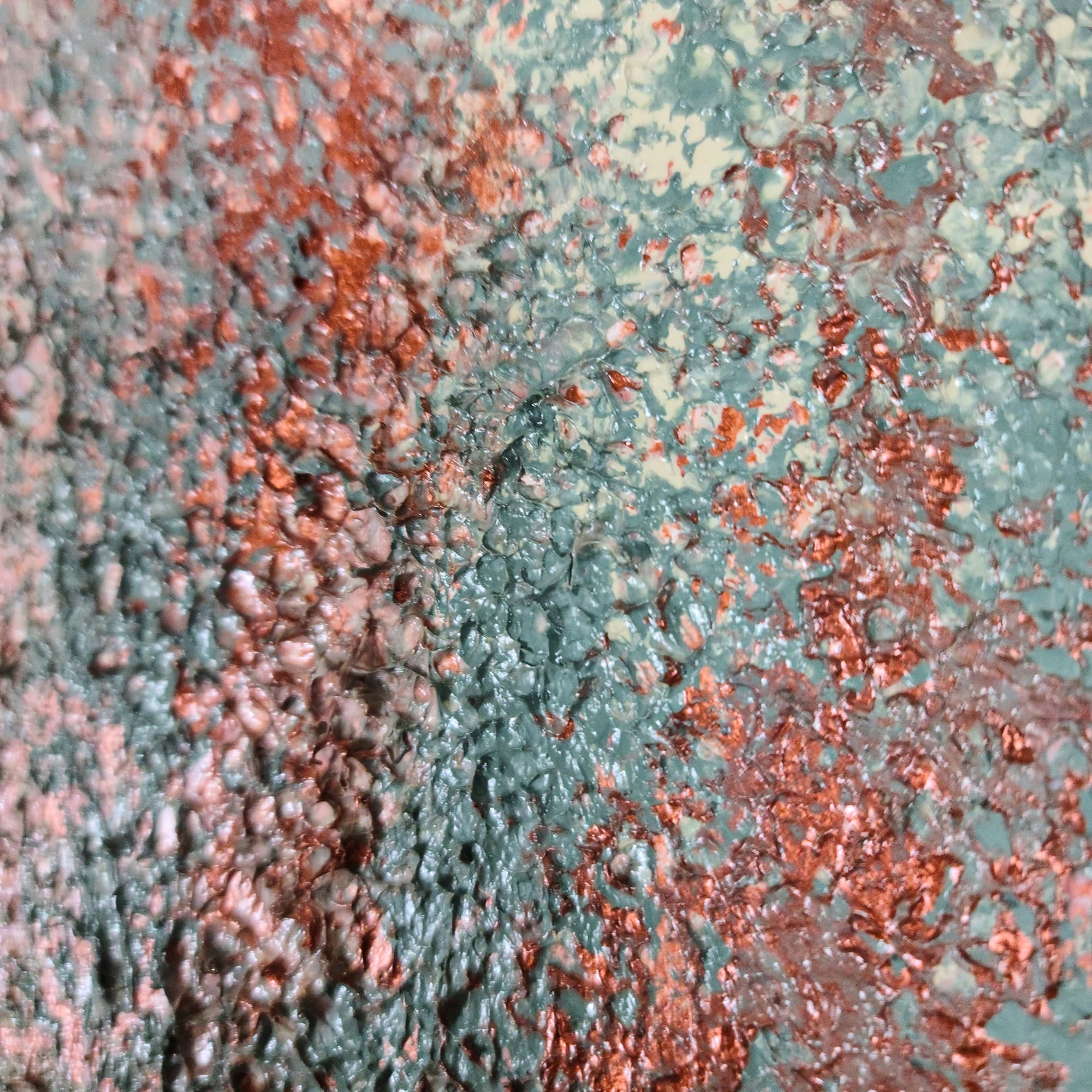
One of Lei-Kol's earliest crypto art sales was a DOGE transaction — a collector who had been holding Dogecoin since 2014 wanted to convert meme money into something he could see on his wall every day. The process was simple: he chose a painting from the collection, contacted Lei-Kol, sent the agreed DOGE amount, and received a professionally crated original painting with a signed Certificate of Authenticity.
"It was one of the smoothest transactions I have ever processed," Lei-Kol recalls. "The DOGE confirmed in about a minute, the fees were under a penny, and the collector was thrilled to turn internet money into something real and permanent."
How to Buy Art with Dogecoin
Buying a Lei-Kol original with DOGE follows the same simple process as any other cryptocurrency: browse the collection, find your painting, contact Lei-Kol to arrange the DOGE payment, receive a payment address, send the DOGE, and wait for confirmation. Free shipping within the USA, international shipping available, and every painting ships with full documentation.
The joke coin that was never supposed to be worth anything is now buying original art from working creators. That says something about the internet, about value, and about the kind of world we are building — and it is genuinely wonderful. Start your collection today, in whatever currency speaks to you.
Tags