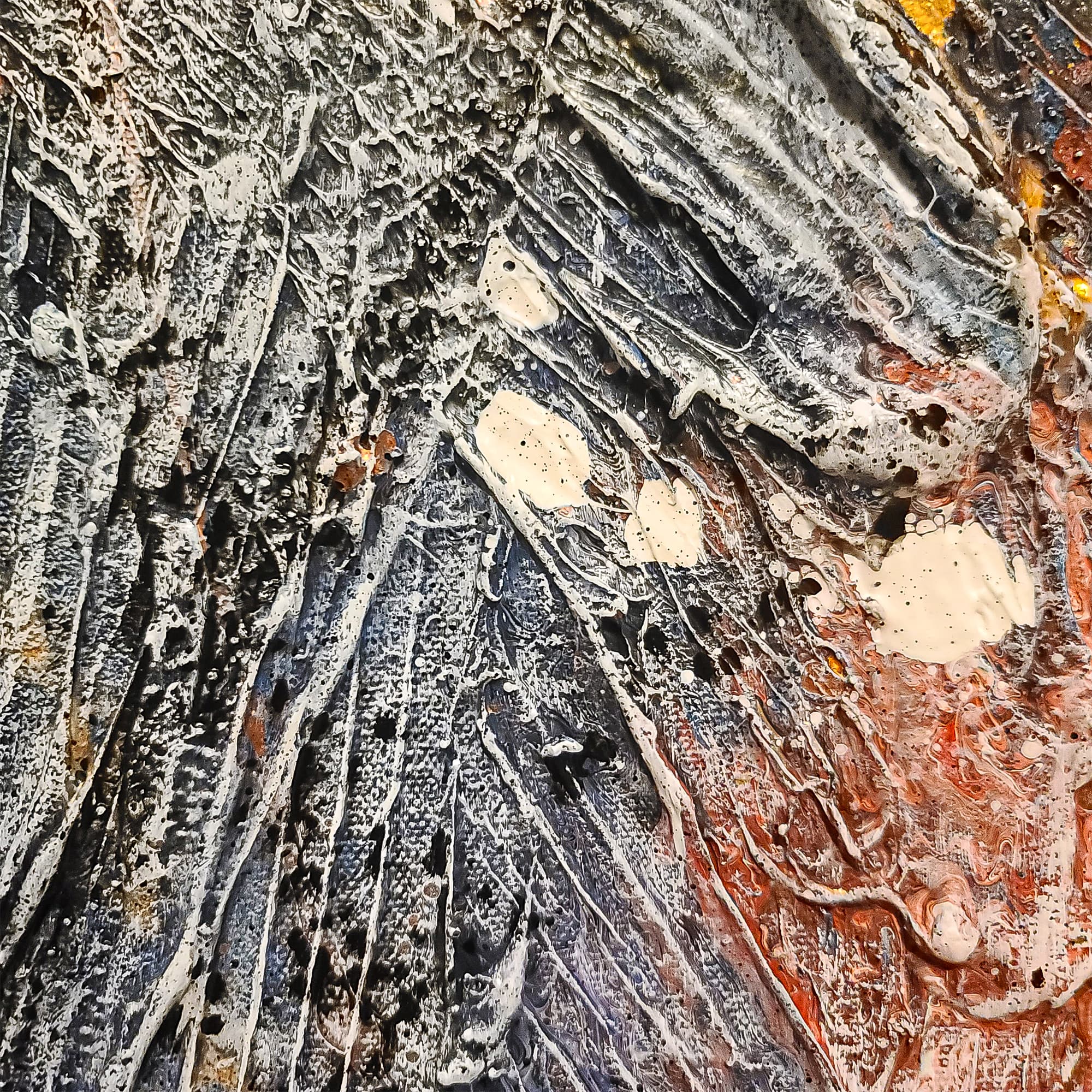
Art and Crypto Share the Same DNA
At first glance, fine art and cryptocurrency seem like they belong to different worlds. One is ancient and physical; the other is digital and barely two decades old. But look deeper and the philosophical alignment is striking. Both are fundamentally about bypassing gatekeepers. Both reward authenticity. And both allow individuals to transact directly with each other on terms they define themselves.
The Gallery Problem
For most of art history, artists needed galleries to reach buyers. Galleries take 40 to 60 percent commission — not a typo. An artist who sells a painting for five thousand dollars through a traditional gallery might take home two to three thousand. The gallery controls the pricing, the marketing, the client relationship, and often the narrative around the artist's work.
Independent artists who sell directly to collectors keep the full value of their work. But selling directly requires handling payments, and traditional payment systems come with their own gatekeepers: banks that can freeze accounts, credit card processors that charge substantial fees, and international transfer systems that are expensive and slow.
Enter Cryptocurrency
Cryptocurrency solves the payment problem for independent artists in ways that traditional finance cannot:
- No bank approval needed: An artist does not need a merchant account, a credit card terminal, or approval from any financial institution to accept Bitcoin or Ethereum.
- Global from day one: A collector in Tokyo, São Paulo, or Berlin can purchase a painting with the same ease as someone across town. No currency conversion, no international wire fees, no multi-day settlement.
- Minimal fees: Cryptocurrency transaction fees are typically a fraction of credit card processing costs.
- No chargebacks: Once a crypto transaction is confirmed, it is final. This eliminates the risk of fraudulent chargebacks that plague online sellers.
It Is Not Just About Money
For many artists, accepting crypto is a statement about values. Lei-Kol puts it this way: "Art should be accessible to anyone, anywhere. If someone in another country wants to buy one of my paintings, I do not want a bank deciding whether that transaction is allowed to happen."
This philosophy extends to every aspect of how Physical Art for Crypto operates. No gallery commissions. No middlemen. No gatekeepers between the person who made the art and the person who wants to own it.
Which Cryptos Do Artists Accept?
The most commonly accepted cryptocurrencies for art purchases are:
- Bitcoin (BTC): The most widely recognized and most commonly used for art transactions.
- Ethereum (ETH): Popular especially among collectors who are also involved in the NFT space.
- Stablecoins (USDC, DAI): Pegged to the US dollar, eliminating volatility concerns for both buyer and seller.
- Litecoin (LTC) and Dogecoin (DOGE): Lower transaction fees make them practical for mid-range purchases.
Lei-Kol accepts Bitcoin, Ethereum, Dogecoin, Litecoin, DAI, and USDC — along with PayPal for collectors who prefer traditional payment methods.
The Future Is Direct
The trend toward direct artist-to-collector sales powered by cryptocurrency is accelerating. As more collectors become comfortable with digital currencies and more artists recognize the benefits, the traditional gallery model will continue to lose relevance. The artists who embrace this shift now are building the collector relationships and the infrastructure that will define the next era of fine art sales.
Browse the collection and experience what art without gatekeepers looks like.
Tags