Art Lighting Enters the Smart Home Era
For centuries, art lighting meant one of two things: daylight from a window or a static picture light wired to a switch. The result was binary — on or off, with no nuance in between. Smart home technology has fundamentally changed this, allowing collectors to create dynamic, responsive lighting environments that change how their art is experienced throughout the day.
This is not gimmickry. Proper lighting is the single most impactful variable in how art is perceived, and smart technology allows collectors to optimize that variable in ways that were previously available only to museums with six-figure lighting budgets.
Smart Picture Lights: The Foundation
The simplest smart art lighting solution is a smart-enabled picture light. These mount above the painting (just like traditional picture lights) but connect to your home's Wi-Fi or a smart hub (Zigbee, Z-Wave, or Thread). Once connected, you can:
- Schedule on/off times: The light turns on automatically at sunset and off at midnight — or on your preferred schedule.
- Adjust brightness: Dim to subtle accent levels in the evening and brighten to full gallery intensity when entertaining.
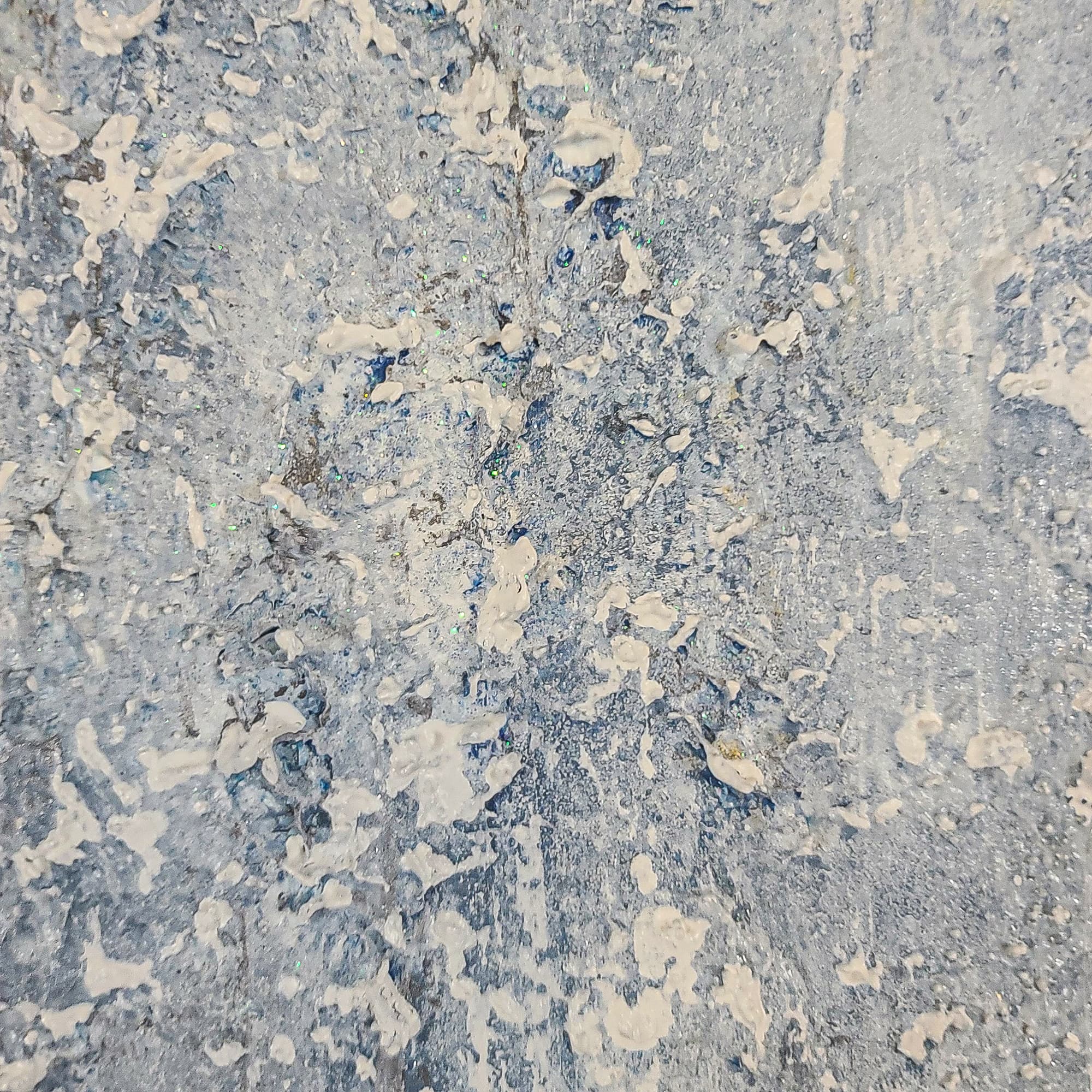
- Control color temperature: The best smart picture lights (look for "tunable white" or "CCT adjustable") allow you to shift from warm white (2700K, ideal for warm-toned paintings like Maui) to neutral white (3500K, better for cooler-toned work like Waterfalls).
- Integrate with voice assistants: "Alexa, set the living room art light to 75 percent" with no need to touch a switch.
Scene-Based Automation
The real power of smart art lighting emerges when you create scenes. A "Morning" scene sets all art lights to low brightness with cool color temperature, mimicking natural morning light. A "Dinner Party" scene brings art lights to full gallery brightness with warm color temperature, creating dramatic illumination that becomes a conversation piece. A "Movie Night" scene dims art lights to near-zero so the television becomes the sole focal point.
These scenes can be triggered by time of day, by voice command, by motion sensors, or by a single button on a smart controller. The art adapts to your life, not the other way around.
Accent Lighting Beyond Picture Lights
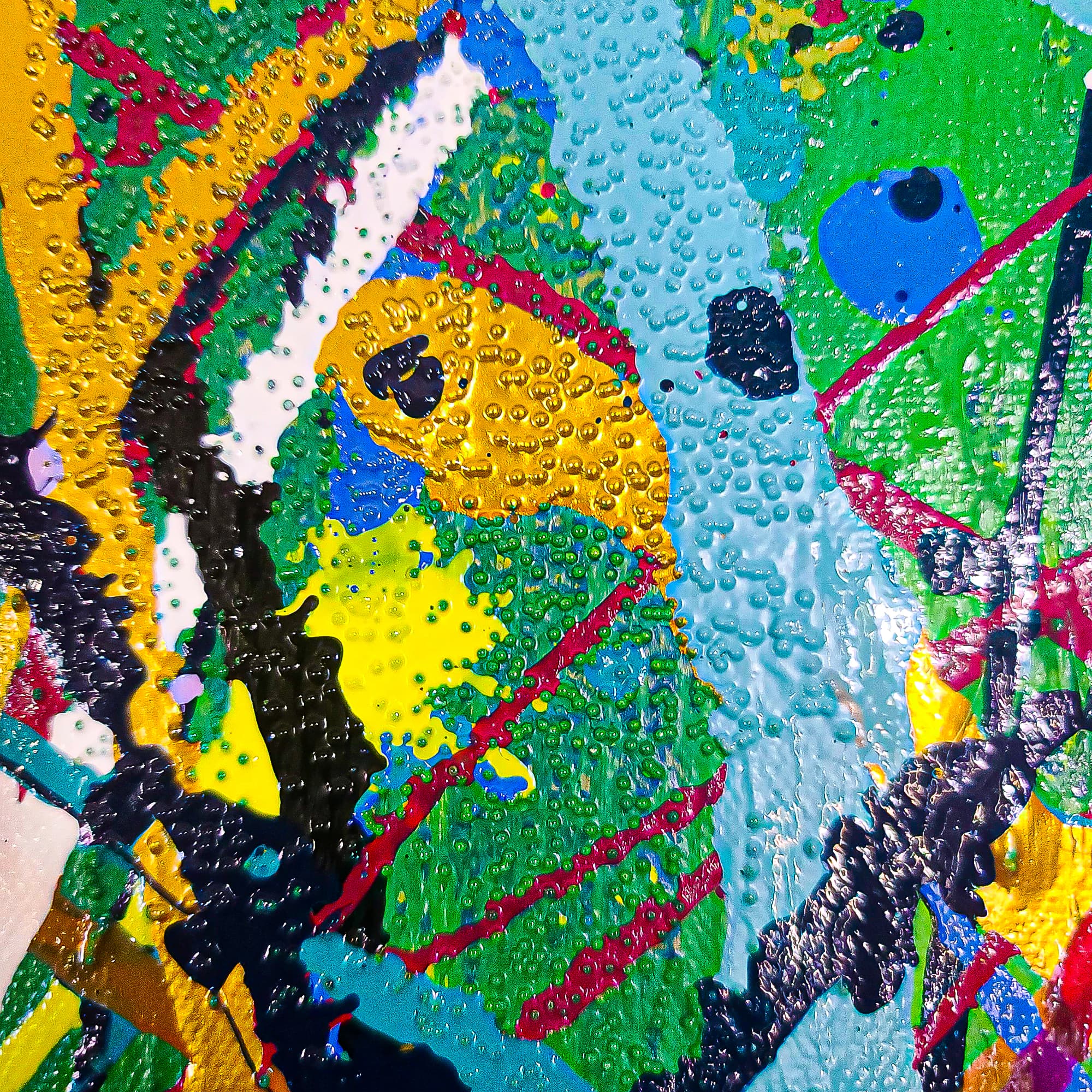
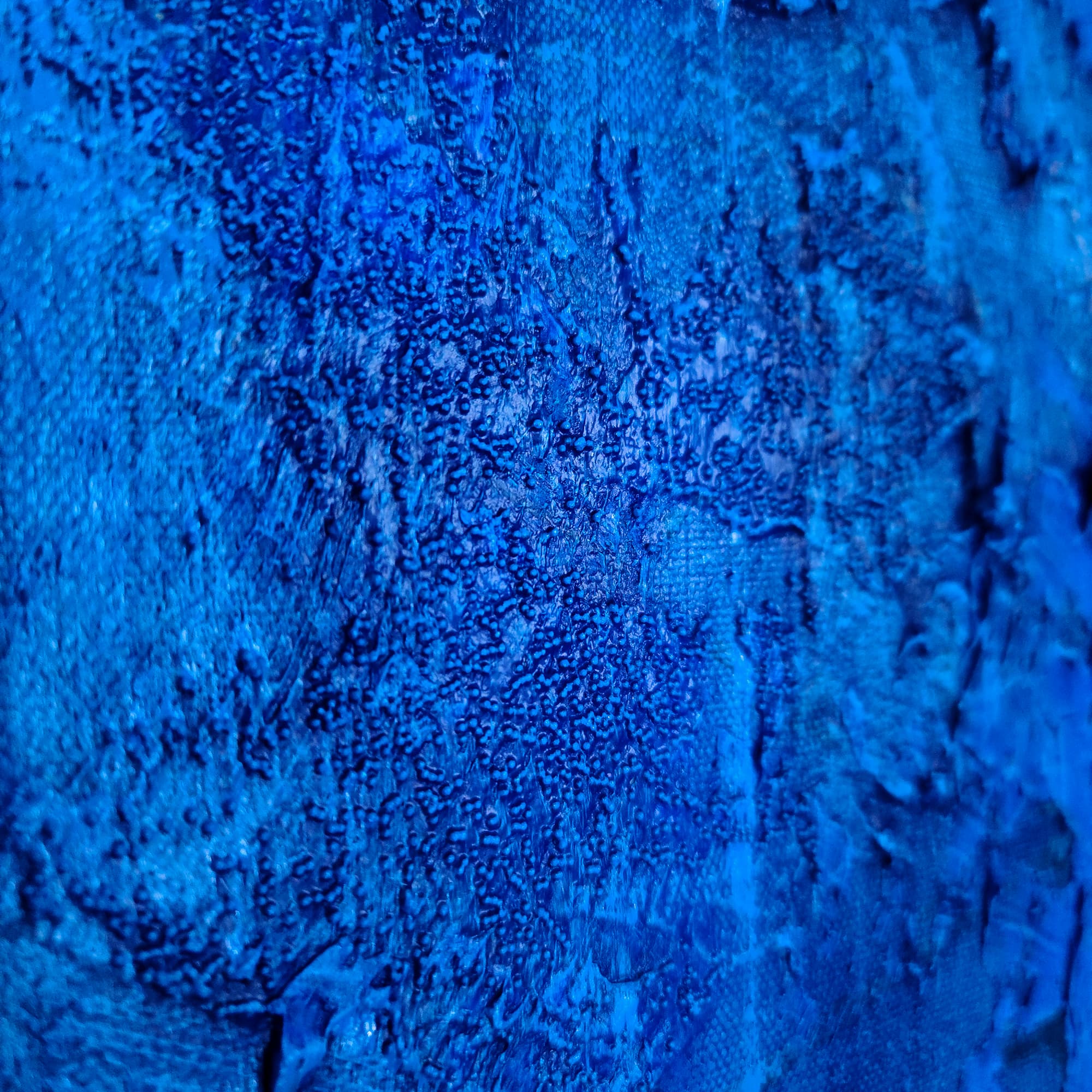
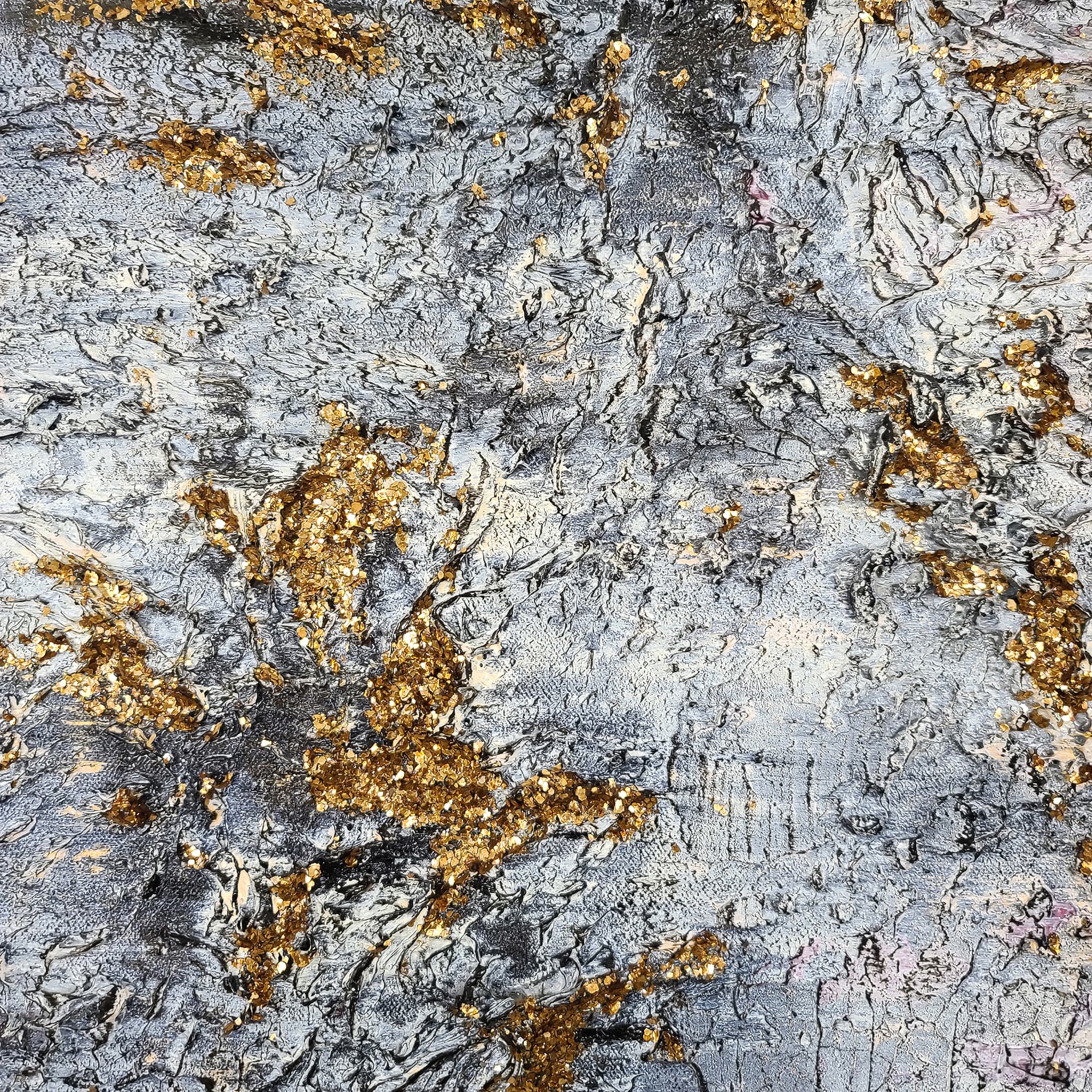
Smart track lighting and recessed smart lights offer alternatives to traditional picture lights. A pair of adjustable smart spotlights aimed at a painting from the ceiling can create dramatic raking light across a textured surface — particularly effective for heavily impasto pieces like those in the Lei-Kol collection. The shadows cast by the thick paint surface shift as the light intensity and angle change, revealing different aspects of the texture at different times of day.
Smart LED strips, mounted behind the canvas on the stretcher bar, create a backlit halo effect that makes the painting appear to float off the wall — a dramatic contemporary presentation that works especially well with gallery-wrapped canvases.
Color Rendering: The Spec That Matters
When choosing smart bulbs for art lighting, the most important specification is CRI (Color Rendering Index). This measures how accurately a light source renders colors compared to natural daylight. For art lighting, minimum CRI 90 is essential — CRI 95+ is ideal. Most generic smart bulbs have CRI 80-85, which is fine for general room lighting but will subtly distort the colors in a painting. Look for bulbs specifically marketed for art or gallery use, or check the CRI in the technical specifications.
Setting It Up
Getting started with smart art lighting does not require a full automation system. A single smart picture light (brands like Philips Hue, Govee, or LIFX offer suitable options) mounted above your primary painting, controlled from your phone, delivers 90 percent of the benefit with one product and ten minutes of setup.
As your collection grows, expand the system — additional picture lights, smart track heads, and automation routines that create a genuinely dynamic, responsive art environment. Build your collection and light it like the gallery it deserves to be. Contact Lei-Kol for advice on lighting specific textured paintings.
Tags