Your Art Deserves Better Than a Snap
You have invested in an original painting. You are proud to display it. Naturally, you want to share it online — whether that is for the artist's benefit, your own curator profile, or simply because beautiful things deserve to be shared. But a poorly lit, crooked phone photo does not communicate the quality of the work. Good art photography is not difficult — it just requires a few deliberate choices.
Lighting: The Single Most Important Factor
Camera quality matters far less than lighting quality. The best light for photographing art is indirect natural daylight — the kind you get near a north-facing window on a slightly overcast day. Direct sunlight creates harsh shadows and color casts. Artificial light (especially warm tungsten bulbs) shifts the color temperature and will make your painting look dramatically different on screen than it does in person.
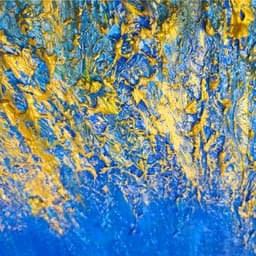
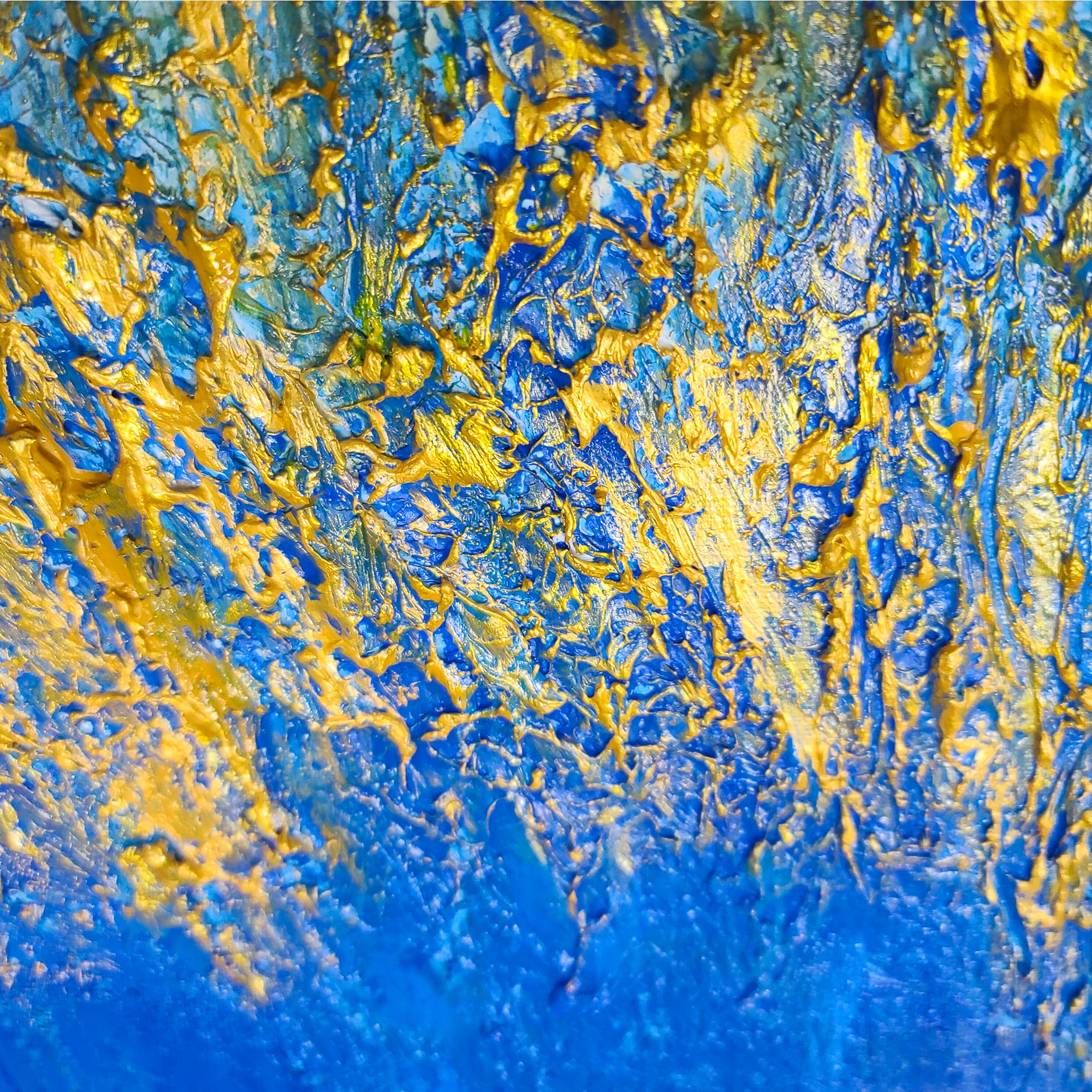
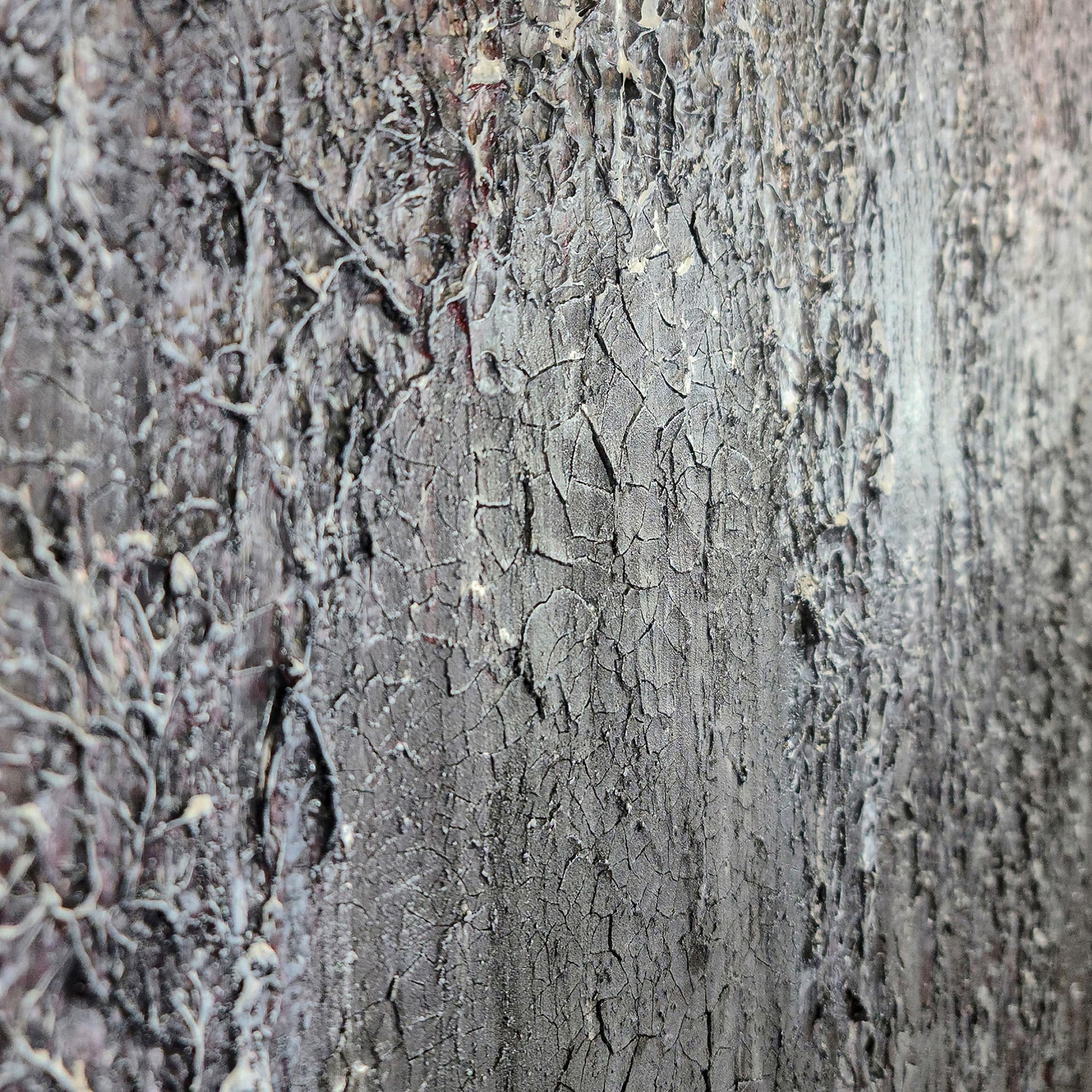
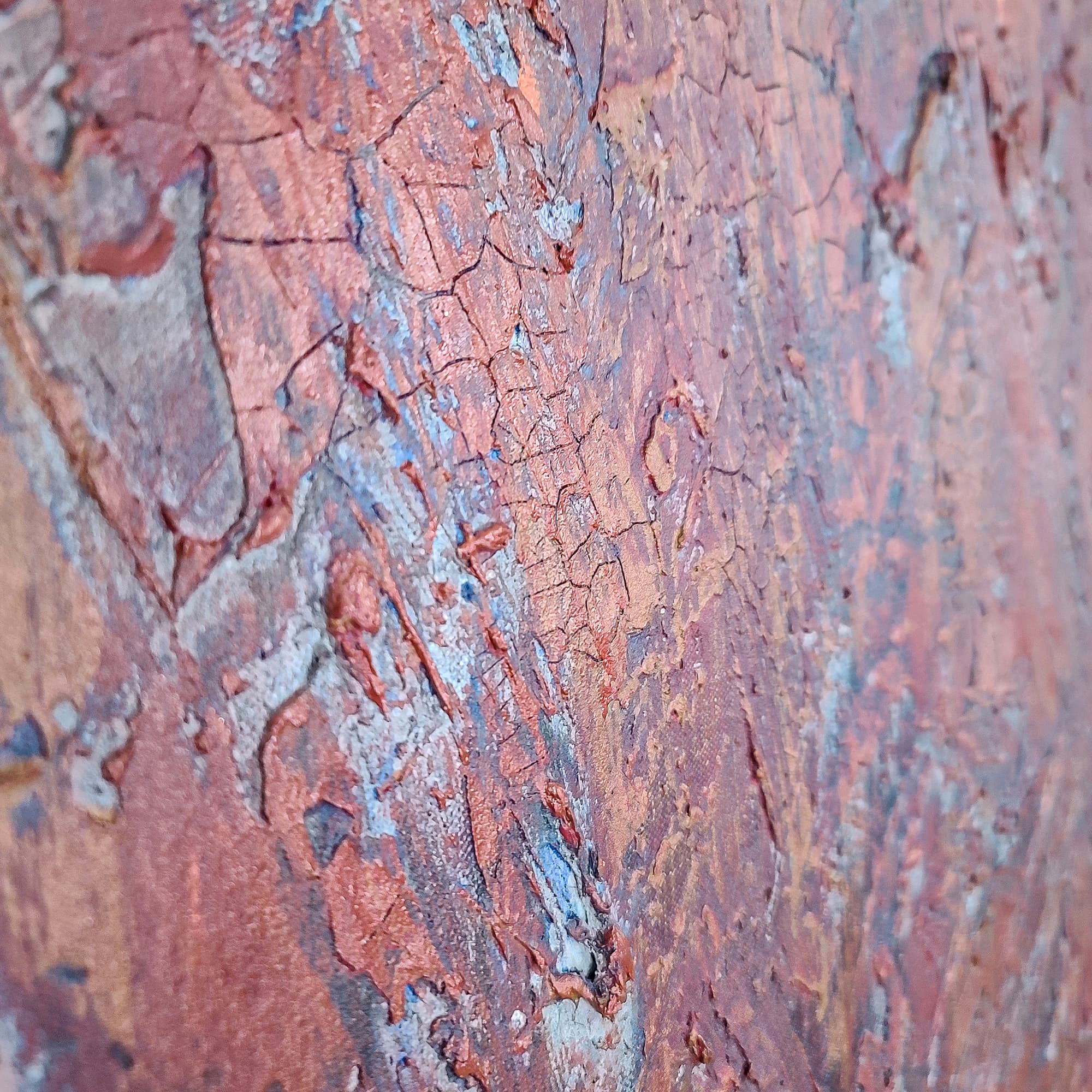
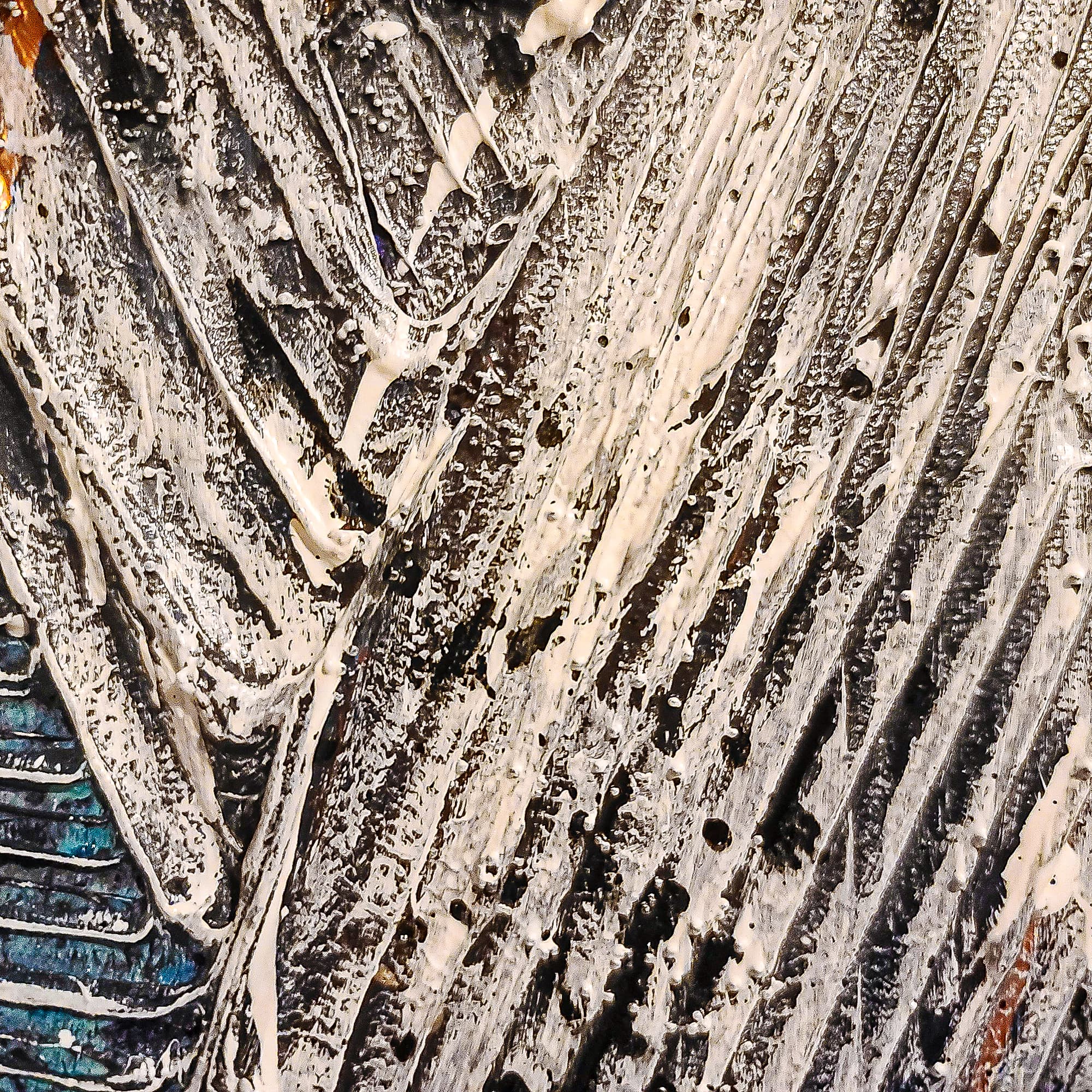
If you must use artificial light, position two identical light sources at 45-degree angles to the painting, one on each side. This eliminates shadows and produces the most even illumination. For textured paintings like those in the Lei-Kol collection, side-lighting from a single source at a shallow angle (around 30 degrees) can actually be desirable — it emphasizes the impasto texture and shows the physical surface quality that makes originals special.
Camera Setup: You Do Not Need a DSLR
A modern smartphone camera (iPhone 12 or later, or recent flagship Android) is entirely capable of photographing art well. The key settings:
- Use the main camera (1x), not the wide-angle (0.5x) or telephoto lenses. The main sensor has the best quality and avoids the distortion of ultrawide lenses.
- Disable flash — always. Flash creates harsh, uneven illumination that flattens texture and creates distracting reflections.
- Hold the phone perfectly parallel to the painting. Tilt creates perspective distortion that makes rectangles look like trapezoids. Many camera apps have a level indicator — use it.
- Fill the frame with the painting. Cropping in post reduces resolution.
Composition: The Painting and Only the Painting
For a pure art photograph, eliminate everything that is not the painting. No furniture, no wall outlets, no thermostat, no light switch. Crop tightly to the edges of the canvas. This is the image you send to the artist when they ask for "in-situ" photos of the painting in your home — a clean, well-lit shot of the work itself.
For a "lifestyle" photograph, step back and include a clean section of the room. The painting should still be the dominant element — the room provides context, not competition. A well-styled corner of a sofa, a clean floor lamp, a tidy shelf. Less is more.
Editing: Less Is Always Better
Resist the urge to crank saturation or apply dramatic filters. Your painting already has the right colors. Your job is to represent them accurately. Adjust exposure and white balance (most phones do this automatically) and stop. If your photo looks dramatically different from the real painting, it is a bad photograph — no amount of editing will fix poor lighting or perspective.
Sharing with the Artist
Artists genuinely love seeing their work in collectors' homes. Tag the artist, share the photo, and tell the story of why you chose the piece. It is one of the most meaningful things a collector can do for a working artist. Start your collection and share your journey — Lei-Kol personally engages with every collector who shares their installation.
Tags