The Mass-Produced Problem
Walk into any home goods store and you will find aisles of canvas prints, framed posters, and "gallery-wrapped" reproductions priced between twenty and two hundred dollars. They look fine in photographs. They fill wall space. And that is precisely the problem — they only fill wall space.
A mass-produced print is a photograph of someone else's art, printed on canvas by a machine. It has no physical texture beyond the weave of the fabric. It has no history. It is identical to thousands of other copies hanging in thousands of other homes. It does the job of covering a blank wall, but it does not do the job of art.
What Makes an Original Different
An original painting is an unrepeatable object. Every brushstroke, every layer, every imperfection is a record of the artist's hand at a specific moment in time. No two originals are alike, even by the same artist working in the same style on the same day.
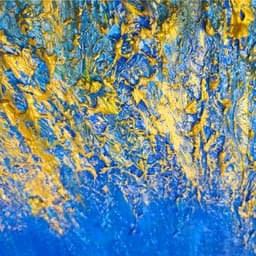
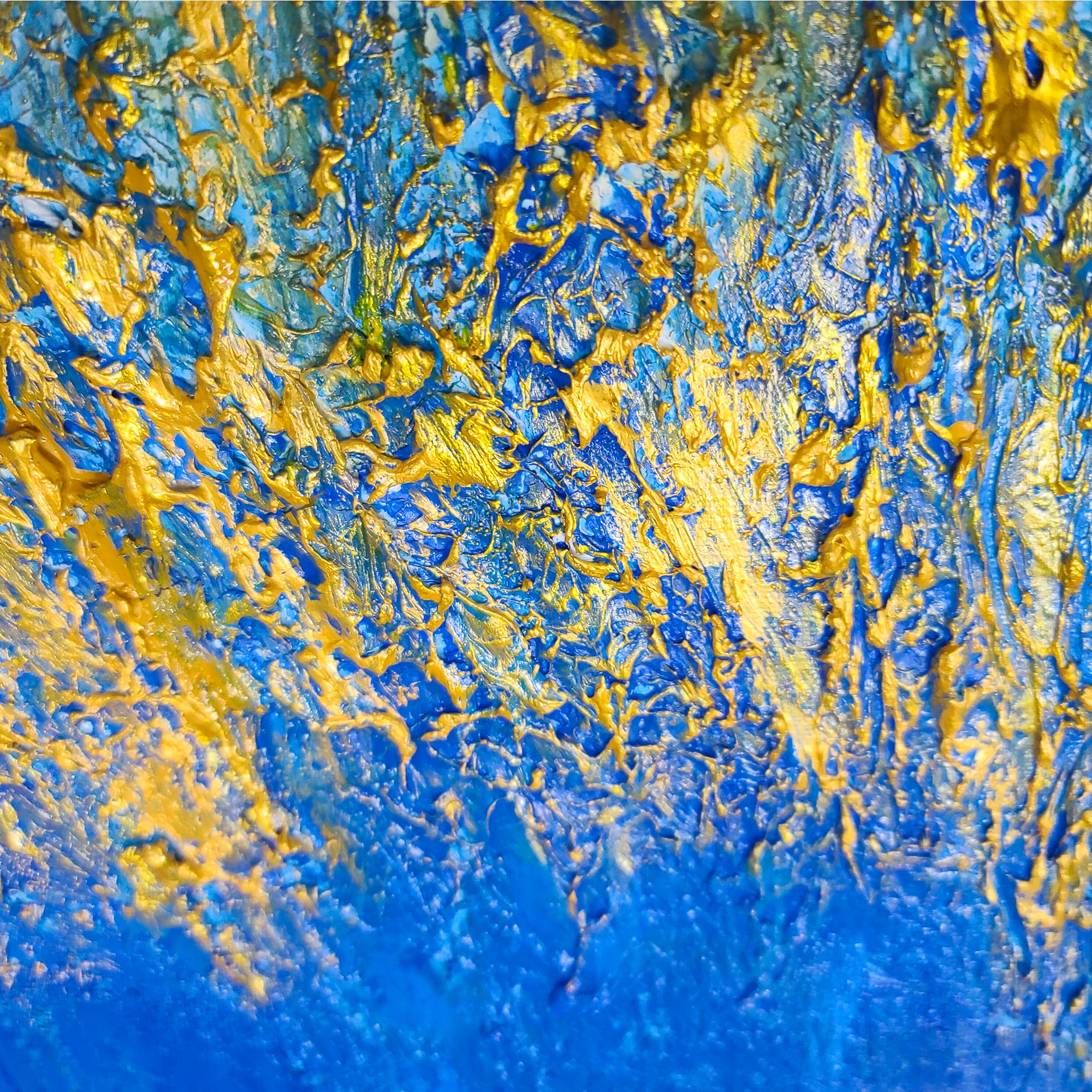
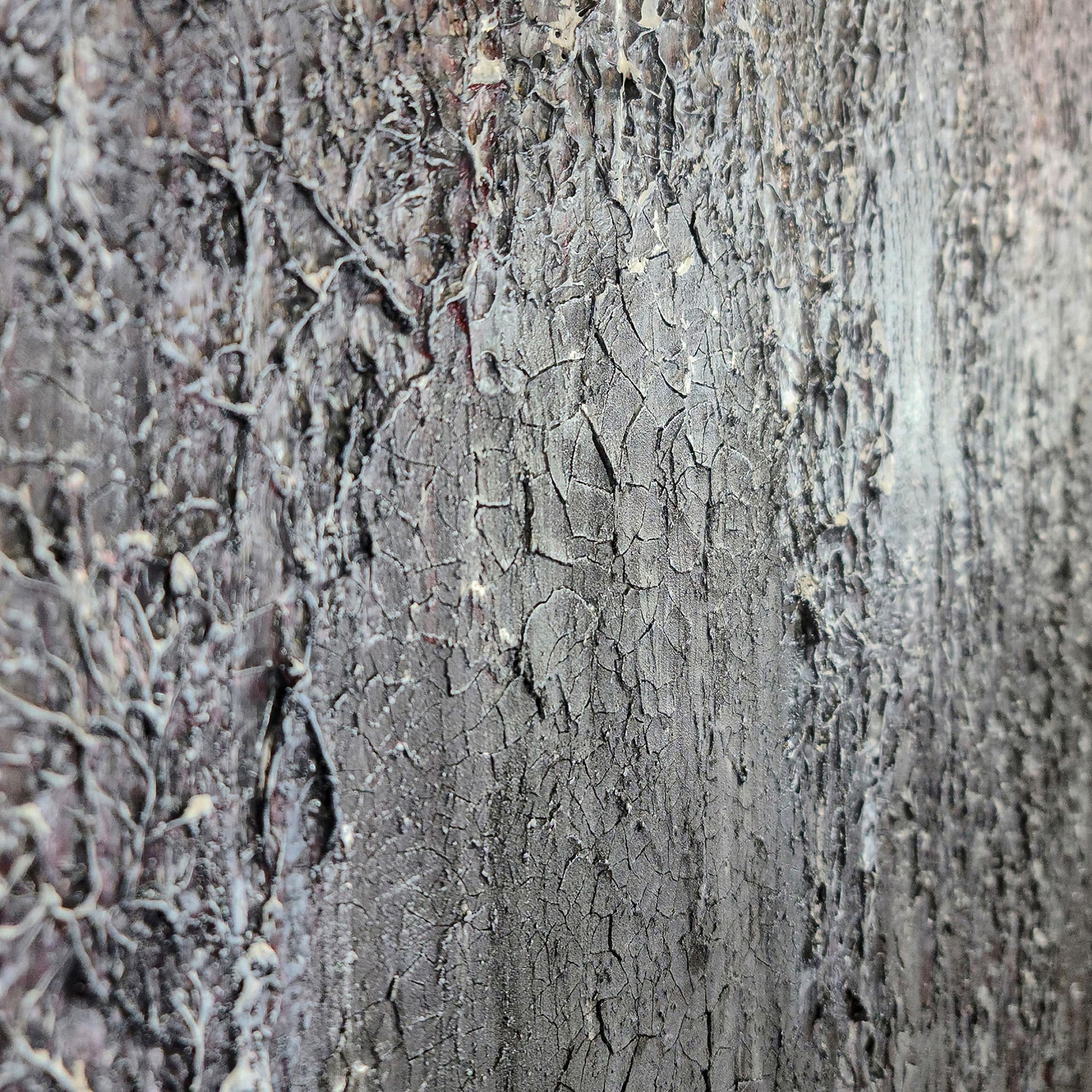
This is especially true of heavy-texture acrylic work. When you stand in front of an original like Stardust, the metallic pigments embedded in thick acrylic catch the light at angles that no camera can capture. The painting literally changes appearance as you move around the room. A print of Stardust would show you one frozen moment of what is actually a dynamic, living surface.
Texture You Can Feel
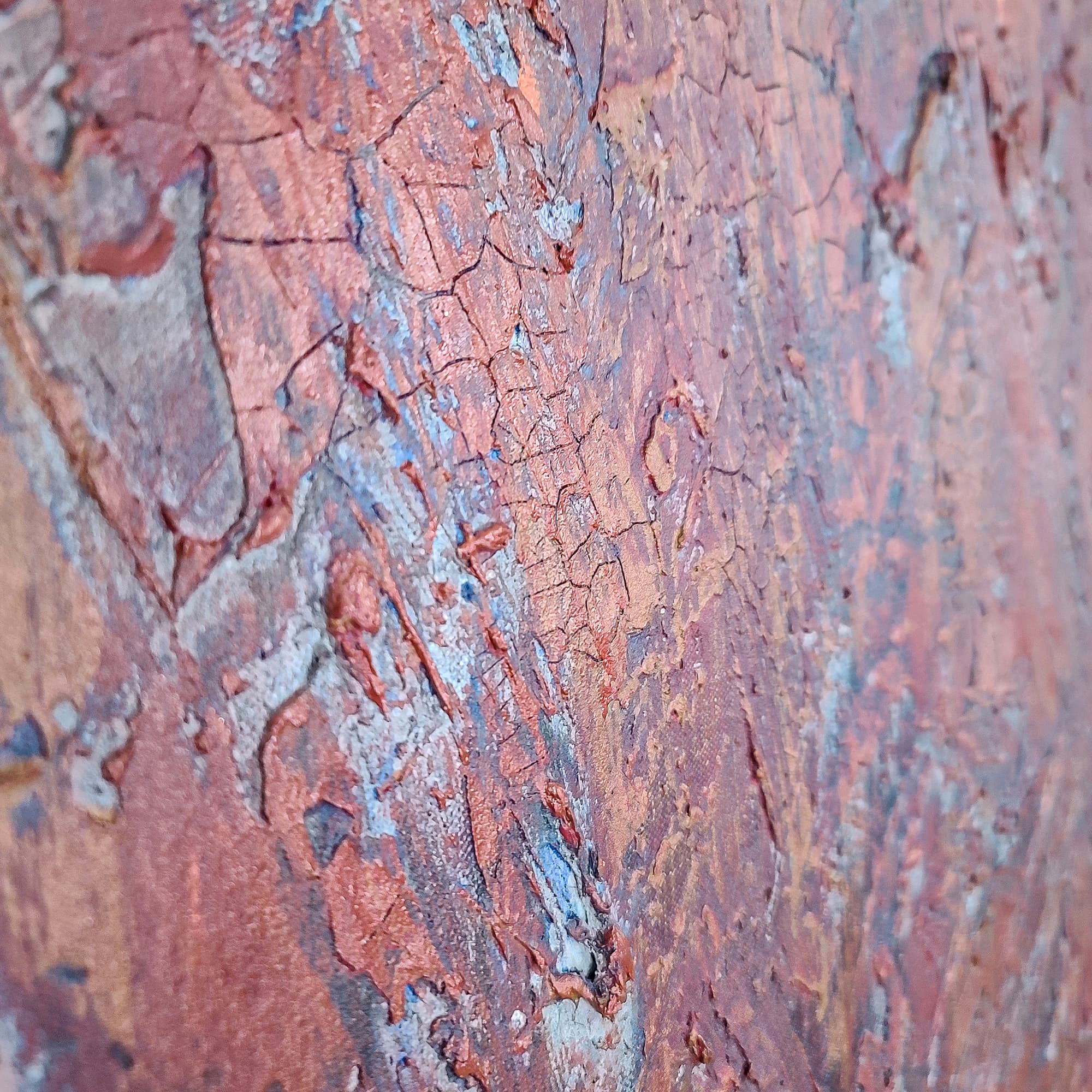
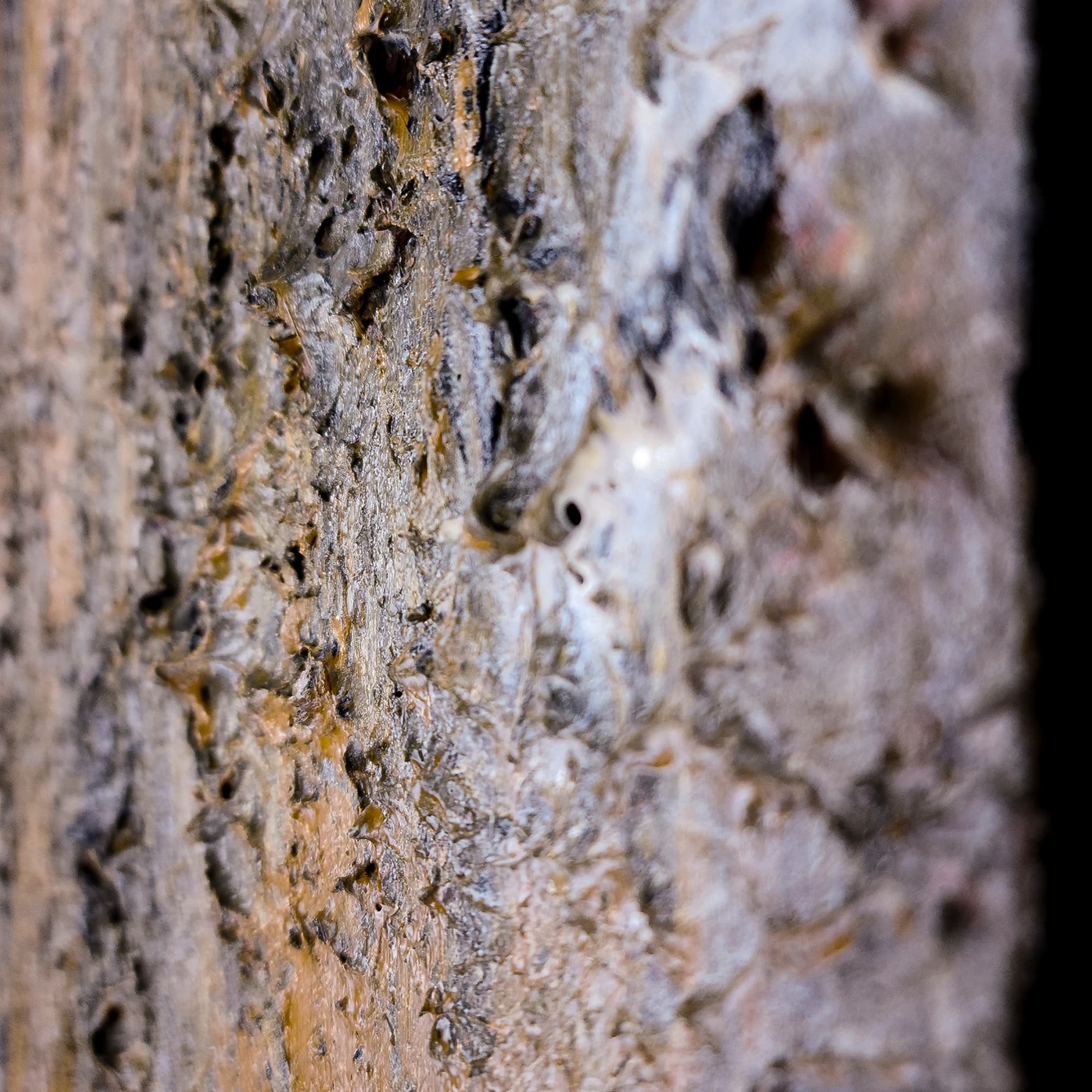
Run your hand across a print and you feel flat canvas. Run your hand across a Lei-Kol original and you feel ridges an inch high, valleys between strokes, the physical weight of paint applied in dozens of layers. This tactile dimension is impossible to reproduce. It is the difference between looking at a photograph of a mountain and standing on the mountain.
Presence in the Room
Original paintings cast micro-shadows from their textured surfaces. These shadows shift as light moves through the room during the day, which means the painting subtly transforms from morning to evening. Prints remain static. This is why original art feels alive in a room and prints feel like wallpaper — pleasant but inert.
The Investment Angle
A print depreciates the moment you hang it. It is a consumer product with no resale market — nobody wants to buy a used copy of something that is still being manufactured by the thousands.
An original painting is a unique asset. Its value is tied to the artist's career trajectory, the quality of the work, and simple supply and demand. There is only one Maui in existence. Once it is sold, it is gone forever. That scarcity is real, not manufactured, and it is what gives original art the ability to hold or increase in value over time.
This does not mean you should buy art purely as a financial investment. But if you are going to spend money decorating your walls, spending more on one original that holds its value is arguably smarter than spending less on a dozen prints that are worthless the day you buy them.
The Emotional Return
People who own original art describe a relationship with the work that print owners never experience. You notice new details months after hanging it. You develop a routine of glancing at it during specific moments of your day. Guests ask about it — where it came from, what it means, who made it — in a way they never ask about a print from a chain store.
That emotional engagement is the real return on investing in original art. It transforms a wall from something you look past into something you look at, think about, and feel connected to.
Why Lei-Kol Will Never Sell Prints
Every piece in the Lei-Kol collection is a one-of-a-kind original. There are no limited editions, no reproductions, no "artist-authorized prints." When a painting is sold, it belongs to one person and one person only. This is a deliberate choice rooted in the belief that art loses its power the moment it becomes mass-produced.
If you are ready to experience the difference an original painting makes, explore the collection or contact Lei-Kol directly to discuss which piece might be right for your space.
Tags