Your Art Is Sensitive to Its Environment
Original paintings are durable objects when given reasonable conditions. But unreasonable conditions are more common than most collectors realize. A painting hung above a working radiator. A canvas stored in a damp basement. A piece displayed in a sunroom that hits 95 degrees in summer. These seemingly small environmental factors compound over months and years, gradually degrading the artwork in ways that may not be visible until the damage is irreversible.
Understanding how climate affects different art media allows you to make simple adjustments that will keep your collection in museum-grade condition for decades.
Humidity: The Silent Enemy
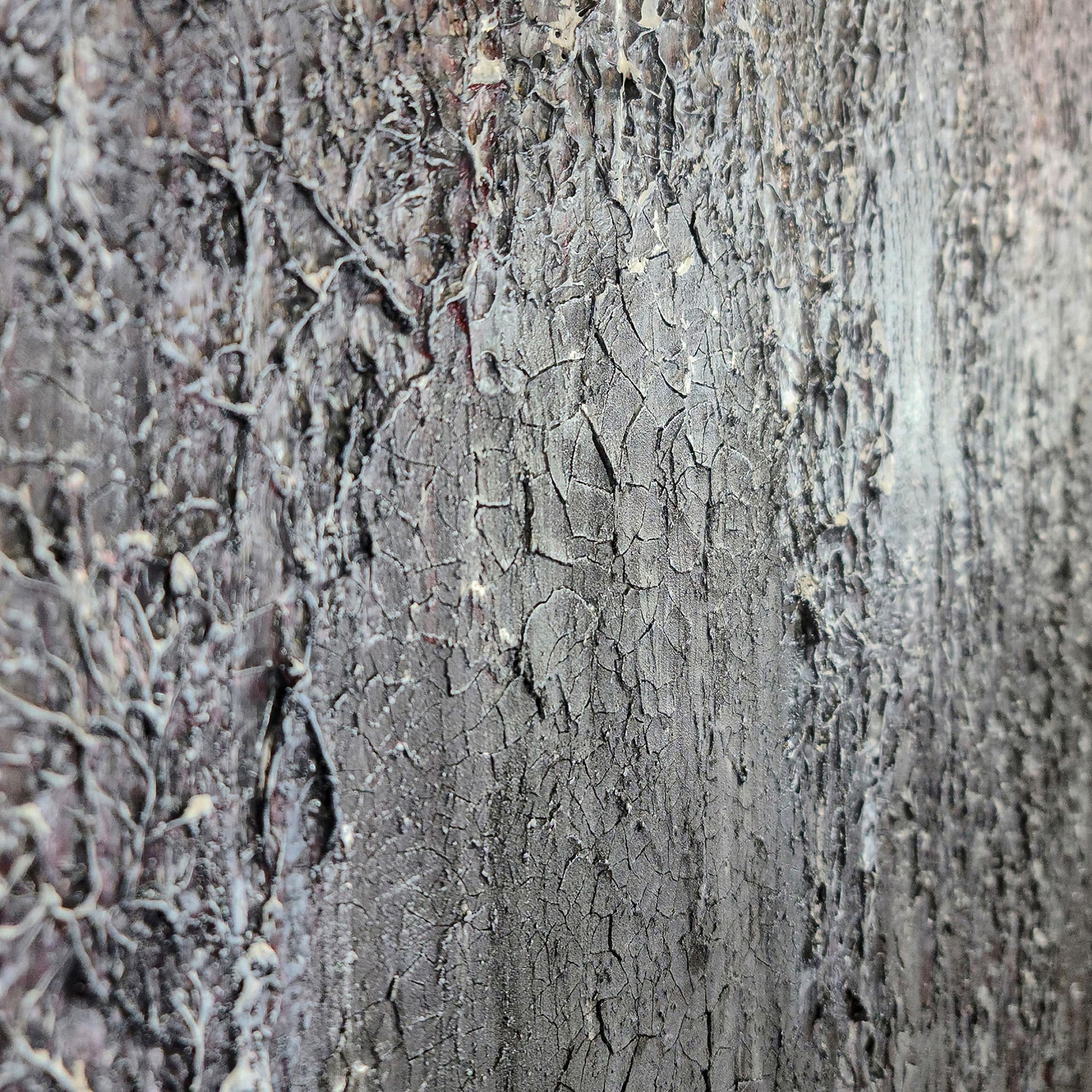
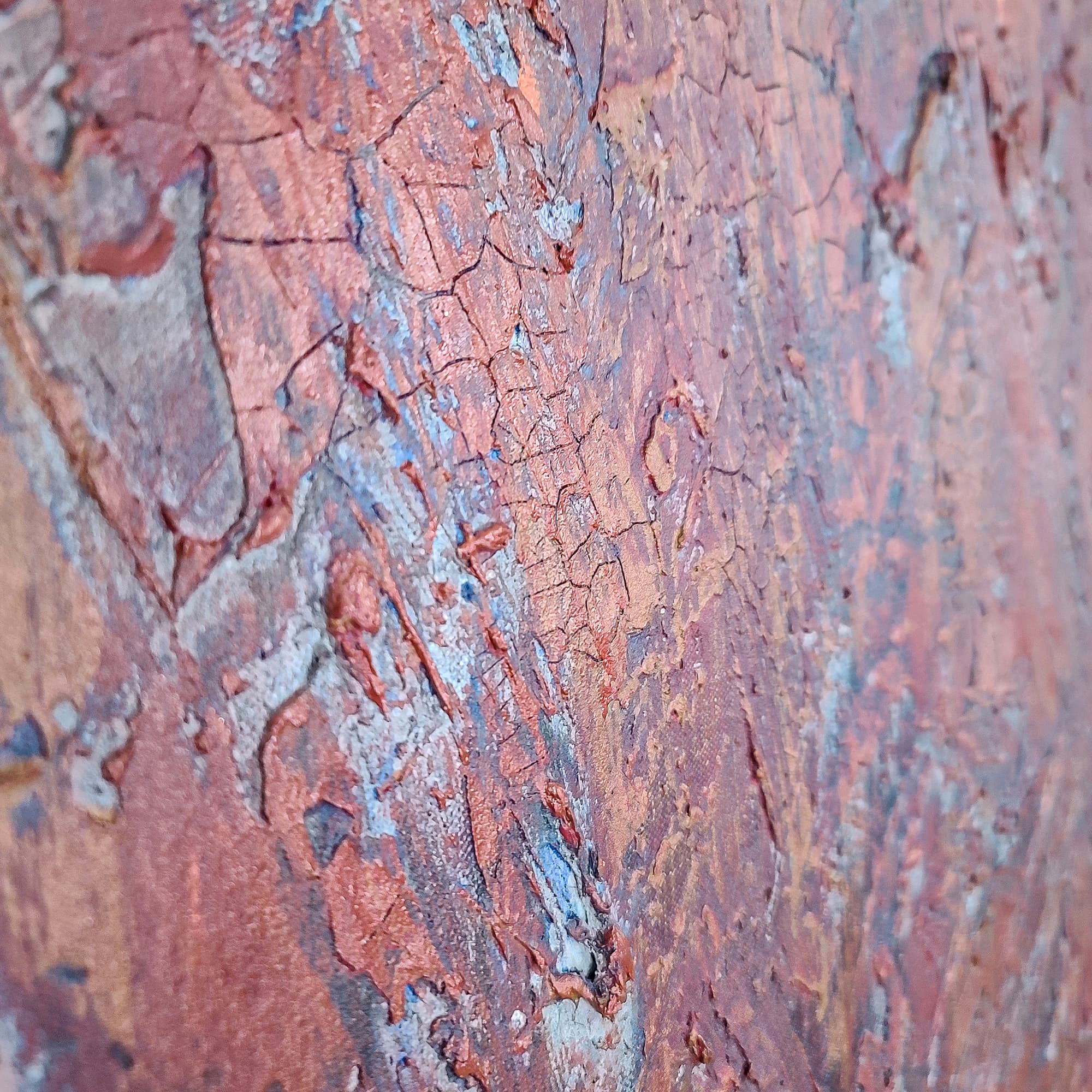
Canvas and wood stretcher bars are organic materials that absorb and release moisture from the air. In high humidity (above 65 percent relative humidity), they swell. In low humidity (below 30 percent), they contract. Repeated cycles of swelling and contracting — common in homes without humidity control — cause the canvas to loosen and tighten repeatedly. Over time, this mechanical stress can cause the paint layer to crack, especially in older oil paintings.
The ideal relative humidity range for artwork is 40 to 55 percent. Most modern homes naturally fall within this range, but bathrooms, kitchens, basements, and homes in tropical or desert climates can vary dramatically. A $15 hygrometer from any hardware store will tell you exactly what your room's humidity is.
Solutions: Avoid hanging art in bathrooms, near kitchen steam sources, or on exterior walls that may conduct outdoor humidity. If your home is consistently above 60 percent humidity, a dehumidifier in the room protects both your art and your home. If consistently below 30 percent (common in heated winter homes), a small humidifier prevents the canvas from becoming brittle.
Temperature: Consistency Matters More Than the Number
Art tolerates a wide temperature range far better than it tolerates rapid temperature changes. A painting hanging at a stable 65 degrees and a painting hanging at a stable 80 degrees will age similarly. But a painting that swings between 60 degrees at night and 80 degrees during the day experiences thermal expansion and contraction cycles that stress the materials.
The rule: Keep temperature stable. Avoid hanging art directly above heating vents, radiators, or near exterior doors that open frequently. These locations create local microclimates of hot, dry air that accelerates material degradation. The ideal temperature is whatever your home maintains consistently — typically 65 to 75 degrees.
Light: UV Damage Is Cumulative
Direct sunlight is the most preventable cause of art damage. UV radiation breaks down pigment molecules and causes fading over time. While acrylic paint is significantly more UV-resistant than watercolor, oil, or works on paper, no pigment is immune to years of direct sun.
Solutions: Hang art on walls that receive indirect rather than direct light. North-facing walls (in the northern hemisphere) receive the most consistent indirect light and are ideal for art. If a painting must hang on a sun-facing wall, UV-filtering window film or UV-blocking glass in the frame provides significant protection. Even simple sheer curtains that diffuse direct sunlight make a meaningful difference.
Why Acrylic Paintings Are More Resilient
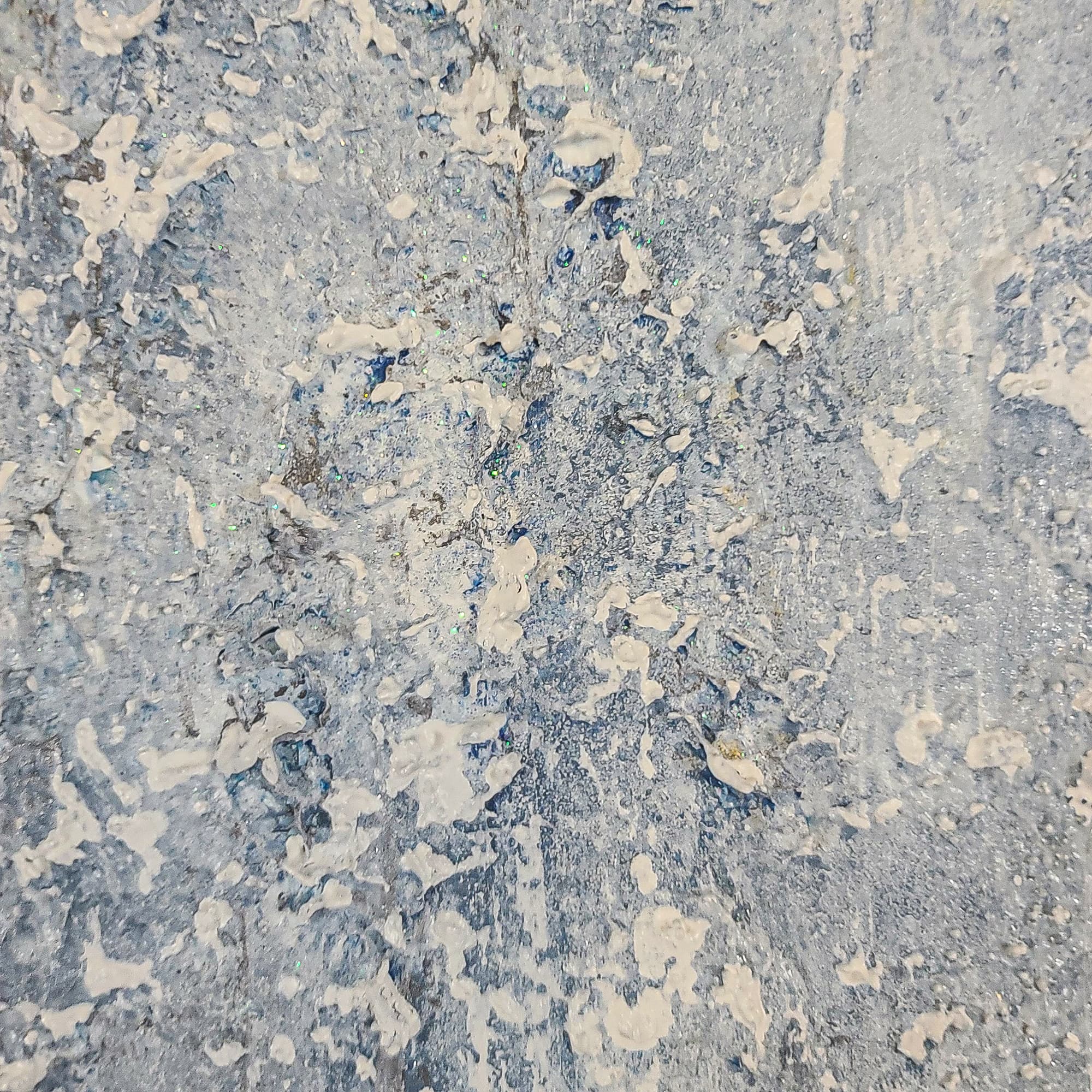
One advantage of modern acrylic painting — and one reason Lei-Kol works exclusively in heavy-body acrylics — is that acrylic is inherently more durable than oil. Acrylic paint remains permanently flexible after curing, which means it tolerates the minor dimensional shifts that cause oil paint to crack. It is also more resistant to UV fading, yellowing, and chemical breakdown. A properly cared-for acrylic painting will look virtually unchanged in fifty years.
Practical Guidance for Collectors
- Buy a hygrometer: Know your room's humidity. It is the single most actionable step you can take.
- Rotate art seasonally if you live in an extreme climate. Move vulnerable pieces away from risk zones (radiators in winter, direct sun in summer).
- Document condition: Photograph your paintings under consistent lighting once per year. Side-by-side comparison makes gradual changes visible before they become problems.
- Consult the artist: If you notice any change in a Lei-Kol painting — cracking, flaking, discoloration — contact Lei-Kol immediately. She stands behind every piece and can advise on conservation.
Build your collection with confidence, knowing that a few simple environmental precautions will preserve your investment for a lifetime.
Tags