Your Office Art Is Working Even When You Are Not
In a home office, art serves multiple functions simultaneously. It is the backdrop of every video call — a silent ambassador for your taste and professionalism. It is the thing your eyes rest on during moments of deep thought. And it is the environment you inhabit for eight or more hours each day. The wrong art in an office is distracting or discordant; the right art is a productivity tool.
The Video Call Test
Before the pandemic, what was behind you on a work call rarely mattered. Today, every meeting is a video meeting, and your background is part of your professional presentation. The art behind your desk should:
- Be visually clear at webcam resolution: Highly detailed paintings with fine patterns can read as visual noise on a compressed video stream. Bold, graphic compositions with clear color areas read better on screen.
- Not compete with your face: Extremely busy, high-contrast art can pull the viewer's eye away from your face. The art should complement your presence, not fight it.
- Communicate competence without pretension: An original painting projects taste, quality, and intentionality. A generic poster or blank wall projects the opposite.
- Avoid controversial imagery: Keep it professional. Abstract work is ideal for this reason — it stimulates without provoking.
Creativity and Focus: What the Research Shows
Multiple studies have demonstrated that visual art in workspaces affects cognitive performance. A widely cited University of Exeter study found that enriched office environments (including art) increased productivity by approximately 15 percent compared to lean, unadorned offices. The mechanism appears to be a combination of reduced stress, increased engagement, and a subtle signal that the space belongs to a person, not a corporation.
For creative work specifically, abstract art offers advantages over representational work. Non-representational imagery engages the brain's pattern-recognition and meaning-making systems without providing a definitive answer, which has been shown to enhance divergent thinking — the kind of thinking that generates novel ideas in problem-solving sessions.
What to Hang Where
Behind your desk (the video call wall): A single confident piece, vertically oriented or square, centered at camera height. A 36 × 48 inch piece like Mushrooms or Gray Day fills the frame beautifully without overwhelming the shot. The painting should sit high enough that your head does not overlap it on camera — typically with the bottom edge at or slightly above your seated shoulder height.
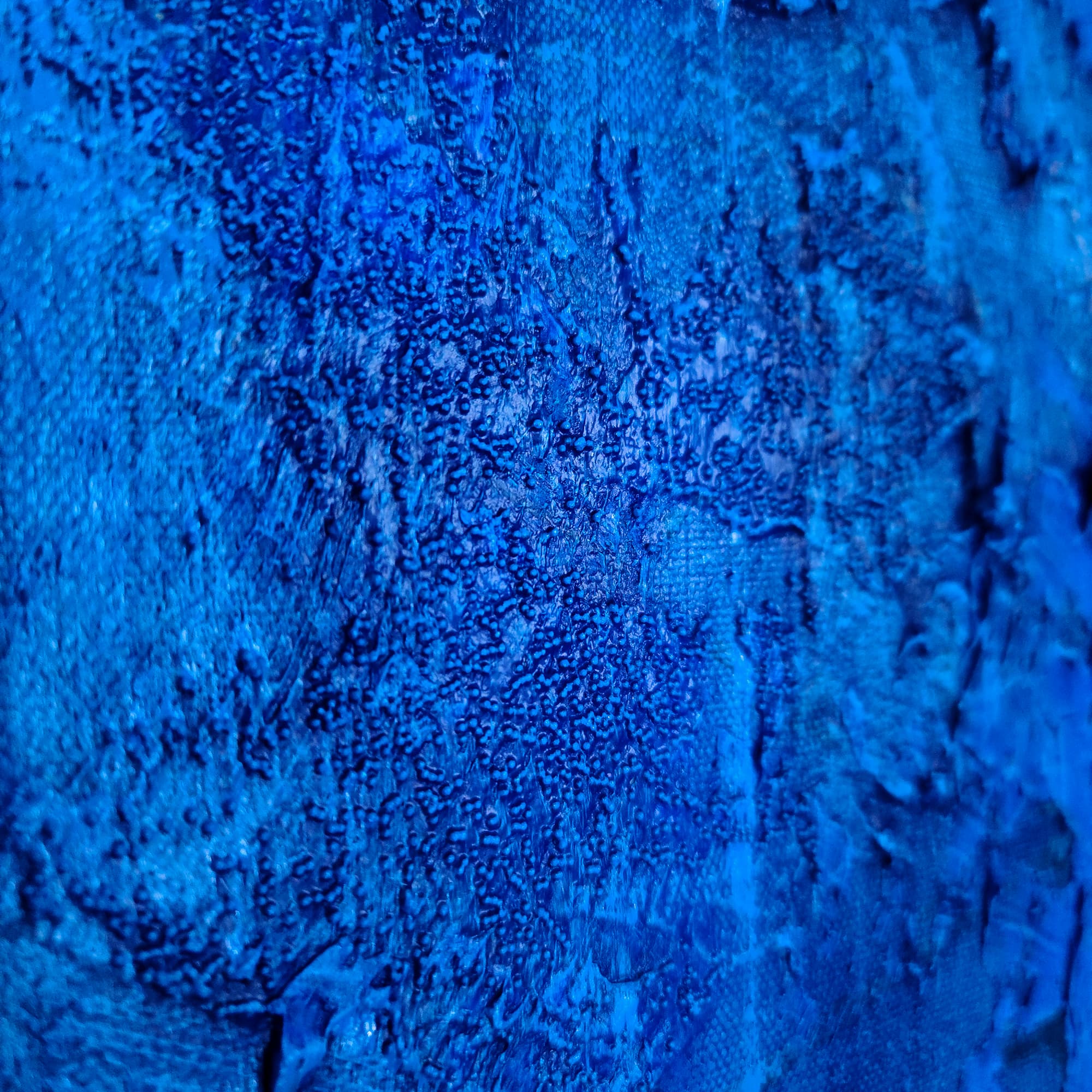
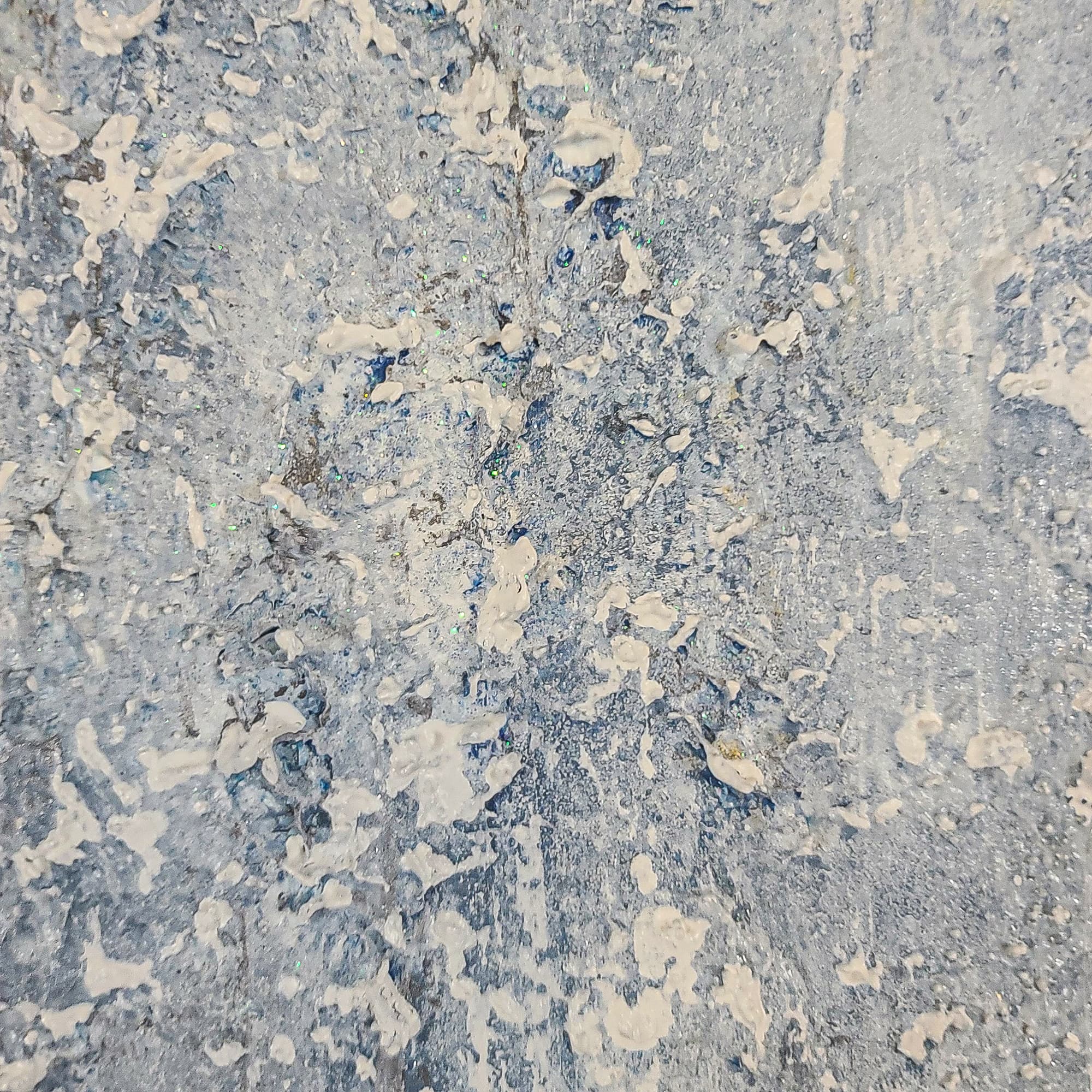
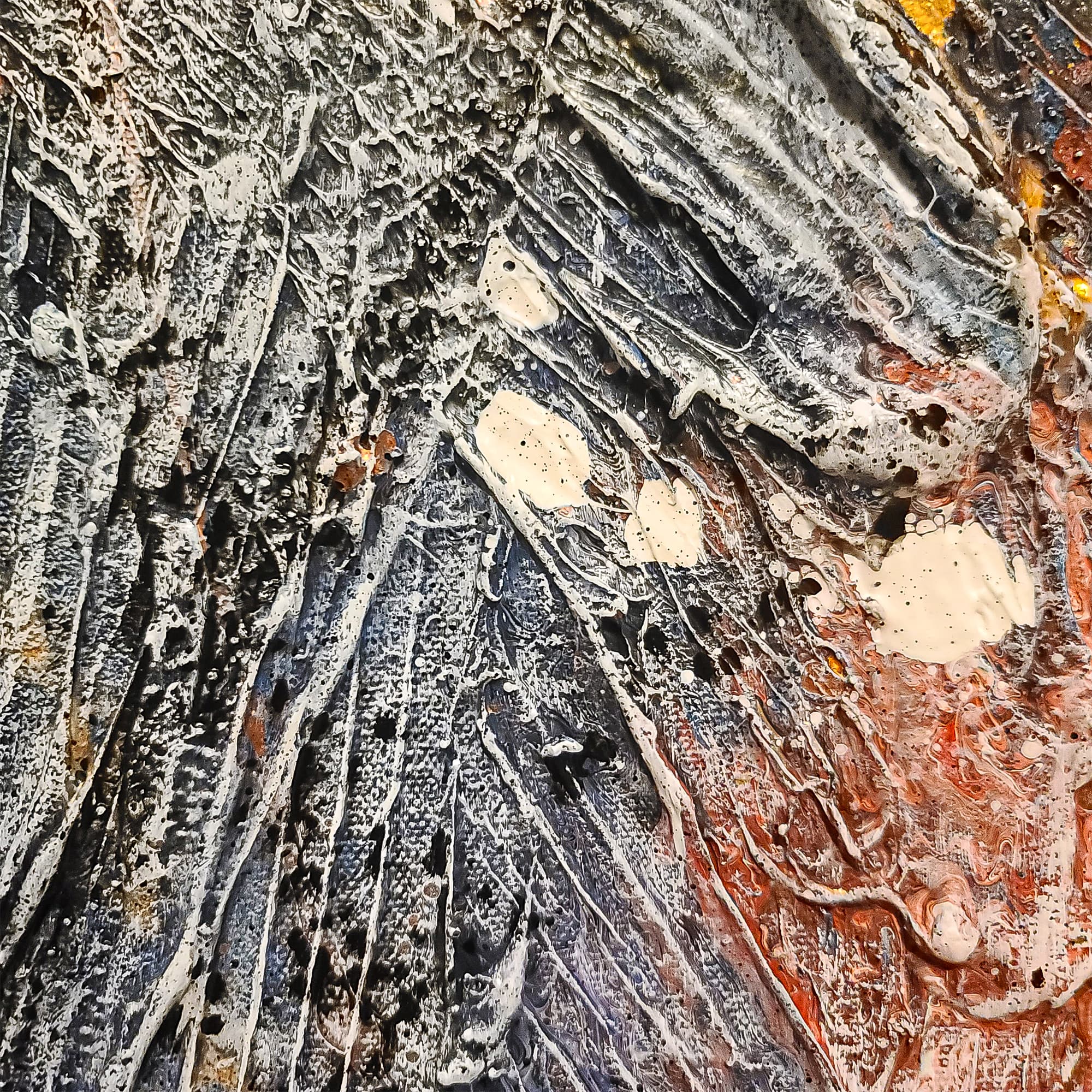
On the wall you face: This is the art you will actually look at the most — the piece you see when you look up from your screen. Choose something that rewards extended viewing. A heavily textured piece like Snow Storm or Blue Denim provides visual respite during long work sessions.
Side walls: These are secondary viewing angles but still part of the room's energy. One or two smaller pieces create visual interest without competing with the primary focal points.
Color Psychology for Workspaces
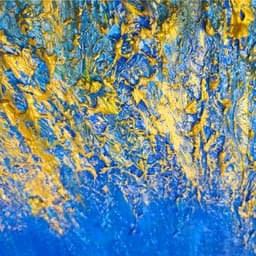
Blues and greens promote focus and calm — ideal for tasks requiring sustained concentration. Waterfalls or Riptide bring these productive colors into the room.
Warm tones (golds, ambers, soft oranges) promote creative energy and sociability — good for collaborative or brainstorming environments. Maui radiates this kind of productive warmth.
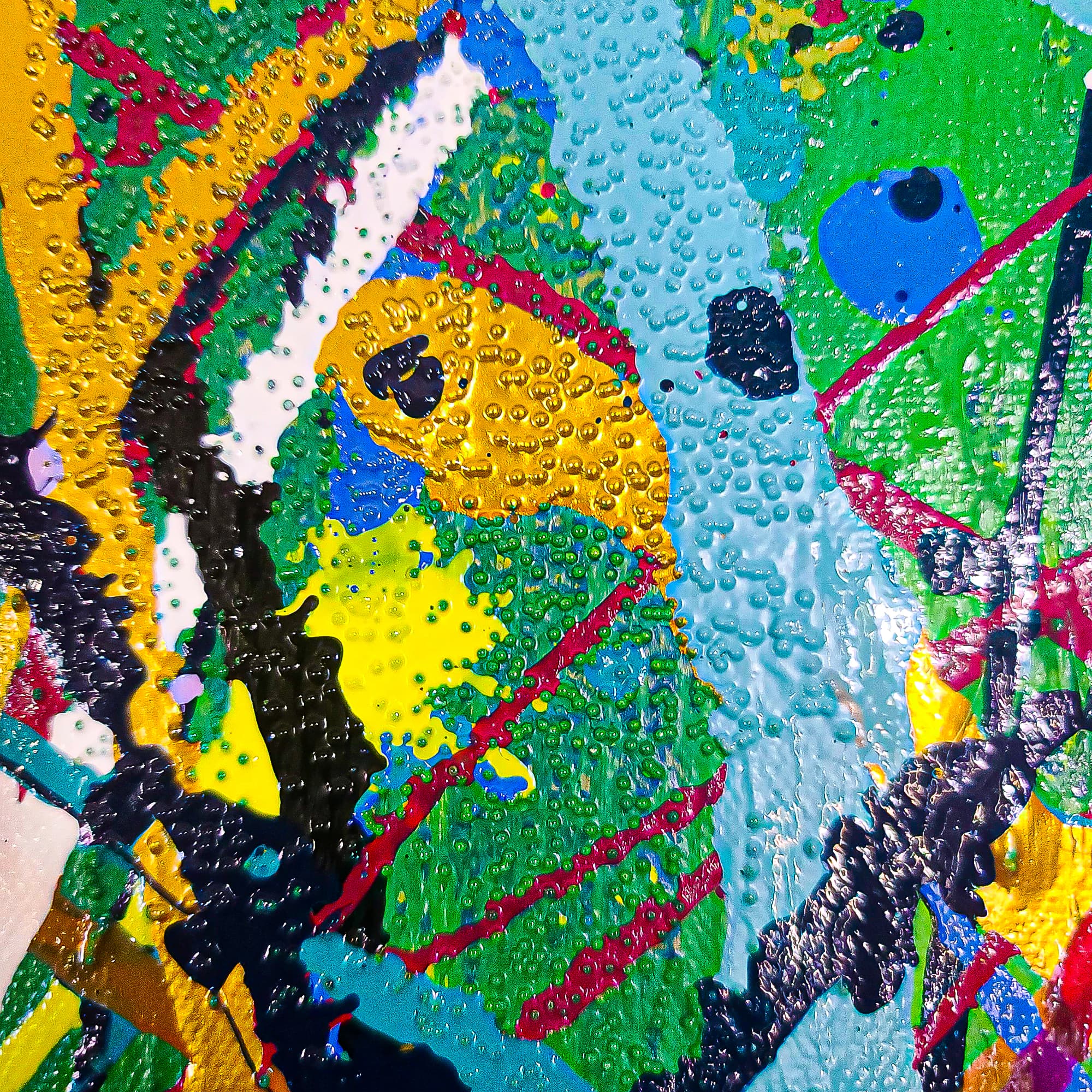
High-contrast pieces promote alertness and engagement but can become fatiguing over long periods. Use them on walls you look at occasionally rather than continuously. Bipolar on a side wall provides bursts of visual energy throughout the day.
Invest in Your Workspace
You spend more waking hours in your home office than in any other room. The art on your walls is not decoration — it is infrastructure for how you think, feel, and present yourself to the world. Browse the collection and find the piece that makes your workspace work better. Contact Lei-Kol for a free mock-up showing a specific painting on your office wall.
Tags