The Most Common Art Placement Mistake
More people hang art above a sofa than in any other location in the home. And more people get it wrong in exactly the same ways: art that is too small, too high, too low, or too disconnected from the furniture below. Getting it right does not require an interior design degree — it requires understanding a few simple principles.
Myth: The Art Should Be the Same Width as the Sofa
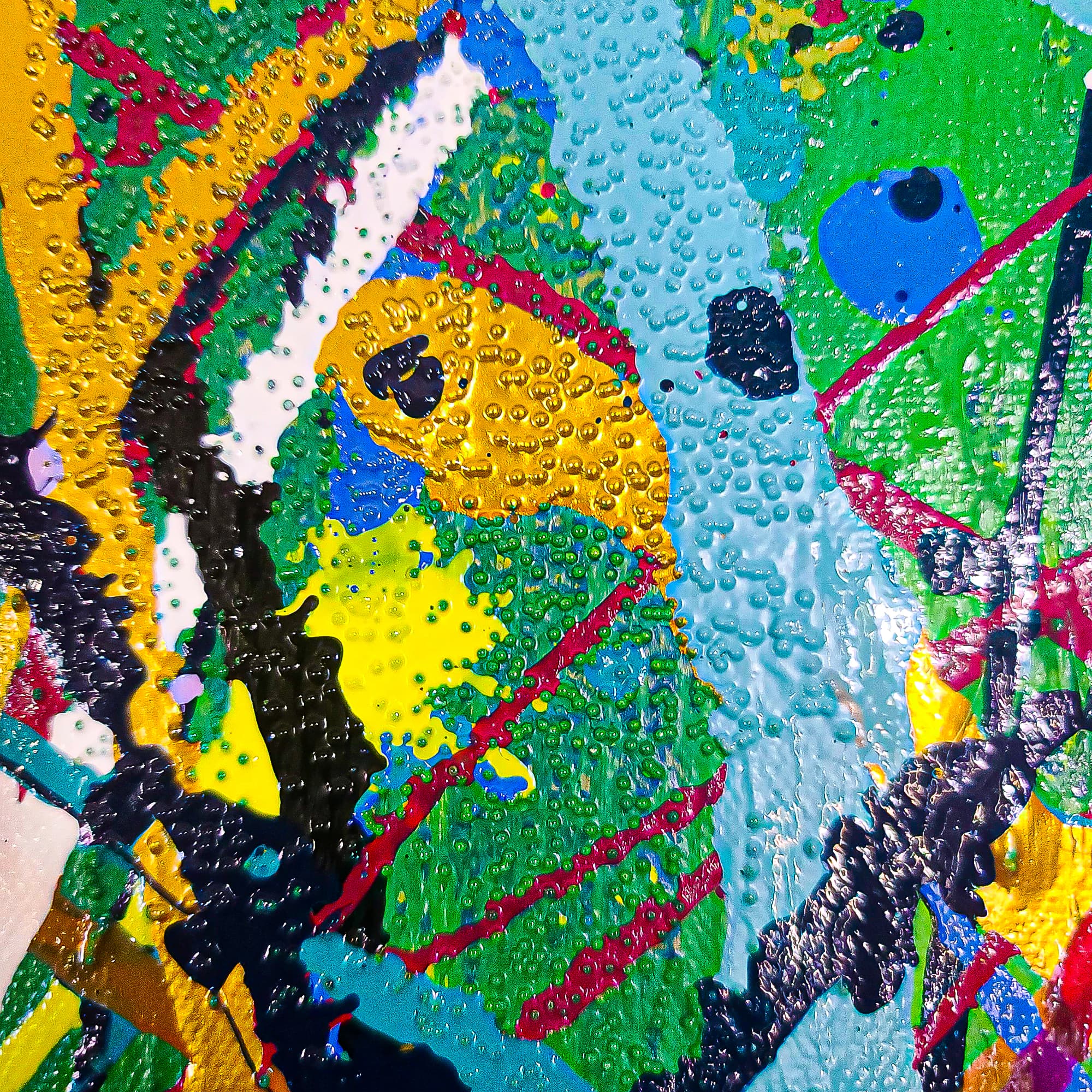
This is the most widely repeated rule and the most consistently wrong. If your sofa is 84 inches wide and you hang an 84-inch-wide painting, the art will visually overpower the seating — it will feel like the art is eating the sofa. The correct proportion is roughly two-thirds the width of the sofa. For a standard 84-inch sofa, that means a painting 50 to 60 inches wide. Pieces like Maui or Bipolar at 48 × 60 inches hit this sweet spot exactly.
Myth: Hang It at Eye Level
"Eye level" is meaningless because eye levels vary by a foot or more between individuals. The real standard — used in every major museum — is the 57-inch rule: the center of the artwork should be 57 inches from the floor. This is the average human eye level across populations and creates a consistent viewing experience.
Above a sofa, the rule adapts: the bottom edge of the artwork should be 6 to 8 inches above the top of the sofa back. This creates a visual connection between furniture and art while maintaining breathing room. If the sofa is particularly tall or particularly low, prioritize the 6-to-8-inch gap over the 57-inch rule — the proximity to the furniture matters more than absolute height.
Myth: Always Center the Art on the Wall
Center the art above the sofa, not above the wall. If your sofa is not centered on the wall — as it often should not be in L-shaped or open-plan layouts — the art travels with the sofa. Your eye reads the furniture and the art as a unit. Art centered on the wall but offset from the sofa below creates a disjointed composition that feels accidental.
The Texture Factor
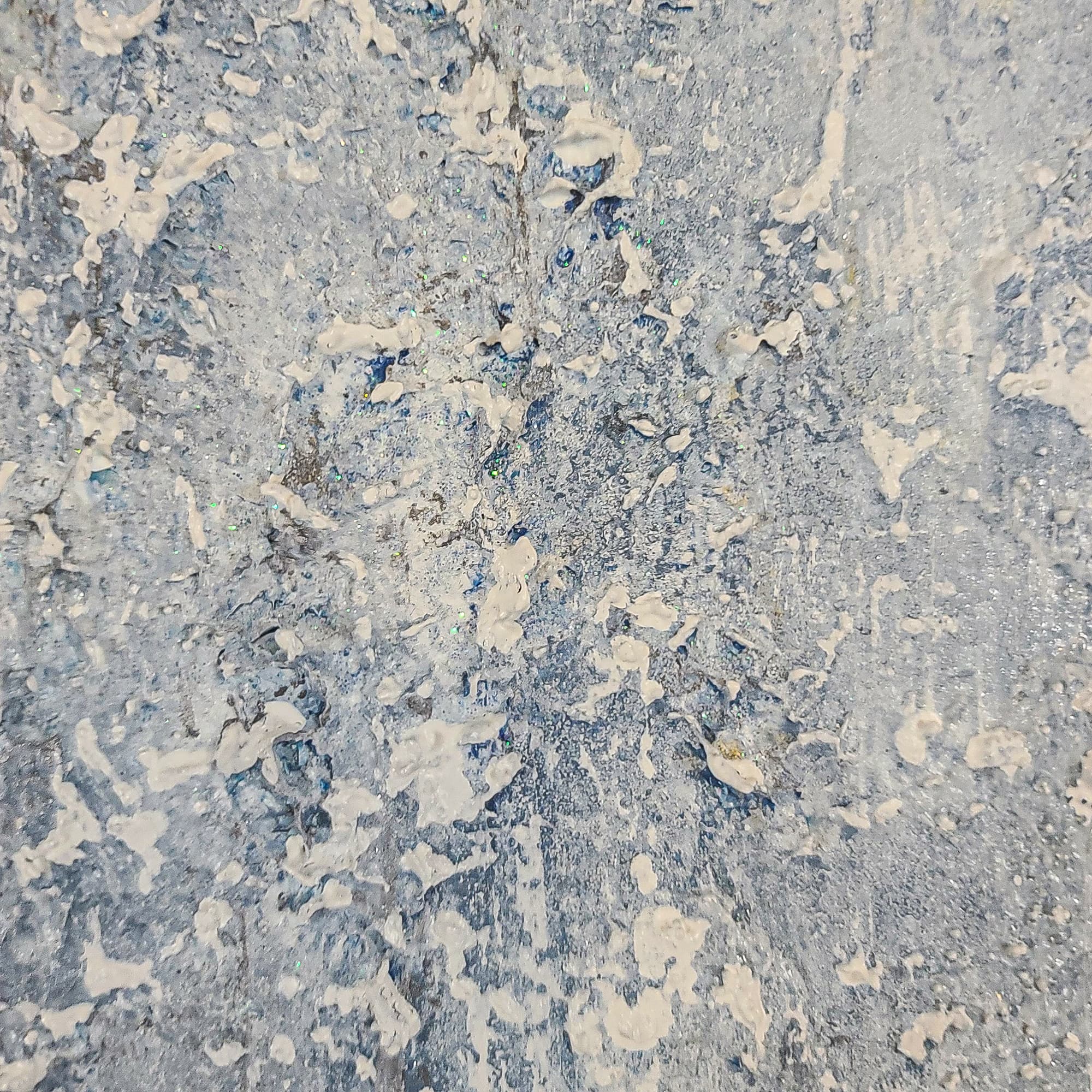
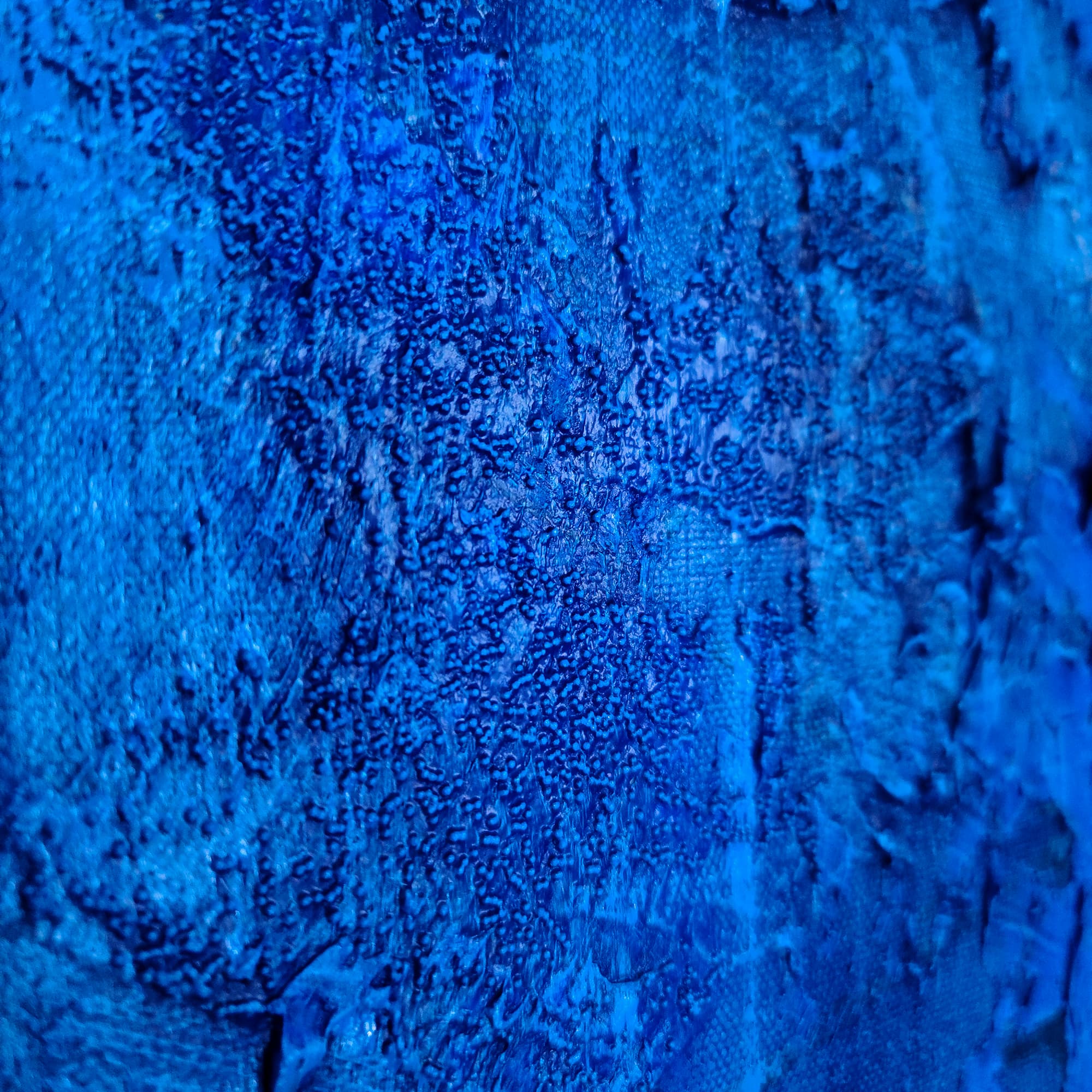
A heavily textured painting above a sofa has advantages that flat prints cannot match. Guests sit on the sofa — directly facing the art — and a textured surface rewards close, extended viewing in a way that a flat print never will. The impasto surface of a Lei-Kol original catches side light from adjacent windows, creating subtle shadow play that makes the painting a genuine conversation piece rather than background decoration.
The Single-Piece Advantage
Above a sofa, one large painting is almost always better than a gallery wall of smaller pieces. Multiple small frames above a long sofa create visual fragmentation — the eye does not know where to settle. One substantial piece creates a clear focal point that organizes the entire living area. If you want more art in the room, put it on adjacent walls — let the sofa wall have one commanding presence.
Test Before You Drill
Cut a piece of kraft paper to the exact dimensions of the painting you are considering. Tape it to the wall above your sofa. Live with it for 24 hours. Adjust the height until it feels right. Only then should you install hardware. Paper is cheap. Patching drywall is annoying. Choose your painting, get a free mock-up showing it on your actual wall, and hang with confidence.
Tags