Two Media, Two Philosophies
Walk through any art museum and the vast majority of paintings you see will be oils. Walk through a contemporary gallery and you will find plenty of oil — but increasingly, you will also find acrylics. The two media have distinct personalities, and understanding the differences helps collectors make informed choices about what they are buying and how to care for it.
Oil Paint: The Old Master
Oil paint has been the dominant fine art medium since the 15th century. It consists of pigment suspended in a drying oil — traditionally linseed oil, though walnut, poppy, and safflower oils are also used. The oil cures through oxidation rather than evaporation, a chemical process that can take years to fully complete.
Advantages of oil: Slow drying time allows for extensive blending, subtle gradations, and reworking of passages over multiple sessions. The paint has a luminosity and depth that comes from light penetrating the translucent oil layers. Oil also has a long and celebrated history — the tradition and prestige of oil painting add cultural weight to any piece.
Disadvantages of oil: Slow drying is a double-edged sword — it limits how quickly an artist can build up thick layers. Heavy impasto in oil is structurally risky because the outer layers dry faster than the inner layers, creating tension that can cause cracking over decades. Oil paintings also yellow over time as the oil binder oxidizes, shifting the color balance of the work. Restoration of aged oil paintings is complex and expensive.
Acrylic Paint: The Modern Contender
Acrylic paint was developed in the mid-20th century and has been steadily gaining acceptance in the fine art world ever since. It consists of pigment suspended in an acrylic polymer emulsion — essentially a plastic-based binder that cures through water evaporation.
Advantages of acrylic: Acrylic dries quickly (minutes to hours depending on thickness), allowing artists to build up layers rapidly. For heavy texture work like Lei-Kol's, this is essential — dozens of layers of impasto paint can be applied over days rather than months. Acrylic is permanently flexible, meaning it tolerates the minor expansion and contraction of canvas without cracking. It does not yellow over time. It is far more UV-resistant than oil. And the polymer binder creates a durable, water-resistant surface that requires minimal maintenance.
Disadvantages of acrylic: The fast drying time limits blending compared to oil. Early acrylics (1950s-1970s) had issues with color shift during drying and a plastic-like surface quality that some critics found unappealing. Modern professional-grade acrylics have largely solved these problems — the heavy-body acrylics used by Lei-Kol are virtually indistinguishable from oil in richness and depth.
Durability Comparison
For collectors concerned about longevity, acrylic offers several clear advantages:
- No yellowing: The oil binder oxidizes and yellows; the acrylic polymer does not.
- No cracking: Acrylic's permanent flexibility prevents the surface cracking that afflicts many older oil paintings.
- UV resistance: Acrylic pigments are more lightfast than many oil pigments, meaning colors remain true for longer under identical light exposure.
- Moisture resistance: Once cured, acrylic paint forms a water-resistant film. Oil paint remains somewhat porous indefinitely.
Texture and Impasto
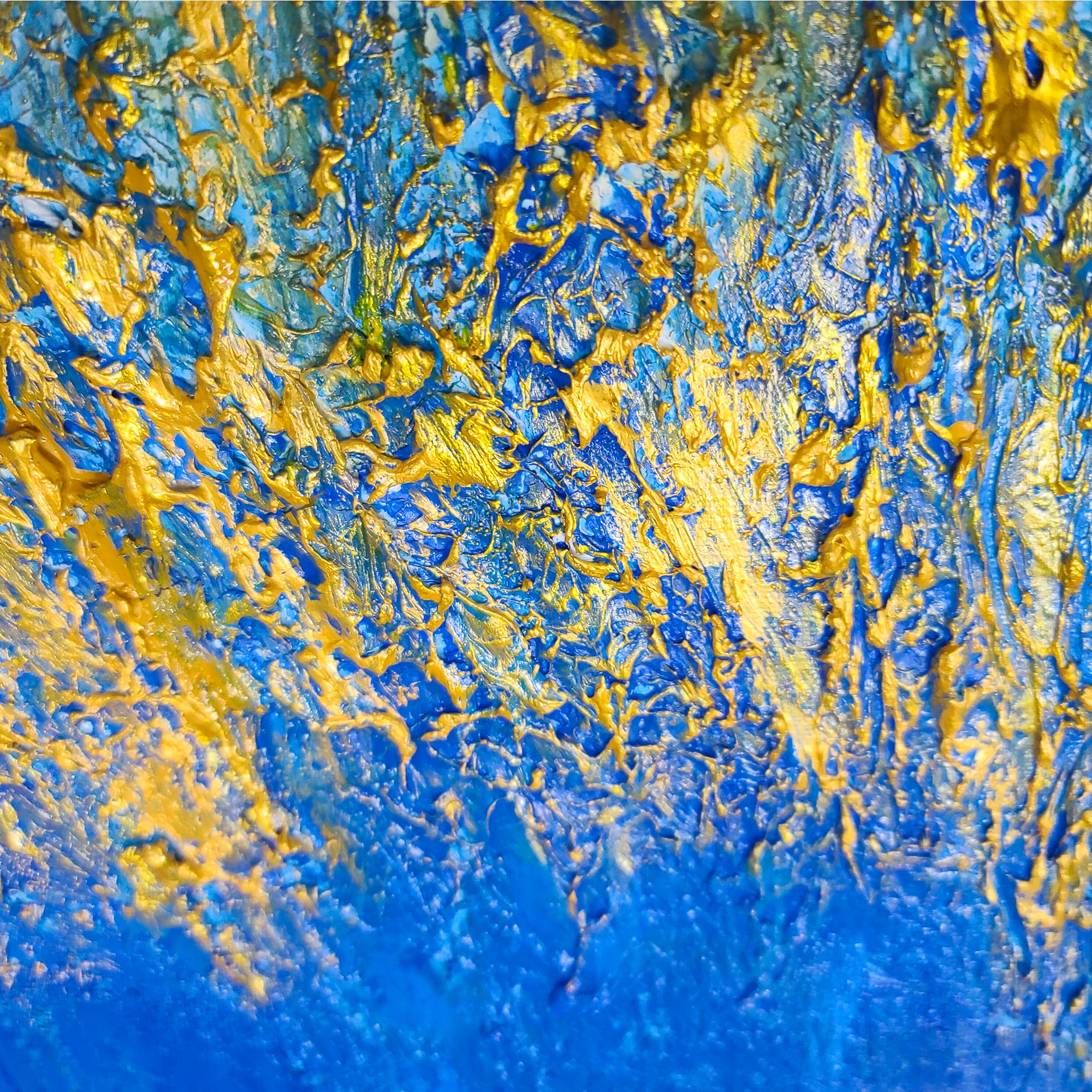
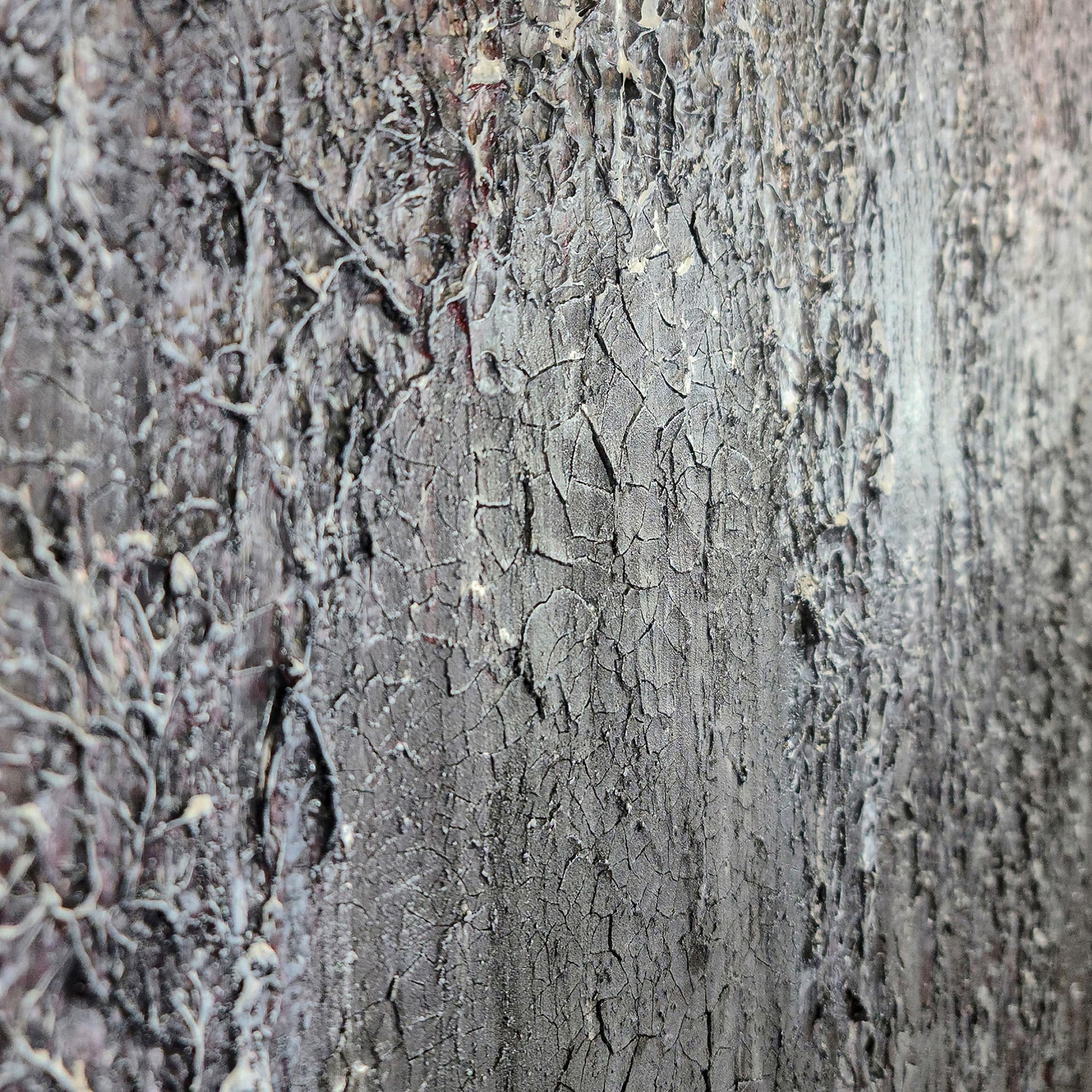
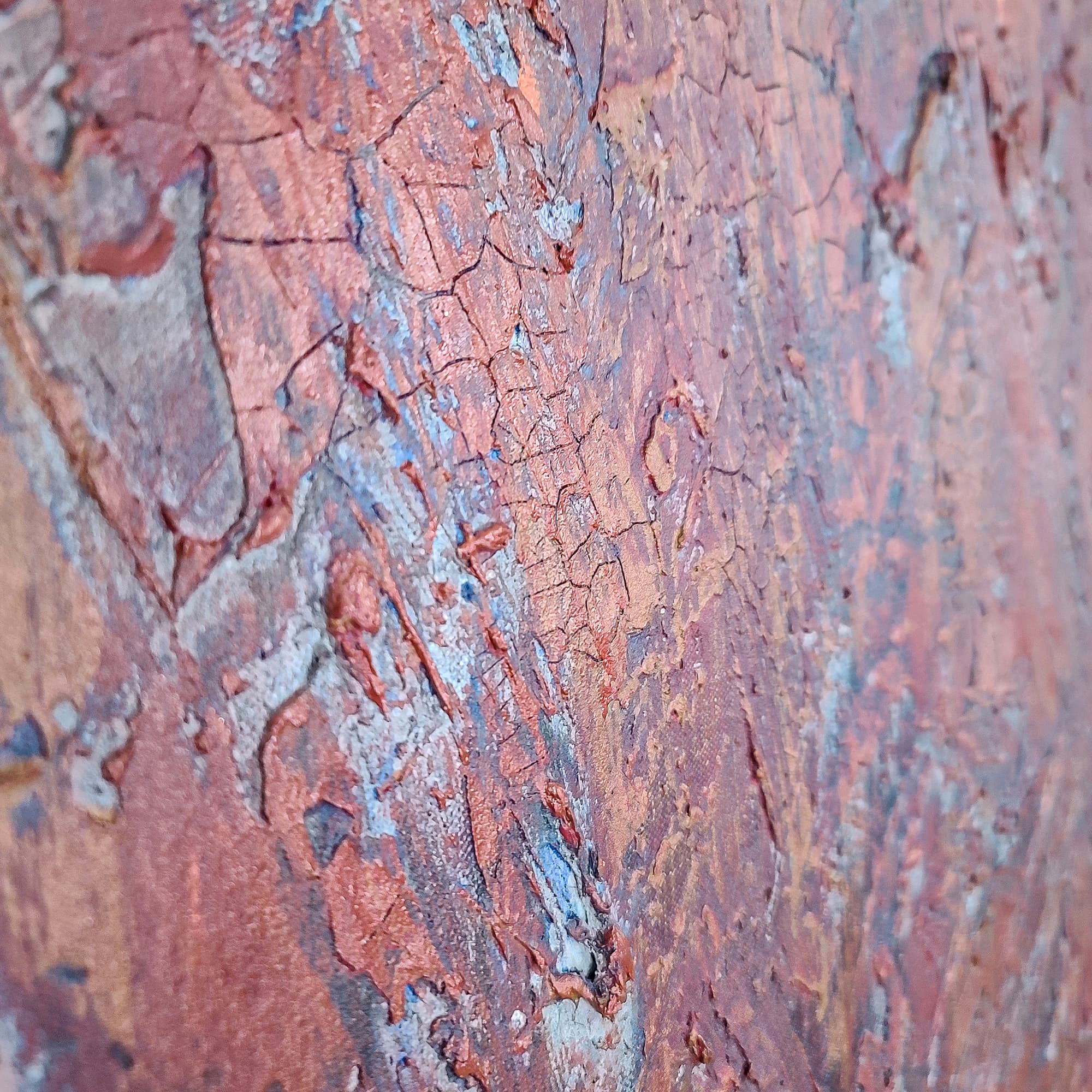
This is where acrylic truly excels. Heavy-body acrylic combined with modeling paste can be built up to extreme thickness — ridges and peaks an inch or more from the canvas surface — without structural failure. Achieving comparable texture in oil requires additives that compromise the paint film's integrity. The works in the Lei-Kol collection simply could not exist in oil — the physical demands of the heavy impasto technique require acrylic's combination of fast drying, flexibility, and structural stability.
Which Should You Buy?
Neither medium is objectively better. Oil offers tradition, luminous depth, and the prestige of a 500-year artistic heritage. Acrylic offers modern durability, textural freedom, and colors that stay true for generations. The right choice depends on the specific artwork and what you value as a collector.
One final note: acrylic paintings are typically priced lower than comparable oil paintings, largely due to market tradition rather than material cost. This makes acrylic work an excellent value proposition for collectors — you are buying art of equivalent quality at a more accessible price point. Explore the collection to experience what modern acrylic painting can achieve.
Tags