You Are Allowed to Be Confused
If you have stood in front of an abstract painting and thought, "I do not get it," you are in good company. Abstract art deliberately withholds the most obvious entry point — recognizable subject matter — which means you cannot rely on the usual question "what is it a picture of?" to begin the conversation. The good news is that once you stop asking that question, a much richer set of questions opens up.
Stop Looking for Meaning. Start Looking for Feeling.
The first and most liberating shift in approaching abstract art is abandoning the search for literal meaning. Abstract painting is not a puzzle to be solved. It is an experience to be had. The right question is not "what does this represent?" but "how does this make me feel?"
Stand in front of the painting for a full minute — longer than feels comfortable. Notice what happens. Does your breathing change? Does a memory surface? Do you feel energized or calmed, anxious or peaceful? That response — whatever it is — is the correct one. There is no test to pass. Your emotional reaction is the meaning.
What to Look For
When subject matter is removed, other elements of painting become the primary vocabulary. Here is a framework for what to pay attention to:
Color
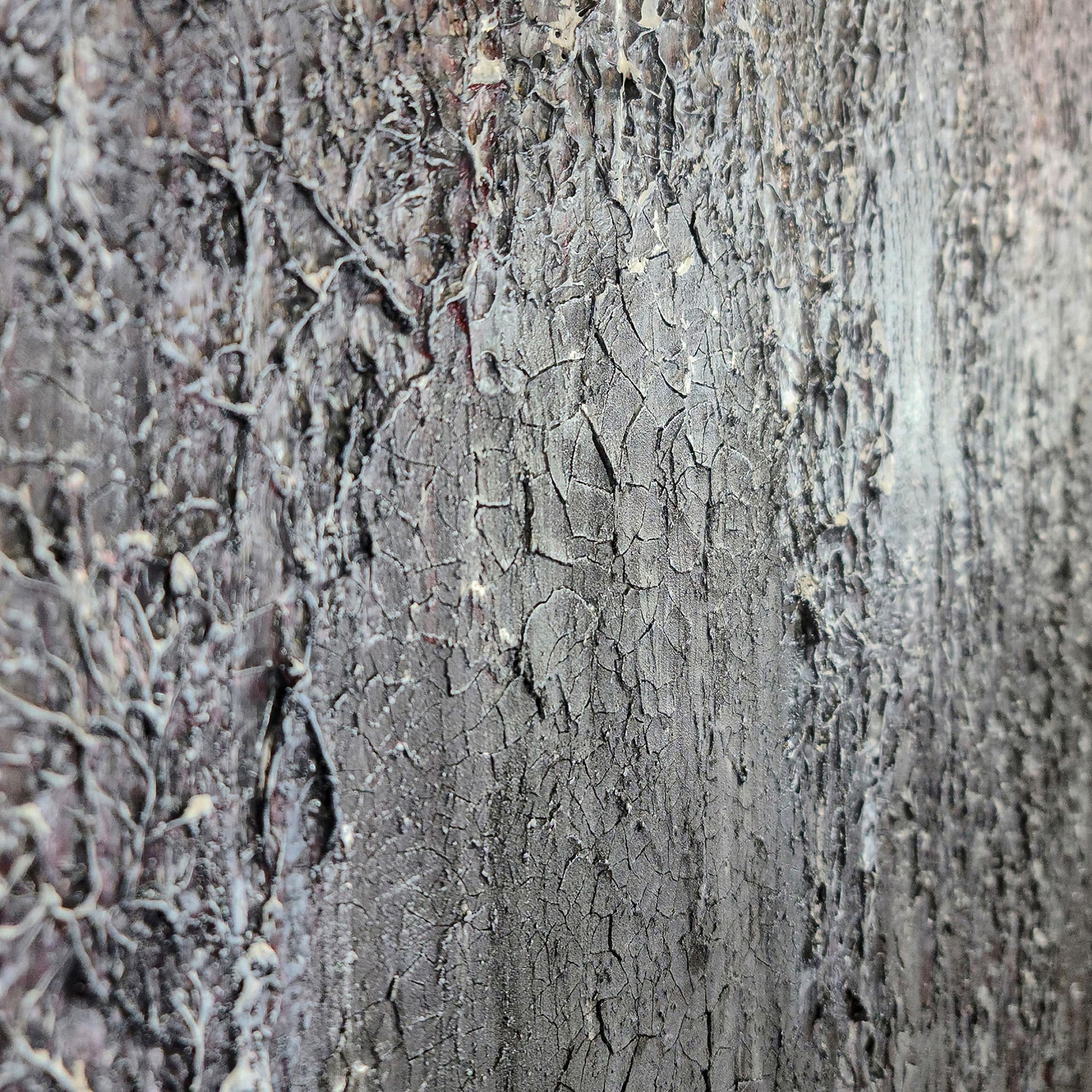
Abstract art communicates primarily through color. Warm reds and oranges create energy and urgency. Cool blues and greens create calm and spaciousness. High contrast creates drama. Monochromatic palettes create meditation. A piece like Bipolar uses stark black-and-white contrast to explore emotional extremes — the painting does not need to depict anything because the color relationship itself is the content.
Composition
Where does your eye go first? How does it move through the painting? A balanced composition feels stable and peaceful. An off-kilter composition creates tension. Some abstract paintings guide your eye in a deliberate path; others refuse to settle on any single focal point, creating a field of energy that rewards extended viewing.
Texture
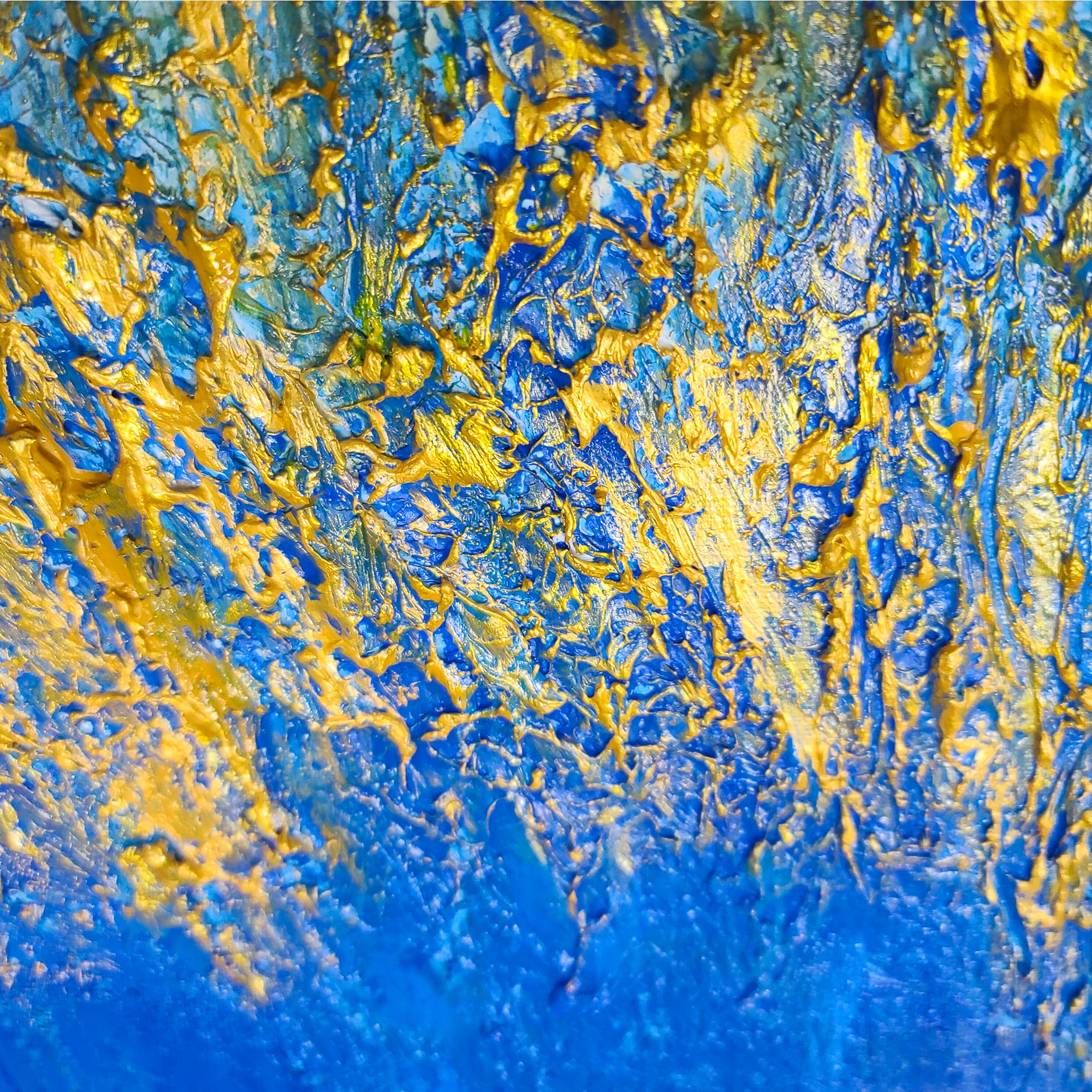
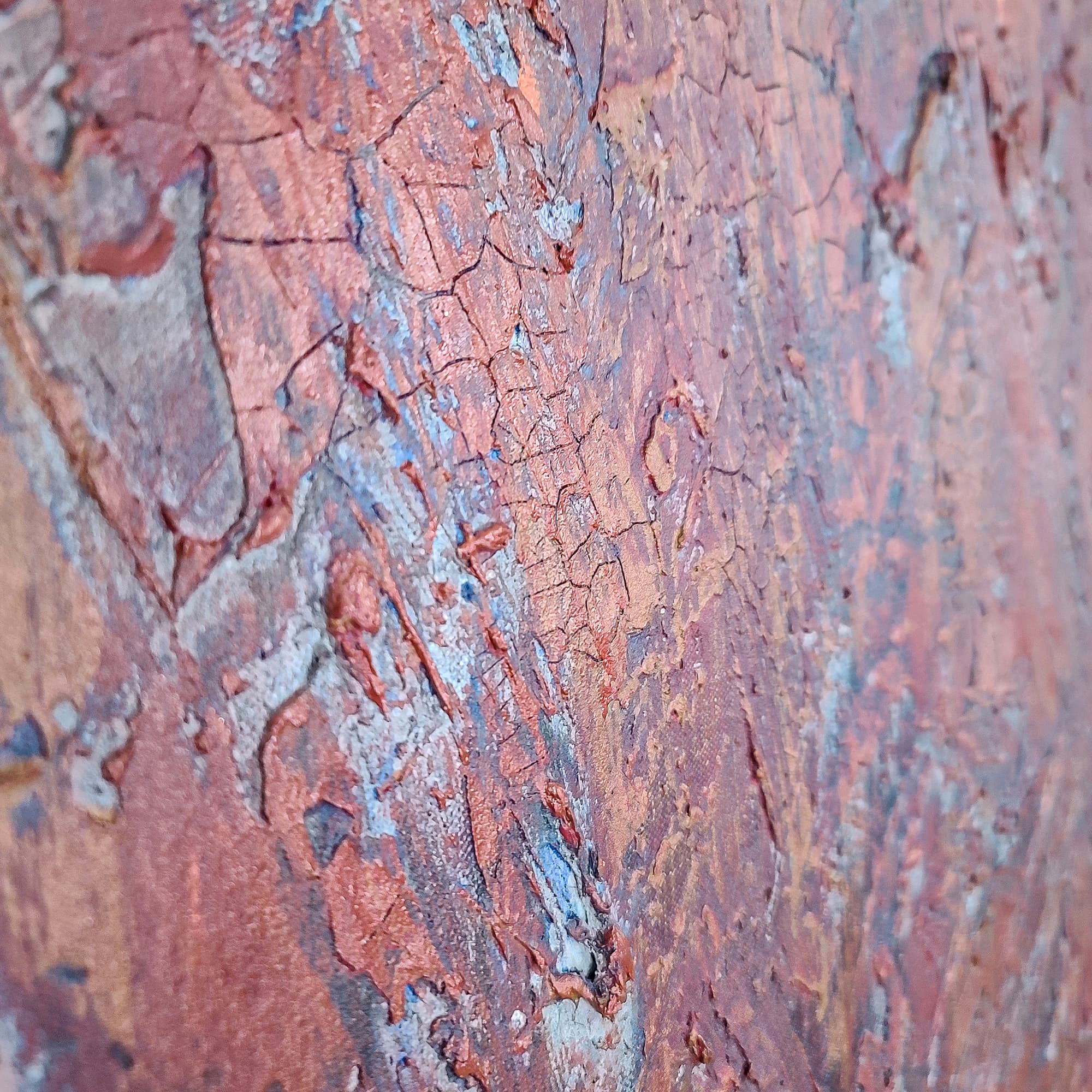
In heavily textured abstract work, the physical surface is a major part of the experience. The ridges, valleys, and peaks of impasto paint catch light and cast shadow, creating a topography that your eye explores the way it would a landscape. This is why paintings like Maui or Mushrooms remain compelling after years of daily viewing — the texture reveals itself gradually, with new details emerging in different light conditions.
Gesture
Look at how the paint was applied. Fast, sweeping strokes communicate energy and spontaneity. Slow, deliberate layering communicates patience and intentionality. The physical evidence of the artist's movement — the speed, pressure, and rhythm of their hand — is preserved in the paint surface, giving abstract work an immediacy that representational art often lacks.
The Beginner's Collection
If you are new to abstract art, start with pieces that have strong emotional clarity — paintings where the feeling is unambiguous even if the imagery is not. A piece like Waterfalls, with its layered blues, is immediately calming. A piece like Dominion, with its Olympic-inspired color explosion, is immediately energizing. Browse the collection and trust your gut — the piece that moves you is the right piece, regardless of whether you can explain why.
Tags