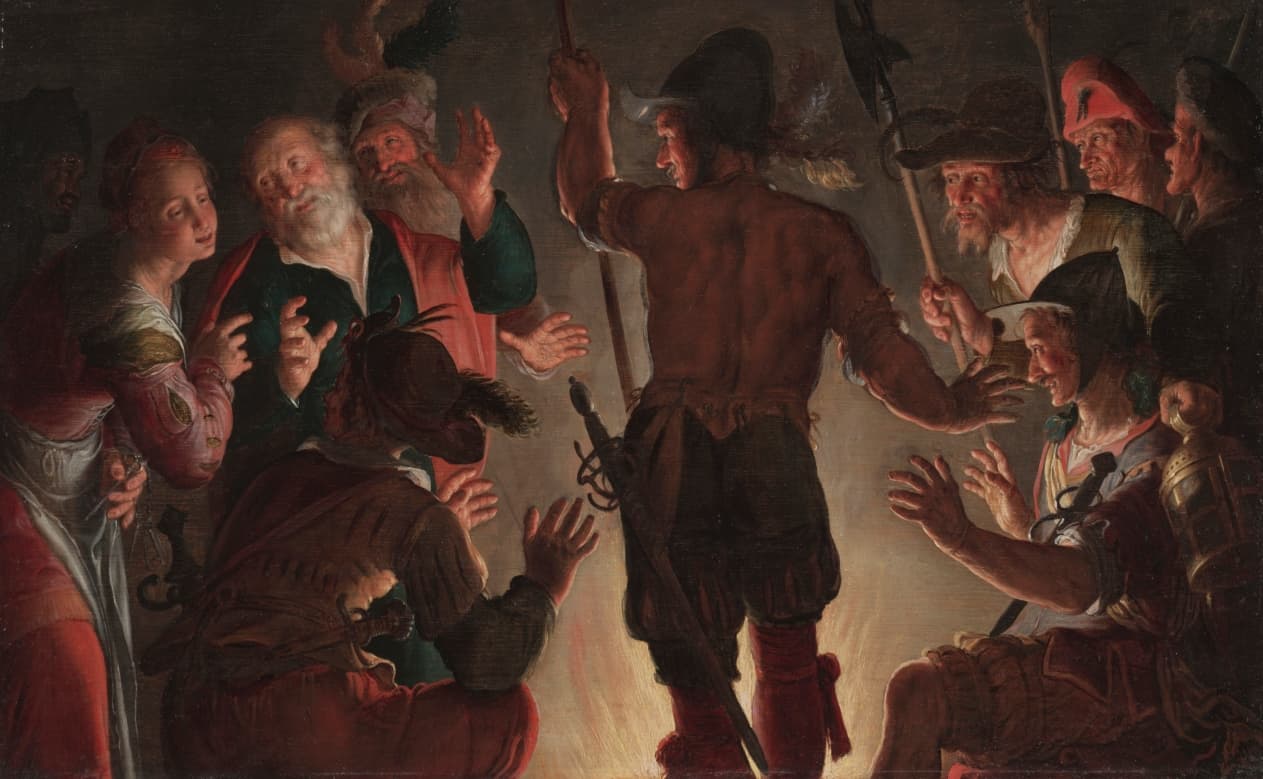
Painting study · Oil painting
The Denial of Peterc. 1624–28 · Study 1972.169
Peter Wtewael (Dutch, 1596–1660)
c. 1624–28
Recorded as oil on wood, this horizontal work measures 45.5 × 28 cm using the museum’s unframed dimensions. Explore the museum’s context and compare the format with a wall of your choice.
Museum collection reference. This work is not offered for sale by Physical Art For Crypto. Museum attribution does not imply a partnership or endorsement.
Context from the museum
Wtewael depicted the moment after the Last Supper when the apostle Peter (at the left) denied knowing Jesus in order to protect himself from Roman soldiers searching for Christ's followers. Few works by this artist are known, and he draws on an unusual combination of styles. The dramatic use of light derives from Dutch followers of the Italian painter Caravaggio, in vogue around 1625, while the twisting bodies, startlingly low viewpoint, and tight detailing come from a more refined, courtly mode more popular earlier in the century.
Museum description reproduced from its CC0 open-access record. Read the original catalog entry.
Read the dimensions before the image
The selected unframed measurement for The Denial of Peter is 45.5 cm wide and 28 cm high, equivalent to approximately 17.9 × 11.0 inches. Dividing width by height gives a format ratio of 1.63:1. The rectangular bounding area is 0.13 square meters; it describes the measured footprint, not the amount of paint or the monetary value.
On an illustrative 300 cm wall, the recorded width occupies 15.2% of the span before adding a frame. A centered placement leaves approximately 127.3 cm on each side before adding a frame. These are calculations by Physical Art For Crypto using museum measurements. They are not the museum’s display recommendations.
Questions to bring to your own collection
With The Denial of Peter in view, identify one feature you can point to, then distinguish what the museum records from your personal response. Keep its medium, oil on wood, in your notes when comparing contemporary works.
- Which part of this horizontal composition catches your eye first?
- Would a 45.5 cm width still suit the space after allowing for furniture and a frame?
- What surface detail would you need to see in person or in a close photograph?
Explore physical scale
How large would this format feel on your wall?
Use this museum work’s recorded format as a reference. Adjust a blank wall and optional frame allowance to compare proportions. The museum painting is an educational reference and is not for sale here.
Calculation: outside width = recorded width + twice your frame allowance. This is a proportion study, not an installation assessment. It excludes furniture, hardware, load capacity, depth and delivery clearance. The display image may include margins absent from the recorded measurement.
Compare formats with the studio collection
These Lei-Kol works have the closest width-to-height ratios in the current catalog. This is a geometry comparison, not a claim of artistic similarity, equivalent value, or association with the museum artist.
| Painting | Width × height | Format ratio | USD catalog price |
|---|---|---|---|
| Bipolar | 60 × 48 in | 1.25:1 | $3,499 |
| Brick and Mortar | 60 × 48 in | 1.25:1 | $3,499 |
| Dominion | 60 × 48 in | 1.25:1 | $3,499 |
Availability and delivery costs must be confirmed for the individual order.
Related studies
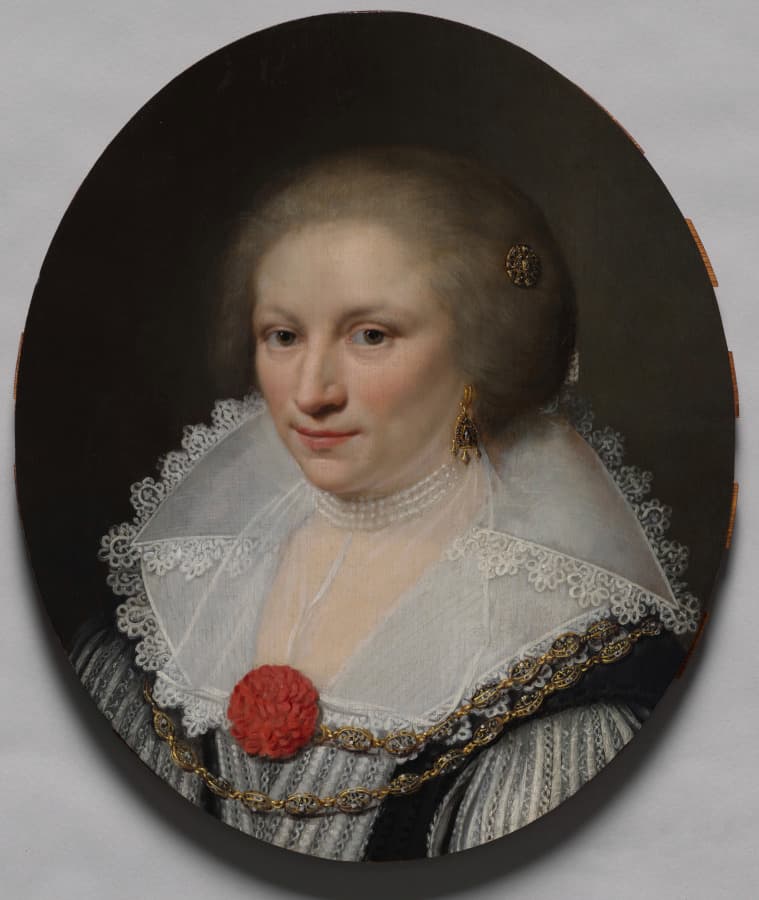
1620s · Netherlands
Portrait of a Woman
Jan Anthonisz. van Ravesteyn (Dutch, c. 1570–1657) · oil on wood
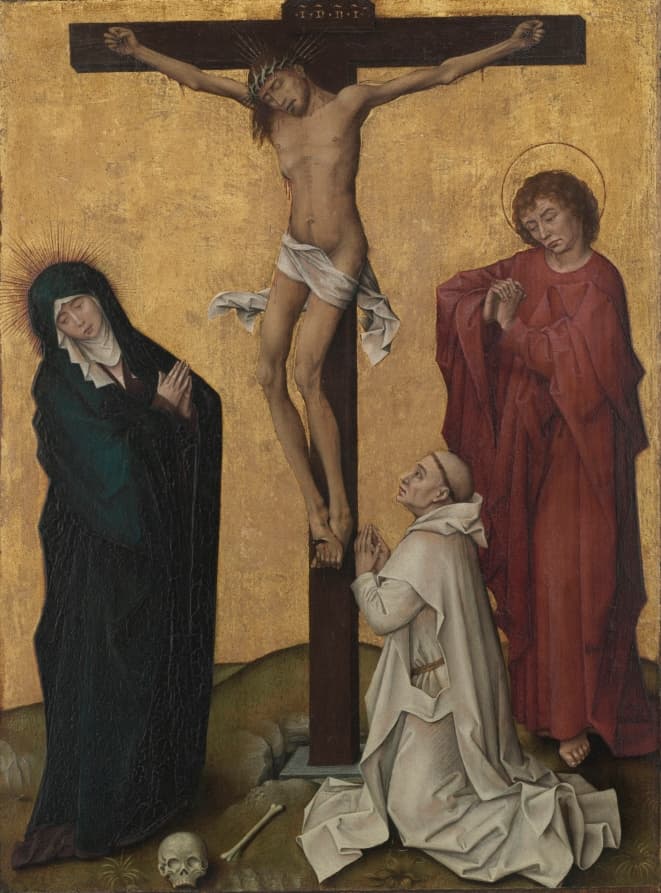
1460 · Netherlands
The Crucifixion with a Carthusian Monk
Rogier van der Weyden (Flemish, c. 1399–1464) · oil and gold on wood
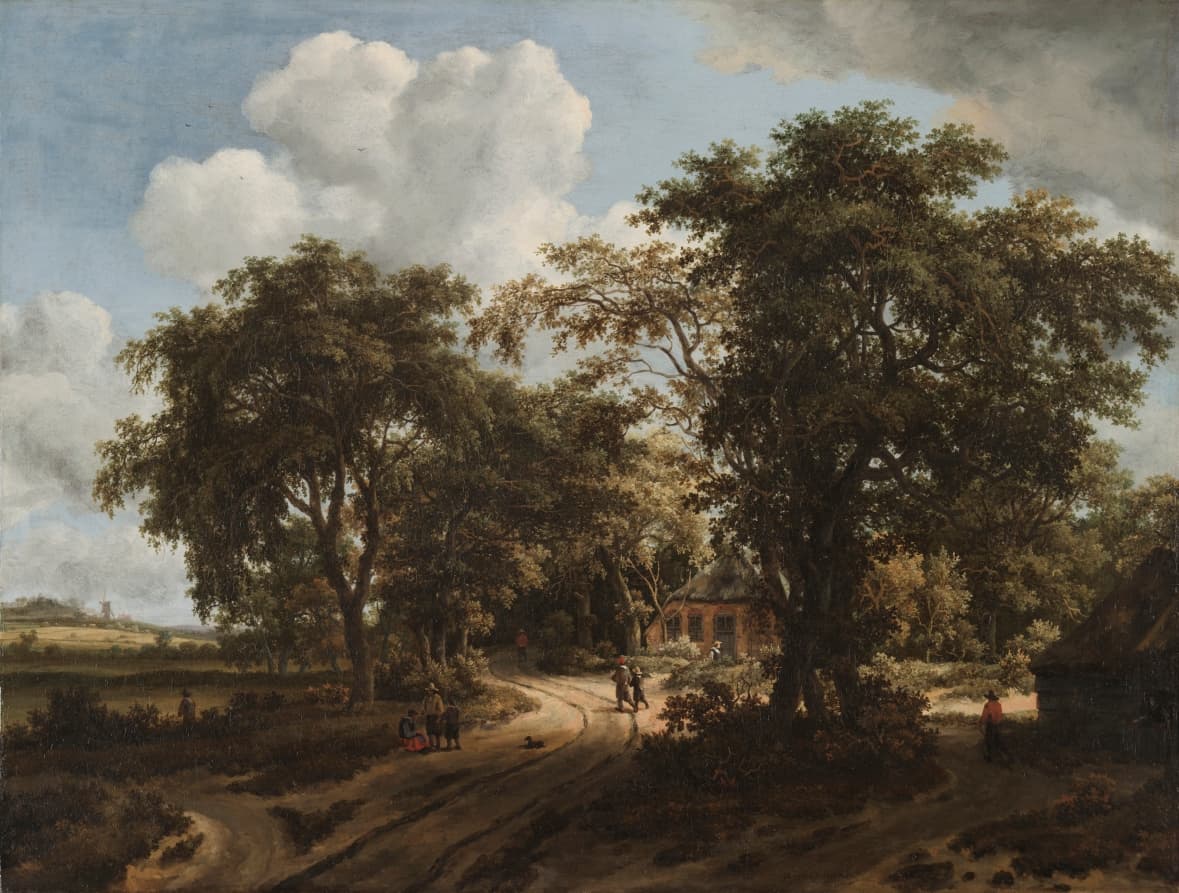
c. 1662 · Netherlands
A Cottage in the Woods
Meindert Hobbema (Dutch, 1638–1709) · oil on canvas
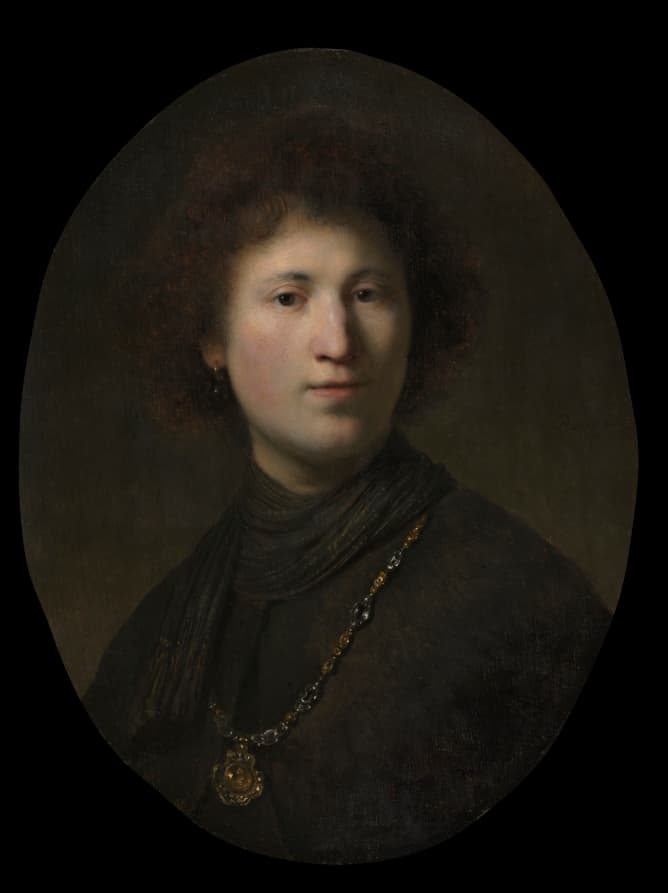
c. 1629 or 1632 · Netherlands
A Young Man with a Chain
Rembrandt van Rijn (Dutch, 1606–1669); Studio · oil on wood
Ready to describe what you want in your own space?
Start an artwork inquiry ↗