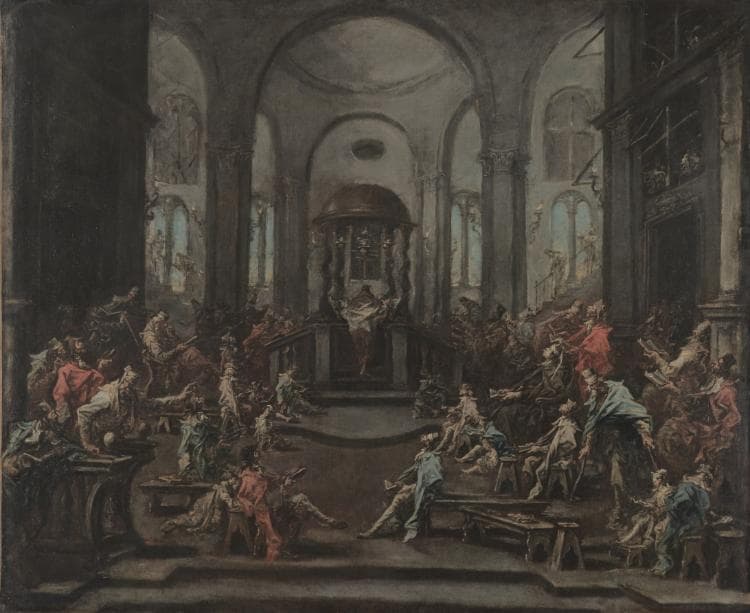
Painting study · Oil painting
Interior of a Synagoguec. 1725–35 · Study 1930.22
Alessandro Magnasco (Italian, 1667–1749)
c. 1725–35
Recorded as oil on canvas, this horizontal work measures 148.5 × 122 cm using the museum’s unframed dimensions. Explore the museum’s context and compare the format with a wall of your choice.
Museum collection reference. This work is not offered for sale by Physical Art For Crypto. Museum attribution does not imply a partnership or endorsement.
Context from the museum
The Jewish synagogue was among Magnasco's most frequently painted subjects, here presented in a mystical and imaginative way. Expansive architectural space creates room for a multitude of tiny, fantastical figures with elongated limbs. These characters respond to the service with emotion and expressive gestures. Flashes of light dash across the surface against a dark, muted palette of earthy tones suggesting an otherworldly presence. The composition invites the viewer to enter the space and experience the service. Though he used characteristic elements of Baroque composition and was strongly influenced by Venetian painting, Magnasco's loose brushwork, elongated figures, and mysterious subject matter set him apart. Magnasco peers into a world of which he was not part: he was not Jewish and probably perceived Jews as outsiders. At the dawn of the Enlightenment in Europe progressive aristocratic families commissioned paintings by Magnasco, suggesting the painter's support for Enlightenment ideals which included religious tolerance, but Magnasco's personal views on Judaism in Italy remain unknown.
Museum description reproduced from its CC0 open-access record. Read the original catalog entry.
Read the dimensions before the image
The selected unframed measurement for Interior of a Synagogue is 148.5 cm wide and 122 cm high, equivalent to approximately 58.5 × 48.0 inches. Dividing width by height gives a format ratio of 1.22:1. The rectangular bounding area is 1.81 square meters; it describes the measured footprint, not the amount of paint or the monetary value.
On an illustrative 300 cm wall, the recorded width occupies 49.5% of the span before adding a frame. A centered placement leaves approximately 75.8 cm on each side before adding a frame. These are calculations by Physical Art For Crypto using museum measurements. They are not the museum’s display recommendations.
Questions to bring to your own collection
With Interior of a Synagogue in view, identify one feature you can point to, then distinguish what the museum records from your personal response. Keep its medium, oil on canvas, in your notes when comparing contemporary works.
- Which part of this horizontal composition catches your eye first?
- Would a 148.5 cm width still suit the space after allowing for furniture and a frame?
- What surface detail would you need to see in person or in a close photograph?
Explore physical scale
How large would this format feel on your wall?
Use this museum work’s recorded format as a reference. Adjust a blank wall and optional frame allowance to compare proportions. The museum painting is an educational reference and is not for sale here.
Calculation: outside width = recorded width + twice your frame allowance. This is a proportion study, not an installation assessment. It excludes furniture, hardware, load capacity, depth and delivery clearance. The display image may include margins absent from the recorded measurement.
Compare formats with the studio collection
These Lei-Kol works have the closest width-to-height ratios in the current catalog. This is a geometry comparison, not a claim of artistic similarity, equivalent value, or association with the museum artist.
| Painting | Width × height | Format ratio | USD catalog price |
|---|---|---|---|
| Bipolar | 60 × 48 in | 1.25:1 | $3,499 |
| Brick and Mortar | 60 × 48 in | 1.25:1 | $3,499 |
| Dominion | 60 × 48 in | 1.25:1 | $3,499 |
Availability and delivery costs must be confirmed for the individual order.
Related studies
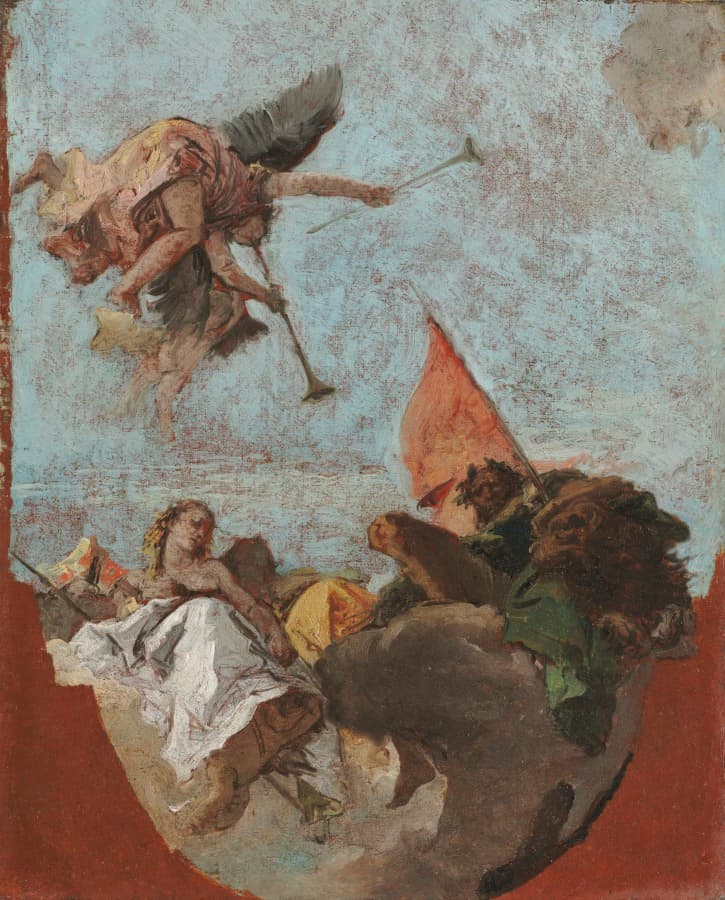
1750s · Italy, 18th century
Sketch for a Ceiling
Giovanni Battista Tiepolo (Italian, 1696–1770) · oil on canvas
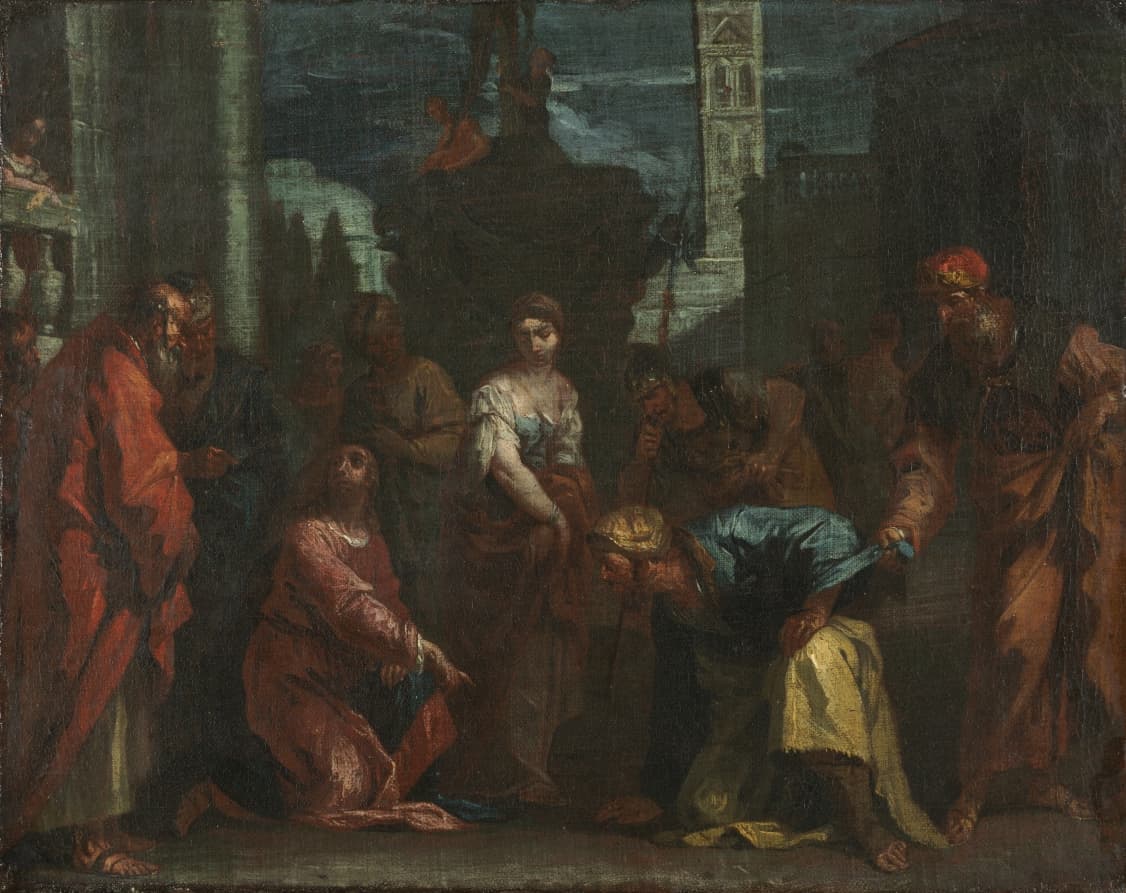
mid 1700s · Italy, 18th century
Christ and the Woman Taken in Adultery
Sebastiano Ricci (Italian, 1659–1734) · oil on canvas
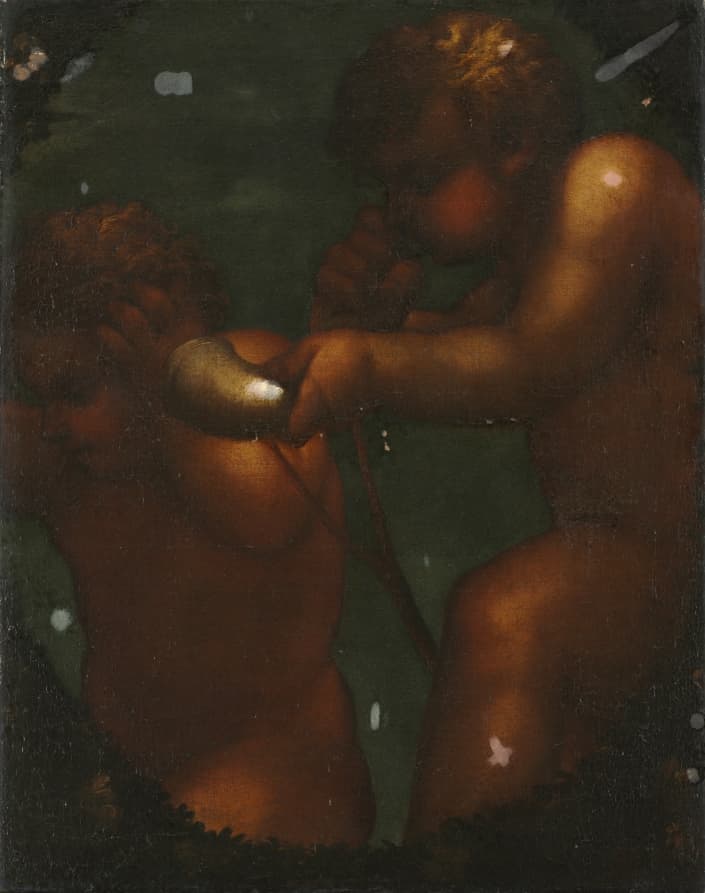
1700s · Italy, 18th century
Two Putti
Artist not recorded · oil on canvas
1739 · Italy, 18th century
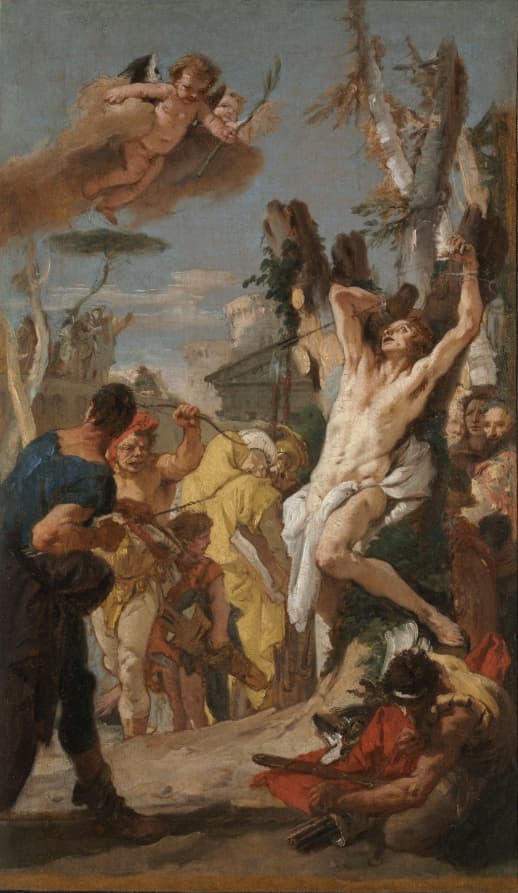
Study for "The Martyrdom of Saint Sebastian" (for the Augustinian monastery at Diessen, Germany)
Giovanni Battista Tiepolo (Italian, 1696–1770) · oil on canvas
Ready to describe what you want in your own space?
Start an artwork inquiry ↗