Painting study · Oil painting
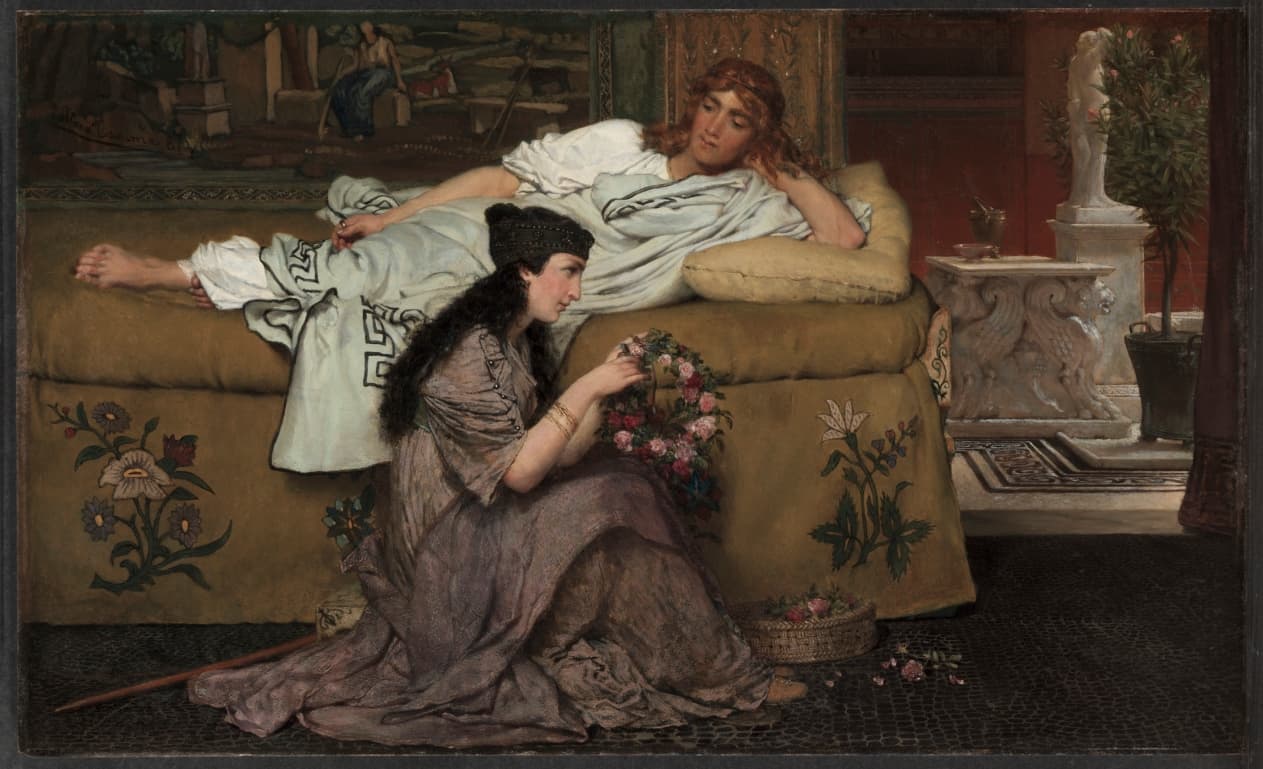
Glaucus and Nydia1867 · Study 1977.128
Lawrence Alma-Tadema (British, 1836–1912)
1867
Recorded as oil on wood panel, this horizontal work measures 64.3 × 39 cm using the museum’s unframed dimensions. Explore the museum’s context and compare the format with a wall of your choice.
Museum collection reference. This work is not offered for sale by Physical Art For Crypto. Museum attribution does not imply a partnership or endorsement.
Context from the museum
"It was one of the few moments in her brief and troubled life that it was sweet to treasure." Weaving a rose garland as a present for her beloved master Glaucus, the blind servant Nydia resists speaking of her love for him. The scene is based on Sir Edward Bulwer-Lytton's enormously popular historical novel The Last Days of Pompeii (published in 1835), a melodramatic epic set in ancient Roman times, which culminates with the eruption of Mount Vesuvius. Responding to the 19th-century appetite for things antique, the artist filled his historical scenes with depictions of Roman frescoes and statuary. Dutch by birth, Alma-Tadema made this picture in Brussels for a London art dealer. But the demand for such paintings became so great that he moved to England, where he achieved great financial and social success.
Museum description reproduced from its CC0 open-access record. Read the original catalog entry.
A detail to notice
Alma-Tadema, one of the most popular Victorian painters, became famous for his depictions of the luxury and decadence of the Roman Empire. His vision of the ancient world was constantly reproduced on film in Hollywood.
Observation supplied by the Cleveland Museum of Art.
Read the dimensions before the image
The selected unframed measurement for Glaucus and Nydia is 64.3 cm wide and 39 cm high, equivalent to approximately 25.3 × 15.4 inches. Dividing width by height gives a format ratio of 1.65:1. The rectangular bounding area is 0.25 square meters; it describes the measured footprint, not the amount of paint or the monetary value.
On an illustrative 300 cm wall, the recorded width occupies 21.4% of the span before adding a frame. A centered placement leaves approximately 117.8 cm on each side before adding a frame. These are calculations by Physical Art For Crypto using museum measurements. They are not the museum’s display recommendations.
Questions to bring to your own collection
With Glaucus and Nydia in view, identify one feature you can point to, then distinguish what the museum records from your personal response. Keep its medium, oil on wood panel, in your notes when comparing contemporary works.
- Which part of this horizontal composition catches your eye first?
- Would a 64.3 cm width still suit the space after allowing for furniture and a frame?
- What surface detail would you need to see in person or in a close photograph?
Explore physical scale
How large would this format feel on your wall?
Use this museum work’s recorded format as a reference. Adjust a blank wall and optional frame allowance to compare proportions. The museum painting is an educational reference and is not for sale here.
Calculation: outside width = recorded width + twice your frame allowance. This is a proportion study, not an installation assessment. It excludes furniture, hardware, load capacity, depth and delivery clearance. The display image may include margins absent from the recorded measurement.
Compare formats with the studio collection
These Lei-Kol works have the closest width-to-height ratios in the current catalog. This is a geometry comparison, not a claim of artistic similarity, equivalent value, or association with the museum artist.
| Painting | Width × height | Format ratio | USD catalog price |
|---|---|---|---|
| Bipolar | 60 × 48 in | 1.25:1 | $3,499 |
| Brick and Mortar | 60 × 48 in | 1.25:1 | $3,499 |
| Dominion | 60 × 48 in | 1.25:1 | $3,499 |
Availability and delivery costs must be confirmed for the individual order.
Related studies
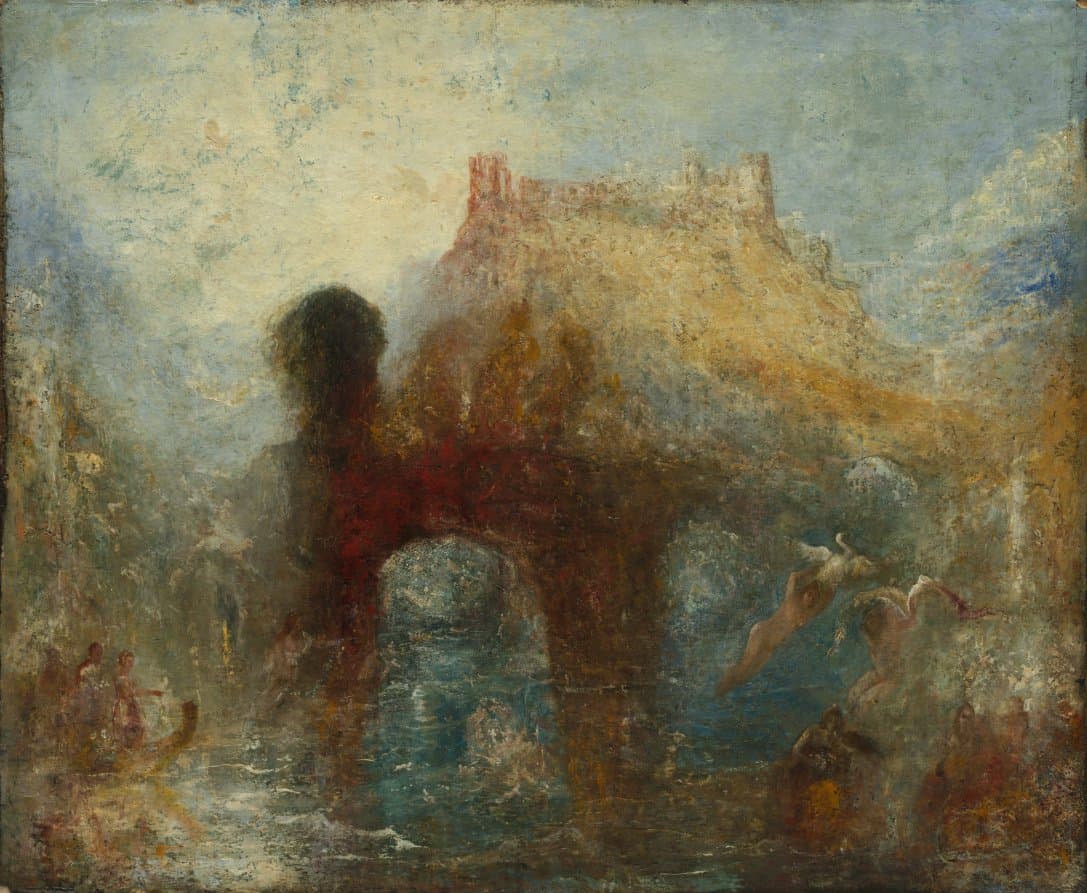
after 1846 · England, 19th century
Queen Mab's Cave
Joseph Mallord William Turner (British, 1775–1851) · oil on fabric
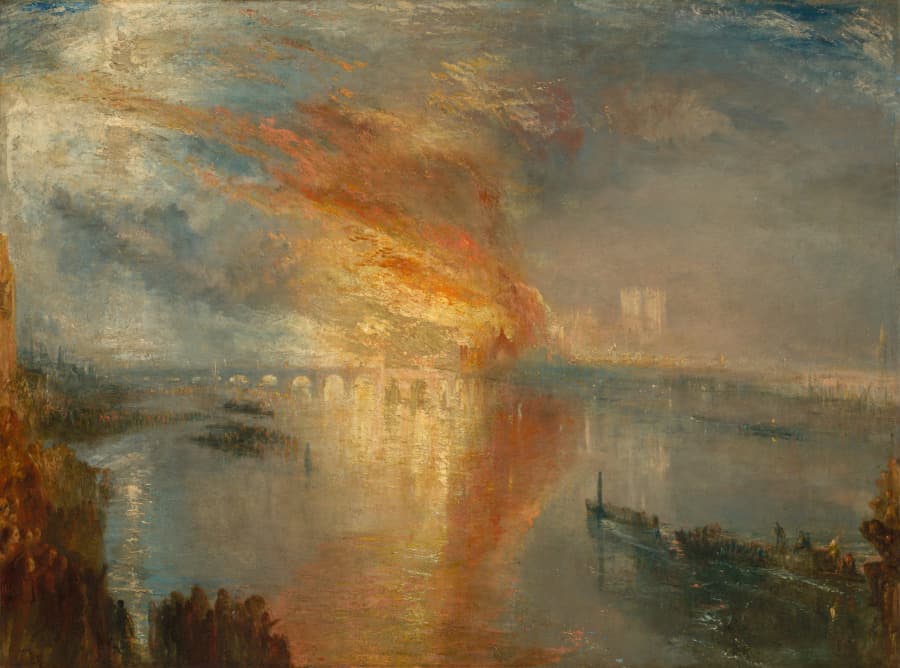
1835 · England, 19th century
The Burning of the Houses of Lords and Commons, 16 October 1834
Joseph Mallord William Turner (British, 1775–1851) · oil on canvas
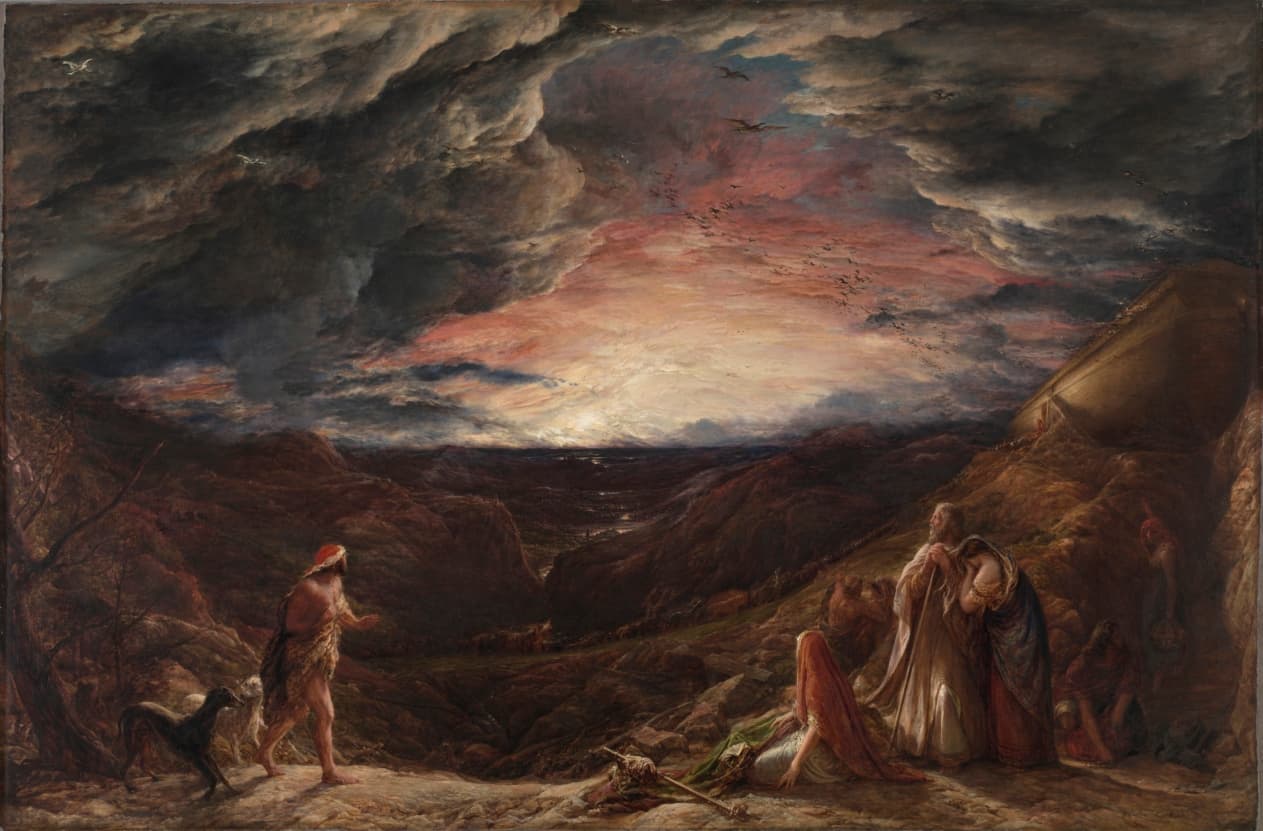
1848 · England, 19th century
Noah: The Eve of the Deluge
John Linnell (British, 1792–1882) · oil on canvas
1828 · England, 19th century
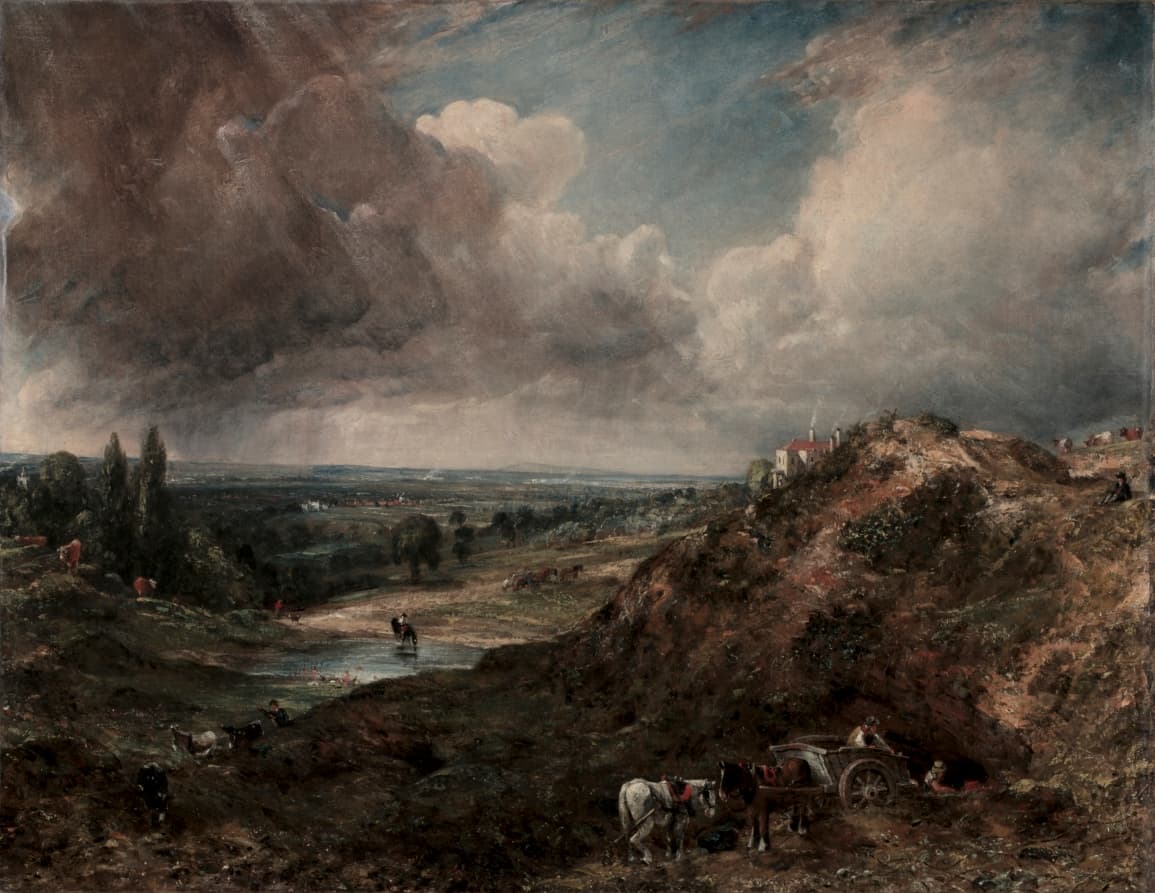
Branch Hill Pond, Hampstead
John Constable (British, 1776–1837) · oil on canvas
Ready to describe what you want in your own space?
Start an artwork inquiry ↗