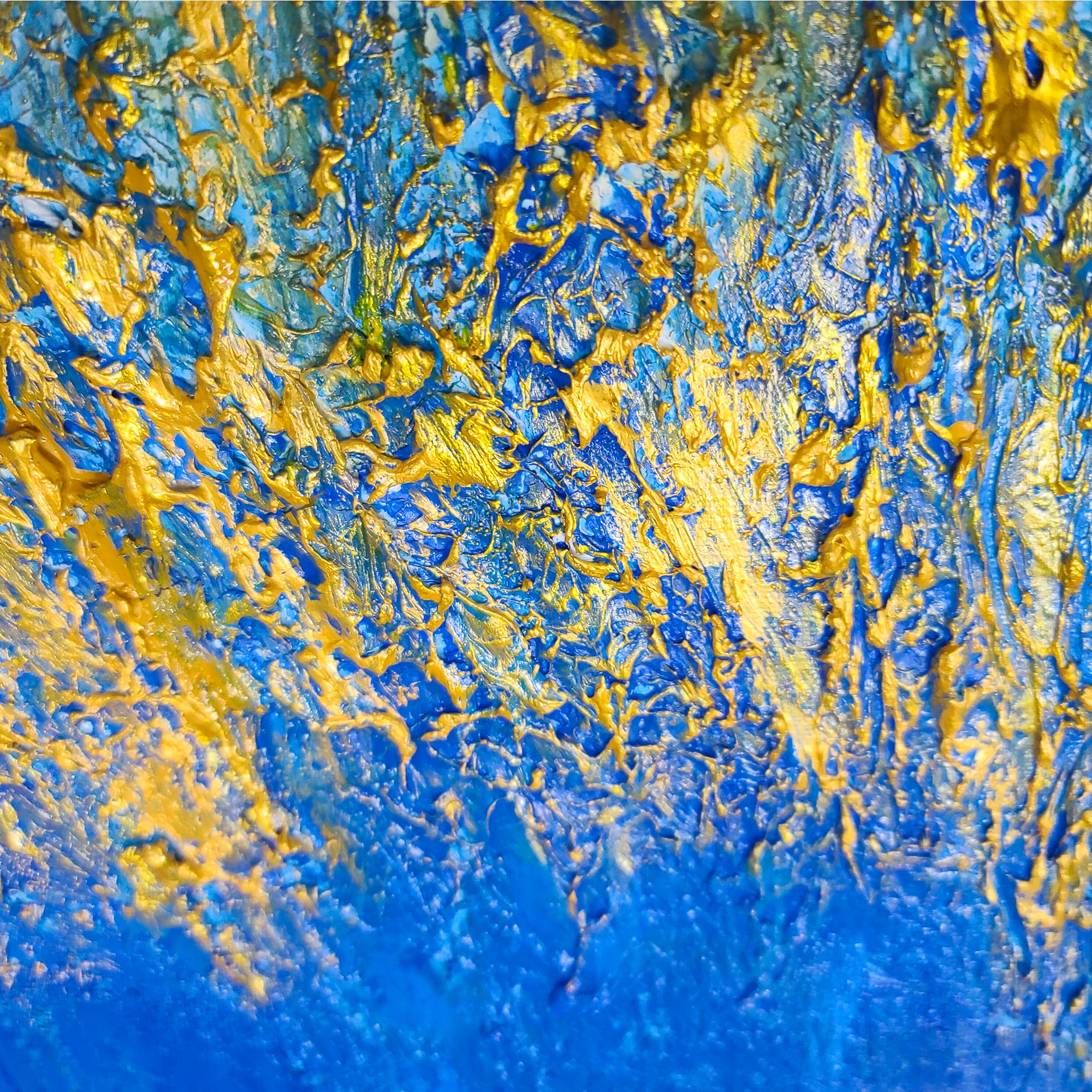
Switzerland · Europe
Original Art for
Geneva
Discover one-of-a-kind heavy-texture acrylic paintings by Lei-Kol, shipped directly to Geneva. Every piece is an original — no prints, no reproductions. Pay with Bitcoin, Ethereum, or traditional methods.
Art & Culture
Art in Geneva
Geneva’s art scene is shaped by its role as a hub for diplomacy, banking, and luxury. The collector community is extraordinarily international, creating a market in constant global exchange.
MAMCO anchors institutional life, while the Quartier des Bains provides gallery density. The Patek Philippe Museum treats watchmaking as fine art.
Geneva’s art character is marked by discretion — collecting here is private, often through intermediaries. The international art passing through the city is staggering in volume and value, but visibility is low.
Iconic Connection
The Musée d’Art et d’Histoire holds Konrad Witz’s ‘The Miraculous Draught of Fishes’ (1444) — the first topographically accurate depiction of a European location in Western art.
Art Facts
Geneva by the Numbers
MAMCO (Musée d’Art Moderne et Contemporain), in a converted factory, is Switzerland’s largest contemporary art museum with ambitious biennial-style exhibitions.
The Patek Philippe Museum houses an extraordinary collection of watchmaking as art from the 16th century to today.
The Musée d’Art et d’Histoire holds Geneva’s encyclopedic collection from archaeology to modern art.
Geneva’s Quartier des Bains district clusters contemporary galleries in a walkable creative quarter.
Geneva’s status as home to the United Nations and international banking has created a uniquely international collector community.
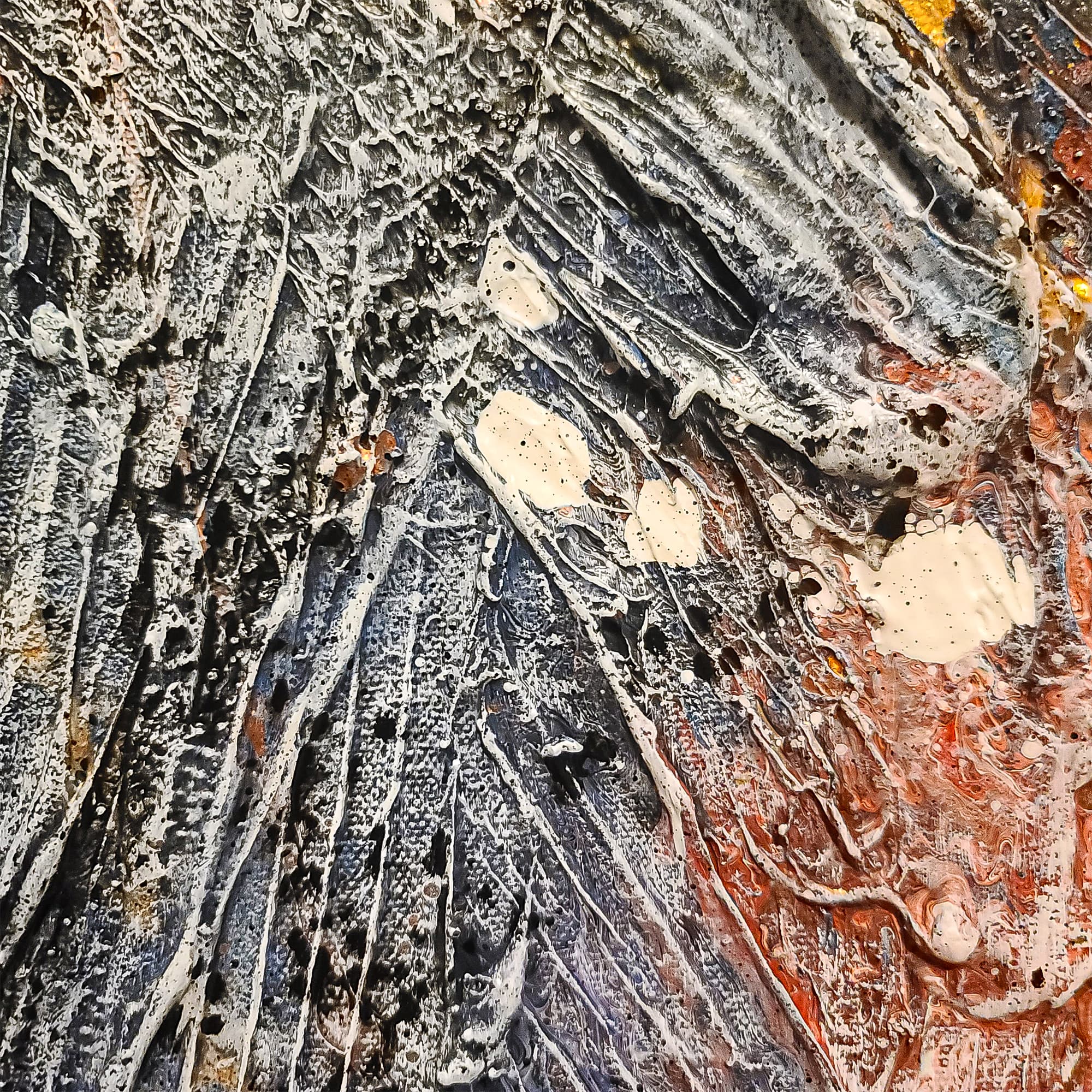
Every painting is a one-of-a-kind original
Heavy impasto texture creates sculptural depth that flat prints cannot replicate
The Collection
Original Paintings for Geneva
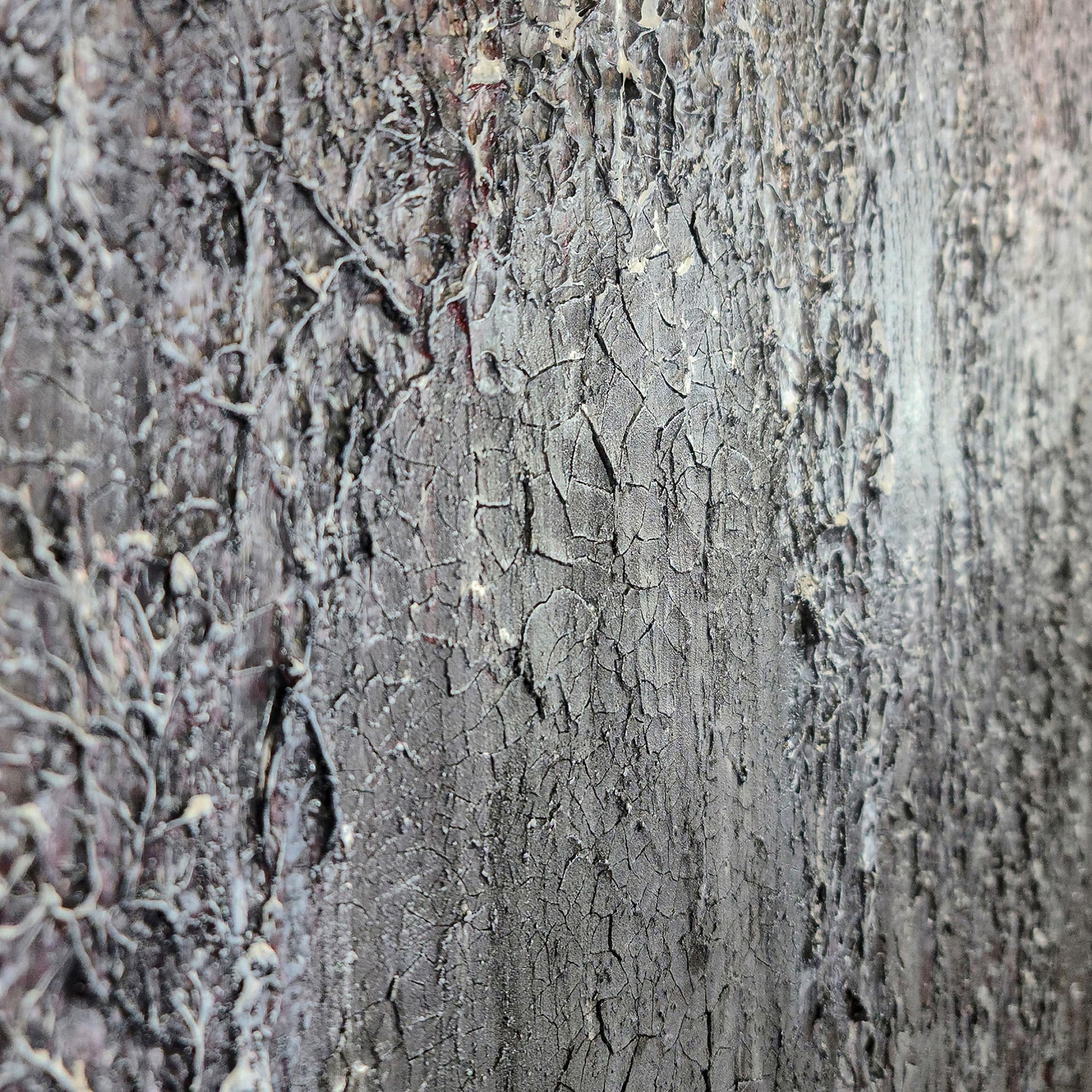
Art
Bipolar
48 × 60 × 1.5 in
$3,499
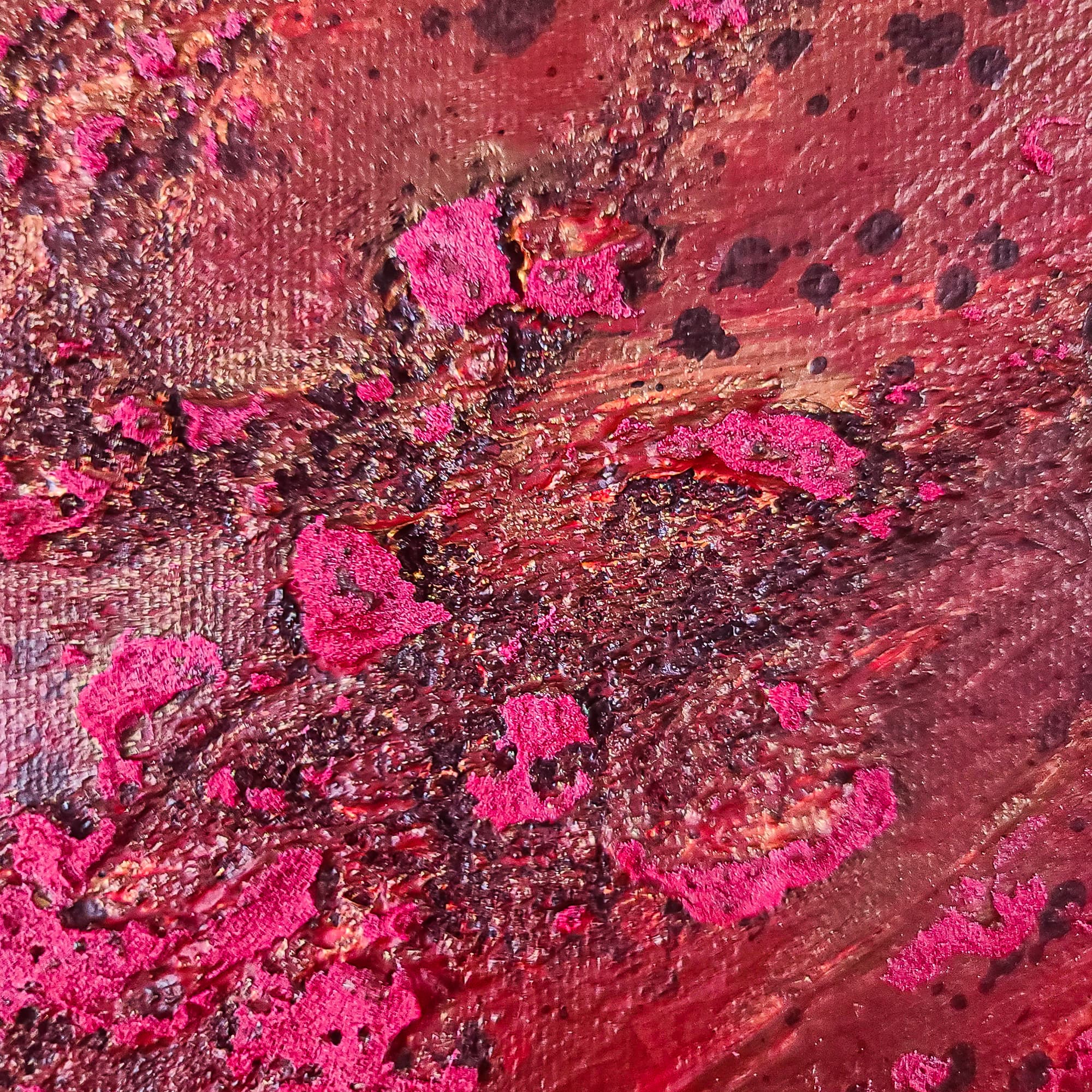
Art
Blood Moon
30 × 40 × 0.5 in
$1,199
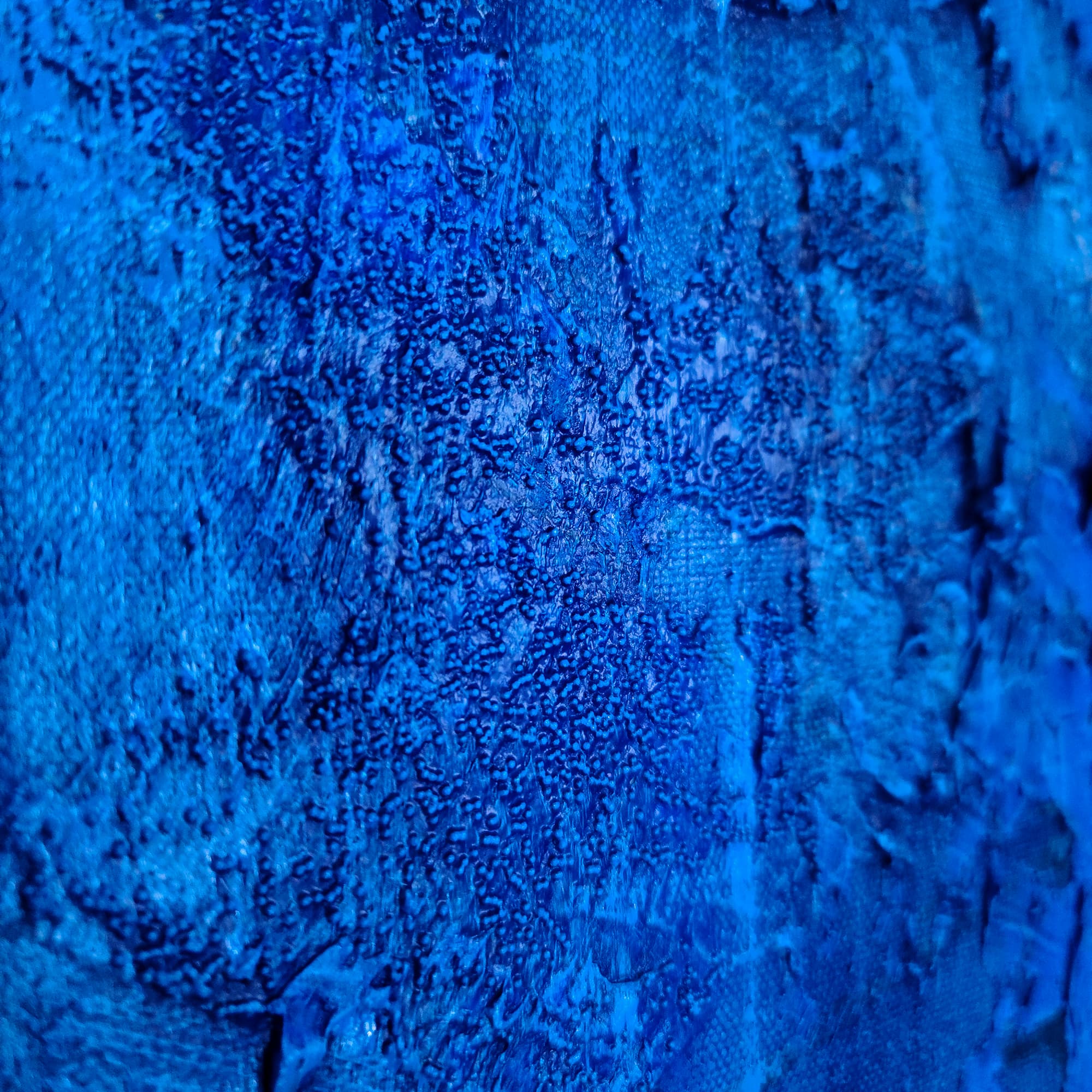
Art
Blue Denim
48 × 48 × 1.5 in
$1,699
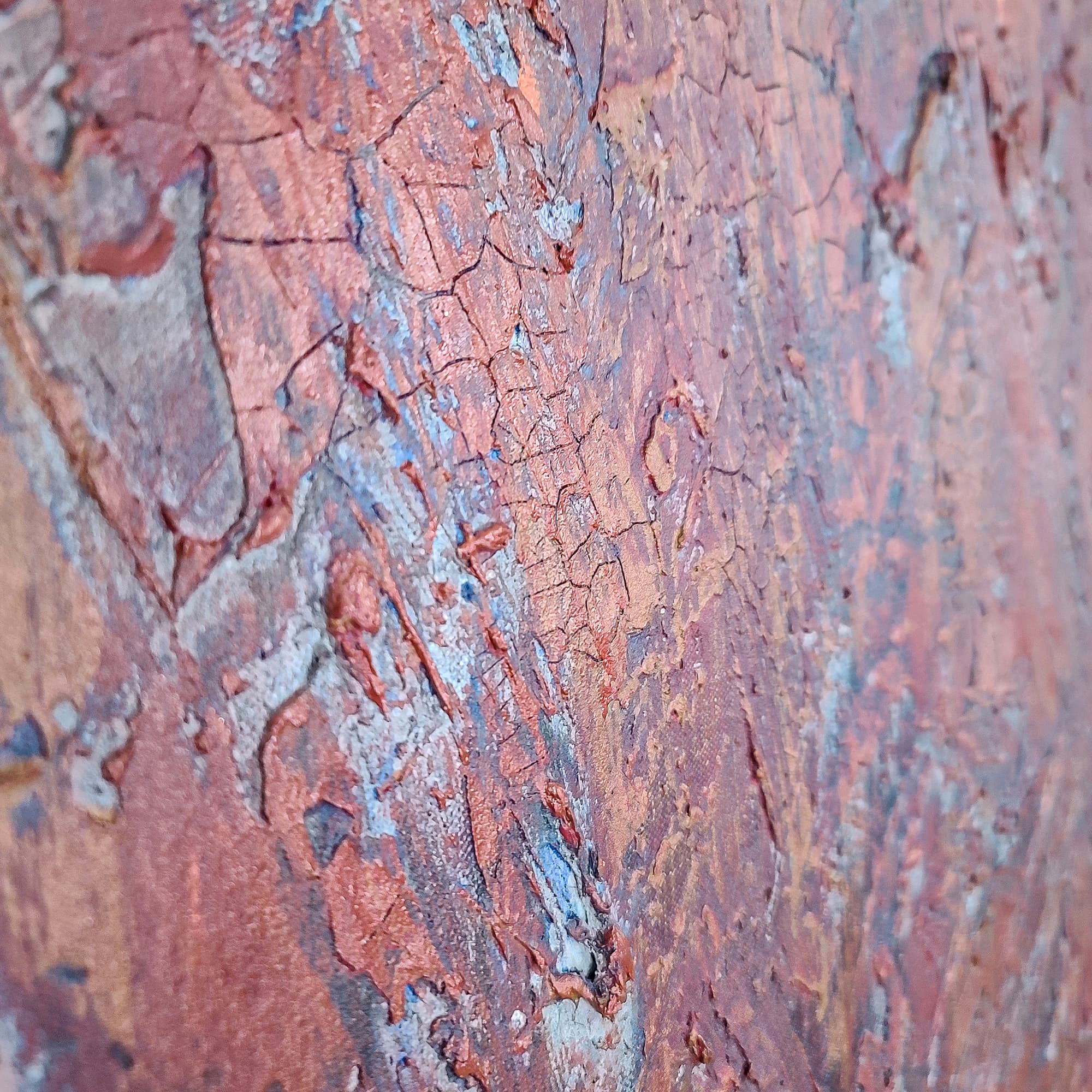
Art
Brick and Mortar
48 × 60 × 1.5 in
$3,499
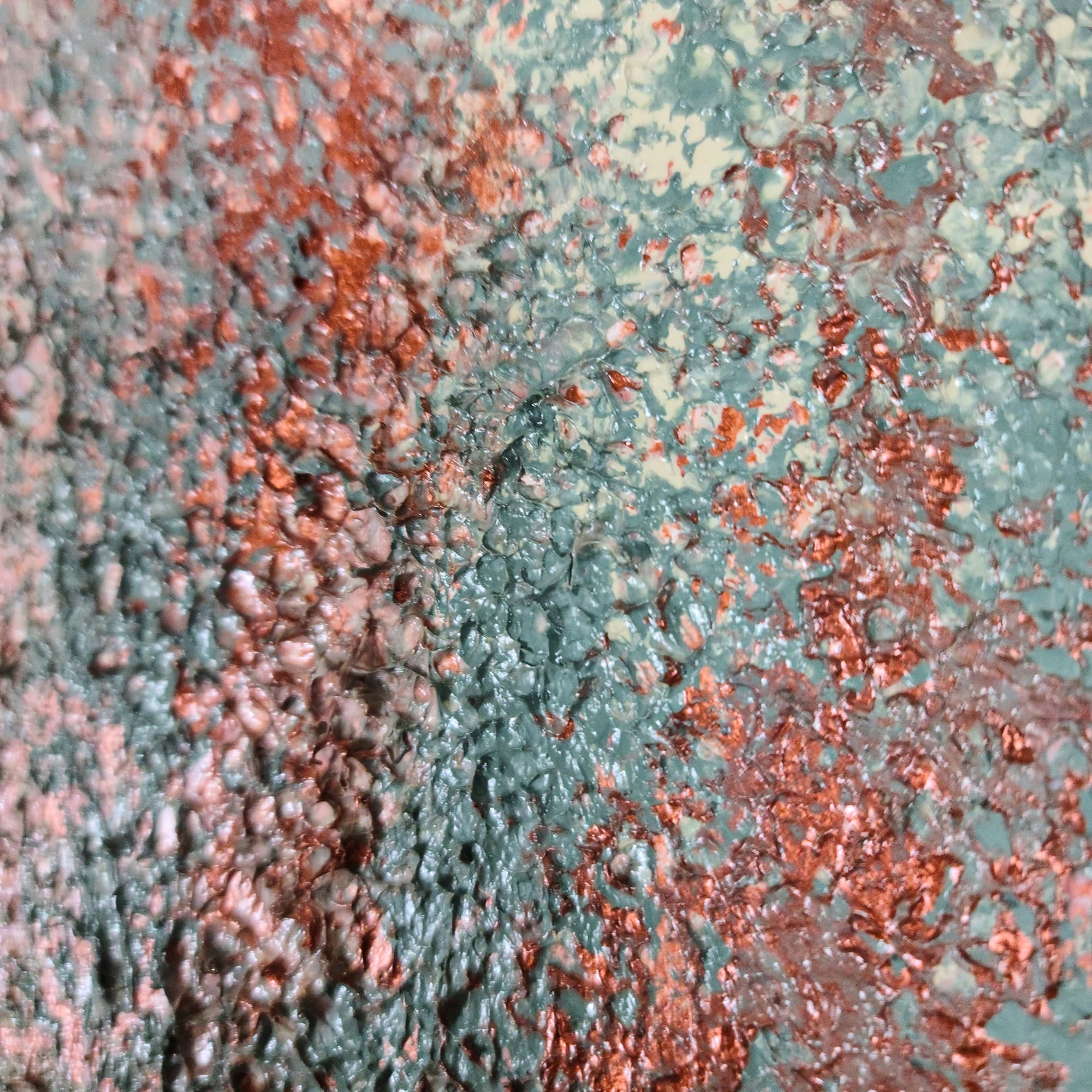
Art
Cheesecake
24 × 48 × 1.5 in
$1,099
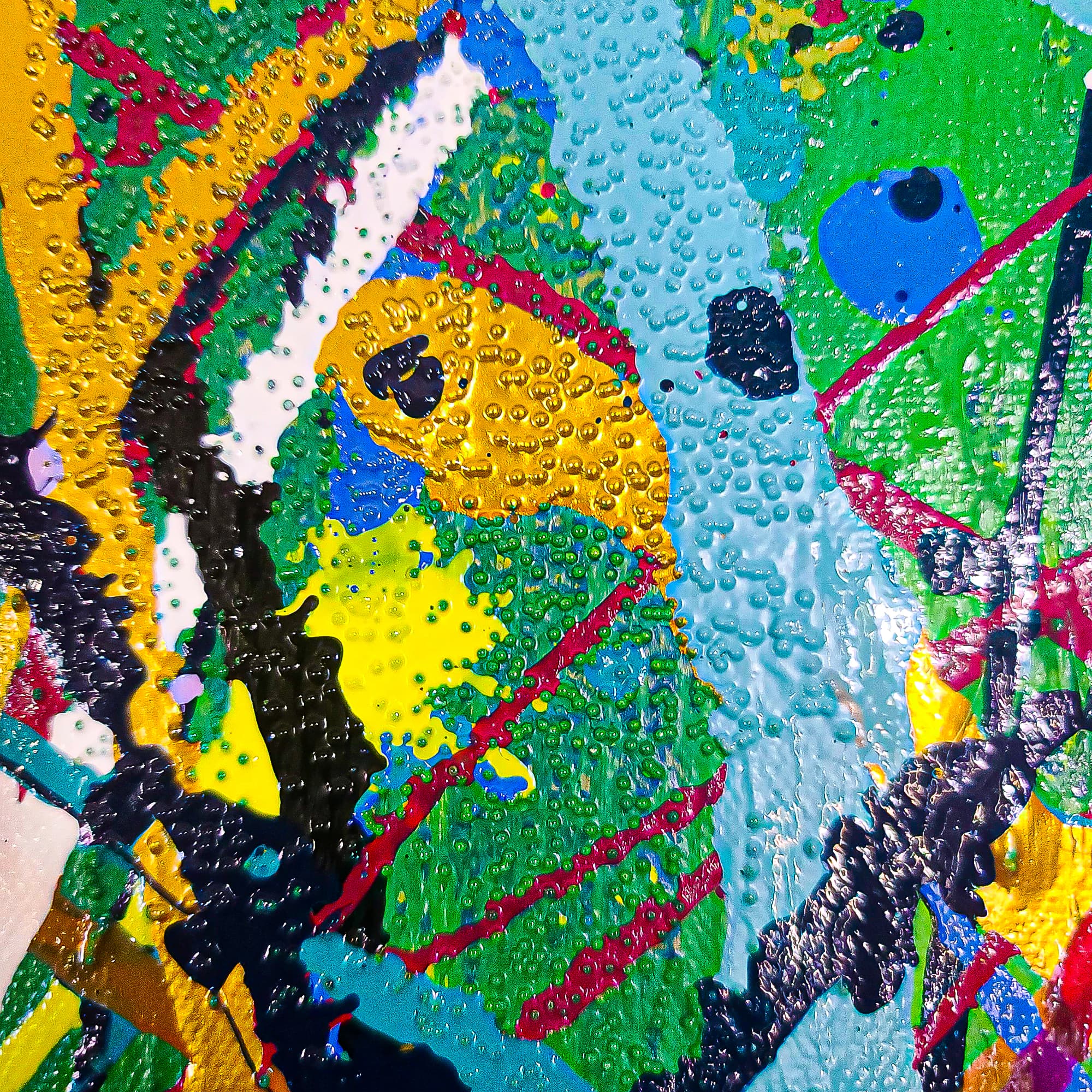
Art
Dominion
48 × 60 × 1.5 in
$3,499
Art
Graffiti
30 × 48 × 1.5 in
$2,199
Art
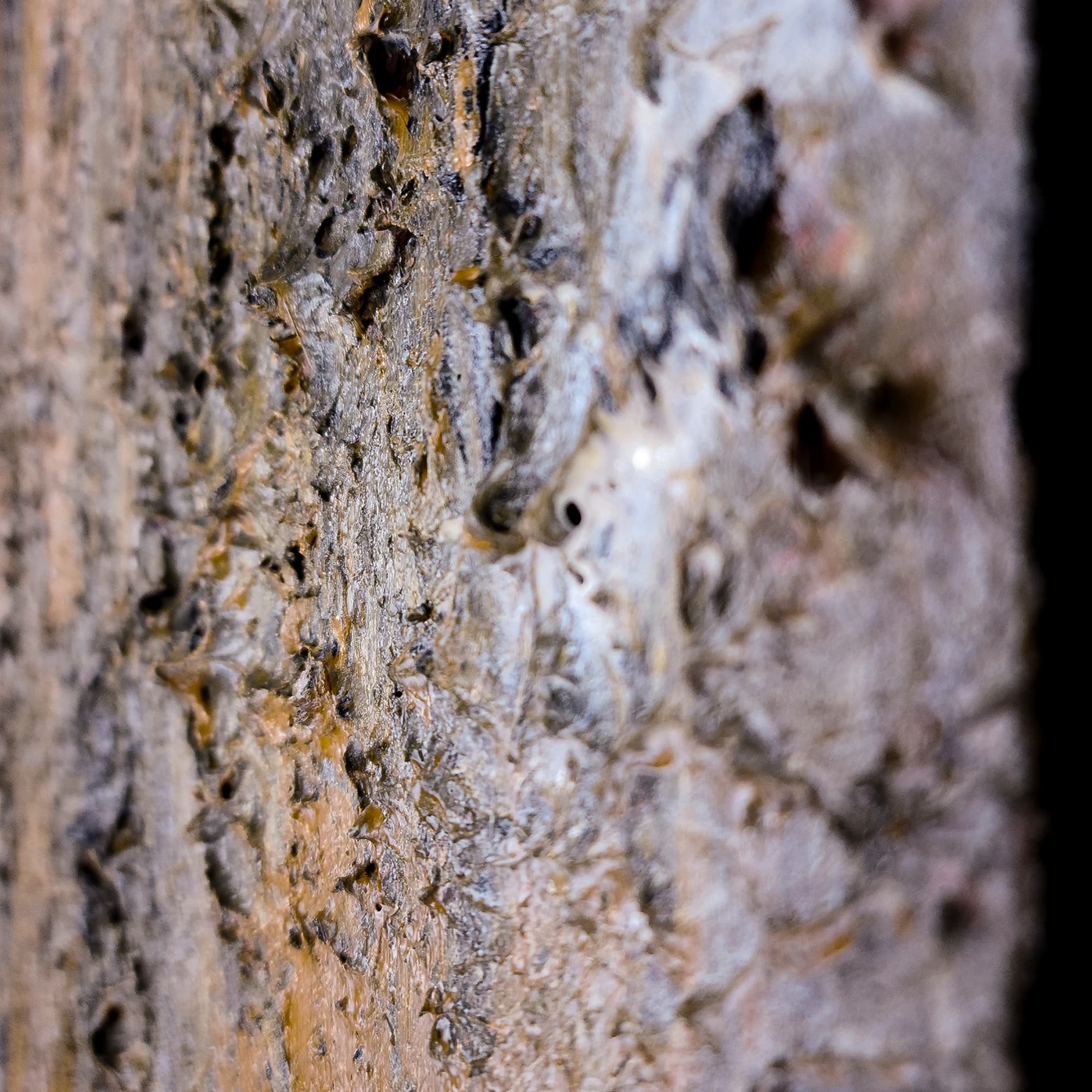
Gray Day
24 × 36 × 0.75 in
$1,199
Art
Maui
48 × 60 × 1.5 in
$3,499
Art
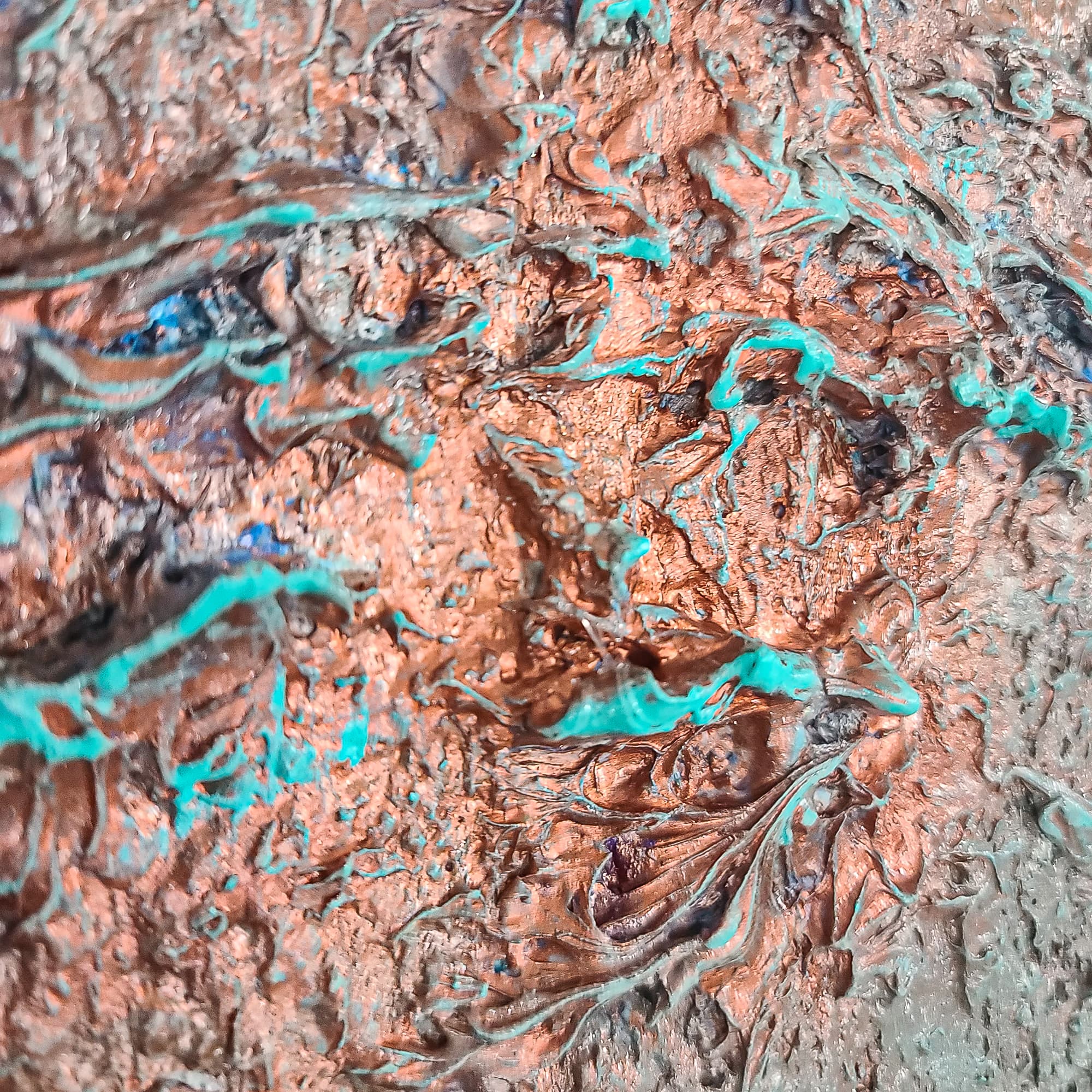
Mushrooms
48 × 48 × 1.5 in
$2,399
Art
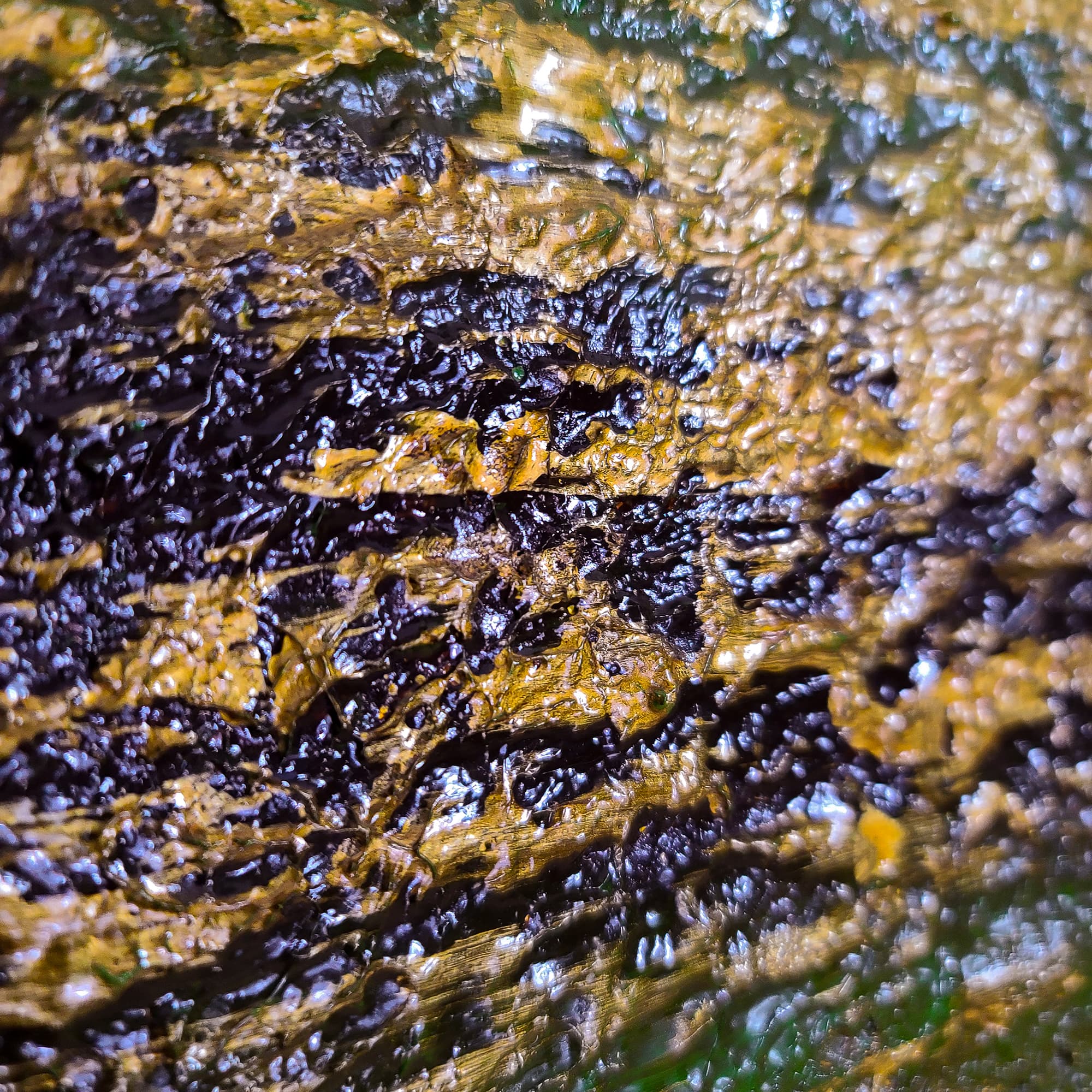
Riptide
24 × 48 × 1.5 in
$1,199
Art
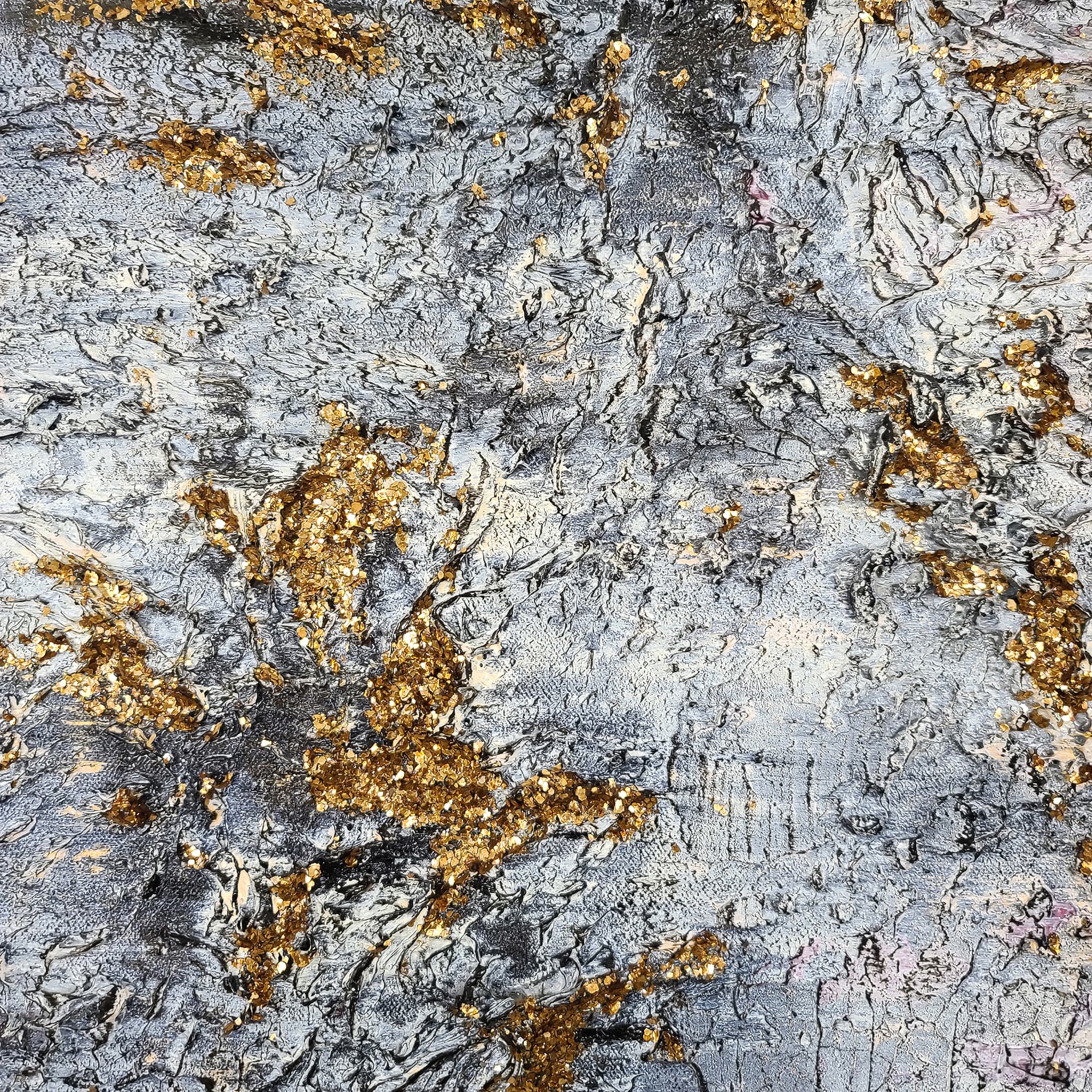
Stardust
48 × 48 in
$2,199
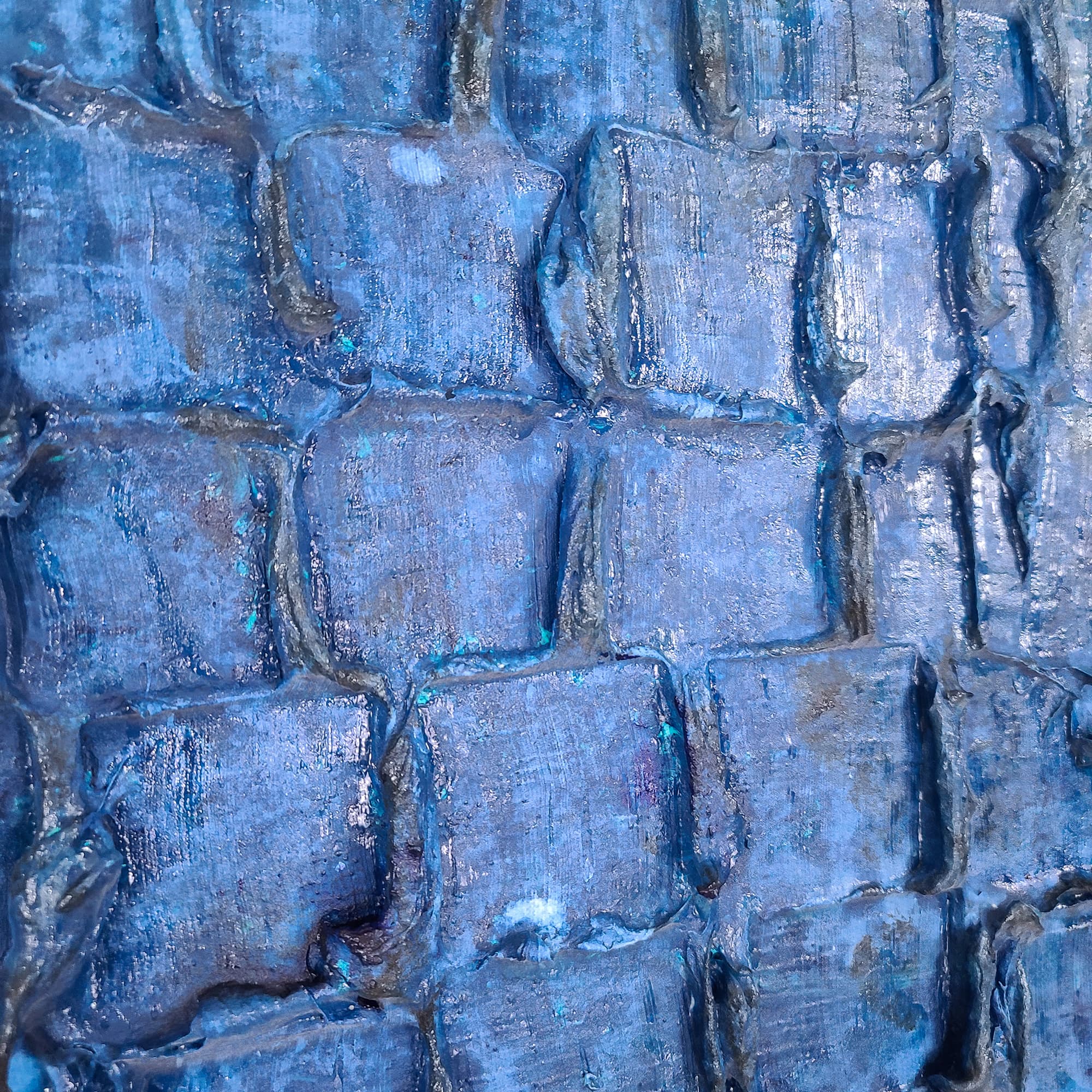
Art
Waterfalls
36 × 24 × 0.5 in
$999
Art
Crimson Tide
36 × 48 × 1.5 in
$2,499
Art
Desert Rose
36 × 36 × 1.5 in
$1,799
Art
Monsoon
30 × 40 × 1.5 in
$1,899
Art
Embers
40 × 30 × 1.5 in
$2,099
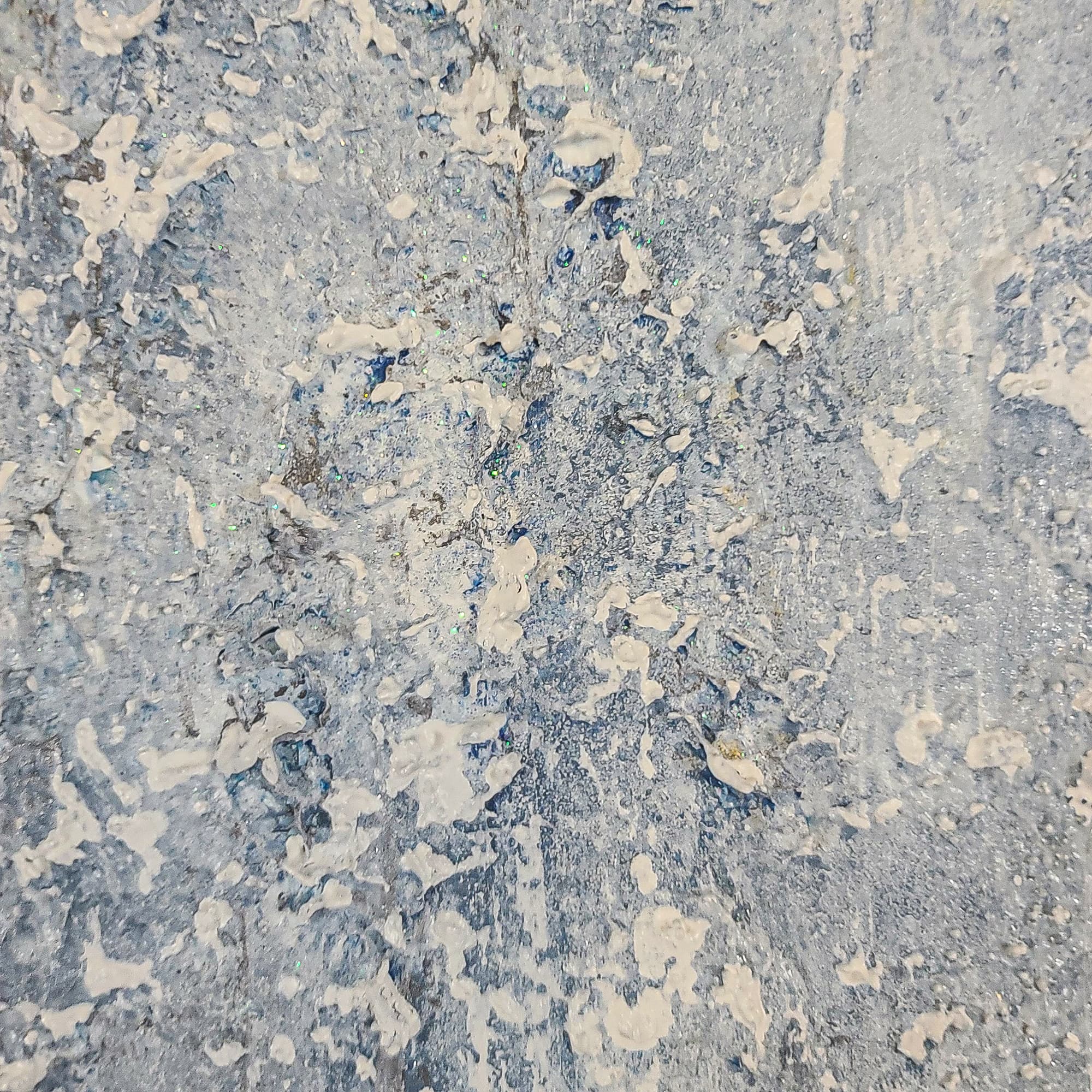
Art
Glacier
48 × 60 × 1.5 in
$2,799
Art
Copper Canyon
36 × 48 × 1.5 in
$1,499
Art
Midnight Garden
48 × 36 × 1.5 in
$2,299
Art
Saffron
30 × 40 × 1.5 in
$1,499
Art
Neon Nights
36 × 36 × 1.5 in
$1,799
Art
Petrified
48 × 36 × 1.5 in
$2,199
Art
Aurora
48 × 60 × 1.5 in
$3,199
Art
Adobe Sunset
24 × 36 × 1.5 in
$1,399
Art
Typhoon
48 × 36 × 1.5 in
$2,599
Art
Coral Reef
36 × 48 × 1.5 in
$1,899
Art
Obsidian
30 × 40 × 1.5 in
$1,599
Art
Wildflower
24 × 36 × 1.5 in
$1,299
Art
Concrete Jungle
48 × 48 × 1.5 in
$2,499
Interactive Tool
See It in Your Geneva Space
Drag and resize any painting onto a virtual wall to see how it transforms your room. Visualize scale, proportion, and presence before you buy.
See It In Your Home
Upload a photo of your wall to see our art in your space
or drag & drop an image here
Select a painting
Bipolar — 48×60″
Visualisation only — colours and scale may vary in person.
Design Insight
Interior Trends in Geneva
Geneva interiors reflect Swiss cosmopolitan elegance — lacquered walls, contemporary European furniture, and international art collections assembled through global travel and relationships.
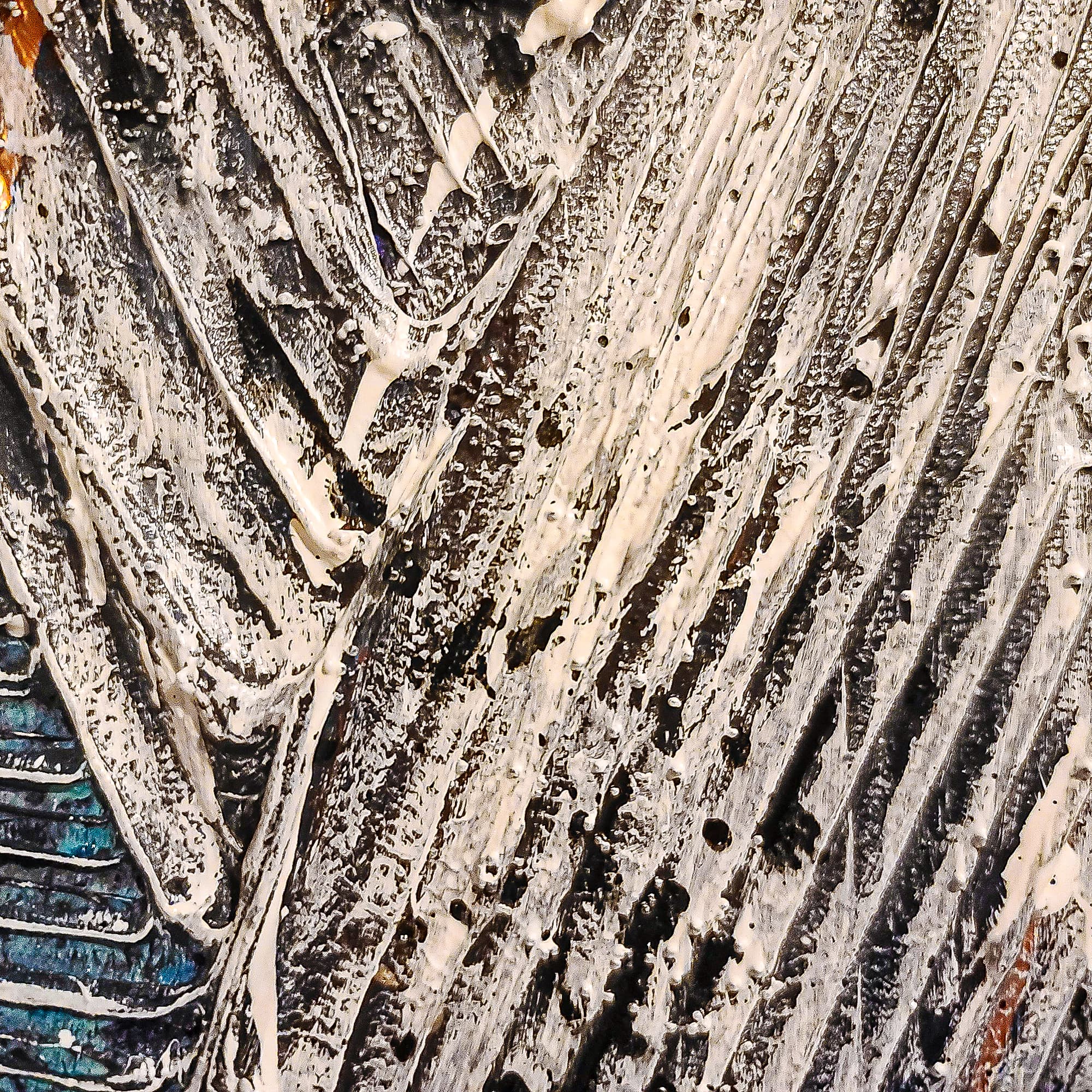
Textured art transforms any interior
Heavy impasto paintings add depth and dimension that prints cannot replicate
Did You Know?
Art Trivia: Geneva
Did you know? Geneva’s freeport is estimated to hold more art than many of the world’s great museums combined.
Did you know? The Centre d’Art Contemporain Genève was founded in 1974 in a factory and has been a vital platform for experimental art for five decades.
Did you know? Some of the world’s most significant private collections are held in Geneva and are almost never on public view.
Art that commands the room
An original painting is not just decoration — it's the soul of your space
Collector's Guide
Buying Art in Geneva
For Geneva collectors looking to buy art online, here are essential tips: always purchase from established galleries or artists with verifiable track records. Request high-resolution images, condition reports, and certificates of authenticity. Ensure shipping to Geneva includes full insurance, professional packing, and tracking. Start with a budget you're comfortable with and remember that exceptional art exists at every price point. Paying with cryptocurrency adds an extra layer of convenience — transactions are fast, fees are often lower than credit card charges, and the process is increasingly seamless for buyers in Geneva.
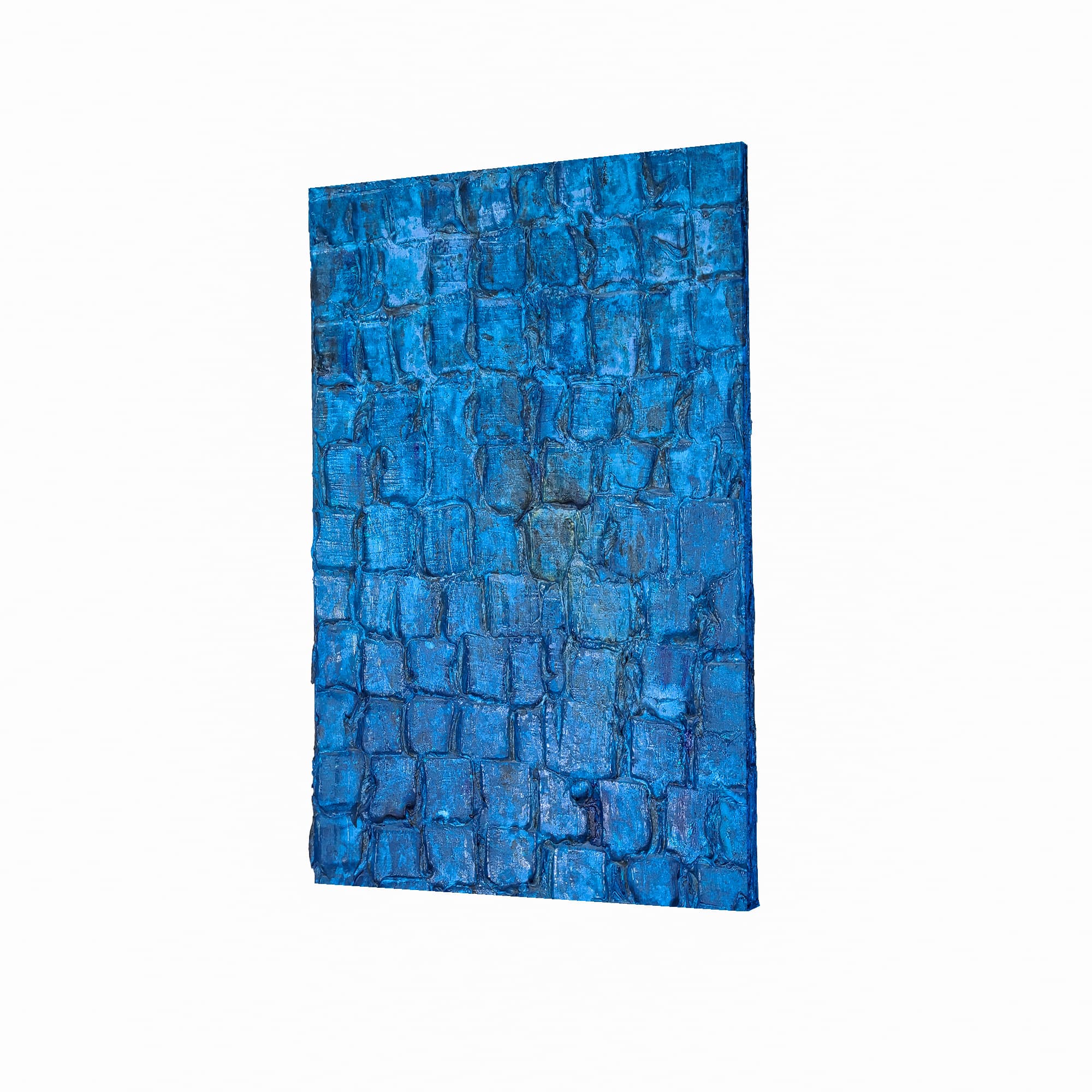
Sculptural impasto texture
Every brushstroke is a physical ridge you can see and feel
Price Range
$999 — $3,499
Original paintings, not prints
Available Paintings
30
Each one of a kind
Shipping to Geneva
7–14 days
Professionally crated & insured
Payment Methods
Pay with Crypto from Geneva
We accept major cryptocurrencies alongside traditional payment methods. Transactions are secure, borderless, and fee-efficient — no matter where you are in Switzerland.
Browse by Category
Find Your Style in Geneva
Frequently Asked Questions
Buying Art in Geneva
Can I buy original art online and have it shipped to Geneva?
Absolutely. We ship original artwork to Geneva and throughout Switzerland using professional art couriers. Every piece is custom-crated with museum-quality packing materials, fully insured during transit, and shipped with tracking. Most deliveries to Geneva arrive within 7-14 business days, depending on the origin of the piece.
Do you accept cryptocurrency payments from Geneva buyers?
Yes, we accept Bitcoin, Ethereum, and several other major cryptocurrencies. Crypto payments are processed securely and typically confirm within minutes. This makes purchasing art from Geneva seamless, private, and free from traditional banking friction. We also accept credit cards, wire transfers, and other conventional payment methods.
How do I choose the right artwork for my Geneva home?
Start with the space itself — measure the wall, consider the lighting (natural and artificial), and think about the room's color palette and furniture style. As a general rule, artwork should fill about two-thirds of the available wall space above furniture. For Geneva's typical interiors, we recommend considering the local light quality and architectural style when selecting pieces. Our team is happy to provide personalized recommendations.
Is original art a good investment for Geneva collectors?
Original art has historically appreciated in value, and many collectors in Geneva view their art as both a financial asset and a source of daily enjoyment. While past performance doesn't guarantee future returns, buying quality work by established or promising artists — especially at fair market prices — has proven to be a sound strategy. The key is to buy what you genuinely love, since you'll be living with it.
What if the artwork arrives damaged in Geneva?
Every piece we ship is fully insured during transit. In the rare event that an artwork arrives damaged, document the damage with photographs, keep all packing materials, and contact us immediately. We'll arrange a full replacement or refund. Our professional crating and art-specific shipping partners ensure that damage is extremely uncommon.
Geneva, Switzerland
Ready to Bring Art to Geneva?
Whether you have questions about a specific painting, want help choosing the right piece for your space, or need a custom consultation — we're here. Free shipping within the USA. Worldwide delivery available.