Art Does Not Have to Be Permanent
Most collectors hang a painting and leave it in place for years — sometimes decades. There is nothing wrong with this approach, especially for a piece you love deeply. But there is a compelling case for treating your collection as a dynamic installation rather than a static one. Rotating art seasonally — bringing certain pieces forward at certain times of year — transforms how you experience both your home and your collection.
Seasonal Rotation: The Case For It
Rotating art seasonally offers several benefits that permanent installations do not:
- Re-engagement: When a painting has been on your wall for two years, you stop seeing it. Your brain filters it out as familiar background. Moving it to a different wall or bringing it out of storage after a season away restores the freshness and impact of that first viewing.
- Seasonal harmony: A warm-toned painting with golds and ambers feels perfect in autumn and winter but can feel heavy in bright summer light. A cool blue piece feels refreshing in summer but cold in winter. Rotating art to match the seasonal mood of your home creates a more integrated environment.
- Preservation: Art hung in direct summer sunlight benefits from being rotated to a darker wall during the brightest months. This is the simplest preservation strategy available — moving art away from seasonal light exposure rather than trying to block the light.
- Space for new acquisitions: If you continue collecting, rotation gives every piece its moment. A painting does not need to be on permanent display to be a valued part of your collection.
Practical Rotation Strategies
How you rotate depends on how many pieces you own and how much wall space you have:
The Seasonal Swap
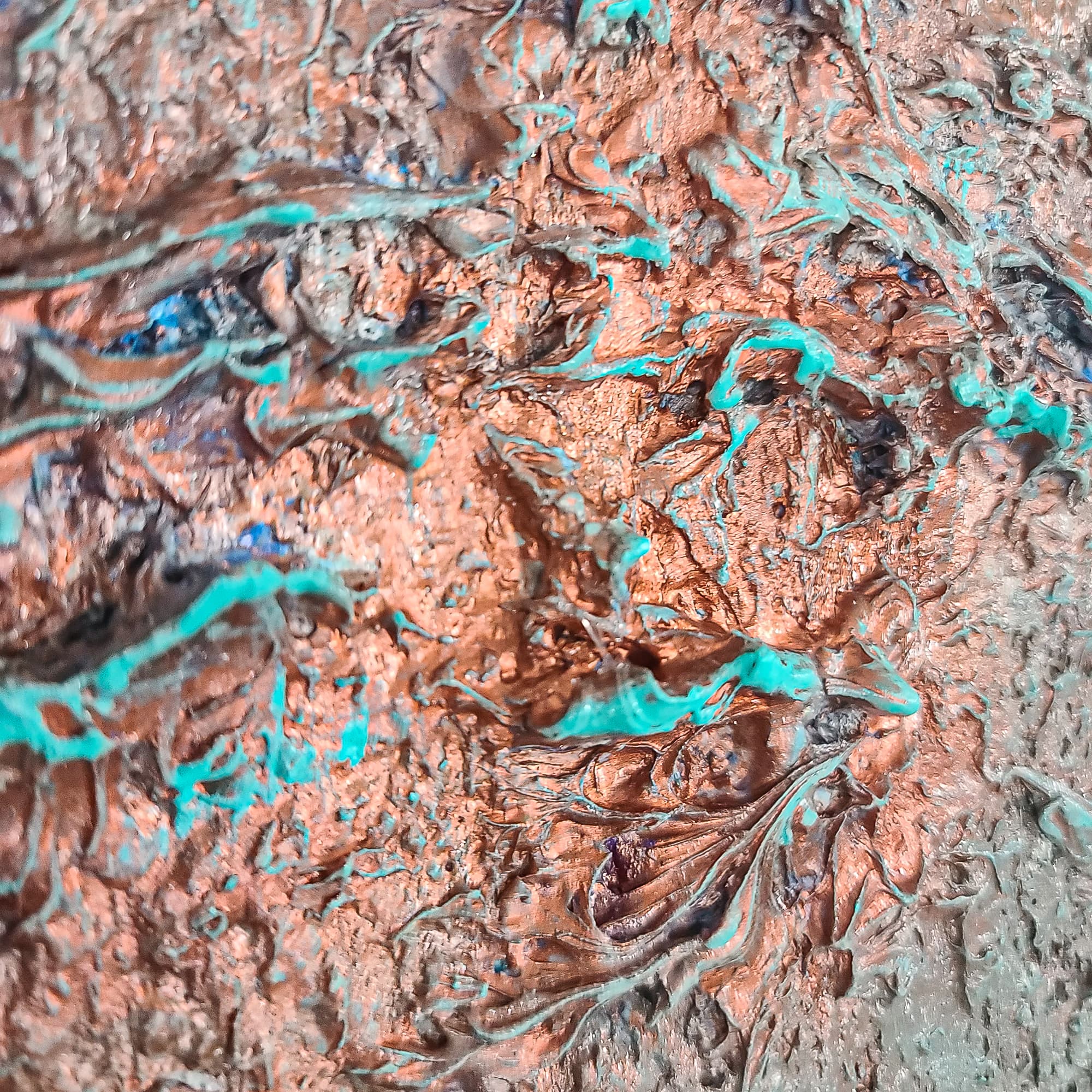
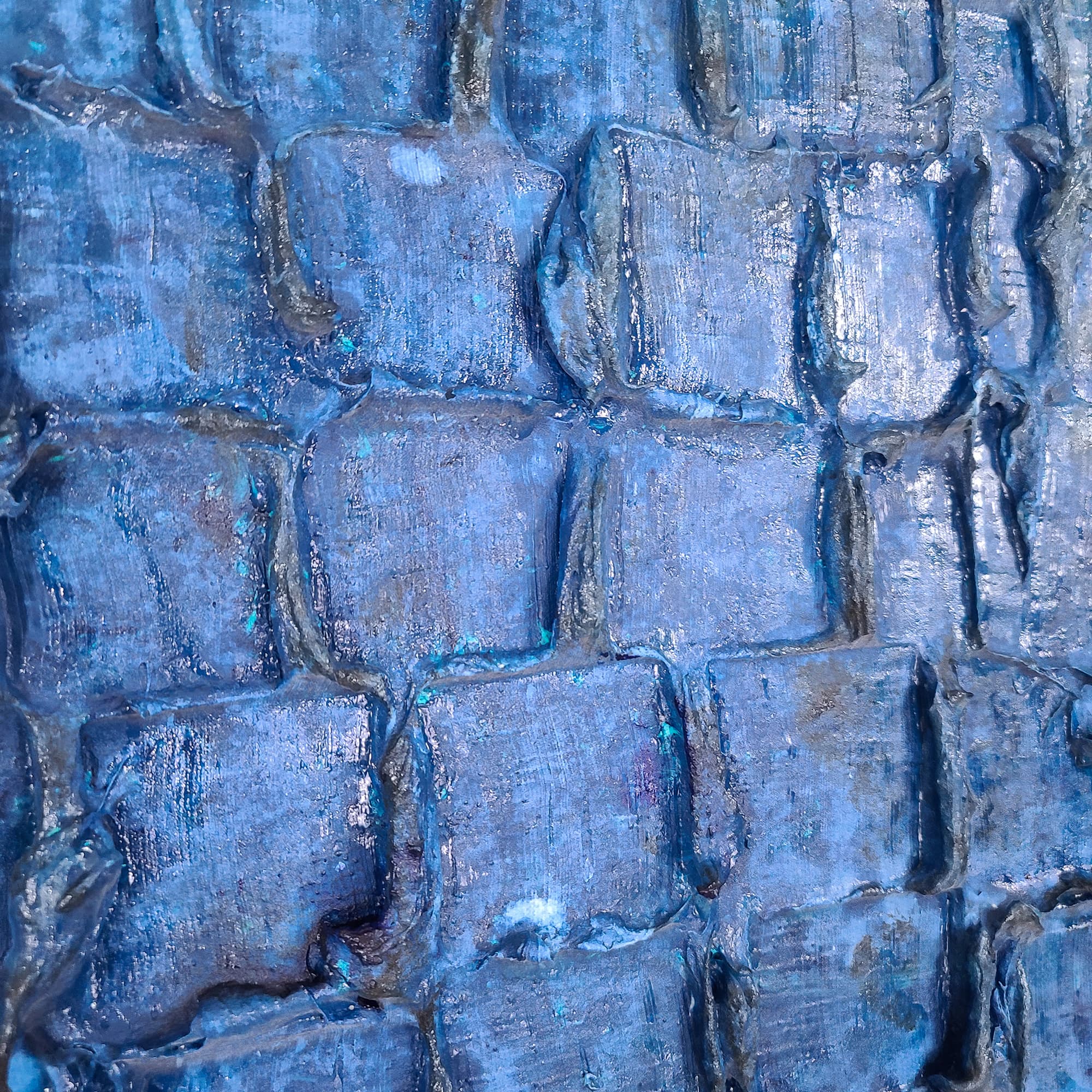
For collectors with two to four pieces, swap one central painting each season. A warm-toned piece like Maui (molten golds and volcanic reds) dominates in autumn and winter; a cool-toned piece like Waterfalls (layered ocean blues) takes over in spring and summer. Two anchor pieces, rotated every six months, keep the room perpetually fresh.
The Wall Rotation
Have three to five paintings hanging in different rooms? Twice a year, move them all clockwise through the house. The piece that was in the living room moves to the dining room, the dining room piece moves to the bedroom, and so on. The paintings are familiar but their context changes, revealing qualities you never noticed in their previous location.
The Storage Rotation
For collectors with more art than wall space, keep some pieces professionally stored and cycle them out quarterly. This is how museums operate — not everything in the collection is on view at once. The pieces in storage feel new when they return to the wall, and you appreciate each one more because you have missed it.
Storage Best Practices
When a painting is not on display, store it properly. Do not lean it against a wall in the garage. Wrap it in acid-free material and store it vertically (never flat, which can cause the canvas to sag) in a climate-controlled space. The same humidity and temperature guidelines apply to stored art as displayed art — avoid basements, attics, and garages.
The Discovery Effect
The most unexpected benefit of art rotation is what collectors call the discovery effect. When you bring a painting back to the wall after months away, you see elements you never noticed during its previous tenure. A subtle color transition. A texture detail in the corner. The way it handles a particular quality of light in the new season. The painting did not change — but you did, and your fresh eyes reveal dimensions the painting has always contained.
Build a collection worth rotating. Start with one piece that anchors your season, and add others as your collection grows. Contact Lei-Kol for advice on selecting complementary pieces designed to work in rotation.
Tags