The Brief Is Everything
A commissioned painting is a collaboration between your vision and the artist's skill. The quality of the result depends heavily on the quality of the communication that precedes it. A vague brief ("I want something beautiful with blue tones") forces the artist to guess. A clear, thoughtful brief gives the artist a framework within which their creativity can operate at full power. The best commissioned works come from the best briefs.
What to Include in Your Brief
1. Dimensions and Orientation
Specify the exact wall dimensions available and the painting size you want. Give both the minimum and maximum you would be happy with — for example, "36 × 48 inches is ideal, but anywhere from 30 to 48 inches wide works." Include whether you prefer landscape, portrait, or square orientation. If the painting is for a specific wall, include a photograph of the wall with measurements.
2. Color Palette
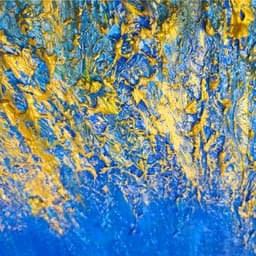
Be specific about colors without being prescriptive about exactly how they appear. "I want warm golds, deep amber, and touches of dark brown — nothing blue or green" is helpful direction. "I want the exact shade of gold from Maui combined with the texture density of Bipolar" is even better — it references existing work the artist understands. Avoid Pantone codes unless you have a specific corporate need; they rarely translate directly to paint mixing.
3. Mood and Atmosphere
Describe how you want to feel when you look at the painting, not what you want it to look like. "I want this to feel like the moment just before a thunderstorm — charged, dramatic, but with a sense of anticipation rather than dread." This kind of emotional direction gives the artist a creative problem to solve rather than a checklist of features to implement.
4. Reference Images
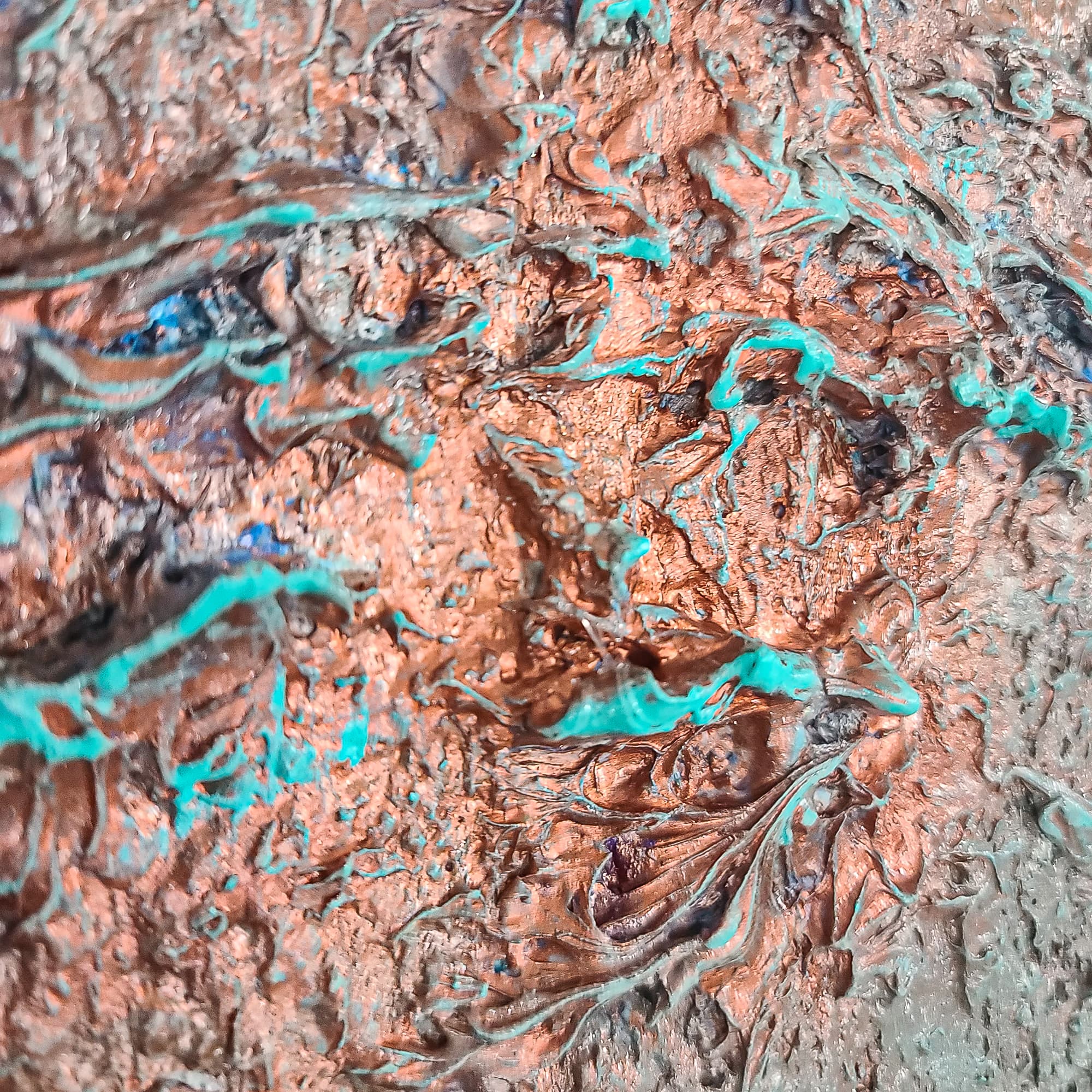
Include photographs of your space and any existing art you own that you want the new piece to work alongside. Include examples of the artist's previous work that resonate with you — with notes about what specifically you like. "I love the texture density of this piece but would prefer a warmer palette like this one." Reference images ground the conversation in something concrete.
5. What to Avoid
Tell the artist what you absolutely do not want — specific colors, styles, or moods. "No neon colors," "nothing too chaotic or busy," "please avoid anything that reads as aggressive." Negative specifications are as helpful as positive ones because they define the boundaries of the creative sandbox.
6. Timeline and Budget
Be upfront about when you need the piece and what you are prepared to spend. This is not negotiating — it is giving the artist the parameters they need to determine whether the project is feasible. A rushed timeline or an unrealistic budget relative to the scope will produce a strained result. A reasonable timeline and a fair budget set the conditions for the artist's best work.
What Not to Do
- Do not provide a photograph and say "paint this." That is a job for a photorealist painter, not an abstract or impressionistic artist. Commissioning is about creating something new, not reproducing something existing.
- Do not micromanage the process. Once you have approved the concept and color study, trust the artist to execute. Constant mid-process interventions produce disjointed paintings.
- Do not withhold honest feedback. If the concept sketch is not what you imagined, say so immediately and specifically. Fixing a sketch takes hours; reworking a half-finished painting takes weeks.
- Do not expect an exact replica of another piece. Every painting is different. "I want something similar to Bipolar but warmer and slightly smaller" is a fine brief. "I want exactly Bipolar but blue instead of black" is a request for a different painting — which the artist may or may not be willing to create.
Start Your Commission
Ready to write your brief? Contact Lei-Kol with your requirements. Include as much of the information above as you can, and you will receive a thoughtful response that begins what is often the most rewarding art-buying experience a collector can have. Browse existing work for inspiration and reference points.
Tags