Montenegro · Europe
Original Art for
Kotor
Discover one-of-a-kind heavy-texture acrylic paintings by Lei-Kol, shipped directly to Kotor. Every piece is an original — no prints, no reproductions. Pay with Bitcoin, Ethereum, or traditional methods.
Art & Culture
Art in Kotor
Kotor's art world is undergoing a quiet revolution. A new generation of artists, curators, and collectors is building creative infrastructure that honors Montenegro's artistic traditions while embracing global contemporary practice. The result is an art scene that feels both rooted and cosmopolitan — local in its concerns, international in its ambition.
The physical landscape of art in Kotor is evolving rapidly. Purpose-built gallery spaces, artist studio complexes, and creative hubs are joining the established museums and cultural centers that have long anchored the city's artistic life. Pop-up exhibitions in unexpected venues — from rooftops to basements to decommissioned transit stations — keep the scene unpredictable and exciting.
For collectors visiting or living in Kotor, the opportunities are significant. The market is active enough to support serious gallery programs but not yet so overheated that prices have disconnected from artistic quality. Smart collectors who engage with Kotor's art scene now are likely to look back on this period as a golden age of accessible, high-quality art buying.
Iconic Connection
The artistic traditions of the Kotor region are among the most distinctive in Montenegro. From folk art and decorative craft to the bold experiments of contemporary practitioners, the city's creative output reflects a community that values beauty, meaning, and the power of visual expression.
Art Facts
Kotor by the Numbers
Landscape painting in the Kotor region has evolved from traditional representation to experimental abstraction, but the local terrain remains a constant source of inspiration.
Pop art and pop-culture-inspired work resonates strongly with Kotor's collectors, reflecting the city's engagement with media, technology, and consumer culture.
Contemporary art in Kotor often draws on the city's industrial history, transforming materials like steel, concrete, and reclaimed wood into powerful visual statements.
The metalwork and jewelry traditions of Kotor have produced internationally recognized artists who create wearable sculptures and exhibition-scale installations.
Art education initiatives in Kotor are making creative practice accessible to underserved communities, nurturing the next generation of artists and collectors.
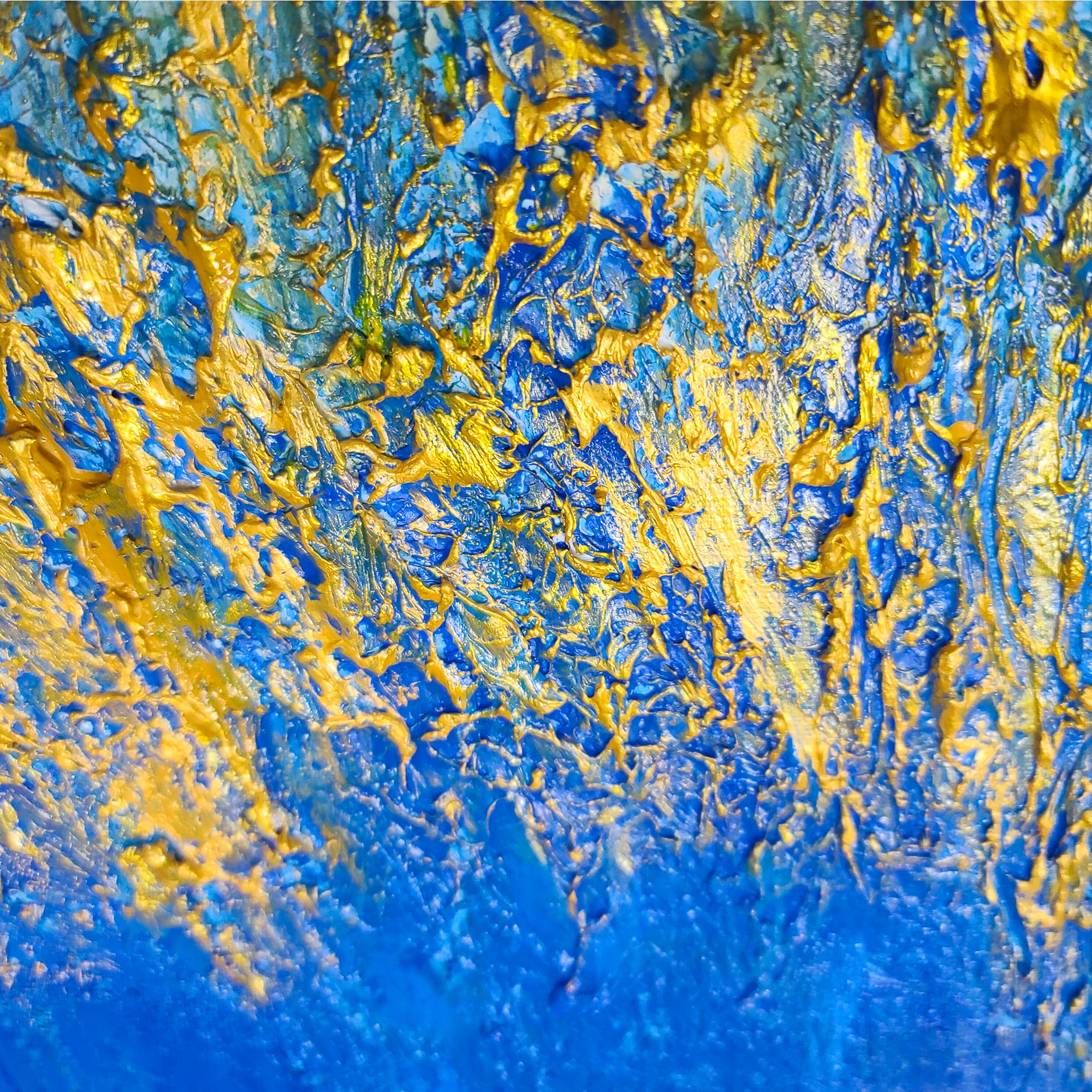
Every painting is a one-of-a-kind original
Heavy impasto texture creates sculptural depth that flat prints cannot replicate
The Collection
Original Paintings for Kotor
Art
Bipolar
48 × 60 × 1.5 in
$3,499
Art
Blood Moon
30 × 40 × 0.5 in
$1,199
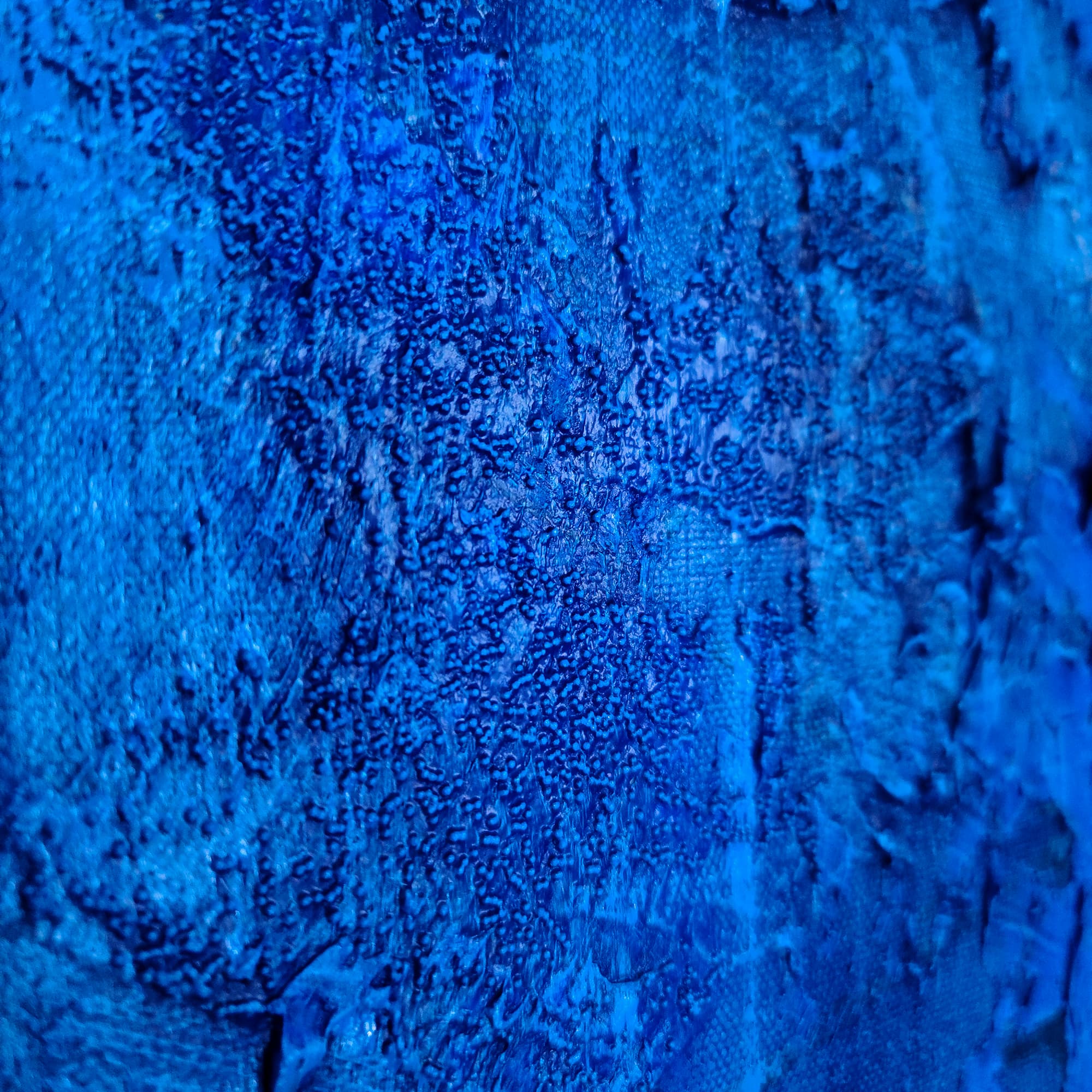
Art
Blue Denim
48 × 48 × 1.5 in
$1,699
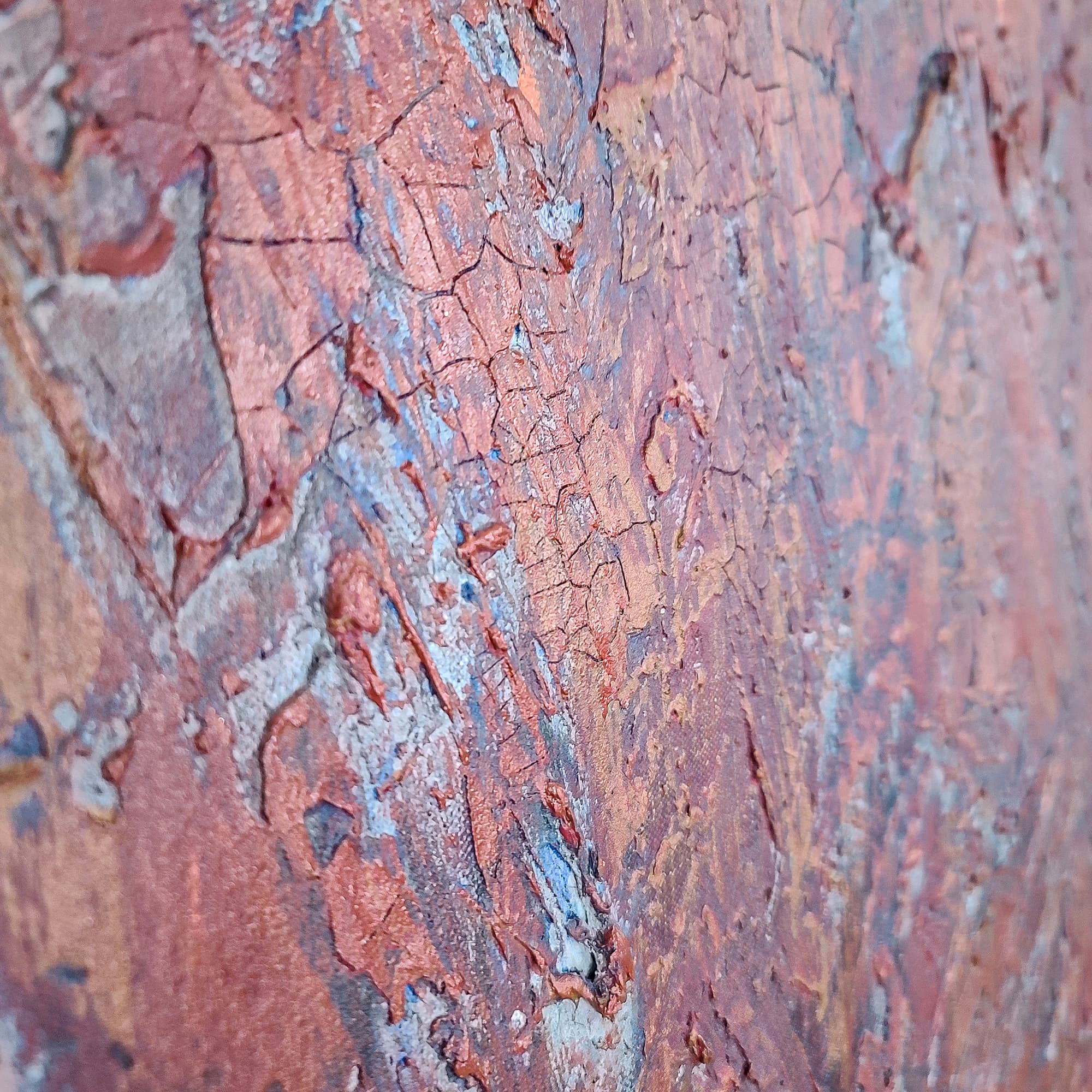
Art
Brick and Mortar
48 × 60 × 1.5 in
$3,499
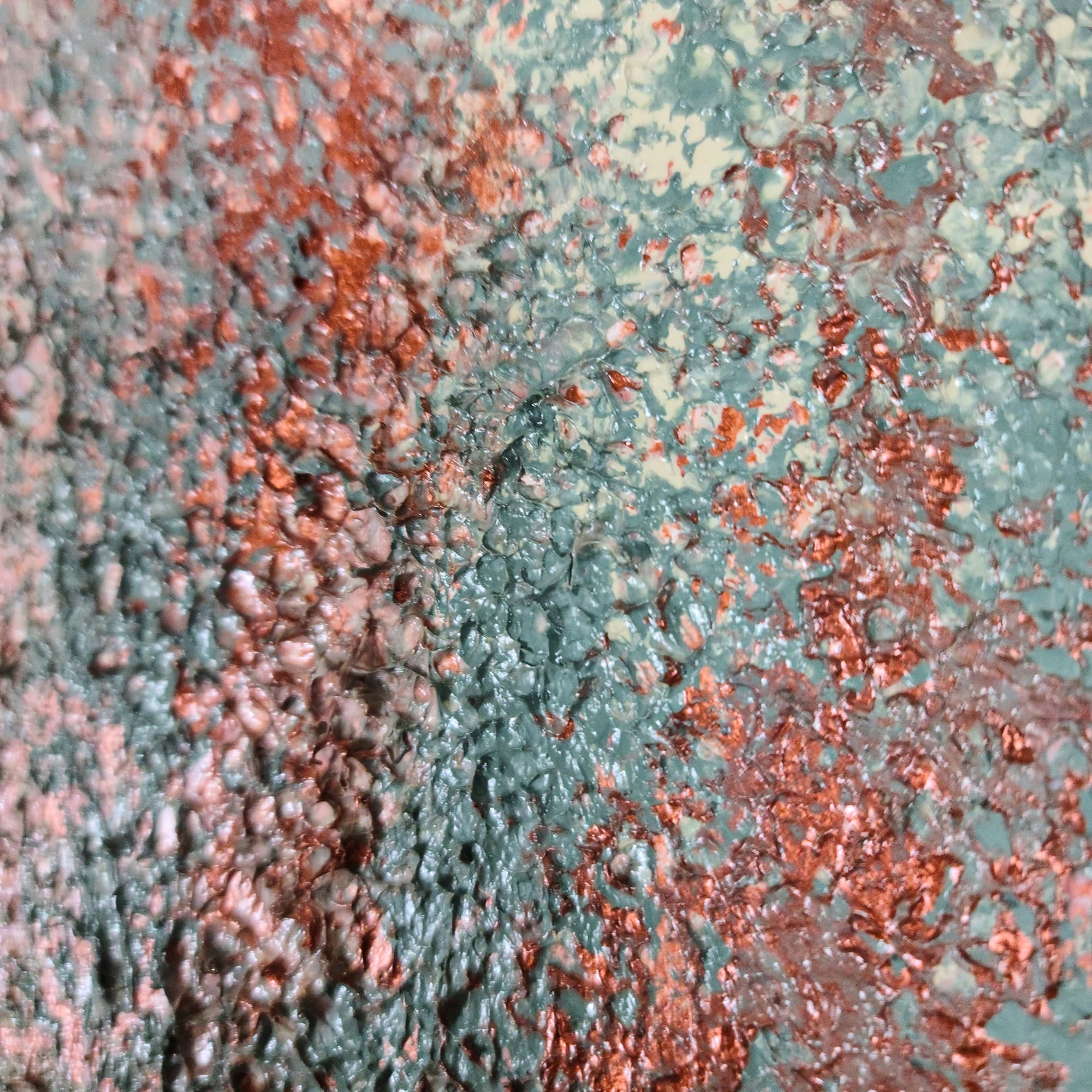
Art
Cheesecake
24 × 48 × 1.5 in
$1,099
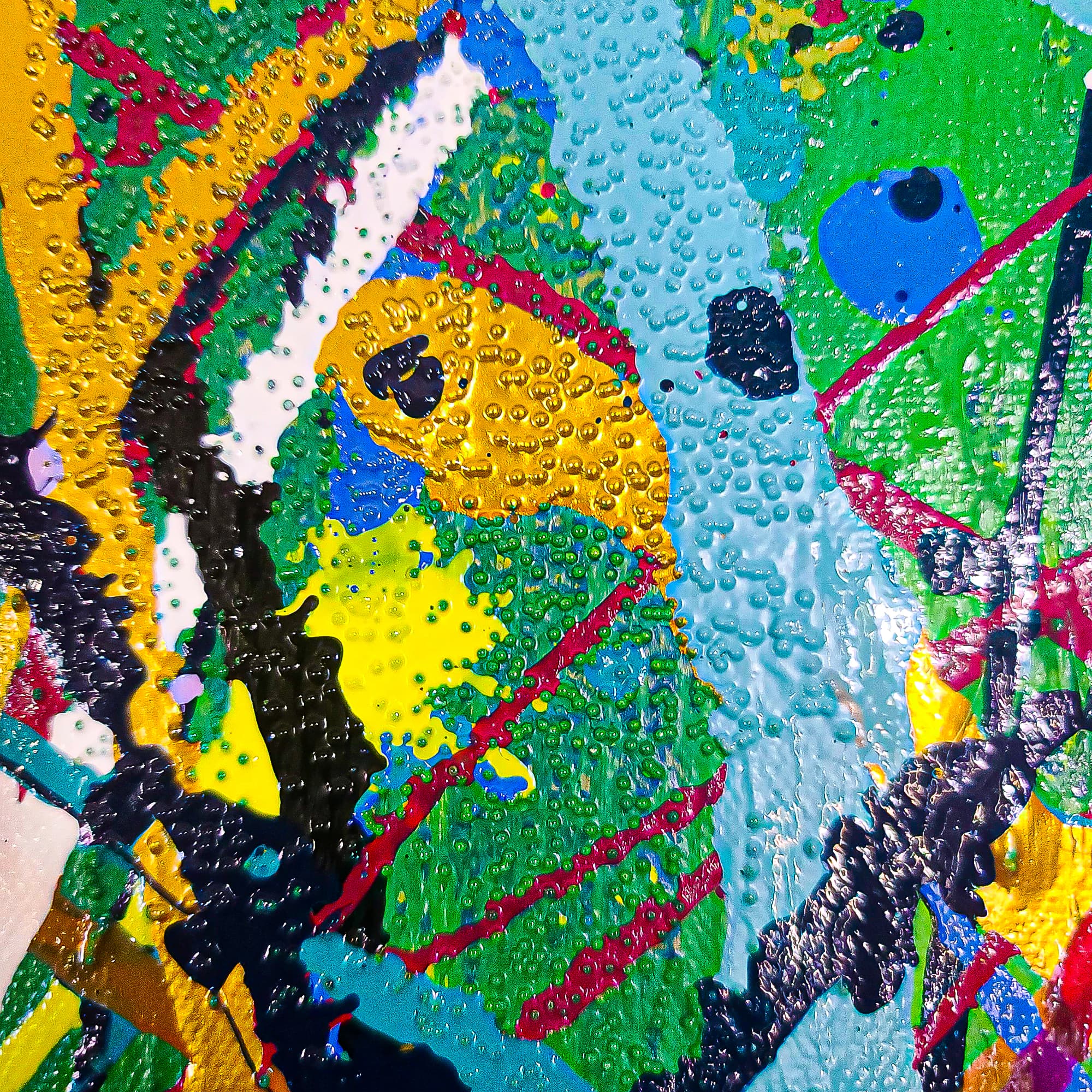
Art
Dominion
48 × 60 × 1.5 in
$3,499
Art
Graffiti
30 × 48 × 1.5 in
$2,199
Art
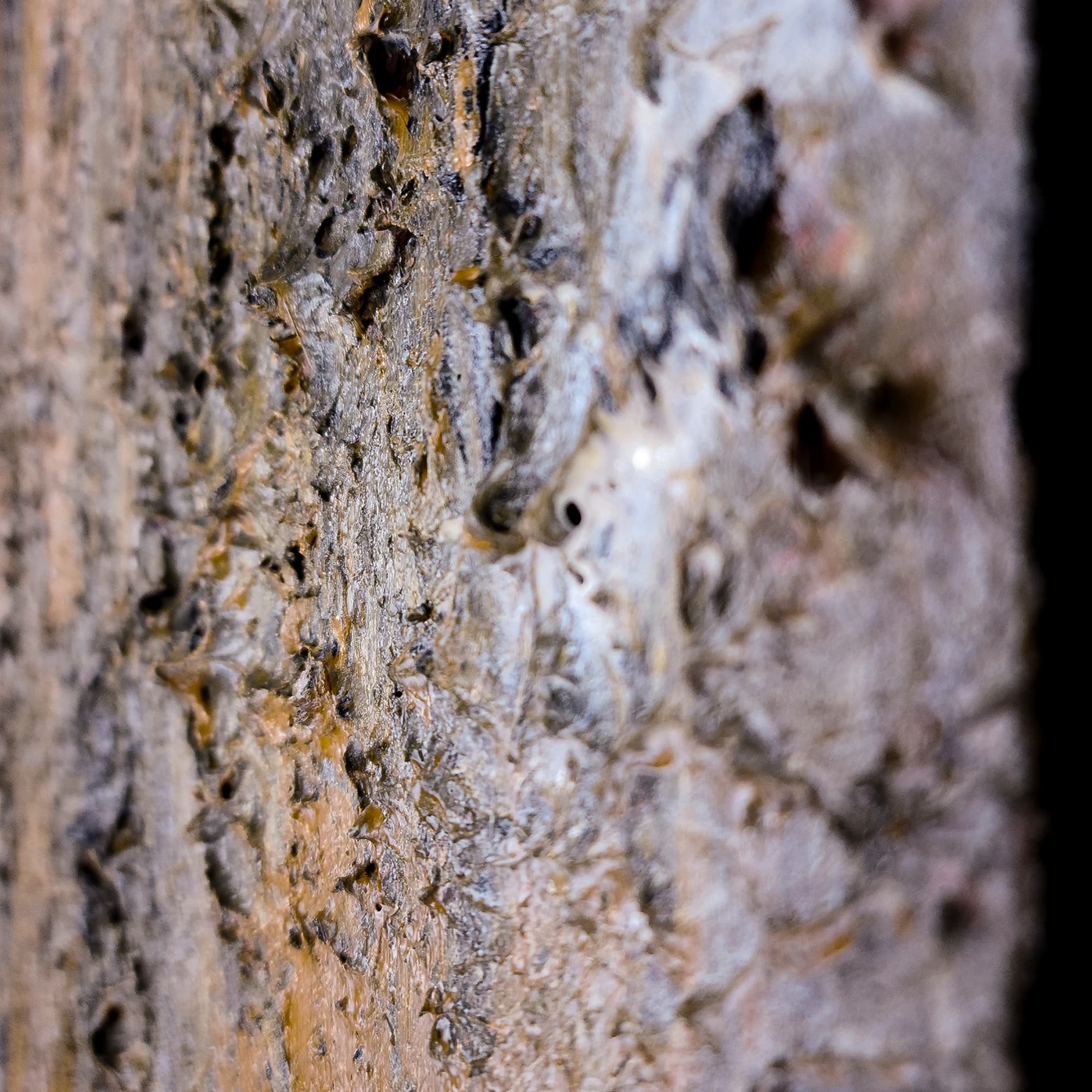
Gray Day
24 × 36 × 0.75 in
$1,199
Art
Maui
48 × 60 × 1.5 in
$3,499
Art
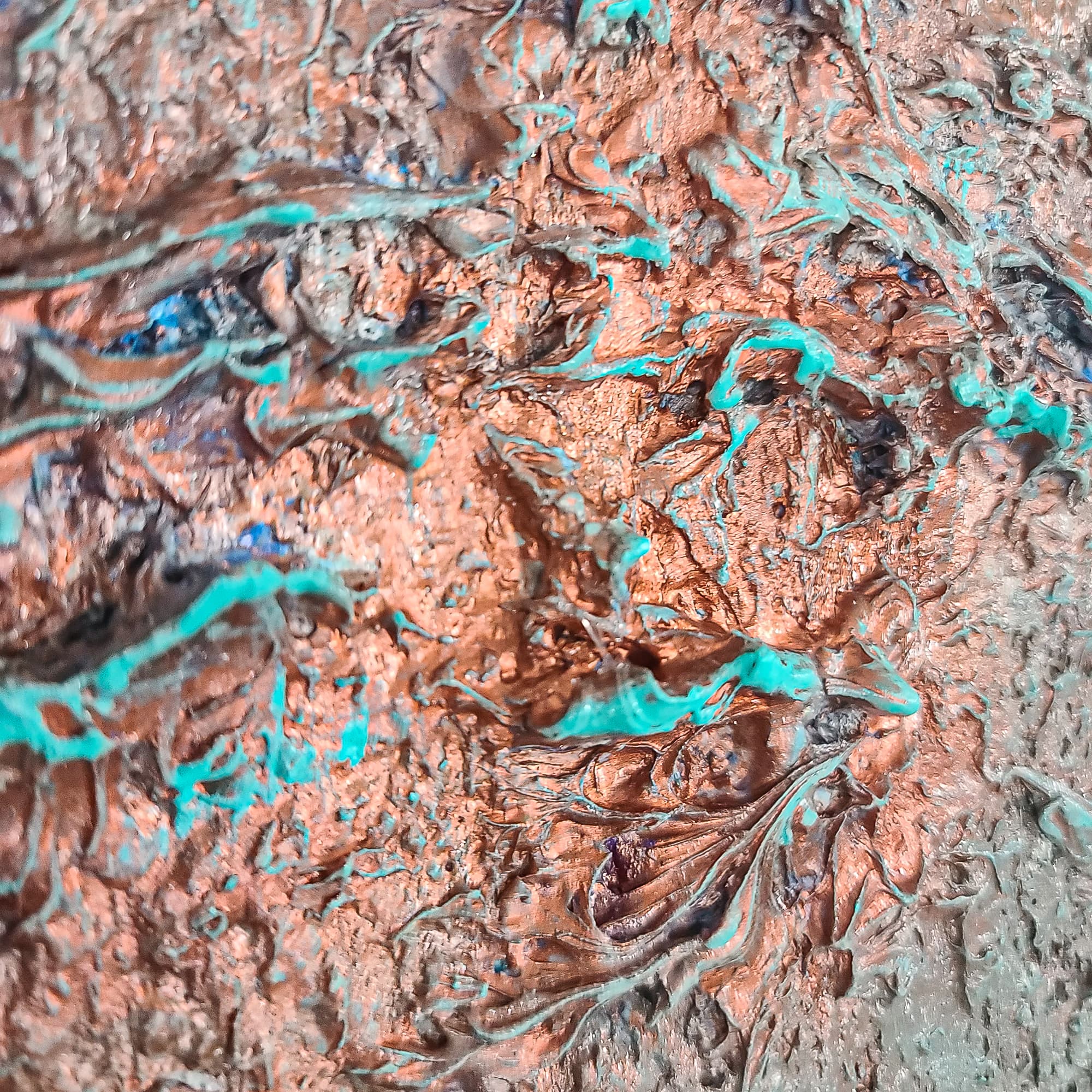
Mushrooms
48 × 48 × 1.5 in
$2,399
Art
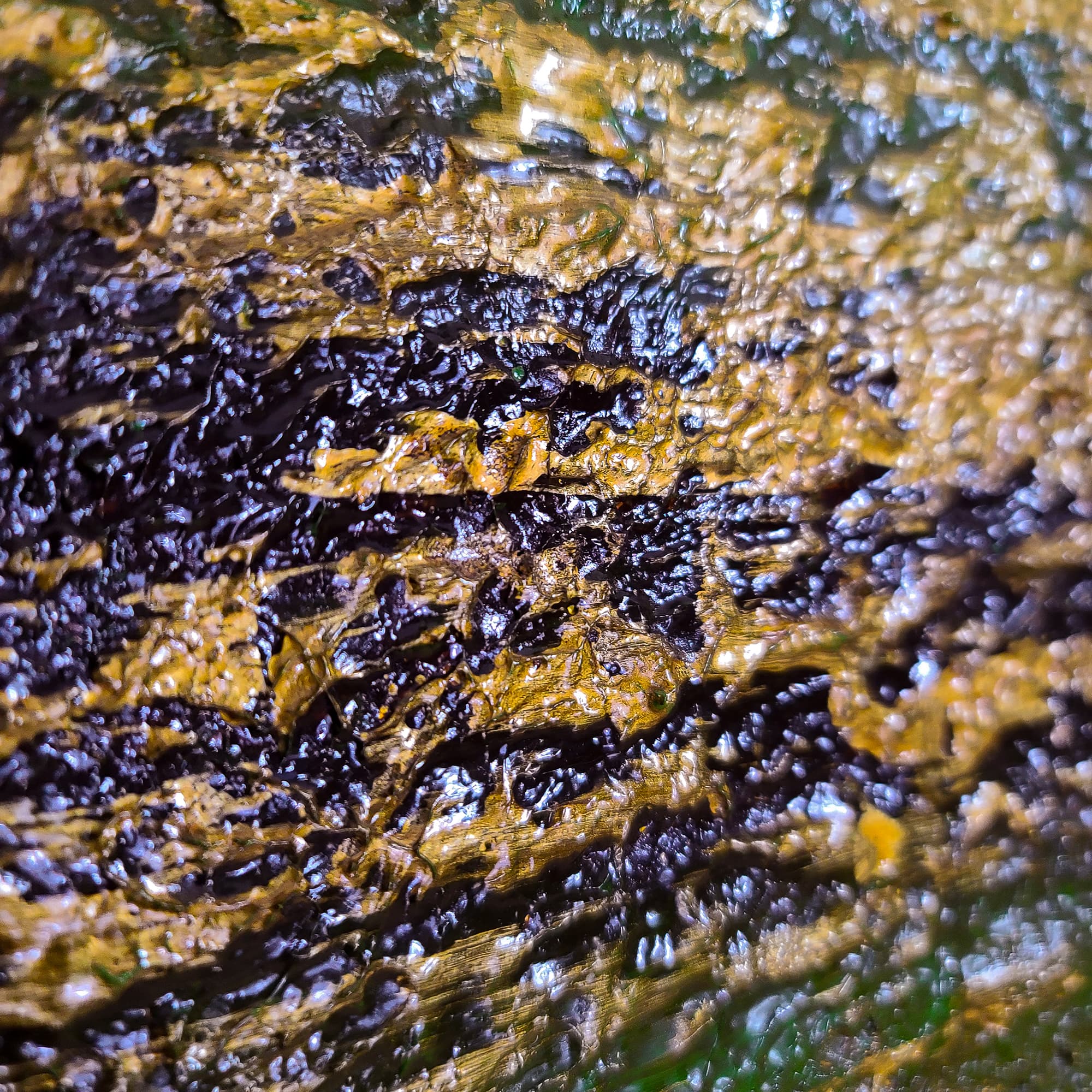
Riptide
24 × 48 × 1.5 in
$1,199
Art
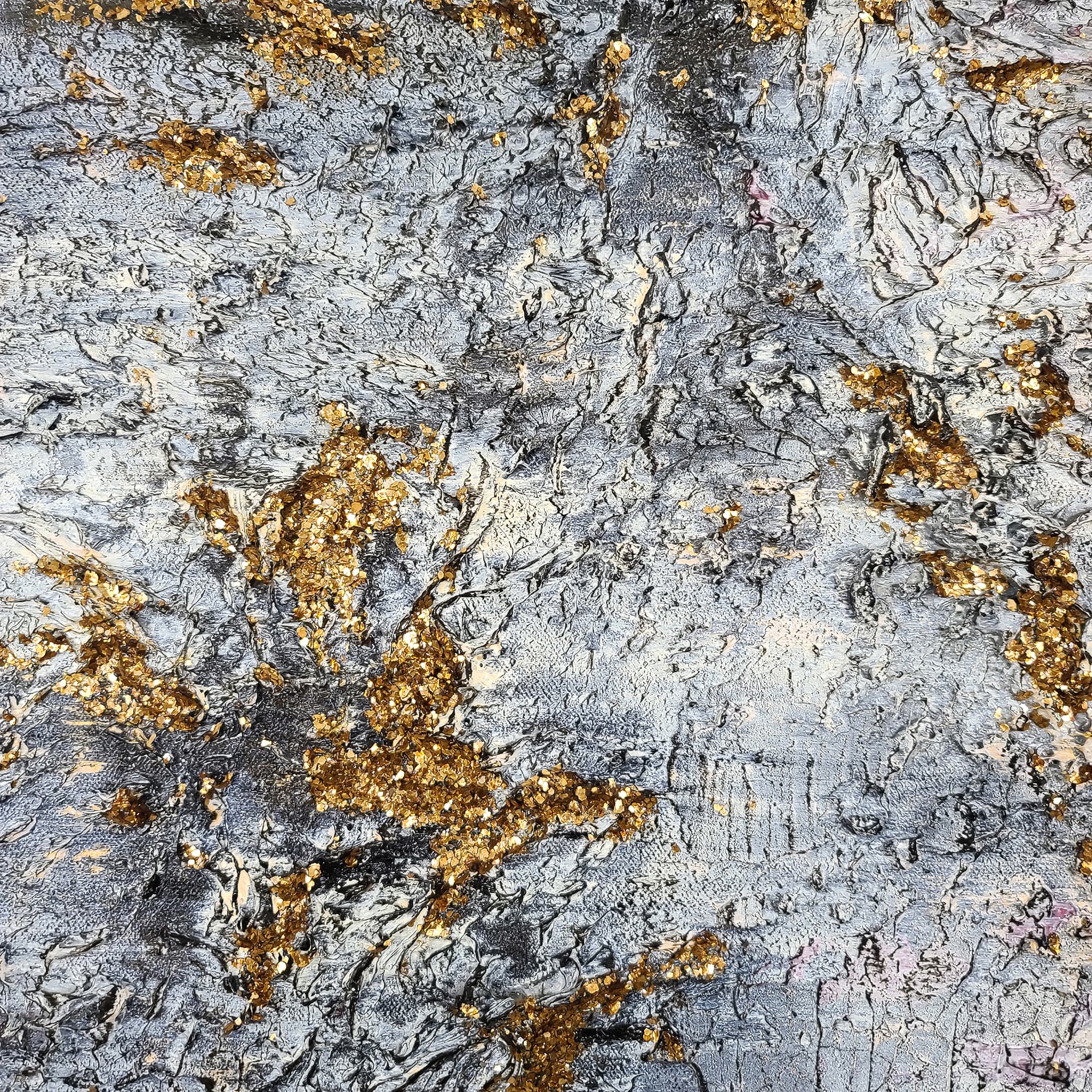
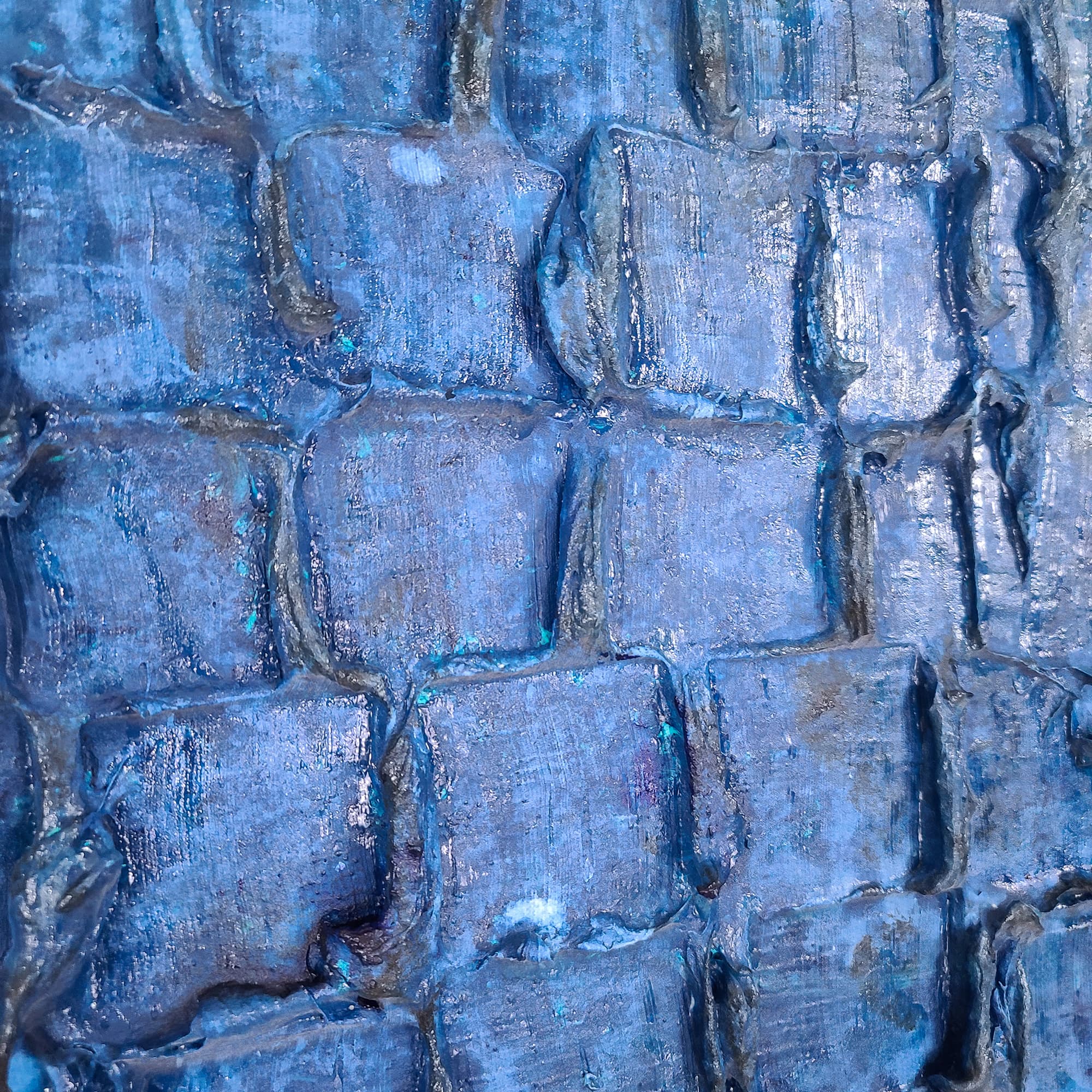
Stardust
48 × 48 in
$2,199
Art
Waterfalls
36 × 24 × 0.5 in
$999
Art
Crimson Tide
36 × 48 × 1.5 in
$2,499
Art
Desert Rose
36 × 36 × 1.5 in
$1,799
Art
Monsoon
30 × 40 × 1.5 in
$1,899
Art
Embers
40 × 30 × 1.5 in
$2,099
Art
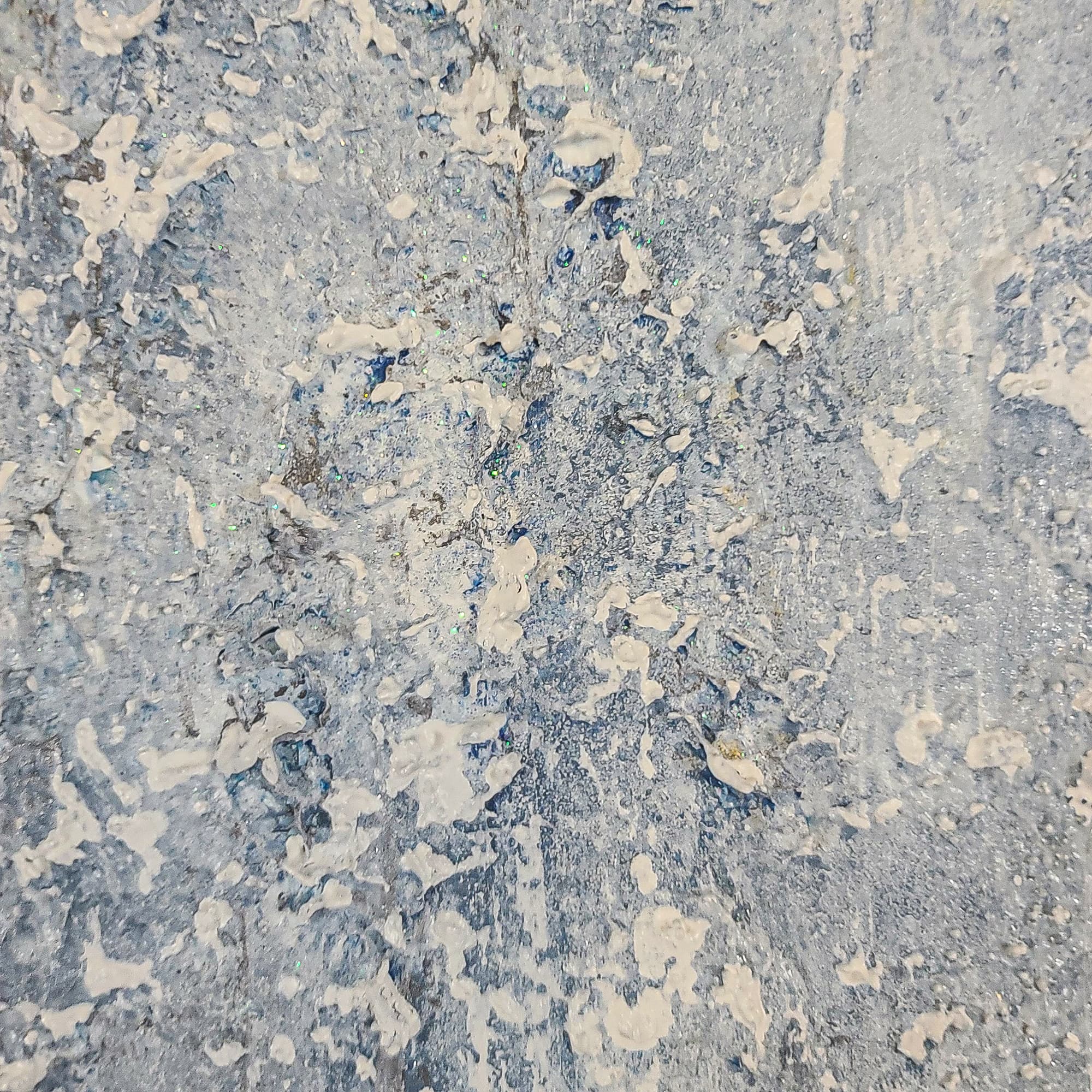
Glacier
48 × 60 × 1.5 in
$2,799
Art
Copper Canyon
36 × 48 × 1.5 in
$1,499
Art
Midnight Garden
48 × 36 × 1.5 in
$2,299
Art
Saffron
30 × 40 × 1.5 in
$1,499
Art
Neon Nights
36 × 36 × 1.5 in
$1,799
Art
Petrified
48 × 36 × 1.5 in
$2,199
Art
Aurora
48 × 60 × 1.5 in
$3,199
Art
Adobe Sunset
24 × 36 × 1.5 in
$1,399
Art
Typhoon
48 × 36 × 1.5 in
$2,599
Art
Coral Reef
36 × 48 × 1.5 in
$1,899
Art
Obsidian
30 × 40 × 1.5 in
$1,599
Art
Wildflower
24 × 36 × 1.5 in
$1,299
Art
Concrete Jungle
48 × 48 × 1.5 in
$2,499
Interactive Tool
See It in Your Kotor Space
Drag and resize any painting onto a virtual wall to see how it transforms your room. Visualize scale, proportion, and presence before you buy.
See It In Your Home
Upload a photo of your wall to see our art in your space
or drag & drop an image here
Select a painting
Bipolar — 48×60″
Visualisation only — colours and scale may vary in person.
Design Insight
Interior Trends in Kotor
The trend toward home offices in Kotor has created a new market for art sized and styled for workspace settings — pieces that inspire creativity and focus without overwhelming the visual field. Calm abstracts and contemplative photographs are particularly sought after.
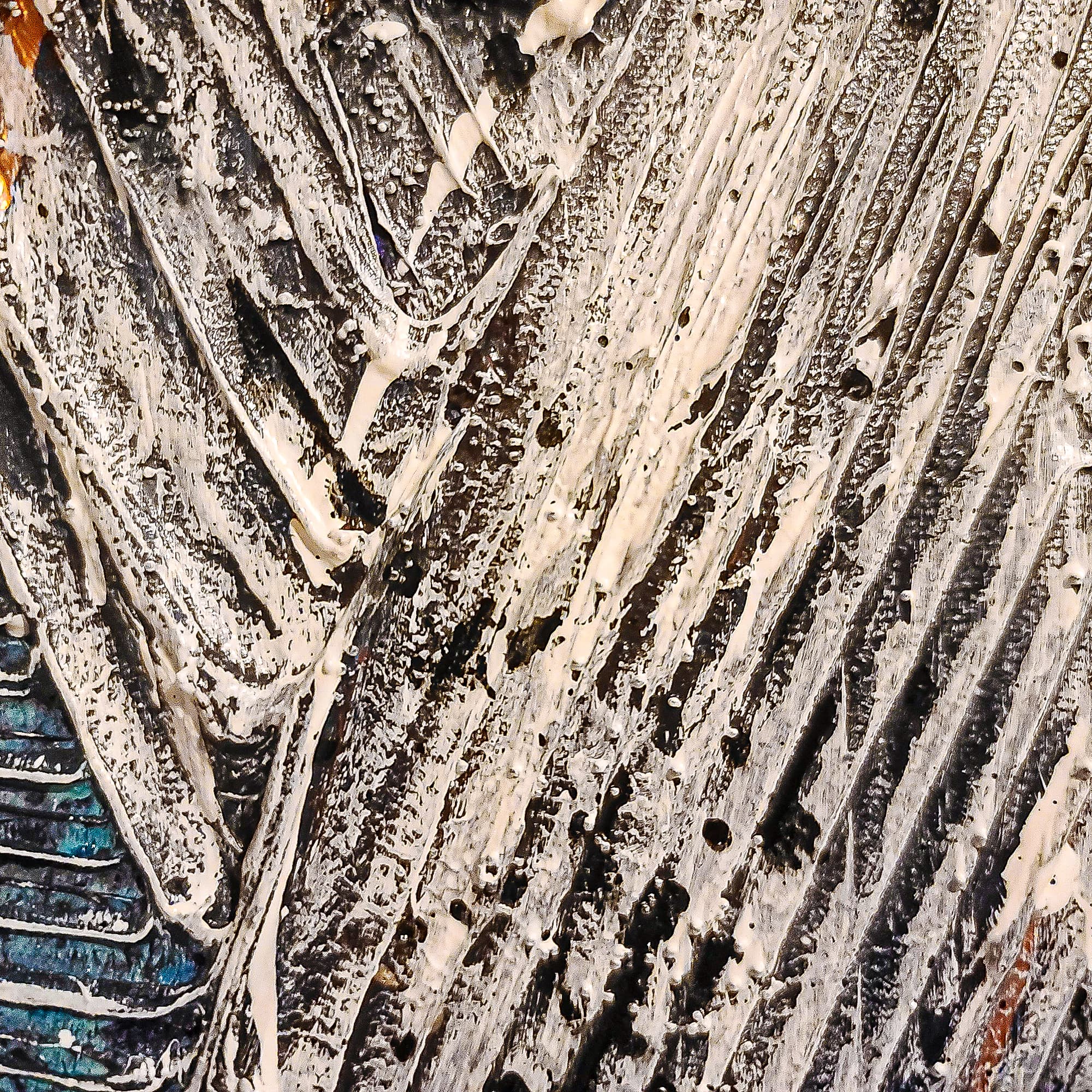
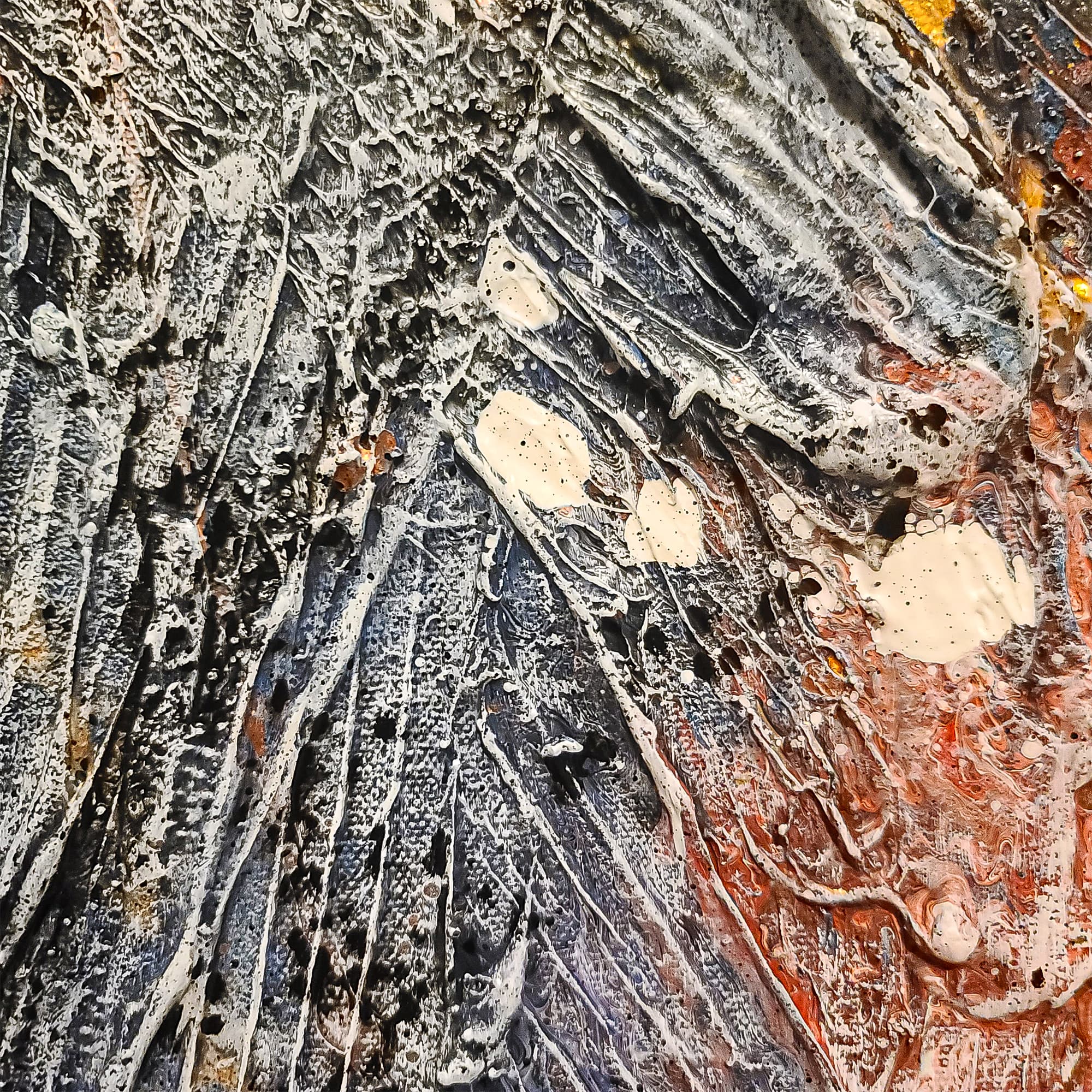
Textured art transforms any interior
Heavy impasto paintings add depth and dimension that prints cannot replicate
Did You Know?
Art Trivia: Kotor
Did you know? Art galleries typically take a 50% commission on sales, which is why buying directly from artists or through online platforms can offer significant savings to collectors in Kotor.
Did you know? The smell of oil paint comes from linseed oil, which is made from flax seeds — the same plant used to make linen canvas.
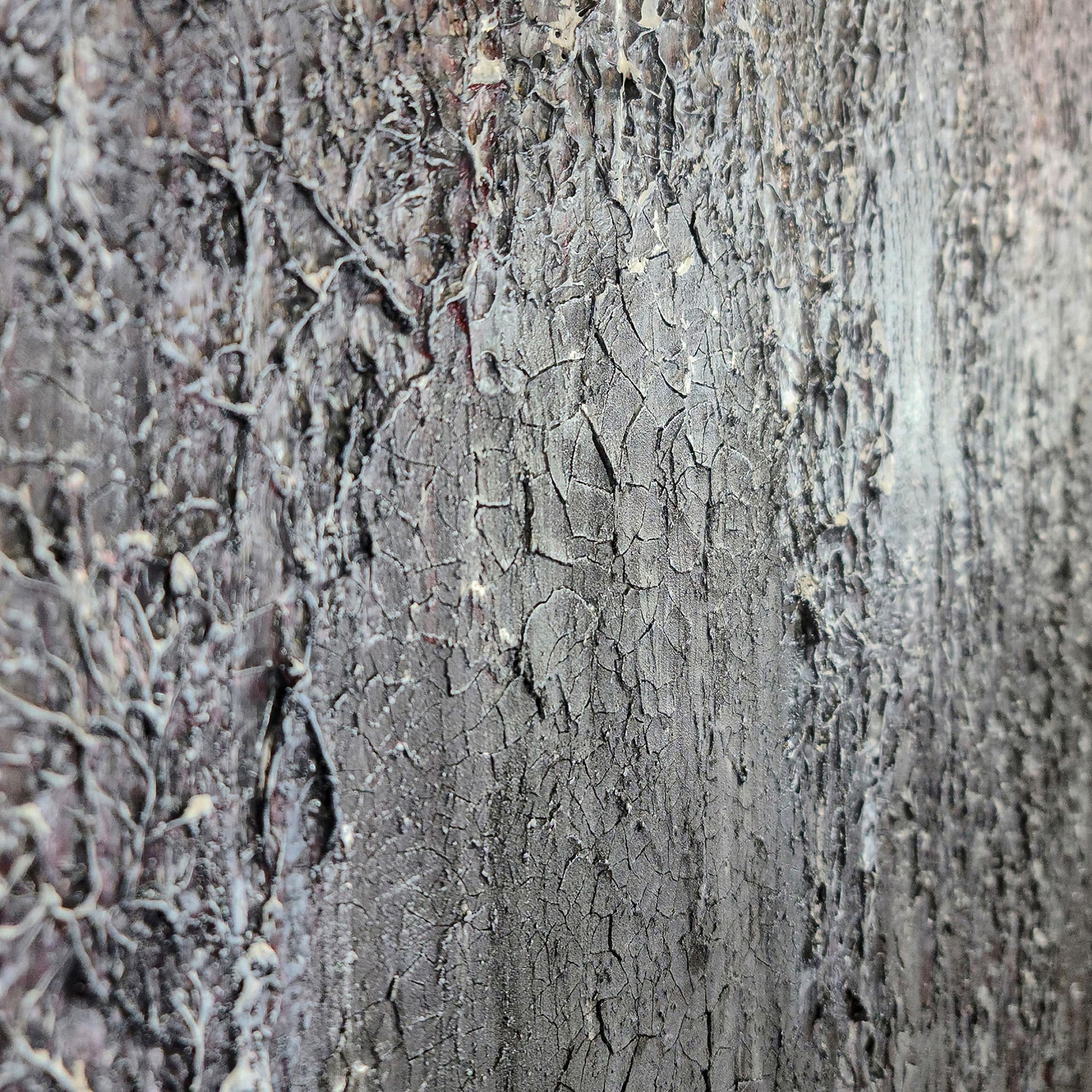
Art that commands the room
An original painting is not just decoration — it's the soul of your space
Collector's Guide
Buying Art in Kotor
Navigating the art market in Kotor is more accessible than most people think. The city's galleries welcome visitors regardless of experience or budget, and many offer payment plans that make original art more attainable. For online buyers in Kotor, choose sellers who specialize in art shipping — standard courier services often lack the care needed for valuable pieces. Ask about custom crating, climate control during transit, and white-glove delivery to your Kotor address. Paying with crypto — Bitcoin, Ethereum, or stablecoins — is fast and secure, and many art platforms now offer it as a standard checkout option.
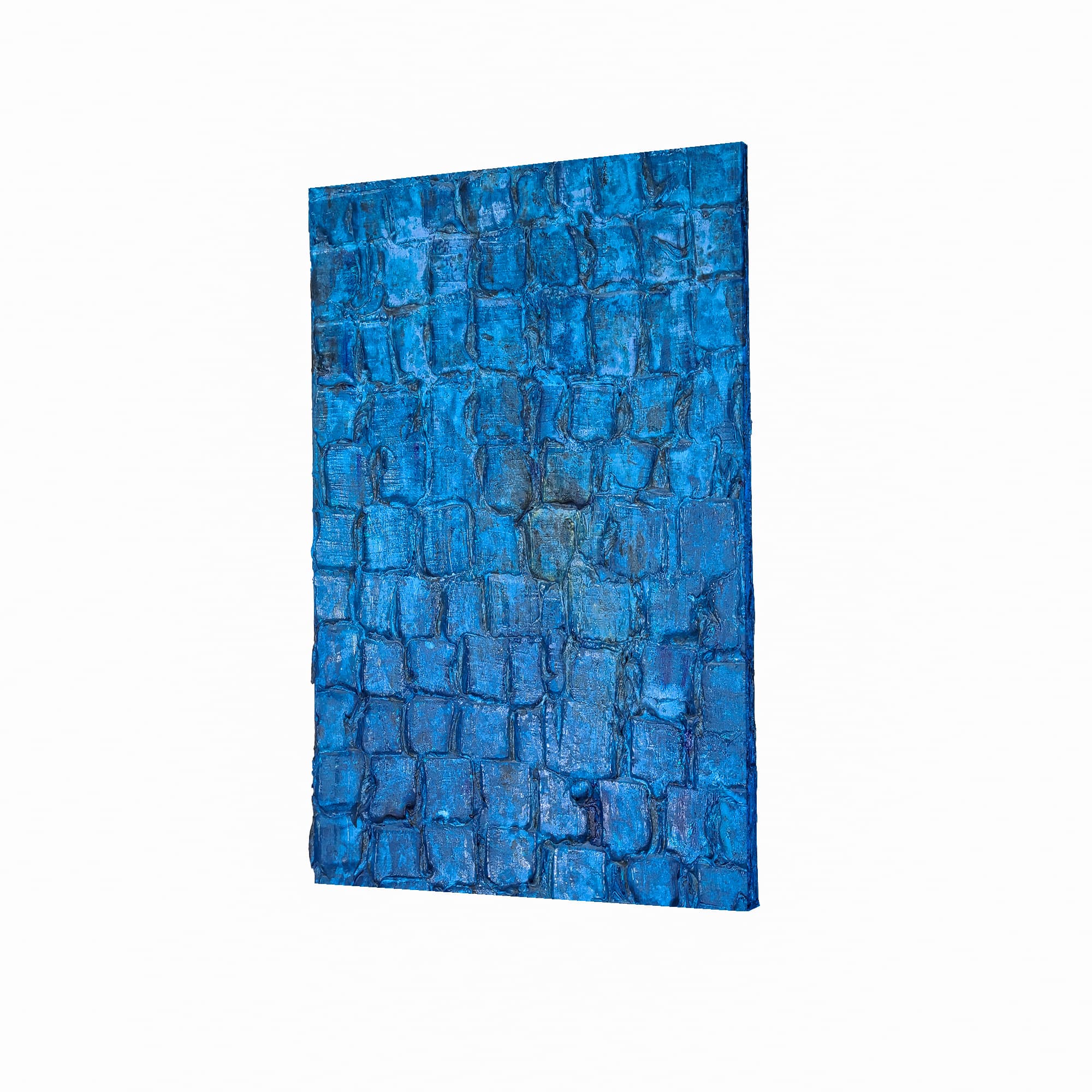
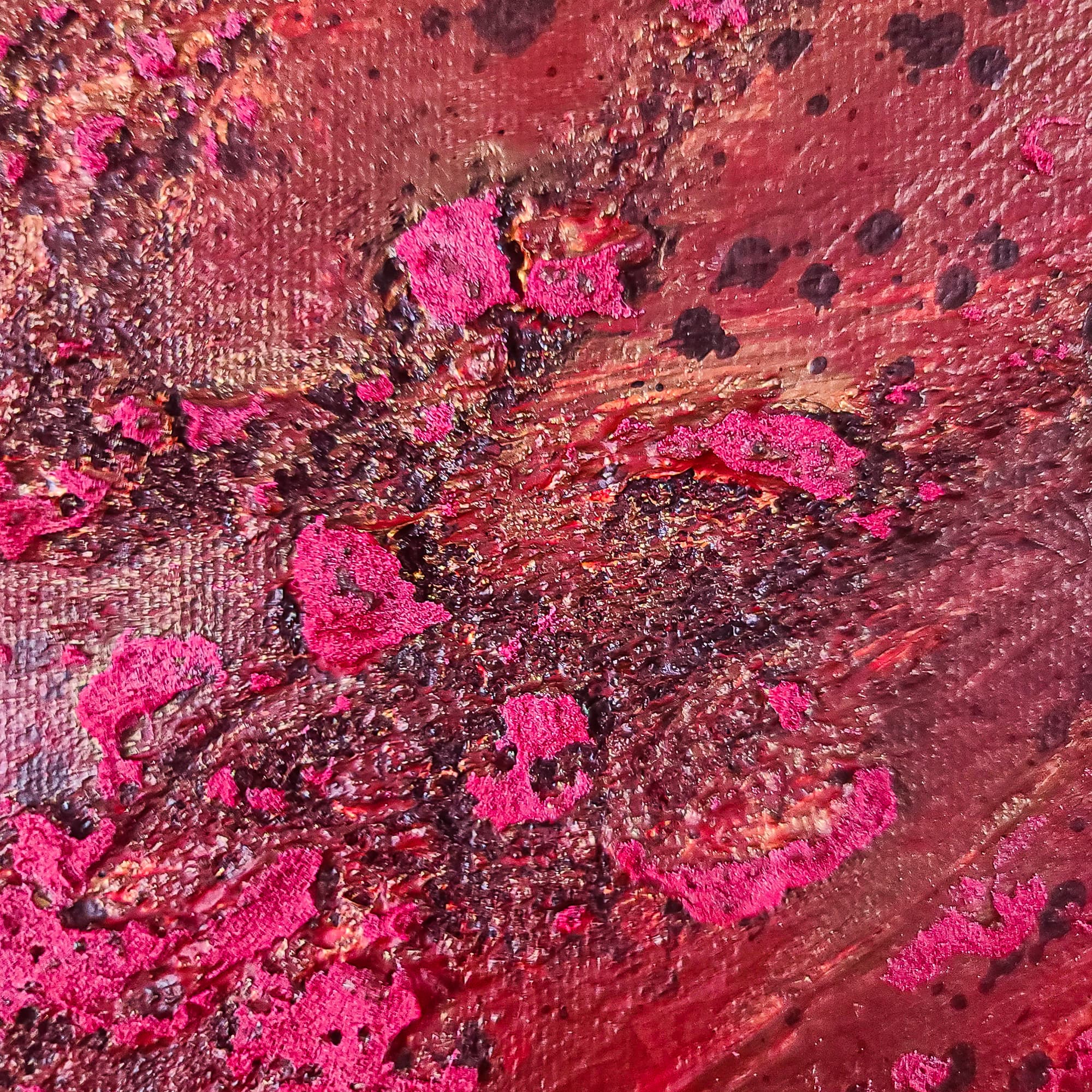
Sculptural impasto texture
Every brushstroke is a physical ridge you can see and feel
Price Range
$999 — $3,499
Original paintings, not prints
Available Paintings
30
Each one of a kind
Shipping to Kotor
7–14 days
Professionally crated & insured
Payment Methods
Pay with Crypto from Kotor
We accept major cryptocurrencies alongside traditional payment methods. Transactions are secure, borderless, and fee-efficient — no matter where you are in Montenegro.
Browse by Category
Find Your Style in Kotor
Frequently Asked Questions
Buying Art in Kotor
How is original art shipped to addresses in Kotor?
We use specialized art logistics companies that handle packing, crating, and delivery with the care your artwork deserves. Pieces are custom-crated with acid-free materials, corner protectors, and climate-resistant wrapping. Shipments to Kotor include full transit insurance and real-time tracking. White-glove delivery — where the courier brings the piece inside and places it in your chosen room — is available for most Kotor addresses.
Can I pay for art with Bitcoin or Ethereum from Kotor?
Yes! We fully support cryptocurrency payments including Bitcoin (BTC), Ethereum (ETH), and stablecoins like USDC. Paying with crypto from Kotor is fast, secure, and increasingly popular among collectors who value the privacy and efficiency of blockchain transactions. The artwork price is locked at the moment of payment, so you're never affected by crypto price fluctuations during checkout.
What size artwork works well in a typical Kotor living room?
For most living rooms in Kotor, we recommend a piece that is 60-80% the width of the furniture it hangs above. Over a sofa, this typically means a work between 36-60 inches wide. In rooms with higher ceilings, don't be afraid to go large — an oversized piece (48x60 inches or larger) can transform a space. We're happy to help you visualize different sizes in your specific room.
Do you offer art consultation for Kotor residents?
Yes, we offer complimentary art consultation for collectors in Kotor. Share photos of your space, your style preferences, and your budget, and our team will curate a selection of works tailored to your needs. We understand that buying art is a personal decision, so our recommendations are suggestions, not sales pitches. Many of our Kotor clients have built their entire collections through our consultation service.
Can I return artwork if it doesn't suit my Kotor space?
We want you to love your art. If a piece doesn't work in your space, we offer a satisfaction guarantee — contact us within 14 days of delivery and we'll arrange a return or exchange. The artwork must be in its original condition and packaging. Return shipping from Kotor is handled by our art logistics partners to ensure safe transit.
Kotor, Montenegro
Ready to Bring Art to Kotor?
Whether you have questions about a specific painting, want help choosing the right piece for your space, or need a custom consultation — we're here. Free shipping within the USA. Worldwide delivery available.