Art as an Asset Class
Most things you buy for your home depreciate immediately. Furniture loses half its value the day you bring it home. Electronics become obsolete within years. Decorative items from chain stores have zero resale value. Original art operates on an entirely different economic logic.
Original paintings are unique physical objects. Unlike stocks or bonds, they cannot be duplicated. Unlike real estate, they require no maintenance, taxes, or insurance (though insurance is recommended). And unlike nearly everything else you own, a good original painting can be worth more a decade from now than it is today.
What Drives Art Value
Scarcity
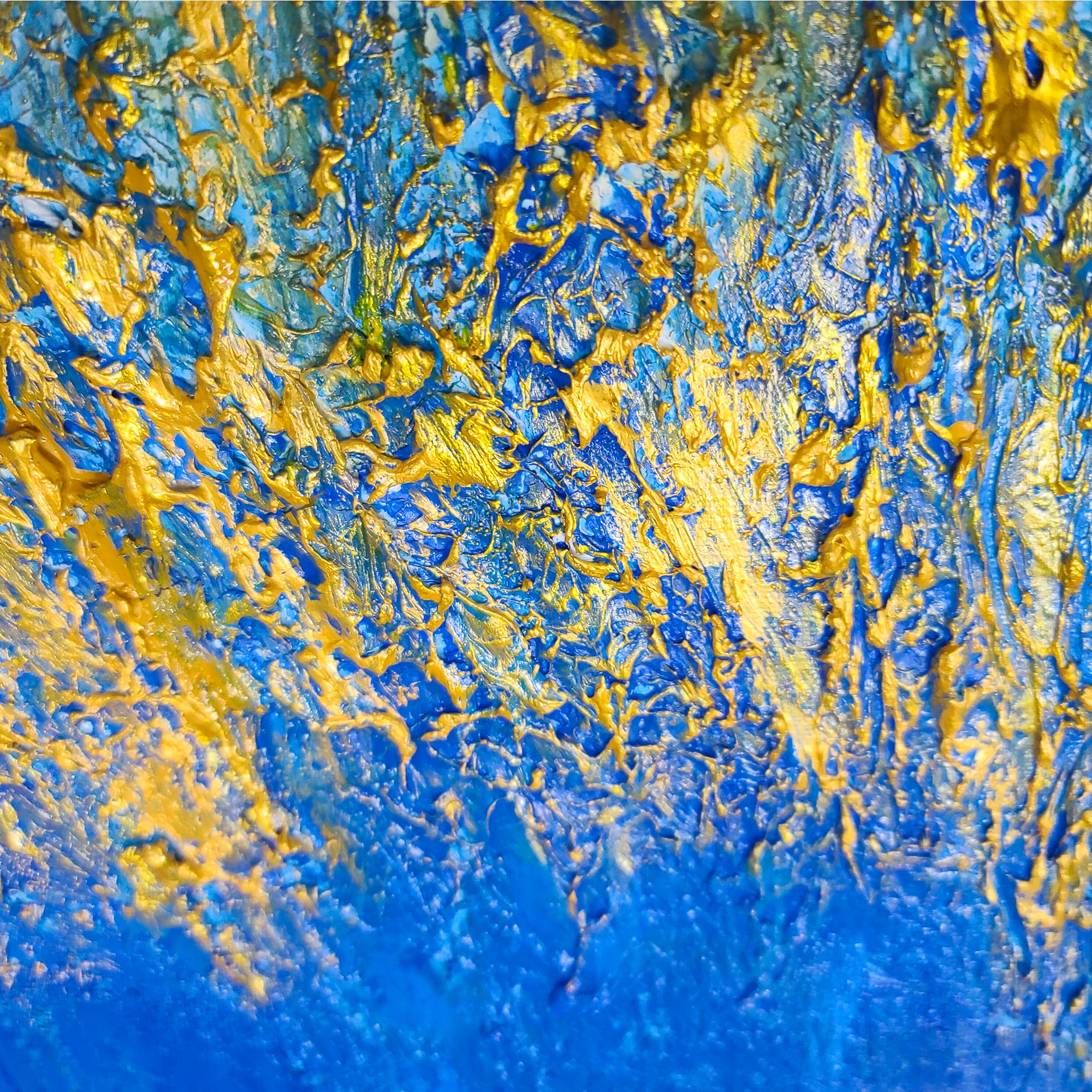
The fundamental driver of art value is scarcity. There is exactly one Maui in the world. Once it is sold, it is gone. This is not artificial scarcity — no one is limiting production of a manufactured good. It is real, absolute scarcity. The artist made one piece, and that piece is the only one that will ever exist.
This scarcity only increases over time. As an artist's career develops, their early works become increasingly sought after. Collectors who bought early find themselves holding pieces that the market values far above the original purchase price.
Provenance and Authenticity
Every original painting comes with provenance — a documented history of ownership and authentication. Lei-Kol includes a signed Certificate of Authenticity with every piece, establishing a chain of documentation that follows the painting throughout its life. This documentation is what separates a verified original from an unverified one, and it directly affects value.
Artist Career Trajectory
An artist's market value is tied to their career. Exhibition history, critical recognition, collector base, and public visibility all contribute to the market price of their work. Buying art from an emerging or mid-career artist is analogous to investing early in a growing company — the entry price is lower, and the upside potential is significant.
Art vs. Traditional Investments
Art should not replace stocks, bonds, or real estate in a diversified portfolio. But it offers something those assets do not: you can live with it. A stock certificate does not make your living room beautiful. A bond does not start conversations with guests. Original art provides daily aesthetic and emotional value while also serving as a store of value.
According to multiple art market reports, original art has historically appreciated at 5 to 10 percent annually over long holding periods. This is comparable to many traditional asset classes — but with the added benefit of being something you look at and enjoy every single day.
What to Look for When Buying Art as an Investment
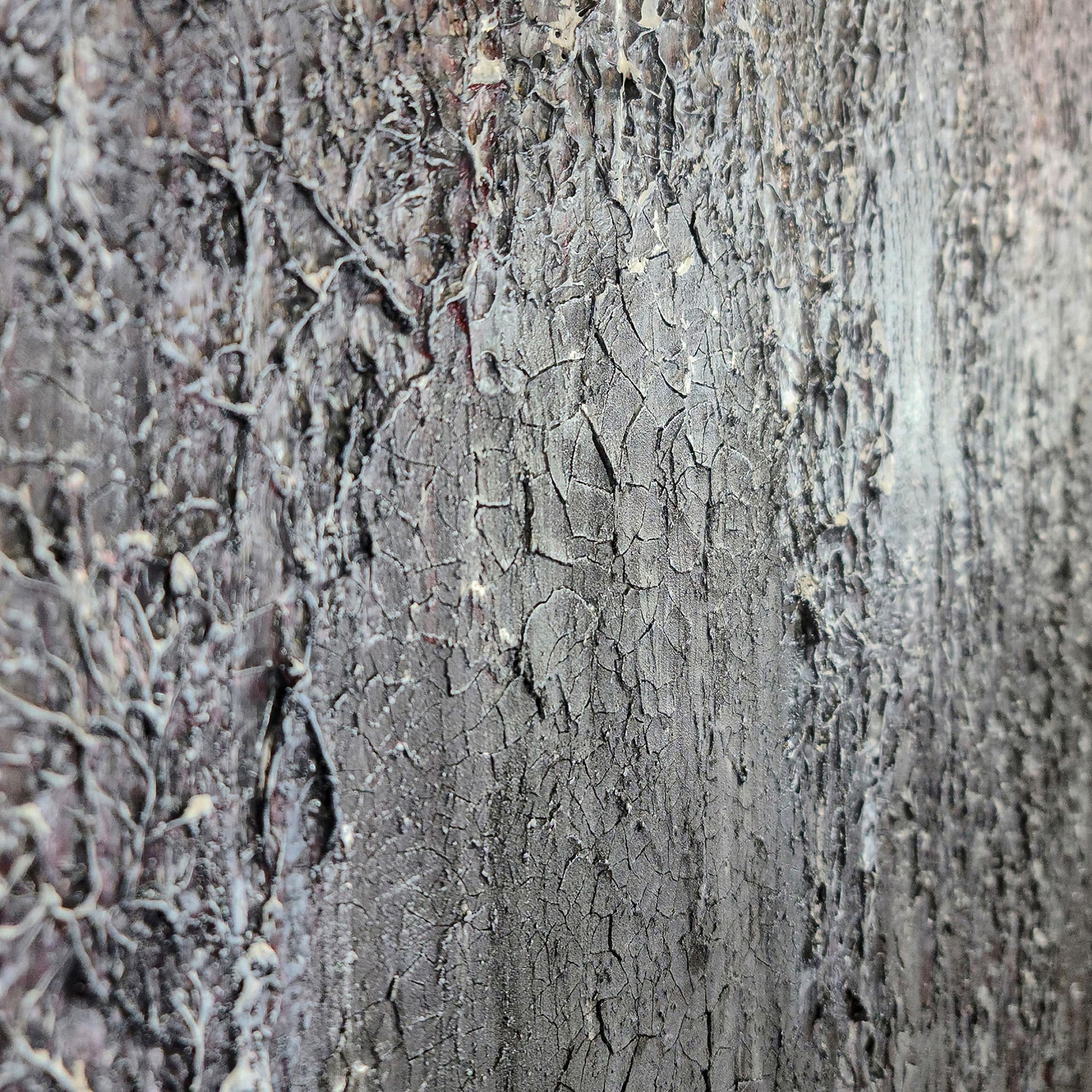
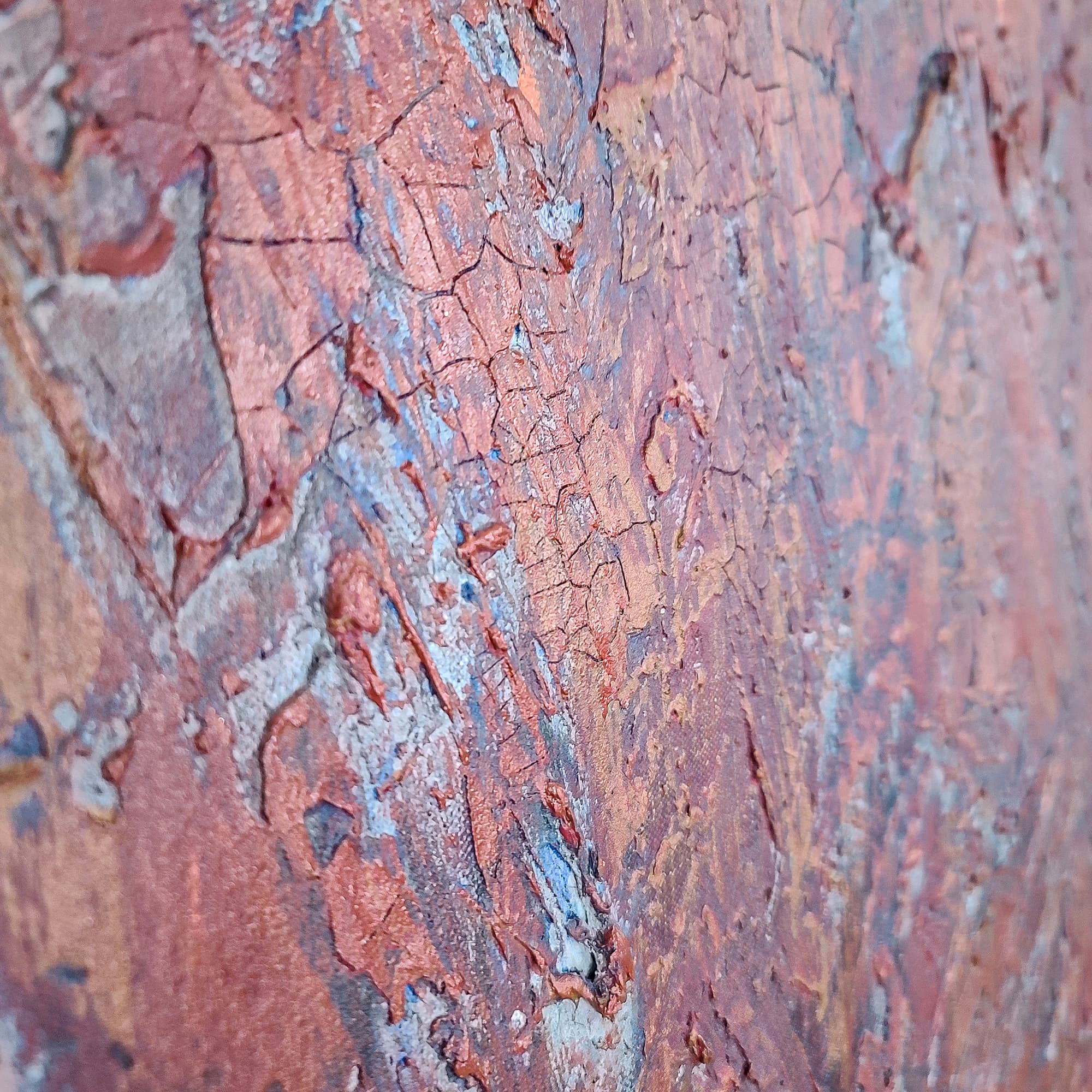
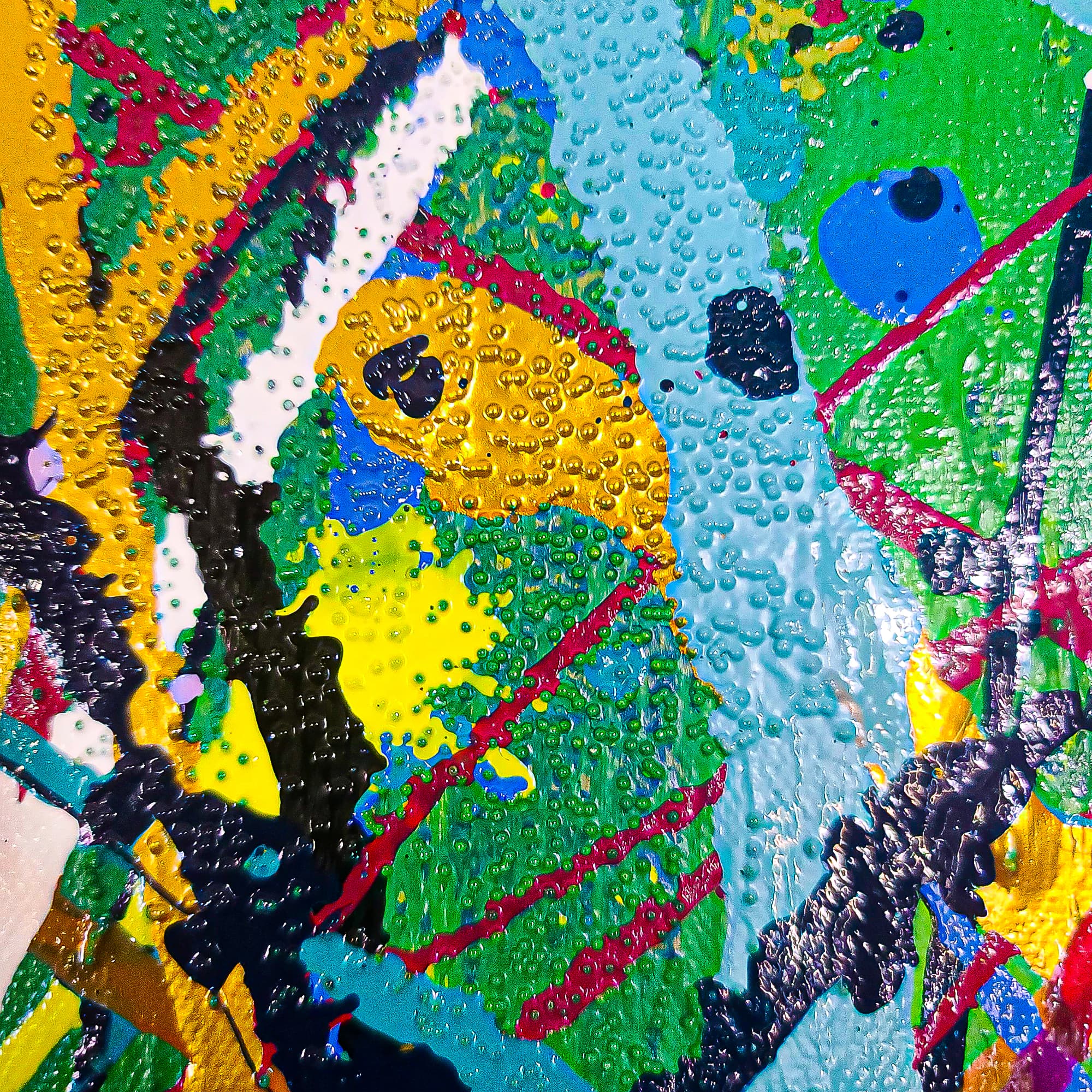
- Originality of technique: Artists with distinctive, recognizable styles tend to hold value better than those working in generic styles. Lei-Kol's heavy texture approach is immediately identifiable.
- Quality of materials: Professional-grade materials (heavy-body acrylics, archival-quality canvas) ensure the physical piece survives decades without degradation.
- Documentation: Certificates of Authenticity, exhibition records, and purchase documentation all support long-term value.
- Condition: Acrylic paintings are extremely durable — they do not crack, yellow, or degrade the way oil paintings can. This makes them a practical choice for long-term holding.
The Real Return
The most compelling reason to buy original art is not financial — it is personal. The daily experience of living with a powerful, one-of-a-kind painting provides a return on investment that no financial statement can capture. That said, there is genuine comfort in knowing that the beautiful thing on your wall is also a tangible asset that holds real value.
Explore the Lei-Kol collection to find a piece that speaks to both your aesthetic sensibility and your long-term thinking. Every painting is a one-of-a-kind original with full documentation. Contact Lei-Kol to discuss any piece in detail.
Tags