Why Lighting Changes Everything
A painting in poor light is like a song played through a phone speaker — technically present but missing most of what makes it special. Proper lighting reveals color depth, enhances texture, and creates the visual hierarchy that makes a painting the room's focal point. This is especially true for textured paintings, where light interaction with the physical surface is a core part of the artwork's character.
Three Types of Art Lighting
Picture lights mount directly above the painting and cast a focused downward beam. They are the classic gallery solution: elegant, effective, and relatively simple to install. Choose a picture light that spans about two-thirds of the painting's width for even coverage.
Track lighting offers more flexibility. Adjustable heads can be aimed precisely at the painting from the ceiling, and you can reposition them if you rearrange art. Use a 30-degree beam angle for optimal coverage without harsh hotspots.
Natural light is free and beautiful but requires care. Indirect natural light (north-facing windows, or bounced light from other surfaces) is ideal. Avoid direct sunlight, which can cause UV fading over time — though acrylic paintings are far more lightfast than watercolors or works on paper.
The 30-Degree Rule
Whether using track lighting or a picture light, aim the light source at approximately 30 degrees from vertical. This angle illuminates the painting's surface evenly while creating the subtle shadows across textured surfaces that reveal depth. Too steep an angle creates glare; too shallow an angle casts the frame's shadow across the canvas.
Color Temperature Matters
Art lighting should match the mood you want to create. Warm white (2700K-3000K) enhances warm-toned paintings and creates a gallery-like intimacy. Neutral white (3500K-4000K) provides accurate color rendering for pieces where color fidelity matters. Avoid cool white (5000K+) for art lighting — it can make paintings look clinical and wash out warm tones.
Lighting Textured Paintings
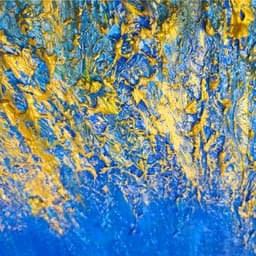
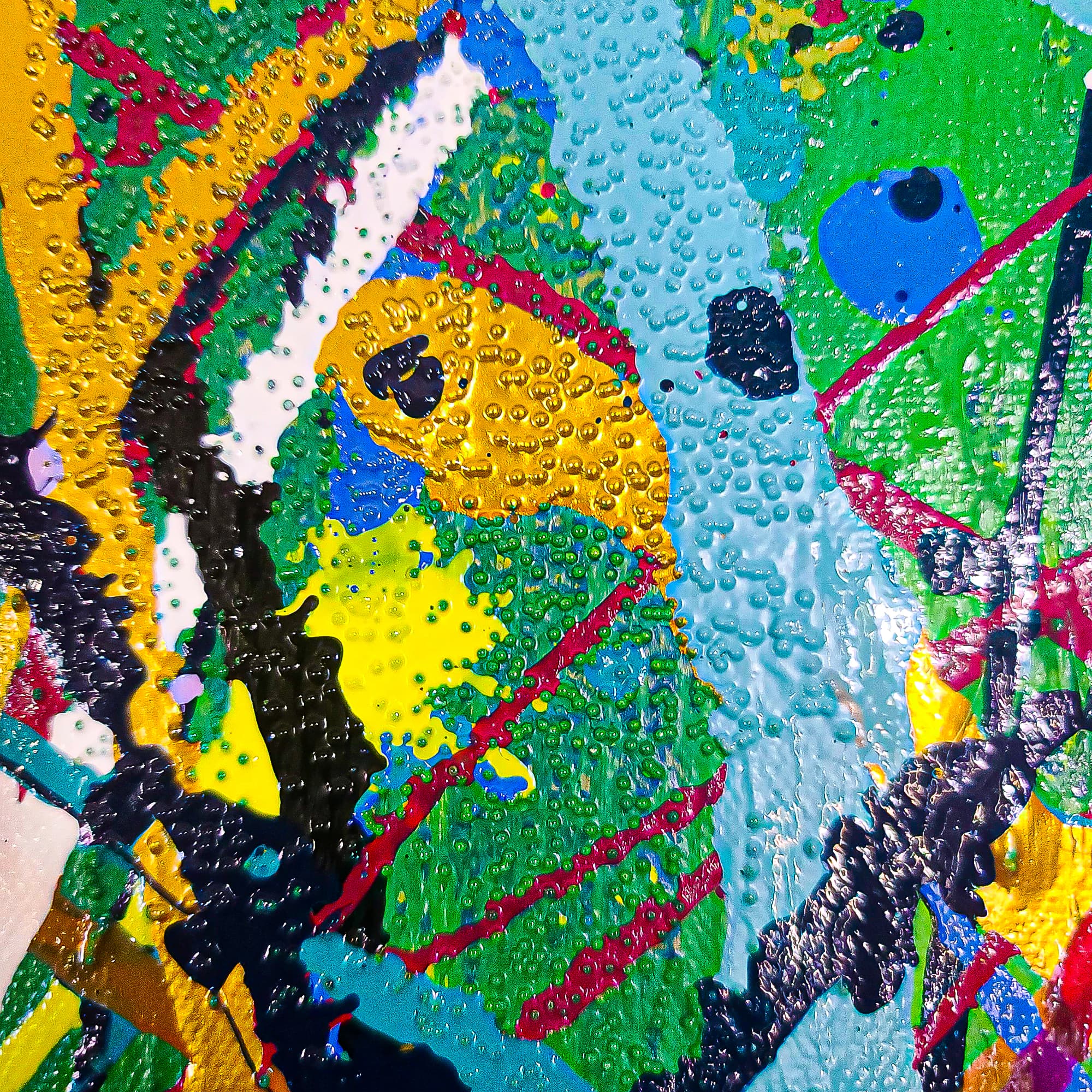
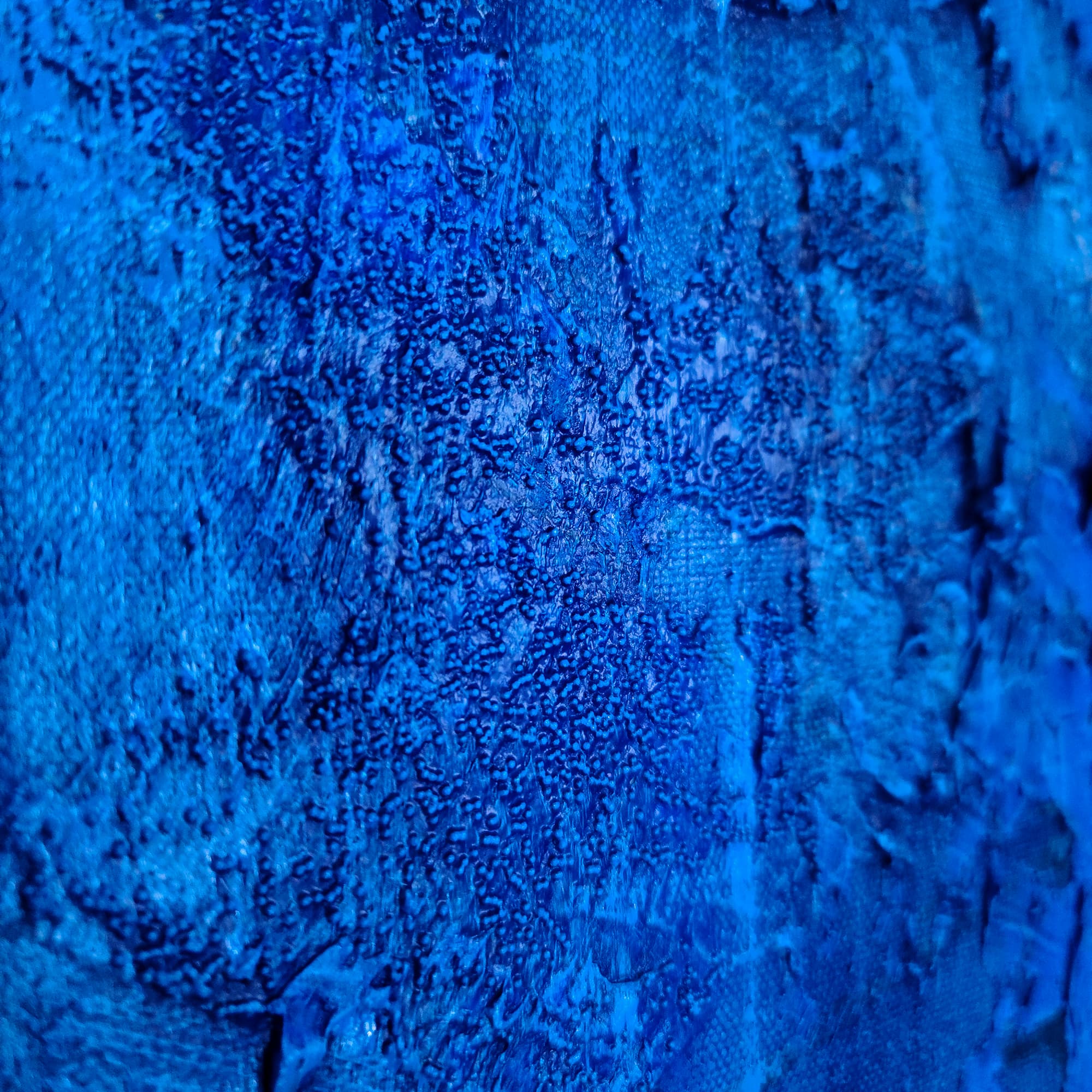
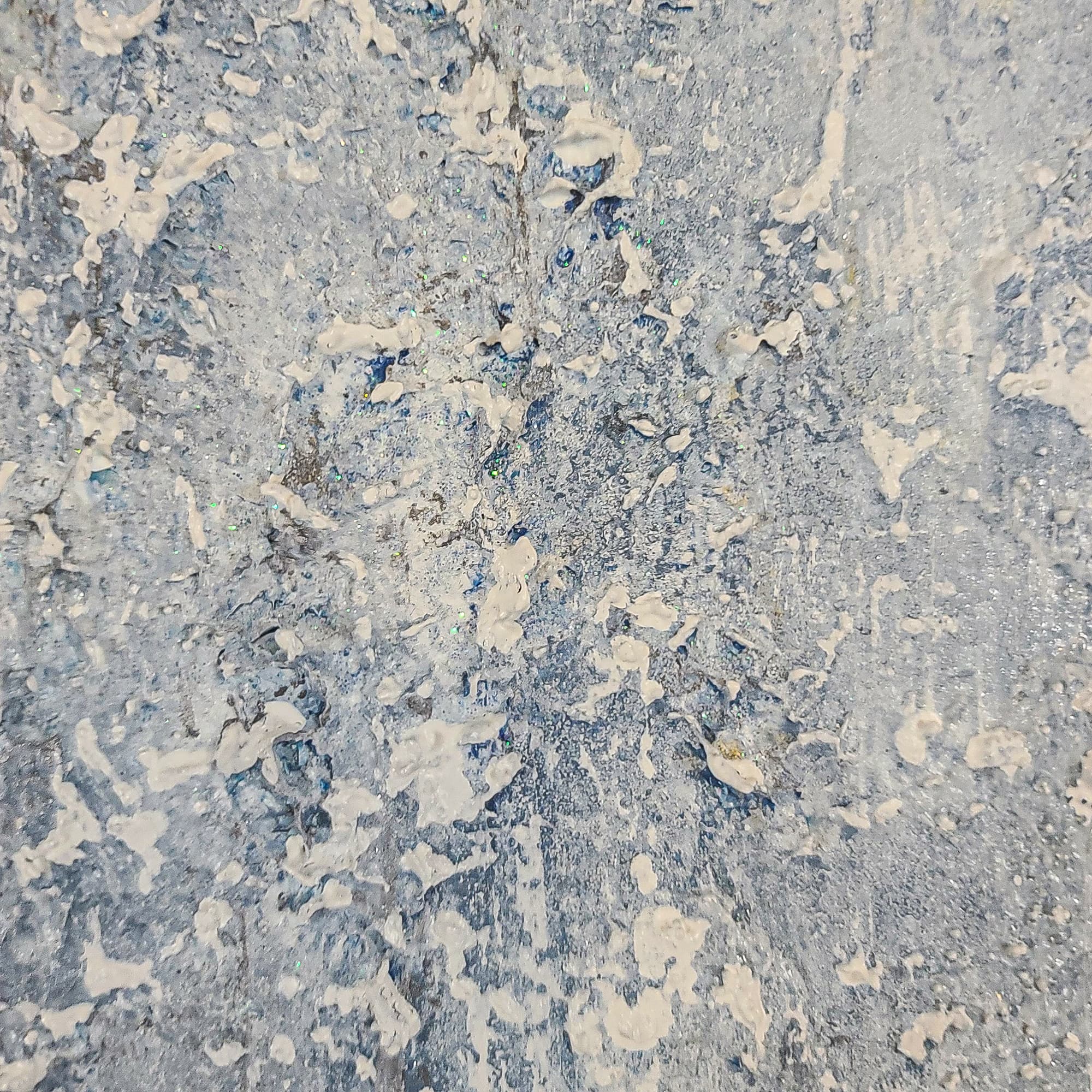
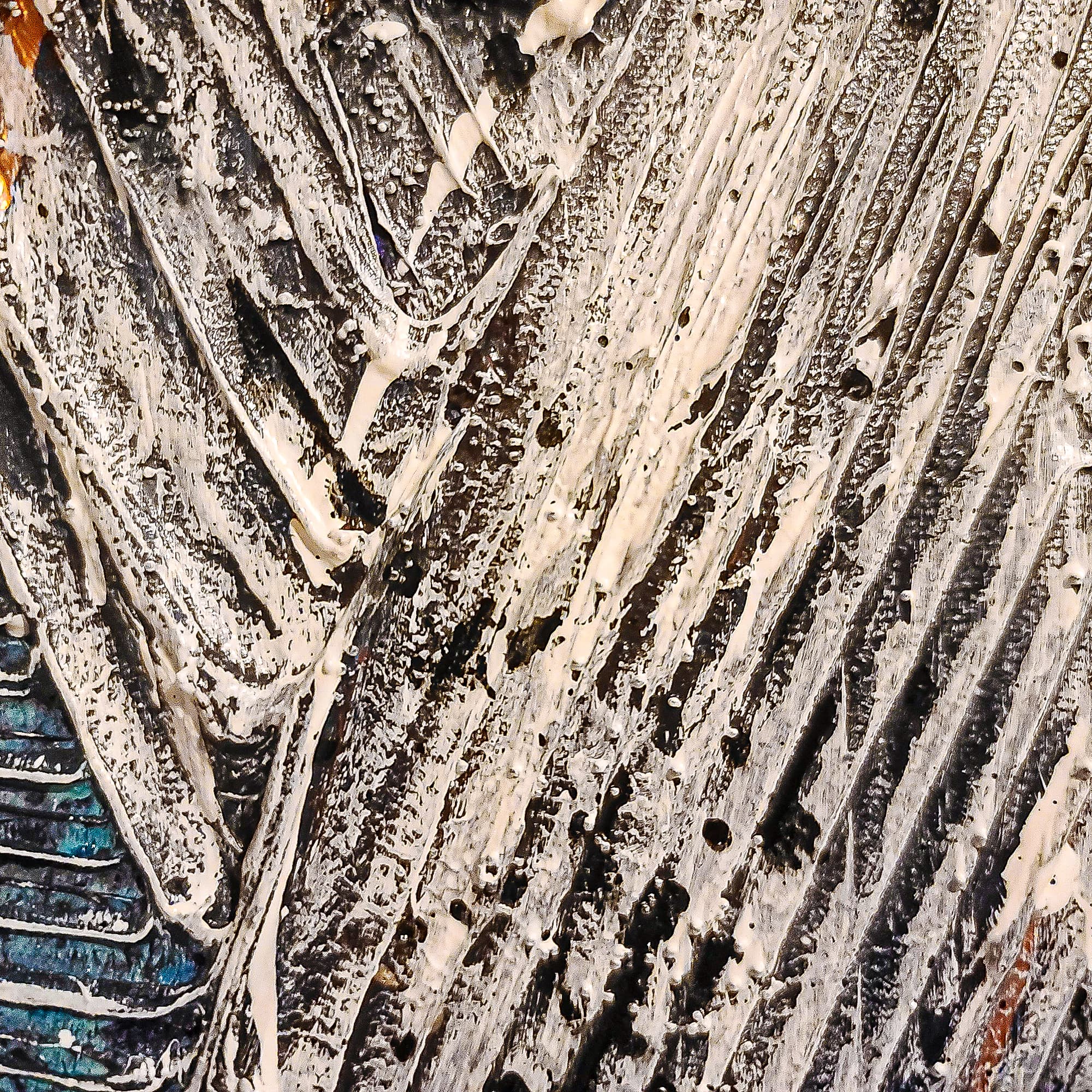
Textured paintings like those in the Lei-Kol collection respond dramatically to directional lighting. The impasto surface creates micro-shadows that shift as the light angle changes. Experiment with your light position: moving a track light even a few inches can dramatically alter how the texture reads. The goal is to find the angle where the texture is most visible without creating distracting hotspots on raised paint peaks.
Quick Setup Guide
Start with what you have. A simple clamp-on picture light (available for under $50) instantly upgrades any painting's presentation. Position it centered above the frame, aim it at 30 degrees, and use a warm-white LED bulb. The difference will be immediate and dramatic. For a more permanent solution, consider hardwired picture lights or ceiling-mounted track lighting. Contact us if you want personalized lighting advice for a specific painting and room.
Tags