Color Is Emotional Infrastructure
When you hang a painting on your wall, you are not just adding a visual element — you are introducing an emotional frequency into the room. Color psychology is not pseudoscience. Decades of research confirm that colors affect mood, behavior, and even physiological responses like heart rate and blood pressure. The colors in your art become the emotional backdrop of your daily life.
The Warm Spectrum: Energy and Vitality
Reds and Deep Oranges
Red is the most physiologically stimulating color. It raises heart rate and creates a sense of urgency, passion, and intensity. In a painting, deep reds bring warmth and drama to a space. A piece like Blood Moon, with its volcanic reds and blacks, creates an atmosphere of primal energy — ideal for spaces where you want to feel alert and engaged, like living rooms and dining areas.
Golds and Warm Yellows
Gold tones evoke luxury, warmth, and optimism without the intensity of red. They create spaces that feel welcoming and elevated. Maui, with its molten gold pigments, brings a warmth to any room that feels both grounding and uplifting — the visual equivalent of late-afternoon sunlight.
Pinks and Warm Pastels
Softer warm tones create feelings of comfort, playfulness, and sweetness. Cheesecake, with its layers of pink, cream, and strawberry red, brings a genuinely joyful energy to bedrooms, kitchens, and dining areas. Warm pastels are calming without being cold — they wrap a room in comfort.
The Cool Spectrum: Calm and Contemplation
Blues
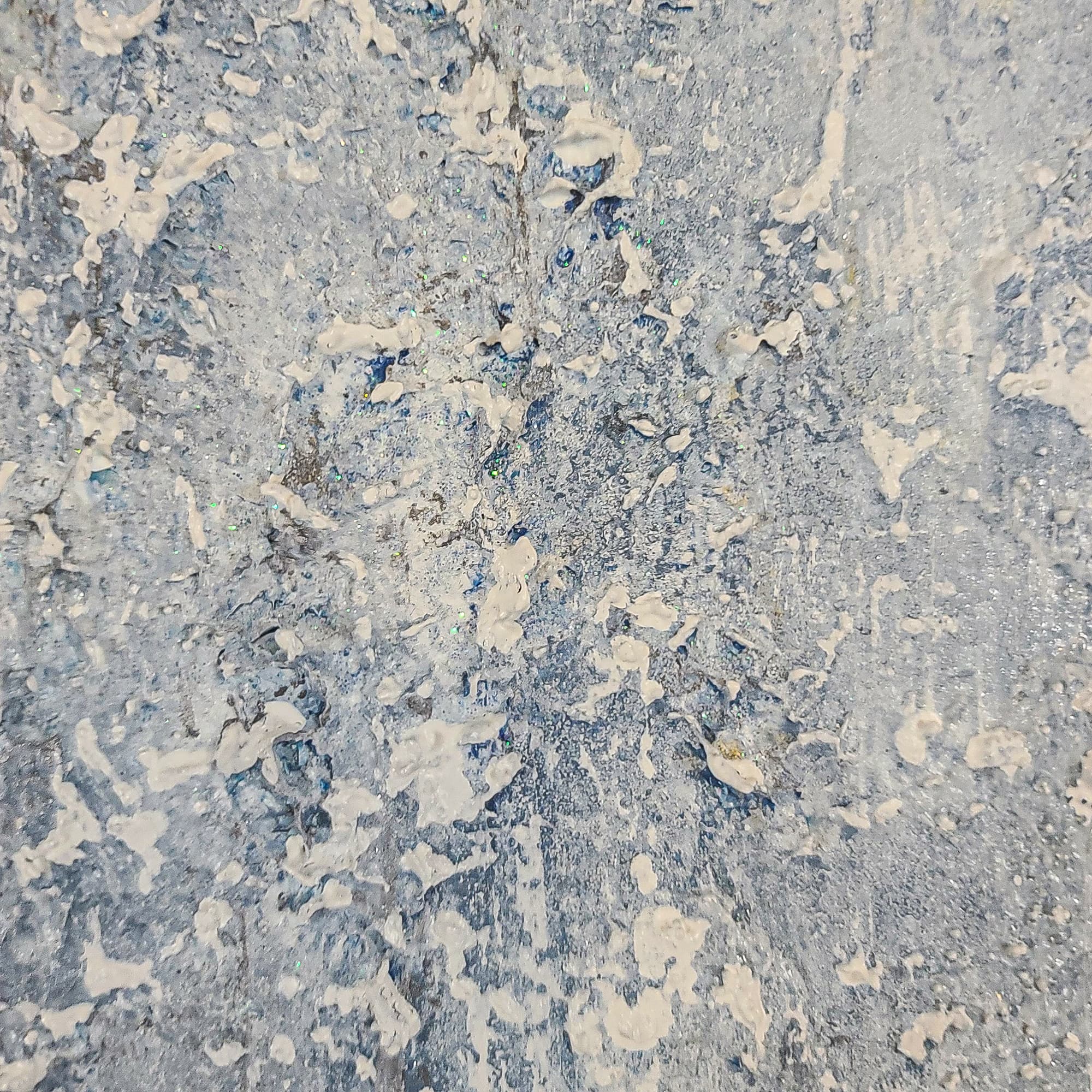
Blue is the most universally calming color. It lowers blood pressure, slows heart rate, and creates a sense of spaciousness and peace. Ocean-inspired blues are particularly effective in bedrooms, bathrooms, and meditation spaces. Waterfalls, with its layered horizontal blues inspired by Hawaiian waterfalls, is designed to create exactly this kind of serene atmosphere.
Riptide offers a more dynamic take on blue — the turbulent blues and greens create energy within the calming spectrum, suitable for spaces where you want calm alertness rather than sleepiness.
Greens
Green is the color the human eye processes most easily — it requires no adjustment from the eye's resting state. This makes green the most restful color to look at for extended periods. Paintings with green undertones are excellent choices for home offices, reading rooms, and any space where visual comfort matters.
The Neutral Spectrum: Sophistication and Depth
Black and White
High-contrast black and white creates drama without introducing color bias. It works in any color scheme and any design style. Bipolar uses this contrast to create emotional depth — the extremes of light and dark mirroring the extremes of human experience. Black and white art feels sophisticated and timeless in any room.
Grays
Gray is the most versatile neutral — it adapts to whatever surrounds it, taking on cool or warm undertones depending on the lighting and adjacent colors. Gray Day demonstrates how a painting in an entirely gray palette can still be visually rich and emotionally engaging when the texture and tonal variation are sufficiently complex.
Multicolor: Complexity and Expression
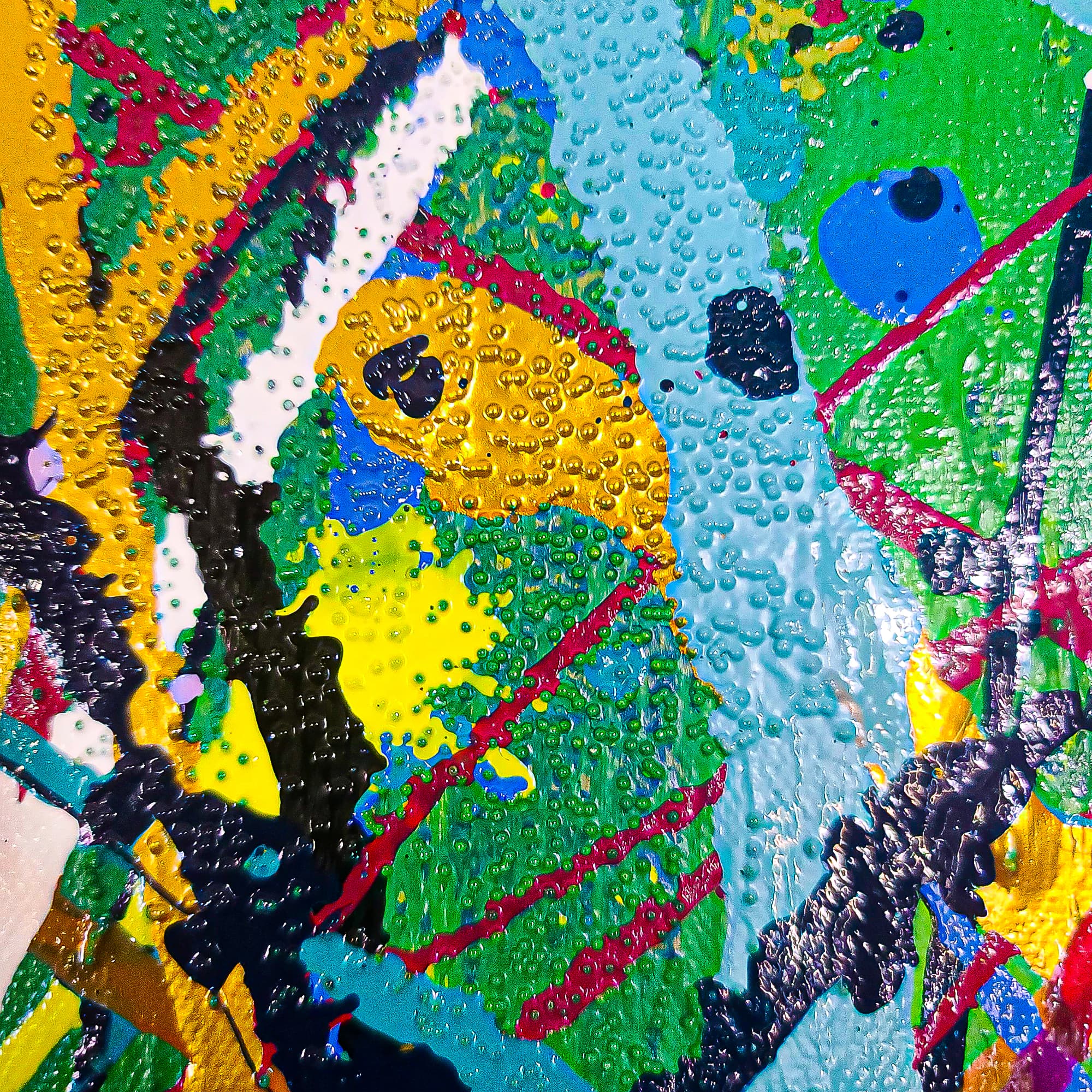
Paintings with full-spectrum color — like Mushrooms or Dominion — create atmospheres of energy, creativity, and boldness. They work well in spaces designed for social interaction, creative work, or anywhere you want to feel stimulated and inspired. The variety of colors prevents any single emotional note from dominating, creating a complex mood that keeps the room interesting.
Choosing with Intention
Before selecting art for a room, ask yourself: how do I want to feel in this space? Then choose colors that support that intention:
- Energized and passionate: Warm reds, golds, and oranges
- Calm and centered: Blues and cool greens
- Sophisticated and grounded: Black, white, and gray
- Creative and stimulated: Multicolor and high-contrast
- Warm and comforted: Pinks, creams, and soft warm tones
Browse the Lei-Kol collection with this framework in mind, and you will find the piece that creates exactly the atmosphere your space needs.
Tags