The Small-Art Myth
The most common mistake in small-space decorating is choosing small art. It seems logical — small room, small art. But it produces the opposite of the intended effect. A tiny painting on a wall makes the wall look bigger by comparison, emphasizing the room's compact dimensions rather than transcending them. A single large painting does the opposite: it fills the visual field, creating a sense of expansiveness that makes the room feel intentional rather than cramped.
One Large Piece vs. Many Small Ones
In a small room, a single large painting is almost always more effective than a gallery wall of small pieces. Multiple small frames create visual fragmentation that makes compact spaces feel busy and cluttered. One confident piece creates a focal point that organizes the room and gives the eye a clear destination. Choose one wall as your feature wall and commit to it with the largest painting the space can accommodate.
Color Strategy for Small Rooms
For small rooms with limited natural light, art with warm tones (golds, ambers, soft oranges) adds visual warmth without physically brightening the space. For small rooms that feel too warm or close, cool-toned art (blues, greens, grays) creates a sense of depth and distance. High-contrast art works well in small spaces because it draws the eye with enough visual intensity to make the painting — not the room's boundaries — the dominant visual element.
Placement in Compact Spaces
In small rooms, hanging art at standard gallery height (57-60 inches center) works perfectly. Avoid hanging art too high — this is a common mistake that makes small rooms feel cavernous at the top and cramped at eye level. If your small space has a dominant piece of furniture (a bed, a sofa), center the painting above it to create an anchor point that grounds the entire room.
Texture in Small Spaces
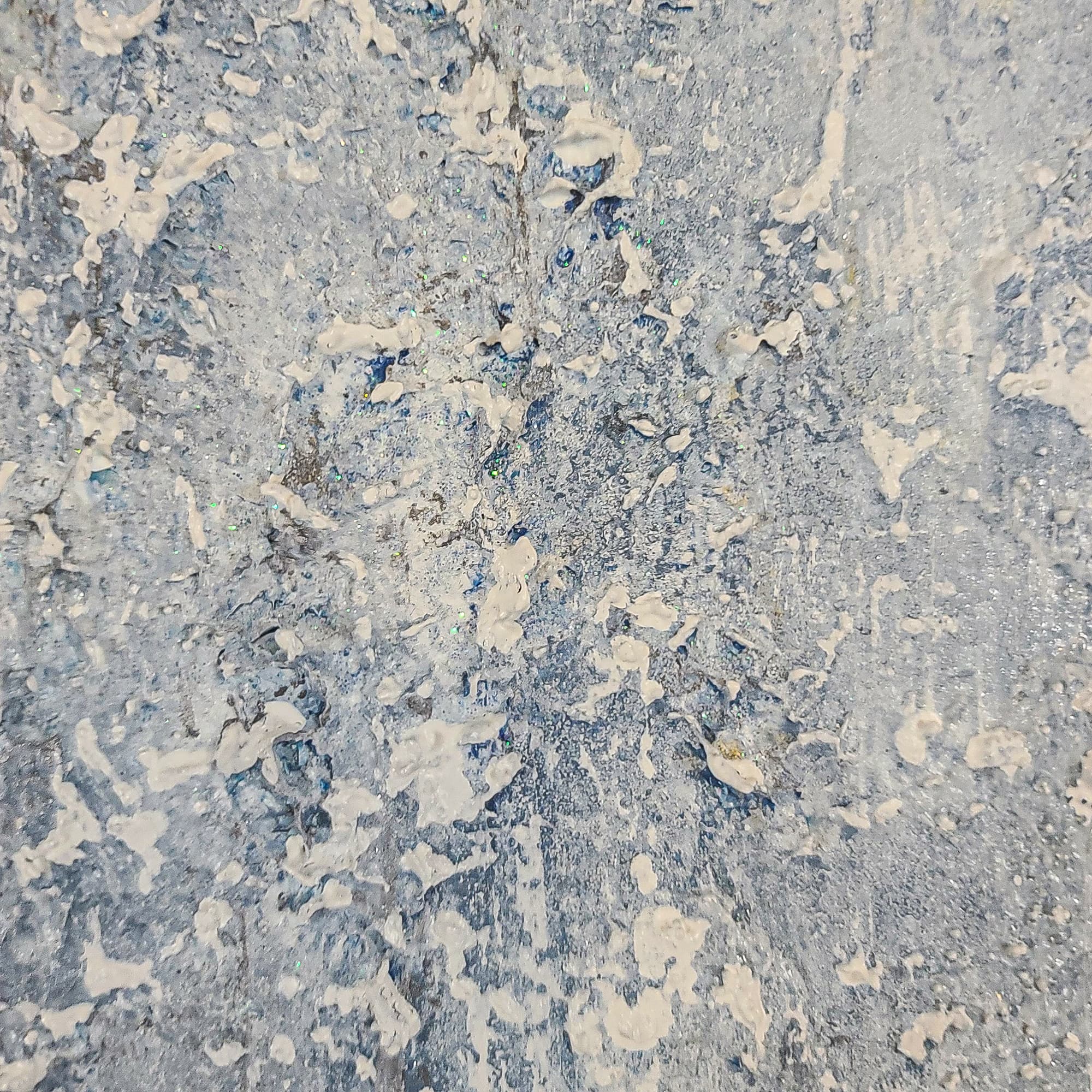
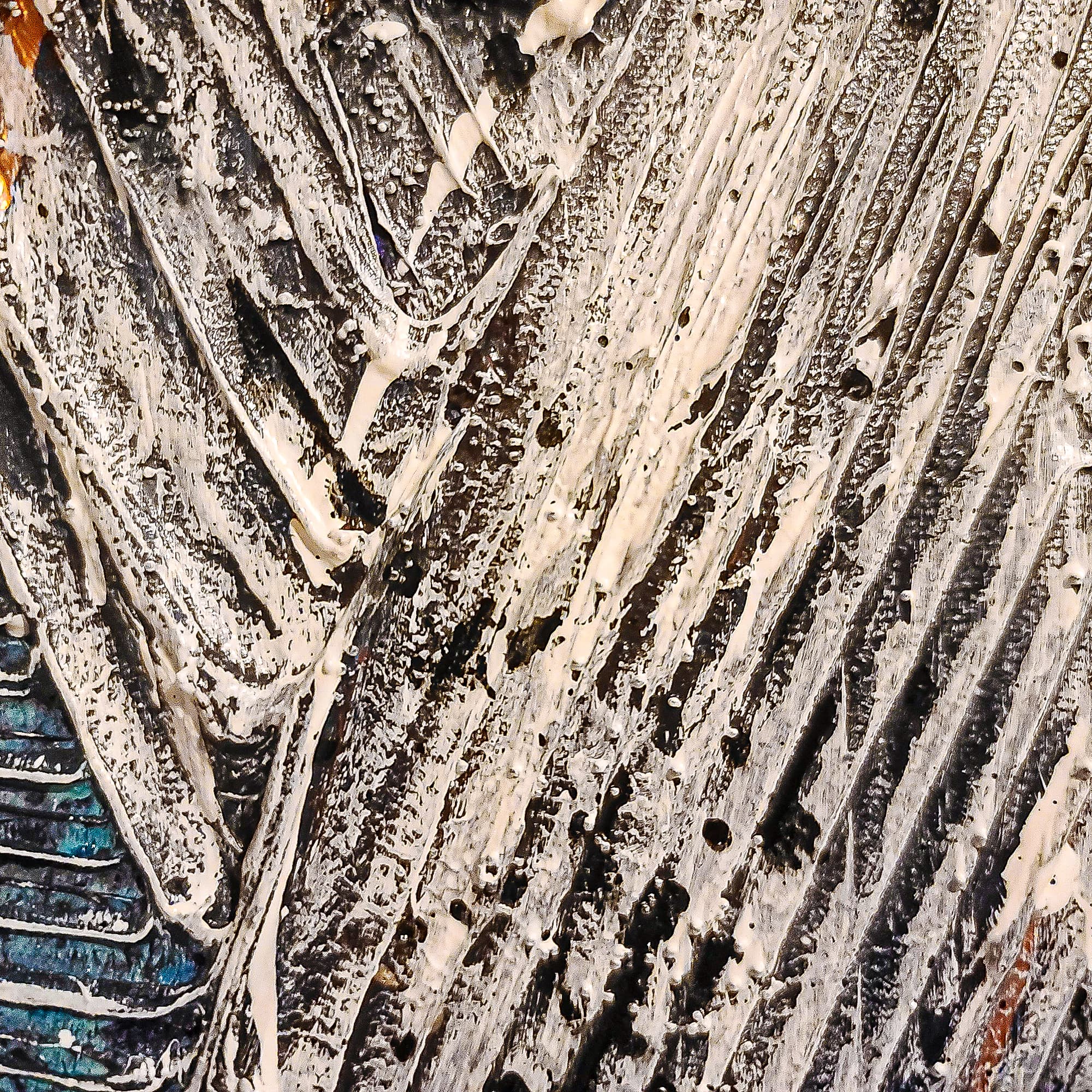
Textured paintings are particularly effective in small rooms because they add depth to the wall plane itself. The physical surface of an impasto painting projects outward from the wall, creating a micro-layer of three-dimensionality that flat art cannot achieve. This added depth makes the wall feel less like a flat boundary and more like an interactive surface. Browse our collection to find pieces that bring dimensional depth to any space — contact us for sizing advice specific to your room.
Tags