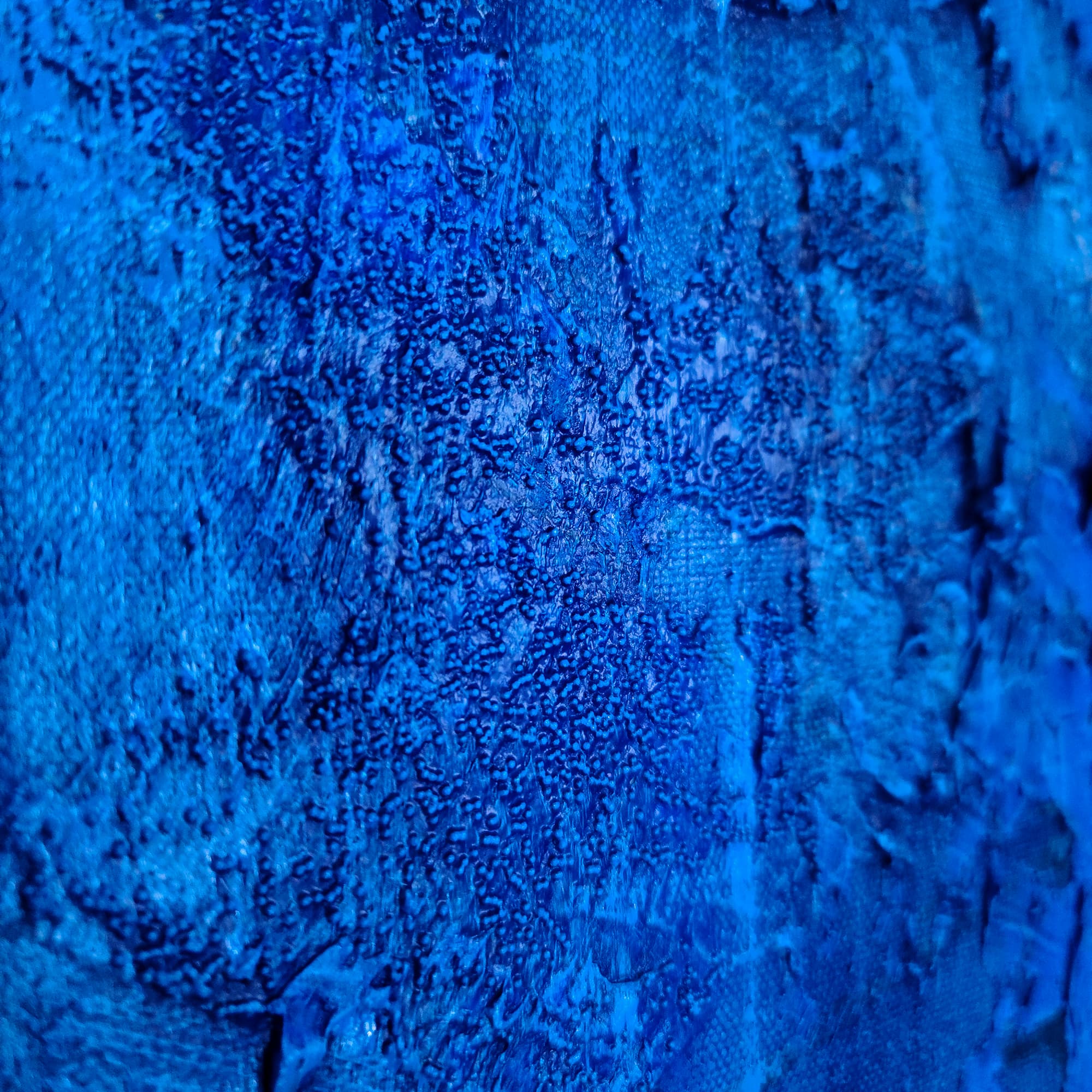
Acrylic Paintings Are Built to Last
One of the many advantages of acrylic paint as a medium is its exceptional durability. Unlike oil paintings, which can yellow, crack, and become brittle over decades, acrylic paint remains flexible and colorfast for an extremely long time. Properly cared for, an acrylic painting will look as vibrant in fifty years as it does today.
That said, "properly cared for" does require some knowledge. Here is everything you need to know to keep your Lei-Kol original — or any acrylic painting — in perfect condition.
Placement: Where You Hang It Matters
The two enemies of any painting are direct sunlight and moisture. Follow these guidelines:
- Avoid direct sunlight: While acrylic paint is more UV-resistant than oil, prolonged direct sunlight can still cause gradual fading over years. Hang your painting on a wall that receives indirect or diffused natural light rather than a wall that gets hours of direct sun.
- Avoid moisture-prone areas: Bathrooms with poor ventilation, uninsulated exterior walls, and areas near humidifiers or steam sources should be avoided. While acrylic paint is water-resistant once cured, the canvas and stretcher bars behind the paint are susceptible to moisture damage.
- Maintain stable temperature: Avoid hanging paintings near heating vents, radiators, or air conditioning units that create rapid temperature fluctuations. These fluctuations cause the canvas to expand and contract, which can stress the paint surface over time.
Cleaning: Less Is More
Acrylic paintings require minimal cleaning, and the most common mistake is overcleaning.
Regular Dusting
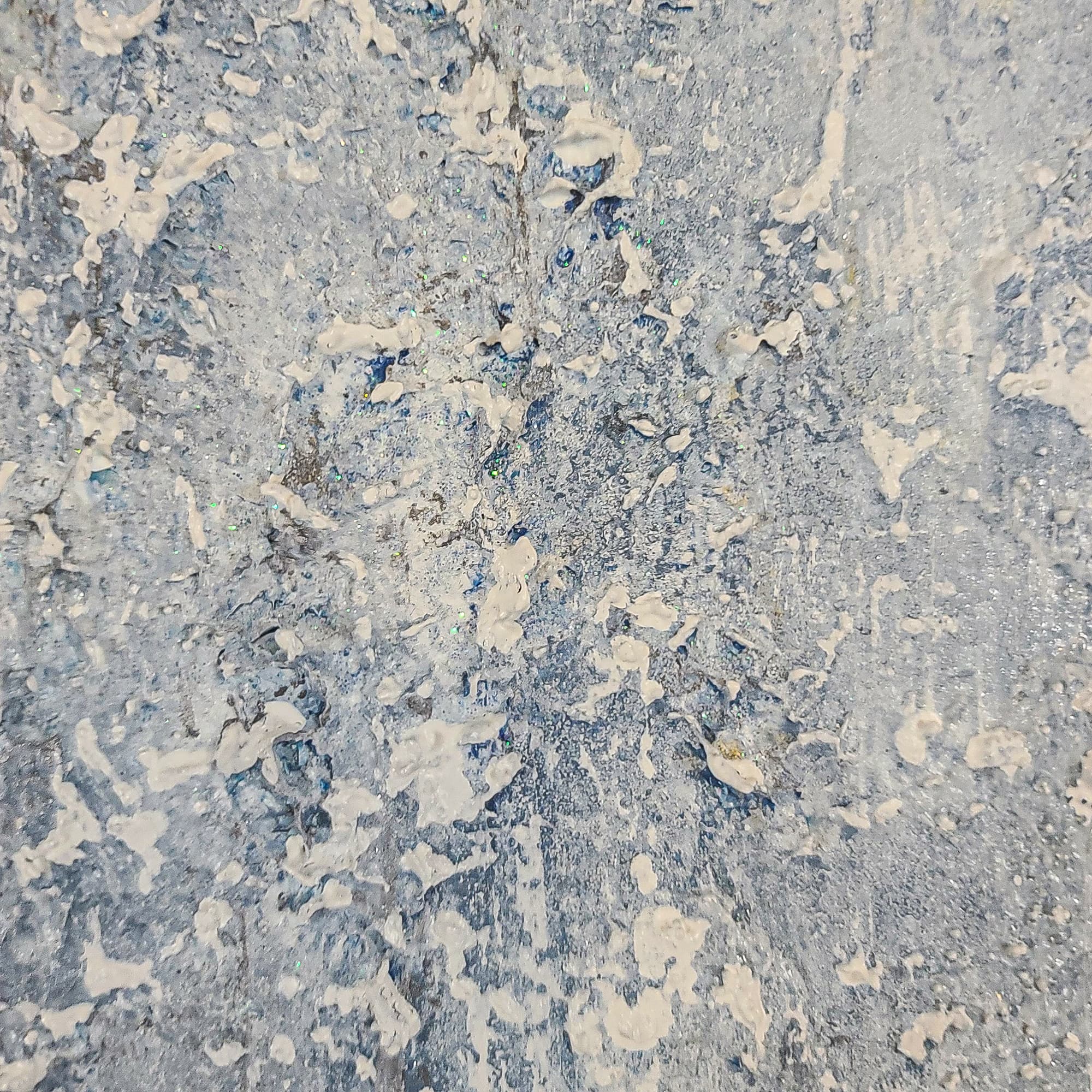
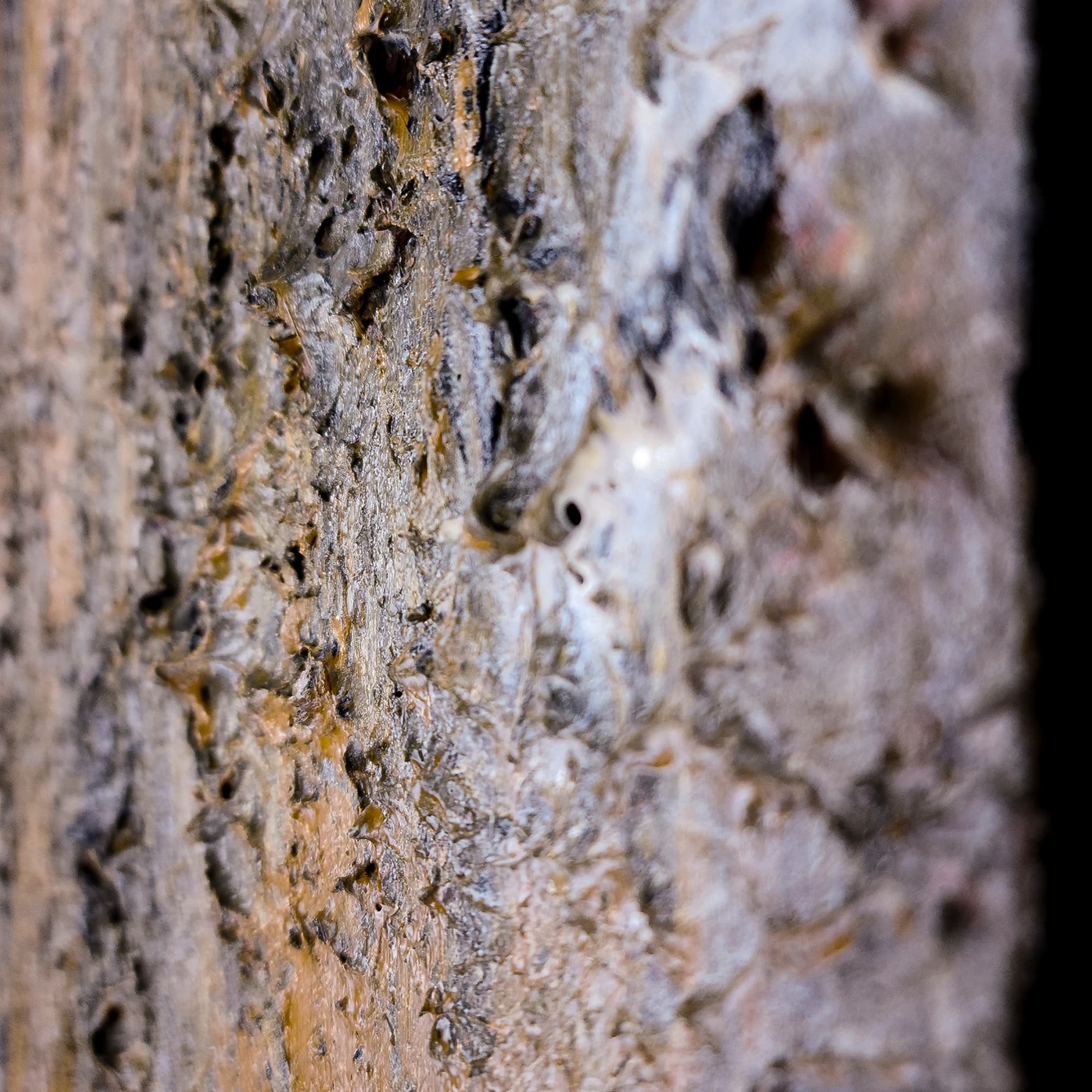
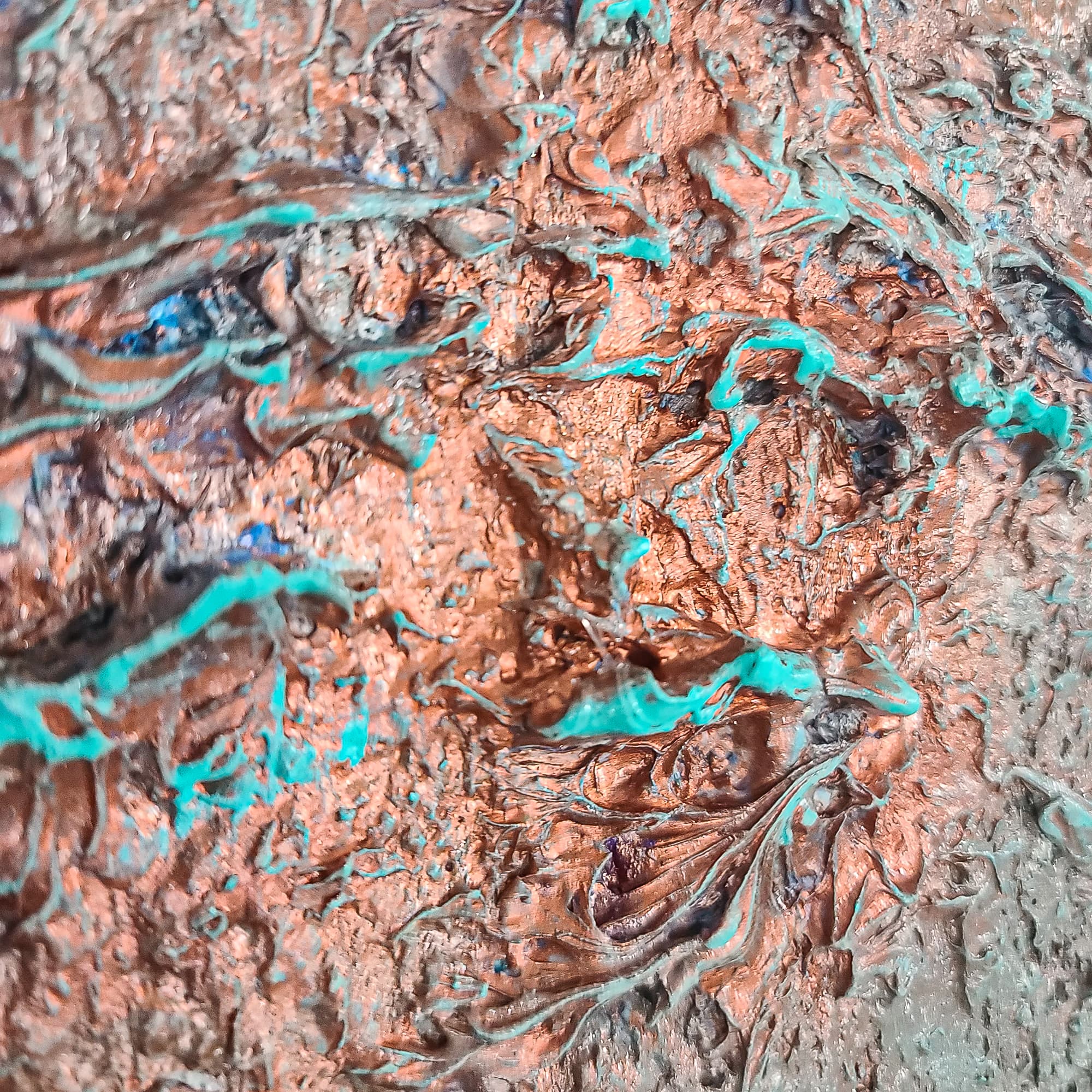
Dust your painting every few months with a clean, dry, soft-bristle brush or a microfiber cloth. For heavily textured works like Brick and Mortar or Mushrooms, use a soft brush rather than a cloth — the bristles reach into the valleys and crevices of the texture that a flat cloth cannot access.
Always dust gently. The texture peaks on heavy impasto paintings are the most vulnerable points — aggressive dusting can chip or damage them.
Deeper Cleaning
If the painting has accumulated grime beyond what dry dusting can remove, use a barely damp (not wet) soft cloth with clean, lukewarm water. No soap, no cleaning products, no solvents. Wipe gently in one direction, following the texture of the paint. Allow the surface to air dry completely before touching it again.
Handling and Moving
When you need to move a painting, follow these practices:
- Always handle with clean, dry hands or wear clean cotton gloves. Oils from your skin can leave marks on unvarnished surfaces.
- Carry paintings by the sides — never by the top edge, which puts stress on the hanging hardware and the canvas.
- Face the painting inward when carrying it through doorways to protect the surface from bumps and scrapes.
- Never stack paintings face-to-face without padding between them. The texture of one painting can impress into the surface of another.
Long-Term Preservation
For long-term preservation, consider these additional measures:
- Insurance: Insure your painting as part of your homeowner's or renter's policy. Original art appreciates over time, so update the insured value periodically.
- Documentation: Keep your Certificate of Authenticity, purchase receipt, and any correspondence with the artist in a safe place. This documentation establishes provenance and is essential for insurance claims and future resale.
- Professional inspection: If you notice any changes in the surface — cracking, flaking, or discoloration — consult a professional art conservator. Early intervention prevents small issues from becoming serious problems.
Questions About Your Painting?
If you own a Lei-Kol original and have any questions about care, maintenance, or preservation, contact Lei-Kol directly. She stands behind every piece and is always happy to advise on keeping your painting in perfect condition.
Tags